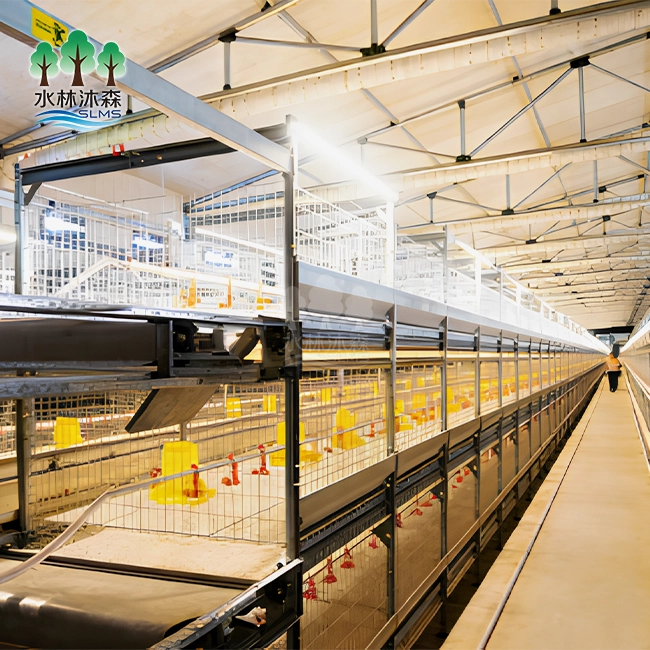
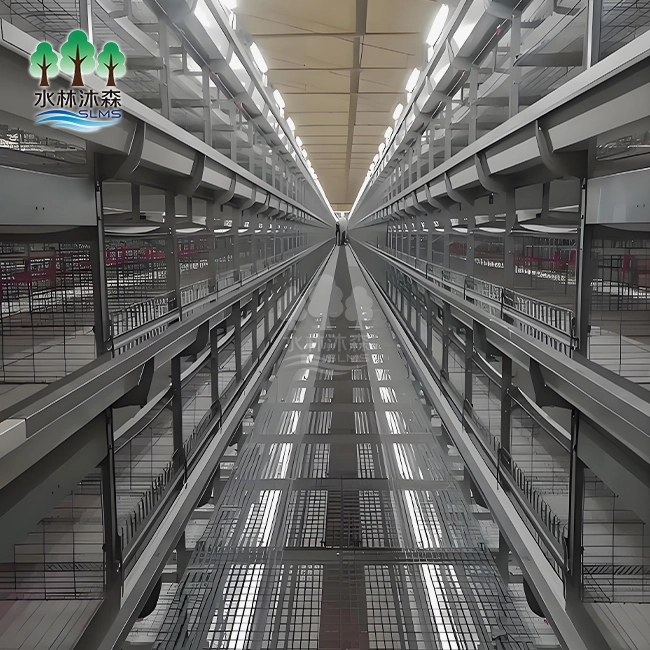
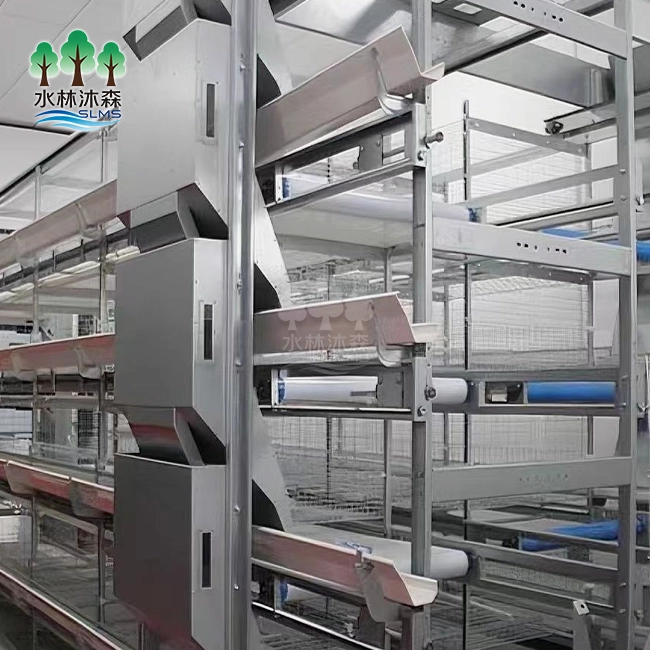
Best poultry floor-raised fans for ventilation in chicken coops
A Poultry Floor-Raised Fan Base made of high-quality materials like hot-dip galvanized steel or die-cast aluminum alloy should be the top choice for procurement managers looking for the best poultry floor-raised fans for ventilation in chicken coops. These bases support dynamic balance grades of G6.3 or higher, which means they make sure there is little noise and shaking and steady airflow right at bird level. The best fan base can handle settings with ammonia that is corrosive, has protected automotive-grade bearings with an IP55 rating or higher, and stays structurally sound when high torque loads are applied. Quality units fit perfectly into modern chicken coops and provide focused air that lowers heat stress, gets rid of harmful gases, and makes living conditions healthy. This makes the flock more productive and the farm more profitable.


Introduction
Proper airflow is essential for running a successful poultry farm because it directly affects the health of the birds, their output, and the general efficiency of the farm. Keeping wind, temperature, and humidity levels in chicken coops at the right levels stops lung diseases, lowers death rates, and improves feed conversion ratios. Choosing a solid floor-raised fan base is a key part of meeting these environmental goals at bird level, where air quality is most important.
This detailed guide is for procurement managers, farm engineers, equipment dealers, and OEM clients who need to buy poultry equipment. We give you expert advice on technical benefits, upkeep procedures, and selection factors that help with large-scale operations. After working at Shuilin Musen Aquaculture Equipment Co., Ltd. for eight years, we know that the best way to run a farm in the long term is to buy air systems that are built to last, use little energy, and always do their job. When buyers understand these basic ideas, they can make smart choices that balance the costs of the original investment with the saves they will make in the long run.
Understanding Poultry Floor-Raised Fan Bases: Definition and Benefits
What Defines a Floor-Raised Ventilation System
Poultry Floor-Raised Fan Bases are specialized ventilation units that are meant to improve air flow directly at bird level. They work with regular ceiling or wall-mounted systems. These units raise the fan placement just above the floor, which makes the airflow better throughout the coop. The mechanical design is based on moving air horizontally so that it hits every part of the house structure. This keeps harmful gases from building up in places where the air doesn't move.
A high-quality system is made up of die-cast aluminum alloy ADC12 or hot-dip galvanized steel with a zinc covering that is thicker than 275g/m². These materials can stand up to the very corrosive environment that ammonia, water, and decomposing organic matter cause. Engineered to support dynamic balance grades of G6.3 or better according to ISO 1940 standards, quality bases reduce eccentric spin, which leads to bearing failure early and noise levels that are too high.
Core Advantages for Commercial Operations
Floor-raised air systems have measured benefits that make them worth including in new designs for chicken coops. Better climatic control, like keeping the temperature between 65°F and 75°F and the relative humidity below 70%, makes birds happier and healthier. This exact control of the temperature keeps the soil from getting too hot in the summer and stops water from building up, which helps bacteria grow.
Other strong benefits include the ability to avoid disease. These systems get rid of ammonia levels below 25ppm, which is the level at which breathing becomes irritating, by allowing steady air flow rates of 0.75 to 1 CFM per pound of bird body weight. The constant flow of air also keeps pathogens from building up, which is especially important in places where birds are raised on the ground and touch trash. According to research, places with good ventilation cut the number of lung diseases by 35–40% compared to those with poor ventilation.
Improving energy efficiency helps lower running costs all the way through the production cycle. When high-efficiency motors are paired with modern Poultry Floor-Raised Fan Base, the CFM/Watt rates are higher than industry standards. This means that 20–30% less electricity is used than with older systems. This increase in efficiency builds up over time, especially in places where fans run all the time and go through several flock rounds a year.
How Poultry Floor-Raised Fan Bases Work and Maintenance Best Practices
Operational Mechanics and Airflow Dynamics
Floor-raised fan bases use focused airflow mechanics to make sure there is constant airflow near where the bird lives. The raised position lets air come in from different directions, creating a horizontal air curtain that moves across the floor before leaving through vents or negative pressure exhaust places that have been marked. When combined with tunnel ventilation or cross-ventilation designs, this airflow pattern keeps conditions the same in living buildings that are up to 500 feet long.
The spinning assembly's kinematic accuracy keeps its dynamic balance while it's working, stopping any wobble or shaking that would make the airflow less effective. Specialized dust seals rated IP55 or higher on double-row angular contact ball bearings keep out dirt and moisture that has been mixed with trash. This sealing technology keeps dirt and other things from getting into the bearing track and speeding up wear and failure.
Essential Maintenance Protocols
With regular upkeep, you can make something last longer and keep it working well through many flock cycles. Many current bases use automotive-grade bearings that are sealed for life. Units with grease fittings need to be purged and re-greased every six months or after each flock cycle clean-out time. High-temperature lithium-based grease moves dirt and other particles that get into binding barriers during normal use.
As part of regular checks, the torque specs for mounting bolts should be checked for any looseness that could cause misalignment and vibration. When cleaning, it's important to take into account the buildup of dust on the blade surfaces and the base hub. Unbalanced deposits throw off the dynamic balance and make movement less effective. When there isn't good trash management and ammonia levels are higher than 25ppm in floor-rearing areas, galvanized surfaces should be inspected more often to find early signs of rusting.
We suggest that full mechanical checks be done every three months, checking the state of the bearing housing, the electrical connections, and the resistance of the motor winding insulation. Common operating problems that can be avoided with proactive maintenance include noise levels above 65dB(A), shaking levels above acceptable levels, and reduced airflow that makes it harder to control the environment. By taking these precautions, the buying and tech teams can make sure that the system works well and that it doesn't go down without warning during busy production times.
Comparative Analysis: Poultry Floor-Raised Fan Bases vs Other Fan Types
Performance Metrics Across Ventilation Approaches
When you compare floor-raised fan bases to ceiling- and wall-mounted options, you can see that they work differently, which affects your choice to buy. Floor-raised systems are great at directing air flow to specific areas where birds like to hang out, making the air move. This placement advantage is especially useful when raising broilers, where even temperatures affect how well feed is converted and how much weight each bird gains each day.
Measuring airflow efficiency shows that floor-raised units work better than ceiling fans with the same CFM ratings when they are placed correctly because they move air faster at bird level. The horizontal airflow pattern stops thermal stratification, which gets rid of hot spots near the roof and cold spots near the floor. This even distribution lowers the overall fan power needed to keep the environment at the desired level. This means that less energy is used and capital equipment costs are lower.
Different types of installations make a lot of noise in very different ways. When placed at the suggested distances from places with lots of birds, floor-mounted fans with precisely balanced bases make noise levels below 65dB(A). Wall-mounted vent fans, especially older types with belt drives, make louder noises that can make flocks react to stress. Studies show that long-term noise exposure above 70dB(A) reduces the amount of food animals eat and messes up their normal rest cycles, which has an effect on their output.
Durability and Maintenance Considerations
Equipment's longevity is tested in harsh farm settings that include ammonia exposure, changing levels of wetness, dust infiltration, and changes in temperature. Poultry Floor-Raised Fan Base designs, for example, must withstand the same corrosive conditions. Floor-raised bases made of Grade 304 or 316 stainless steel are better at resisting ammonia and wet cleaning chemicals, but they cost a lot more at first. For most industrial broiler uses, high-zinc galvanization or powder-coated metal are the most cost-effective options. If properly maintained and kept at a steady humidity level, these materials will last for 8 to 10 years.
Maintenance needs change depending on how the installation is set up. Ceiling-mounted fans need tools for high access to be serviced regularly, which adds to the work and raises safety concerns. Floor-raised units are easier to clean and check because they can be reached from the ground. This benefit of easy access lowers the cost of maintenance work by about 40% over the life of the equipment, making up for the higher prices of premium fan base parts at first.
Procurement Considerations for B2B Buyers: How to Choose and Where to Buy
Critical Selection Metrics
To choose the best floor-mounted fan base, you need to carefully look at key performance indicators that are in line with your needs. Ratings for energy efficiency should show that normal circulation fans have CFM/Watt ratios of 20:1 or more. Variable-speed types are more efficient when they are not working as hard. This measure has a direct effect on monthly energy costs, especially in places where fans run all the time for 5–6 flock cycles a year.
Pay close attention to the noise specs because too much noise is bad for both birds and workers. Quality fan bases keep the noise level below 65dB(A) at a distance of one meter, which meets safety standards for the workplace and stops flock stress reactions. Make sure that the manufacturer's specs include normal testing settings instead of just guesses.
Some signs of durability are the type of material used, grades for bearing quality, and approvals for corrosion resistance. Hot-dip galvanization with a zinc covering density of more than 275g/m² is enough to protect most industrial uses. Even though it costs 40–60% more, operations that work in harsh ammonia conditions may be able to afford building with stainless steel. Bearing systems that are sealed and labeled IP55 or IP56 keep dust and water out, which causes them to fail early.
Sourcing Channels and Supplier Evaluation
Reliable wholesale providers give full technical help, which includes figuring out the capacity, planning the layout, and checking the performance after the installation. Our skilled research and development team at Shuilin Musen Aquaculture Equipment Co., Ltd. is made up of five trained engineers who make sure that our products work well with the homes that are built in the area and the weather there. We've been in the farming and livestock industries for eight years, which shows how committed we are to using new technology to make products better and strict quality control to build a trustworthy brand image.
When you buy in bulk, you can get discounts ranging from 15% to 25% on orders of 50 or more units, longer warranty coverage, and faster access to expert help resources. Unique practical needs can be met by custom production choices, such as non-standard mounting configurations, specific motor specs, and integration with building management systems that are already in place. When procurement managers know about these avenues of sourcing, they can make sure that they get ventilation options that meet exact practical requirements at a low cost.
Infrastructure for after-sales assistance is an important evaluation factor that is often missed when buying something for the first time. Make sure that providers keep enough spare parts on hand, offer expert help for installation and testing, and offer quick warranty service. As part of Shuilin Musen's full service promise, we offer full-process support, which includes sales consultation, after-sales maintenance, expert advice, and on-site installation services. This level of service saves your investment and keeps production running as smoothly as possible when machine problems happen.
Installation Guide and Energy Efficiency Optimization
Proper Installation Procedures
When Poultry Floor-Raised Fan Bases are installed correctly, they work better at ventilating and last longer. The first step in getting a site ready is to make sure that the fixing surfaces are level so that stress doesn't build up on the base connection points. Before installing equipment, concrete pads should have been cured for at least 28 days and reached a minimum compression strength of 3000 PSI. Anchor bolts must be placed so that they perfectly line up with base mounting holes. Field cutting, which weakens the structure, should not be done.
Anchor bolts need to be torqued to the manufacturer's specs, which for normal base sizes is usually 40 to 50 ft-lbs. When force is distributed unevenly, the frame warps, which leads to problems with shaking and misalignment. Once the base piece is in place, make sure the fan hub can turn easily and doesn't make any noises that would suggest it isn't lined up right. The electrical integration follows the NEC rules for agricultural settings. It includes GFCI safety and conductors that are the right size to account for voltage drop over long circuit runs.
As part of installation safety rules, lockout-tagout procedures must be followed when connecting electrical circuits, the right PPE must be worn, including eye protection when working above, and jobs must be done in protected housing structures with enough air flow. Verification tests should confirm the direction of spin, measure the real amperage draw and compare it to the nameplate values. It should also record standard airflow readings so that future performance comparisons can be made.
Optimizing Energy Consumption
To get the best energy use, you need to choose a fan power that is right for the size of the building and the number of birds that live there. When big fans turn on and off often, they waste energy and cause temperature changes that stress groups. Installations that are too small keep running at full capacity all the time, which shortens the life of the equipment and makes it impossible to keep the right weather conditions during times of high demand. Our engineering team carefully figures out how much space is needed by taking into account things like ceiling height, insulation R-values, goal air exchange rates, and yearly temperature differences.
When compared to constant-speed operation, smart controls like variable frequency drives and customizable staging steps cut energy use by 25 to 35 percent. These systems change the speed of the fans based on temperature monitors, humidity readings, and plans for different times of the day. This makes sure that the ventilation capacity matches the demand. Regular checks of the flock's performance that measure current draw, airflow delivery, and the uniformity of environmental parameters find signs of degradation before they have a negative effect on the flock's performance.
Using these optimization strategies lowers operational costs and raises sustainability measures that are becoming more and more important for chicken companies that are vertically integrated and businesses that focus on exports. When you choose the right equipment, install it correctly, and connect smart controls to it, you can see a clear return on your investment. Usually, the energy savings alone pay for the system in less than 24 months.
Conclusion
Buying good Poultry Floor-Raised Fan Bases is a smart move that will affect the profitability of a chicken business for years after it is installed. The technical points talked about in this guide show that choosing the right tools is more than just comparing prices at first. In harsh farming settings, long-term dependability is ensured by checking the material makeup, bearing quality, dynamic balance specs, and resistance to corrosion. Maintenance plans and methods for saving energy will protect your investment even more while making your business run more efficiently. When procurement workers are looking at different suppliers, they should give more weight to companies that have proven R&D skills, full service support, and the ability to make changes as needed. This will give them better value over the entire ownership lifecycle.
FAQ
How often should floor-raised fan bases be lubricated?
Many new Poultry Floor-Raised Fan Bases have sealed automotive-grade bearings that don't need any upkeep. However, units with grease fittings need to be purged and re-greased every six months or after each flock cycle clean-out time. Use lithium-based high-temperature grease to get rid of contaminants that get into closing barriers while activities are going on.
Why do rotary bases cause excessive vibration?
Loss of concentricity or dynamic balance is often indicated by vibration. When used for floor-rearing, dust buildup on the blades or the base hub makes the machine unbalanced. First, check for weak mounting bolts. Then, clean the whole thing very well. Vibrations that don't go away hint that the bearing housings need to be replaced.
What lifespan should be expected in deep-litter environments?
High-quality bases last 8 to 10 years in well-kept settings with controlled temperature. In places where trash isn't managed well and ammonia levels are higher than 25ppm, lower-grade galvanized bases may experience structural rust fatigue within 3 to 5 years. Building with stainless steel lasts longer, but it costs 40–60% more.
Partner with Shuilin Musen Aquaculture Equipment Co., Ltd. for Superior Ventilation Solutions
If you want to improve the air on your chicken farm, you need to find a reliable Poultry Floor-Raised Fan Base maker that can provide quality, new ideas, and full support. Shuilin Musen Aquaculture Equipment Co., Ltd. has been making agriculture equipment for eight years and has a focused R&D team of five professional engineers. Every year, they release more than three new goods that they made themselves.
Our floor-raised fan bases are made of high-strength galvanized steel or 304 stainless steel, have parts that are perfectly balanced, and use sealed bearing technology with an IP55 rating or higher. We cut labor costs by more than 40% by making designs that work better, and we offer full-process service support, which includes expert advice and installation on-site. Contact our team at wangshuaislms@gmail.com or visit slms-equipment.com to talk about custom ventilation solutions, low bulk prices, and how our full service guarantee protects your investment over many flock cycles.
References
1. Aviagen. (2018). Broiler Management Handbook: Ventilation and Environmental Control. Huntsville, AL: Aviagen Inc.
2. Donald, J. (2020). Commercial Chicken Meat and Egg Production (6th ed.). New York: Springer Publishing.
3. Midwest Plan Service. (2016). Design of Ventilation Systems for Poultry and Livestock Shelters. Ames, IA: Iowa State University.
4. Czarick, M., & Lacy, M. (2019). Poultry Housing for Hot Climates: Practical Guidelines for Ventilation Design. Athens, GA: University of Georgia Cooperative Extension.
5. International Poultry Welfare Alliance. (2021). Environmental Parameters and Equipment Standards for Commercial Poultry Production. Brussels: IPWA Publications.
6. American Society of Agricultural and Biological Engineers. (2022). ASAE EP270.6: Design of Ventilation Systems for Agricultural Buildings. St. Joseph, MI: ASABE Standards.
Learn about our latest products and discounts through SMS or email