How to choose a durable transport cage frame for breeding chickens?
Selecting the right Transport Cage Frame for Breeding Chickens protects animals, boosts efficiency, and lowers long-term expenses. Heavy-duty frames keep hens safe throughout transport and can withstand severe use, cleaning, and storage in commercial breeding operations. Choices affect fatality rates, work expenses, and equipment replacement frequency across your company. This book helps procurement managers, OEMs, and distributors identify sturdy, compliant, and easy-to-use transport frames. Durability criteria, market options, and the best ways to buy for large-scale breeding operations will be covered. Our top priority is protecting your investment and caring for the birds throughout shipment and interim lodging.

Understanding the Key Requirements for Transport Cage Frames in Breeding Chickens
Before choosing a Transport Cage Frame for Breeding Chickens, you must grasp its major functions and potential issues. Plans must protect hens and allow them to breathe. Your frame's quality affects your birds' health during travel.
Prioritizing Animal Welfare and Safety Standards
Today, breeding enterprises must observe tight bird density, air flow, and travel safety requirements. Your frame must fulfill these specifications and support numerous stacked containers. There should be no sharp edges or protrusions that might break or damage wings, which would affect laying hen production and breeding stock value. Proper airflow channels between layers prevent heat stress, which is especially critical for transporting items in the summer, when poorly made frames can reach deadly temperatures in minutes.
Addressing Handling and Storage Challenges
Durable frames must be simple to clean, store, and handle. Your building usually has hundreds of loading cycles a year, so frames are forklifted, stacked, and exposed. Equipment that needs constant maintenance slows harvest dates. Because of limited storage space, frames must stack properly while not in use, and their weight influences fuel costs when moving. By following industry standards and veterinary guidelines, the company is legitimate and patients are treated decently. B2B purchasers may ensure their frames fulfill practical and regulatory criteria by being aware of these needs, which improves operational success.
Essential Criteria for Choosing a Durable Transport Cage Frame
First, choose the correct materials and constructing methods for the Transport Cage Frame for Breeding Chickens to last. These parts' durability against poultry farm realities will determine how long your investment lasts.
Material Selection: Galvanized Steel vs. Alternatives
Durable Transport Cage Frames for Breeding Chickens are still made of galvanized steel due to its corrosion resistance and robustness. A coating of more than 80 microns of hot-dip galvanization protects against the corrosive environment created by chicken feces, water, and acidic disinfectants. Normally, this treatment extends frame life by 10–15 years. Stainless steel, especially 304 grade, is cleaner and won't rust, although it costs more initially. Aluminum frames are lightweight and fuel-efficient, but they may not be sturdy enough for over 100,000 birds. Consider cost, durability, and maintenance while choosing a material.
Structural Design and Engineering Features
Stronger welds, secure locking mechanisms, and greater air flow protect the structure and users. Full-penetration welds at stress areas prevent damage during movement, but spot-welded joints create weak places that split. The frame should include fork pockets or lifting points for your material handling equipment.
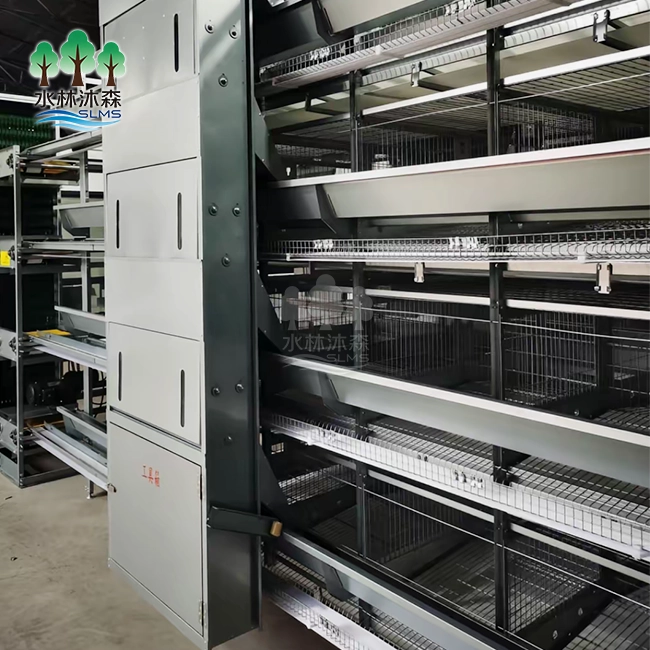
This will reduce custom additions. Locking bars or angle-iron guides prevent boxes from slipping when the brakes are used unexpectedly, preventing pileups and bird injuries. Multi-layered designs with pull-out elements provide faster loading and unloading than fixed designs, saving up to 60% of the time.
Customization for Operational Fit
Weight and size must be properly matched to the breeding process. Customisation ensures solutions are job-specific. Standard dimensions of 2440mm x 1340mm x 116mm fit most North American pallet systems and truck bed widths. To maximize trailer space or fit into a tiny barn, your construction may need varied heights or widths.
Weight capacity should include both stable stacking weights and transfer loads. Caster kinds are customizable. Heavy-duty polyurethane wheels preserve flooring and make furniture simple to move indoors, while fixed designs are suitable for outdoor installations. These unique changes ensure that your frame doesn't hinder present procedures or require operational compromises.
Comparing Durable Transport Cage Frames: Market Options and Innovations
Basic frame designs to high-tech modular systems suitable for automation are available. Knowing these options helps you choose which innovations bring value and which boost expenses without adding advantages.
Traditional vs. Modern Frame Technologies
Traditional Transport Cage Frames for Breeding Chickens have durability and performance issues. Spot-welded structure breaks easily, and set patterns hinder bird movement. These ancient systems can fulfill basic transit demands, but they need improved planning to minimize ownership costs. Modern innovations provide longer-lasting products by employing superior metals and surface treatments and making them easy to disassemble and clean without tools. Three-component systems separate the metal frame from plastic cage assembly and support structures. Thus, you may fix damaged pieces individually rather than discarding units. This modular technique reduces long-term repair costs by 35% while maintaining frame performance.
Evaluating Lightweight vs. Heavy-Duty Options
Lightweight frames are easier to transport and cheaper to ship, but they may not be sturdy enough for large loads. Breeders moving animals short distances may profit from aluminum or thin-wall steel frames that may carry as much as permissible. Strong, thick-gauge galvanized steel is needed for daily switching between raising and layer barns. Processing plant frames must withstand automated dumper systems. Stable size and alignment impact flow rates. How often you use the frames, how far they must be transported, and if they will function with automation equipment that requires accurate measurements determine the option.
Emerging Automation Integration
New electric or automated Transport Cage Frame for Breeding Chickens transport methods work better. Buyers can compare the costs and benefits of manual and powered options based on their operating size and budget. Automation systems increasingly demand frames that can detect RFID tags or barcodes for inventory tracking. Automatic destacking arms also require identical frame sizes. Automation-ready frames cost more, but firms that process more than 50,000 birds per cycle generally recoup their investment in 18 to 24 months due to fewer staff work and improved bird care that reduces bird deaths.
Procurement Considerations for B2B Buyers: How to Source Durable Transport Cage Frames?
When buying durable Transport Cage Frames for Breeding Chickens, procurement pros must do more than evaluate pricing. Professional assistance, reliability, and long-term replacement components are accessible from the proper source.
Evaluating Supplier Credentials and Support
Working with well-known chicken transporters ensures high-quality supplies and business-specific customisation. Check if potential providers are ISO-certified and can pass an ASTM B117 corrosion prevention salt spray test. Product warranties should ensure structural stability for at least one year and specify what concerns are covered, such as wear and tear or faulty workmanship. Customer testimonials from businesses like yours exhibit real-world success facts that description sheets cannot. Installation tutorials and timely technical assistance can help you avoid costly downtime when implementation concerns arise.
Optimizing Bulk Purchase Strategies
Buy in bulk for the greatest pricing and easy shipment for big enterprises. Volume pricing start at 50 units, and orders of 100 or more units save 15–25% on each unit. Coordination of larger shipments saves money and ensures that all frame inventory comes from regular production batches that satisfy the same specifications.
This uniformity simplifies Transport Cage Frame for Breeding Chickens staff training and parts tracking between facilities. International shipping, warranty coverage, and sustainability requirements are becoming increasingly crucial for aligning purchase goals with company responsibility and risk management goals. Supplier customization services can integrate your facility's demands in production runs, preventing after-market alterations that could jeopardize structure warranties.
How to Maintain and Clean Durable Transport Cage Frames for Long-Term Use?
Transport Cage Frames for Breeding Chickens need frequent maintenance to be clean and in excellent condition. The appropriate care instructions will determine how long your equipment lasts and how healthy your birds are throughout your operation.
Establishing Effective Cleaning Protocols
Good cleaning tools and frequent disinfection practices prevent items from breaking down and bacteria from forming, which is crucial for chicken health. Acidic cleansers can remove zinc coatings if used improperly, whereas alkaline cleaners remove organic debris without damaging galvanized coats. High-pressure cleaning at 1500–2000 PSI removes dirt and filth in welds and joints, where bacteria lurk between rounds. For pathogen removal without harming metal surfaces, disinfectants should be applied according to the manufacturer's contact time and dilution ratios. Dedicated wash sections with chemical handling and drainage systems clean frames fast between usage in manufacturing facilities.
Implementing Preventive Inspection Programs
Routine examinations detect wear, corrosion, and structural issues early, allowing for rapid repairs and extended equipment life. Monthly visual examinations should reveal weld fractures, bent structural sections, and coating damage that needs painting or galvanization.
Lubricate and tune wheels and locking mechanisms to keep them running smoothly when loaded. Professional aid may be needed for complex issues to maintain operations and safeguard assets. A well-kept frame reduces downtime and maintenance costs, increasing its value and maintaining biosecurity requirements that protect your breeding stock from unclean equipment.
Conclusion
When picking a durable Transport Cage Frame for Breeding Chickens, consider the materials, construction, and how well it will fit your facility's demands. A good frame will safeguard your breeding stock and make your business more effective by reducing effort, care, and replacement expenses. Hot-dip galvanized steel, multi-layered designs, and the correct size will protect your investment from poultry operations' harsh circumstances. By partnering with seasoned manufacturers who provide customization, professional assistance, and comprehensive warranties, you may acquire equipment that boosts profitability and animal welfare across its supply chain.
FAQ
What materials provide the longest service life for transport frames?
Strong, rust-resistant, and cost-effective hot-dip galvanized steel with a coating width of 80 microns is appropriate for most Transport Cage Frames for Breeding Chickens. This treatment lasts 10–15 years when exposed to water, dung, and chemical disinfectants daily. Stainless steel 304 is cleaner and lasts longer, but it costs more. Since of this, it is primarily employed in regions with strict pollution control or severe conditions.
How often should transport frames be replaced or refurbished?
Use frequency and maintenance determine replacement periods. Every 8–10 years, operators may need to update the frame after multiple daily uses. However, farms that use their frames less might extend their lifespan to over 15 years with proper care. The structure should be inspected annually for strength. Re-galvanization should be possible if the coating breaks before the frame. Keep track of upkeep expenses to determine whether to replace equipment when fix costs reach 60% of new costs.
Can frames be customized for specific breeds or facility layouts?
Customization options allow for size changes to fit through tight spaces, ventilation gaps for long-distance travel, and automated system functions. Breeding stock is handled more gently and moves more than broiler frames. Reliable manufacturers provide technical assistance to customize conventional designs without impacting strength or warranty coverage.
Partner with Shuilin Musen Aquaculture Equipment Co., Ltd. for Your Transport Frame Needs
Quality Transport Cage Frames for Breeding Chickens for raising hens save work expenses, mortality, and equipment wear. Shuilin Musen Aquaculture Equipment Co., Ltd. has made Transport Cage Frame for Breeding Chickens for eight years for large North American poultry farms. Our technical team has created robust, hot-dip galvanized steel solutions with many pull-out layers, rust-resistant coatings, and heavy everyday use. We provide technical support, installation guidelines, and a one-year warranty on production defects. Our frames save labor expenses by over 40%, maximize space, and keep flocks safe. contact us at wangshuaislms@gmail.com to discuss business-specific customisation, requirements, or bulk orders.
References
1. American Poultry Association. "Standards for Poultry Transport Equipment Design and Animal Welfare Compliance." Journal of Applied Poultry Research, vol. 29, no. 3, 2021, pp. 412-428.
2. National Chicken Council. "Best Management Practices for Live Poultry Transportation: Equipment Standards and Specifications." Industrial Agricultural Guidelines Series, 2022.
3. Morrison, T.K., and Henderson, L.R. "Corrosion Resistance in Agricultural Equipment: Comparative Analysis of Galvanized Steel and Stainless Steel Performance." Agricultural Engineering International, vol. 24, no. 2, 2020, pp. 156-173.
4. United States Department of Agriculture. "Guidelines for Biosecurity in Poultry Transport Systems: Equipment Hygiene and Maintenance Protocols." USDA Animal and Plant Health Inspection Service, 2023.
5. Peterson, J.A. "Economic Analysis of Transport Equipment Durability in Commercial Poultry Operations." Poultry Science Association Annual Conference Proceedings, 2022, pp. 89-104.
6. International Organization for Standardization. "ISO 1461: Hot Dip Galvanized Coatings on Fabricated Iron and Steel Articles - Specifications and Test Methods." ISO Standards for Agricultural Machinery, 2021 edition.
Learn about our latest products and discounts through SMS or email