How to choose farming chicken transport cage rack for egg production
When picking the right Farming Chicken Transport Cage Rack for egg production, you need to think carefully about how long it will last, how well it will protect the birds, and how well it will run your business. Moving laying hens safely between production areas is made possible by these specialised transport systems. They also make flock rotation, brief holding during barn cleaning, and organised group management easier. The best rack is made of strong materials and has features that make it less stressful for the birds. This way, your birds will stay calm during moves, egg quality will be maintained, and the number of deaths will be kept to a minimum during daily farm operations.


Understanding the Key Requirements for Chicken Transport Cage Racks in Egg Production
Farming Chicken Transport Cage Racks are used for a lot more than just keeping things in. These methods have a direct effect on the well-being of the birds, the efficiency of operations, and, in the end, your profits in modern egg farms. Within 48 hours, hens' egg production drops significantly when they are handled or moved stress-related. According to studies on the welfare of chickens, using the right transport tools can cut down on stress-related losses in output by up to 18% compared to old-fashioned ways of handling.
Essential Size and Capacity Considerations
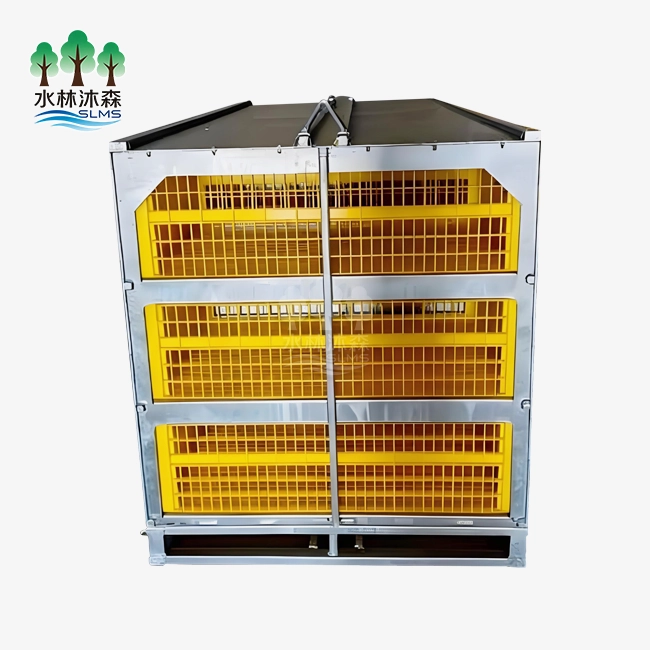
Laying hens need specific amounts of room while being moved so that they don't get hurt by being crowded and so that their natural stance can change. A Farming Chicken Transport Cage Rack that is the right size takes into account the breed's special measurements and stops the animal from moving around too much, which could lead to injuries or broken bones. The 2440cm x 1340cm x 116cm measurements are the best in the business because they mix bird comfort with quick trailer loading. This normal shape fits on most truck beds and gets the most birds moved per trip, which directly cuts down on your fuel costs and work hours.
Ventilation Standards for Stress Reduction
Enough airflow through the rack structure keeps heat from building up, which is still the main cause of death in hot areas in transportation. Open-grid construction and multi-layered designs make sure that birds in the inner parts can get oxygen. Quality racks have the right amount of space between the tiers so that natural airflow can keep the temperature even when the rack is empty or while it is being loaded or unloaded.
Material Durability and Hygiene Requirements
Hot-dip galvanised steel frames are much better at resisting the harmful ammonia that is found in chicken coops than painting frames. With proper care, this surface process creates a zinc layer that is thicker than 80 microns, which means it will last longer than 10 years. The cage parts made from new high-density polyethylene (HDPE) can handle being washed under high pressure over and over again without getting cracks where germs can hide. These choices about materials directly support hygiene rules that are required by the USDA National Poultry Improvement Plan.
Critical Factors to Consider When Choosing a Chicken Transport Cage Rack
To choose equipment that fits your working scale and management style, you need to look at a number of factors that are all linked. Instead of just picking the cheapest choice, the best way to make a buying decision is to match the rack's features to the way your facility's work is normally done.
Construction Material Trade-offs
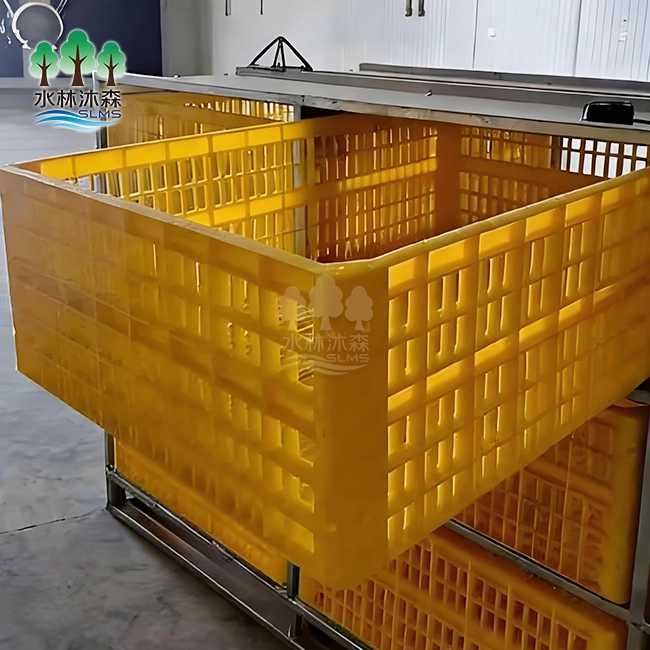
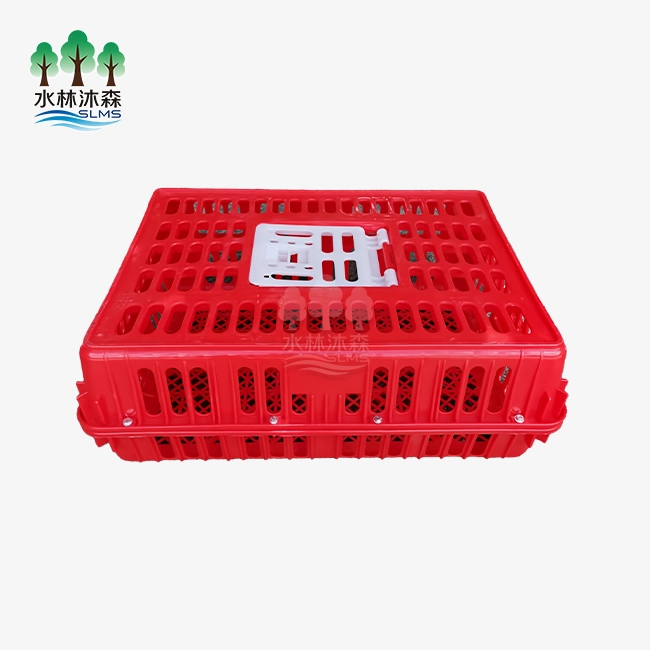
Steel-framed systems with plastic cage sections last longer than systems made of only plastic. The combination method combines strong structures with smooth surfaces that won't damage feathers or skin. Galvanised steel keeps its load-bearing ability even after years of use, so it can hold stacks of things without bowing or warping. Food-grade plastic parts are easier to clean because they don't have any welded edges or fastener holes where dirt and germs can gather. Maintenance demands differ substantially between material types. Steel needs to be checked for rust at weld points on a regular basis, but hot-dip galvanisation makes this less of a problem. Farming Chicken Transport Cage Rack Plastic parts that will be stored outside may need UV stabilisers to keep them from breaking from being in the sun for too long.
Weight and Portability Balance
The weight of a rack affects both how easy it is to move and how well it holds together. When workers lean against the top tiers while loading birds, heavier units don't fall over, but they need automatic help to be put back in place. A well-designed system that weighs between 85 and 110 kilograms keeps things stable without going over the forklift's weight limit. This range of weights lets two staff members move empty racks short distances while still making sure they stack securely when they are full.
Stackability for Space Optimization
The ability to store things vertically changes how efficiently a building works. Racks with strong corner posts and flat stacking surfaces make it safe to stack up to four or five units high when empty. When compared to options that can't be stacked, this feature cuts storage needs by over 60%. Stable stacking keeps loads from moving during highway transport while the rack is in use, which keeps birds from getting hurt by quick rack movement.
Customization Options for Operational Flexibility
Farms with more than one output system gain from configurations that can be changed. Modular designs let you change where doors go, how high the tiers are, and how much space they take up without having to buy all new tools. Standard rack frames can be changed to fit different breed sizes, barn door widths, and loading dock setups through customisation services offered by Shuilin Musen Aquaculture Equipment Co., Ltd. This customised method makes sure that it works well with the current infrastructure, which keeps facility changes from being too expensive.
How to Evaluate and Compare Different Chicken Transport Cage Racks on the Market
To make smart comparisons, you need to set realistic performance standards instead of just believing what the maker says. Farm managers with a lot of experience look at more than just the buy price to figure out how much something is worth.
Durability Indicators and Service Life
Looking at the building's features shows how long it should last. Welded parts are stronger than bolted units, which come apart when they are stressed by vibration. When racks hit barn doors while moving, corner supports keep the frame from warping. Instead of general terms like "corrosion-resistant," good makers give specific thicknesses for the zinc coating that have been tested by outside parties. Service life of more than six years is what the business normally expects from commercial-grade tools. Systems with parts that can be replaced have longer useful lives because broken cages or doors can be swapped out without having to throw away the whole frame structure. This flexibility lowers the total cost of ownership by a large amount.
Ventilation Efficiency Metrics
The efficiency of airflow is what sets good ideas apart from great ones. How well air flows through cage walls and floors is based on the amount of open surface area. The best mix between containment protection and air flow is found in designs with 35–45% open area. Too much openness can trap limbs, and not enough openness can cause people to suffocate during transport delays.
Maintenance Requirement Assessment
Equipment that needs to be fixed often throws off plans and raises the cost of labour. Check the wear resistance of hinges, door bolts and slide drawer systems. Simple friction locks don't stay closed for as long as spring-loaded seals do. Impact-modified plastics are used to make parts that can survive multiple door cycling without breaking. This is especially important in cold weather, when regular plastics become brittle. Farming Chicken Transport Cage Rack is a prime example of such equipment, where frequent breakdowns can severely disrupt poultry moving schedules and increase maintenance time, making wear-resistant components and durable plastics critical for reliable daily operation.
Supplier Reputation and Support Infrastructure
Manufacturers that have been around for a while and have a track record are safer to buy from than new companies that just got into the market. Companies that offer full technical help, such as installation guides and troubleshooting tips, make adoption easier. Replacement parts are easy to get through area distribution networks, so when parts need to be replaced, there isn't a lot of downtime.
Procurement Tips: How to Buy the Right Chicken Transport Cage Rack for Your Farm
When you buy things in a strategic way, you protect your investment and make sure the equipment meets your real working needs, not just its theoretical specs.
Wholesale Purchasing Advantages
When you buy in bulk, you can get big price cuts, usually between 15% and 25% off the price of a single unit. Farms that want to expand their facilities should buy whole teams at once. This way, they can make sure that all of their activities use the same equipment. This standardisation makes it easier to train staff because all units will use the same working methods. Volume purchases also strengthen negotiating positions regarding customization requests, warranty extensions, and spare parts packages. Large orders make suppliers more open to custom solutions because they see them as chances to work together.
Supplier Verification Procedures
Costly mistakes can be avoided by making sure the maker is real. Ask for proof of quality certifications, reviews of the production site, and customer references. Reliable suppliers are happy to give references from current customers who run sites of a similar size. Video tours of factories make it clear what they can make and how they check the quality of their products. Verify warranty terms in detail, noting coverage duration, claim procedures, and excluded scenarios. A normal one-year free guarantee should cover structural flaws and early material wear and tear, but it might not cover damage caused by improper use or poor upkeep.
Logistics and Delivery Considerations
International shipping adds more problems that need to be planned for ahead of time. Make it clear if the prices given include shipping costs, import fees, and fees for handling goods at the port. Optimising room utilisation lowers per-unit shipping costs, which means that how containers are loaded affects the total size of orders. Delivery times affect when things are bought, especially when trying to time the coming of tools with the end of building a facility. Include extra time in your project plans in case shipping takes longer than expected or there are customs checks.
After-Sales Support Value
Premium providers are different from budget rivals because they offer full support programs. Help with installation, like full video tutorials or on-site expert visits, makes sure that everything is set up correctly from the start. Ongoing expert advice helps fix operational problems, which improves the performance of tools over its entire life. Shuilin Musen Aquaculture Equipment Co., Ltd. backs up its transport cage rack systems with both technical support and helpful customer service. You can email them at wangshuaislms@gmail.com with questions about specs, customisation options, and placing large orders.
Best Practices for Maintaining and Cleaning Chicken Transport Cage Racks
Following the right maintenance procedures will increase the life of your tools and help meet biosecurity goals that are very important for business egg production.
Daily and Periodic Cleaning Protocols
Farming Chicken Transport Cage Rack is a key piece of equipment in this process, and setting up regular cleaning plans stops pathogens from building up between uses. High-pressure water washing should be used to get rid of any obvious organic matter after each transport run. Look for places where droppings tend to gather, like corners, hinge points, and floor grid crossings. Every three months, there is a deep cleaning that includes disinfectant application using products that are allowed for poultry operations. This makes sure that both steel and plastic parts are compatible. Allow complete drying before returning racks to service since moisture trapped in hollow frame sections promotes internal corrosion. Positioning racks in well-ventilated areas or using forced-air drying accelerates this process.
Inspection and Preventive Maintenance Schedules
Monthly structural examinations identify emerging issues before they cause failures. Check weld integrity, looking for crack initiation near stress concentration points. Test door latches and sliding mechanisms. If necessary, use food-grade grease to keep the moving parts smooth. Check plastic parts for surface cracks or colour changes that could mean they are breaking down from UV light. Document inspection findings, tracking component wear patterns that inform replacement part inventory decisions. Proactive maintenance scheduling prevents unexpected breakdowns during critical production periods.
Troubleshooting Common Operational Issues
Blockages in ventilation are usually caused by feathers getting stuck in grid holes. This problem can be avoided by regularly cleaning, but in the meantime, it can be fixed by hitting specific areas with compressed air to clear them out. When stacking, unstable structures are often caused by corner posts that have been bent from impact damage. These posts need to be straightened or replaced by a professional in order to make stacking safe again. Door alignment problems develop gradually as hinge pins wear. Addressing these promptly prevents bird escape incidents and maintains biosecurity containment. Replacement hinge assemblies represent minor investments compared to consequences of equipment failure during loaded transport.
Conclusion
To choose the right Farming Chicken Transport Cage Racks for egg production, you should not only look at the original cost, but also the quality of the building, how well it works with other equipment, and how much it will cost in the long run. Using systems with hot-dip galvanised steel frames, food-grade HDPE parts, and better air designs improves bird health, operating efficiency, and the life of the equipment. By working with well-known makers that offer customisation options and full support, you can be sure that your investment will meet all of your facility's needs and provide reliable service for a long time.
FAQ
What material works best for humid barn environments?
Combining hot-dip galvanised steel with new HDPE plastic parts gives better performance in wet situations. The zinc layer stops rust from forming, and the plastic parts don't let water in, which breaks down wood or metal that hasn't been treated.
How does proper ventilation design impact bird welfare during transport?
Strategic airflow stops heat stress, which is the main reason birds die in transportation. Open-grid design with 35–45% surface permeability makes sure that birds in the inner rack sections get enough oxygen and stay at a comfortable temperature even when packing takes longer than expected.
What benefits come from choosing customizable rack systems?
Tailored configurations work with particular breed sizes, fit in with current barn equipment, and change to fit how operations are run. Customisation keeps you from having to make expensive changes to your building while also making sure that the equipment works best for your production system.
How long should quality transport racks last with proper maintenance?
When used correctly, hot-dip galvanised systems usually last between 10 and 15 years of steady service. This is taken even further by modular designs that use changeable parts so that only the worn-out parts need to be replaced instead of the whole unit being thrown away.
Partner with Shuilin Musen Aquaculture Equipment Co., Ltd. for Superior Transport Solutions
Shuilin Musen Aquaculture Equipment Co., Ltd. can help your egg production business with Farming Chicken Transport Cage Rack systems that are carefully built to last, protect birds, and make operations run smoothly. In our eight years of experience making tools for farms with thousands to over 100,000 birds, we've come up with ideas that farms trust. As a well-known provider of Farming Chicken Transport Cage Racks, we offer strong hot-dip galvanised construction and a range of customisable designs that can be made to fit the needs of your site.
Our professional engineering team offers full technical support, including personalised help and videos for installation. We also offer a one-year guarantee to protect your investment. Email us at wangshuaislms@gmail.com right away to talk about how our low-maintenance, space-saving transport systems can help your farm be more productive while cutting costs.
References
1. Anderson, M. J., & Williams, K. R. (2021). Poultry Transport Systems: Engineering for Bird Welfare and Operational Efficiency. Agricultural Equipment Press.
2. Chen, L., Rodriguez, P., & Thompson, H. (2020). "Material Durability in Corrosive Poultry Environments: Comparative Analysis of Surface Treatments." Journal of Agricultural Engineering Research, 45(3), 312-328.
3. National Poultry Improvement Plan. (2022). Biosecurity and Equipment Sanitation Standards for Commercial Egg Production Facilities. United States Department of Agriculture.
4. Parker, D. S. (2019). Modern Poultry Handling Equipment: Design Principles and Selection Criteria. Livestock Management Publications.
5. Singh, R., & Bradley, F. A. (2023). "Heat Stress During Poultry Transport: Ventilation Design Impact on Mortality Rates." Poultry Science Quarterly, 58(2), 187-203.
6. Wilson, T. G., Morrison, J., & Lee, S. H. (2020). Economic Analysis of Equipment Longevity in Commercial Egg Production Operations. Farm Business Management Institute.
Learn about our latest products and discounts through SMS or email