How to install an air deflector on a chicken coop roof
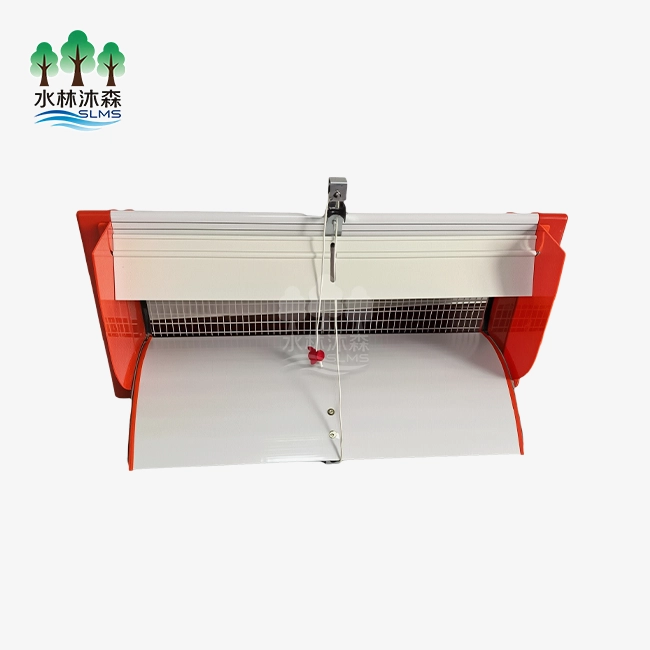
If you install a Chicken Coop Air Deflector correctly, your chicken facility will have good air flow and temperature control. These special aerodynamic parts move cold air that comes in along the roof, where it can mix with warm air before it reaches your birds. The deflector needs to be mounted in strategic places on the roof of your coop, the angle needs to be adjusted for optimal airflow patterns, and all the parts need to be securely fastened so they can withstand the weather while keeping precise air movement throughout your facility.


Understanding Chicken Coop Air Deflectors and Their Benefits
Using air deflectors is a completely new way to handle passive ventilation in modern chicken farms. These engineered parts use the Coanda Effect to guide incoming airflow along set lines, which makes sure that the temperature is the same throughout your building. Traditional airflow methods often cause drafts or changes in temperature that are bad for birds. Air deflectors, on the other hand, keep the environment stable, which has a direct effect on bird health and productivity.
The Science Behind Effective Air Circulation
The basic idea behind how air deflectors work is to change the path and speed of arriving air flows. Roof vents let cold air in, and that air tends to drop quickly. This creates temperature shock zones that make your birds nervous. This wind is stopped by a correctly placed deflector, which then sends it horizontally along the ceiling plane. This changes the flow of air so that the cold air can take heat from the higher parts of your coop before slowly falling. This creates a mixing process that is more gradual than sudden changes in temperature.
Agricultural engineering schools have done research that shows buildings that use air deflectors have 15-20% more even temperature spread than buildings that don't use them. This level of uniformity leads to better feed conversion rates, lower mortality, and better total flock success.
Tangible Benefits for Commercial Operations
Modern Chicken Coop Air Deflector systems give you measurable benefits that have a direct effect on how efficiently you run your business. Changes in temperature are cut down from 8 to 12 degrees Fahrenheit to just 3 to 5 degrees across the whole building, making temperature control a lot more accurate. This security gets rid of hot and cold spots that stress birds and hurt their health and production.
Controlling moisture is another important benefit. By encouraging proper air flow, deflectors help natural dehumidification processes that keep trash from getting too wet. Dry litter areas greatly lower the production of ammonia, which makes the air your flock breathes healthier and reduces the amount of work needed to handle the litter. Better mixing of warm air coming in and out makes the system more energy efficient. Facilities say their heating costs go down by 20 to 30 percent when they have to work in cold weather because the system makes the most of both artificial heating and the heat that the birds produce naturally.
Diagnosing Ventilation Issues in Chicken Coops
For a ventilation study to be useful, it needs to look at a number of environmental factors that show how well your current airflow control is working. By understanding these diagnostic signs, you can make smart choices about where to place the shield and how it should be set up.
Identifying Common Airflow Problems
A visual check shows right away if there are problems with airflow. Building up condensation on walls, ceilings, or equipment surfaces means that moisture isn't being removed properly and air flow isn't being improved. Strong ammonia smells in certain areas indicate patches of still air where dangerous gases build up instead of being properly sucked out.
Patterns of bird behavior can be used to make accurate diagnoses. Seeing a lot of birds in one place could mean that the temperature is changing, which makes the birds look for more warm areas inside your building. Respiratory problems, like coughing a lot or having trouble breathing, are often caused by bad air quality, which can be fixed by installing deflectors correctly. Using mobile tools to map the temperature shows how much thermal stratification there is in your coop. If you take measurements at bird level, mid-height, and roof level, the changes should be smooth instead of abrupt, which means the air masses aren't mixing well.
Strategic Assessment and Planning
A thorough analysis of your current air systems is the first step to a successful diverter installation. The deflector's efficiency is directly affected by where, how big, and how far apart the inlets are. Buildings with ventilation openings that are the right size and put along the sides usually do better than ones that don't have enough or the wrong placement of ventilation openings.
Measuring static pressure gives you numbers that show how well your air system is working. For the deflector to work properly, the water column must have a steady pressure of between 0.05 and 0.12 inches. If the value is outside this range, it means that the system needs to be adjusted before the shield is installed.
Step-by-Step Guide to Installing an Air Deflector on a Chicken Coop Roof
Professional placement of a Chicken Coop Air Deflector requires careful planning, exact measurements, and adherence to safety rules that ensure the device functions effectively from day one and remains reliable over time. The following comprehensive method addresses all technical requirements for a successful installation.
Pre-Installation Preparation and Safety Measures
The first step in getting a site ready is to carefully look over your roof structure and any air systems that are already there. Make sure that the roof frame can handle the extra weight of the deflector gear, especially where the mounting bolts will go. Standard diverter systems usually add 15 to 25 pounds per linear foot, which means the structure needs to be strong enough to hold them up. For roof work to be safe, workers must have the right fall protection gear, a stable ladder or platform system, and the right weather. When installing models with automatic opening mechanisms, electrical safety is very important. Only trained workers should connect the power and integrate the control system.
Material verification makes sure that the parts you got meet the requirements of your building. Standard sets come with the deflector screens, mounting frames, adjustment mechanisms, sealing materials, and all the hardware that is needed to put them together. When you place a custom order, you may be able to choose from different frame materials or sizes to meet your needs.
Detailed Installation Process
Procedures for measuring and writing set exact positions for the best airflow patterns. Place the deflectors 12 to 18 inches away from the corner inlets. The distance should be adjusted based on the width of your building and the distance you want the air to travel. Use chalk lines or temporary guides to mark the fixing points for a straight, level installation.
For mounting bracket connection, you need to drill pilot holes that are the right size for the type of bolt you are using. Corrosion problems that hurt long-term soundness can be avoided with stainless steel or galvanized screws. To make sure that the adjustment mechanisms work smoothly, the brackets must be level and lined up correctly.
When installing a panel, it's important to be careful not to damage the shield surfaces or adjustment parts. Most systems have flexible designs that let you change the angle between the fully closed and fully opened settings. Alignment is important for smooth operation and to avoid locking, which could damage the device over time.
Sealing and Final Adjustments
Weather sealing is an important step that keeps air from leaking out and keeps the system working well. When shield assemblies are attached to roof surfaces, waterproof joints are made with high-quality butyl tape or special sealants. Pay close attention to the end caps and the points where different deflector pieces join. For testing reasons, the initial sets for adjusting should put the deflectors at angles of about 30 to 45 degrees. This small hole lets you check the flow of air and gives you a range of adjustments in both directions based on how well it works. The final choices will depend on the time of year and the features of the building.
Comparing Air Deflectors with Other Ventilation Solutions
There are a lot of different ventilation technologies out there, and each one has its own set of pros and cons when it comes to managing airflow in chicken farms. By knowing about these options, you can make smart purchasing choices that meet the needs of your business and stay within your budget.
Passive vs. Active Ventilation Technologies
Chicken Coop Air Deflector systems are passive devices that don't need electricity to work. This makes them different from active ventilation solutions like circulation fans or automatic air controls. Facility managers have to think about important practical and financial issues because of this basic difference.
Active ventilation systems use digital control systems and fans that can change speeds to give you exact control over the amount and direction of airflow. These solutions work great in places where the setting needs to be changed quickly or where the weather is very wild. But they need to be powered by electricity all the time, have moving parts that need to be serviced regularly, and have complicated control systems that make them more difficult to use and cost more to run.
To control the flow of air, passive deflector devices use the building's natural circulation forces and the way it was built. Even though the controls don't respond as quickly, they work reliably, need very little upkeep, and use no energy when they're not being used, which goes beyond automated opening mechanisms.
Material Considerations and Durability
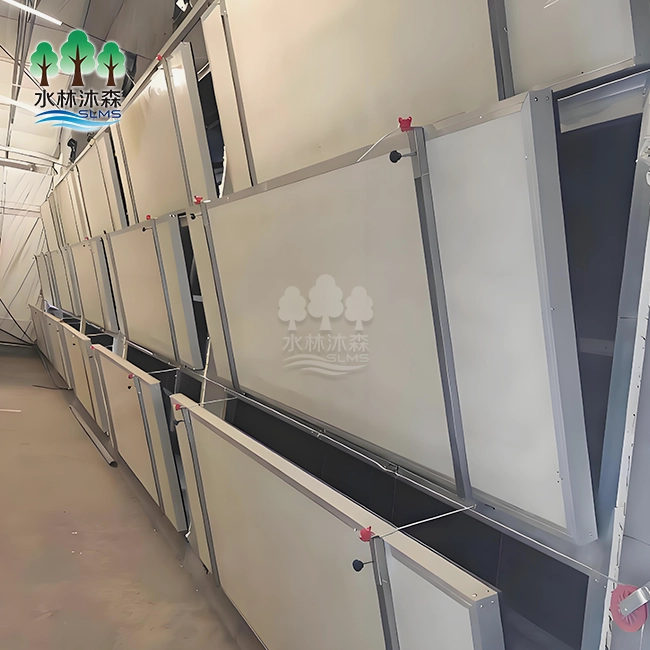
Modern designs for deflectors use high-tech materials made for use in farming settings. Fiberglass and nanofiberglass panels are very strong and long-lasting, but they are also very light, which makes them easier to install and lowers the load requirements for the structure. These materials don't break down easily when exposed to UV light, ammonia, or the changing temperatures that happen in chicken facilities.
Aluminum metal and stainless steel are two types of frame building that can be used. Each has its own benefits for different uses. Because aluminum is naturally resistant to rust and has a high strength-to-weight ratio, it can be used in most farming settings. Stainless steel frames last longer and are more resistant to corrosion in high-ammonia settings, which makes up for their higher original cost.
The normal thickness guideline of 5cm strikes the best mix between heat insulation and structural stability. This thickness stops thermal bridging and keeps the structure stiff enough to not bend under wind loads and changes in static pressure that happen in buildings with automatic ventilation.
Procurement and After-Sales Support for Chicken Coop Air Deflectors
To buy ventilation equipment successfully, you need to compare providers based on their technical know-how, the quality of their products, and their ability to provide full support services that ensure long-term operating success. By understanding these factors, you can choose partners who can provide value throughout the duration of the tools.
Supplier Evaluation and Selection Criteria
The manufacturing skills of a provider show whether they can meet your unique needs and deliver them within a reasonable amount of time. You should look for makers that have focused research and development teams, quality control systems, and enough production capacity to handle your order. Companies with 5+ professional engineers and well-established new product development programs show that they have the technical know-how to handle complex custom applications.
Being able to customize something is especially important for buildings that need to meet specific design or working needs. Flexible suppliers who offer fully customizable length and width specs, a range of frame materials, and different panel combinations are important for getting the best system performance. Quality assurance programs make sure that products always work well and are reliable. When manufacturers follow strict testing methods from choosing the raw materials to delivering the finished product, they make sure that the tools they make will last for a long time in heavy agricultural uses.
Technical Support and Service Excellence
Installation help has a big effect on the success of a project and on happy customers in the long run. Suppliers who offer installation videos, technical paperwork, and on-site installation services lower the risks of execution and make sure that everything is set up correctly for the best performance. This help is especially useful for setups that are hard to understand or for places that have special needs.
Warranty coverage shows that the company that made the product is confident in its quality and protects you from it breaking down too soon. Standard one-year guarantees cover flaws in the material and problems with the way it was made. For important uses that need extra security, you may be able to get longer coverage choices.
When work needs to be done, there is little downtime because parts are easy to get and technical help is quick to respond. Suppliers who keep spare parts in stock and respond quickly to technical questions are important for commercial chicken operations because they ensure working stability.
Conclusion
Putting in a Chicken Coop Air Deflector is a smart way to control the air in a building that will improve the health of the birds, save energy, and make the business run better. Installing something can be done by building maintenance teams or trained contractors with standard tools and safety gear. It does need careful planning and attention to detail, though. Assessment of current ventilation systems, careful positioning for best airflow patterns, and choice of high-quality equipment from reliable makers are all important for success. Long-term benefits like more even temperatures, less energy use, and better bird welfare make the investment worth it and help make chicken farming more environmentally friendly.
FAQ
Q1: What thickness options are available for chicken coop air deflectors?
A: Standard Chicken Coop Air Deflector units are 5cm thick, which is the best thickness for most uses when it comes to heat protection and structural stability. This standard can be changed to fit the needs of a particular building or to accommodate harsh weather. The 5cm standard strikes a good mix between weight and insulation performance, so it can be used for both new installs and retrofits.
Q2: Can air deflectors be installed without professional assistance?
A: Installation can be done by facility care teams with a lot of knowledge, the right safety gear, and basic building skills. Professional installation services are available, though, and are suggested for buildings with complicated layouts or that need electrical links for automatic opening mechanisms. Technical support and installation guides help make sure that everything is set up correctly, no matter who does it.
Q3: How do you identify if your coop needs better ventilation?
A: Condensation on surfaces, lingering ammonia smells, temperature changes of more than 5 degrees across the building, and respiratory symptoms in birds are all signs that ventilation isn't working well. Professional evaluation that uses temperature mapping and static pressure readings gives us numbers that help us decide what to do to make things better.
Q4: What maintenance requirements do air deflectors have?
A: Maintenance includes using high-pressure washing systems to clean things on a regular basis and checking the devices that make adjustments to make sure they work right. The lightweight design and long-lasting materials make upkeep less necessary. Most systems only need to be inspected thoroughly once a year and cleaned during facility breaks between flocks.
Partner with Shuilin Musen Aquaculture Equipment Co., Ltd. for Superior Ventilation Solutions
Our advanced Chicken Coop Air Deflector systems from Shuilin Musen Aquaculture Equipment Co., Ltd. are ready to change the way you control the air in your poultry plant. With eight years of experience developing agricultural equipment and a team of five professional engineers working hard, we can make sure you get carefully built solutions that meet your needs. We offer a wide range of customization choices, from frame materials made of aluminum alloy to stainless steel, and the sizes can be changed to fit your facility's needs. Our one-year warranty, on-site installation services, and expert help give businesses the dependability they need. Get in touch with us at wangshuaislms@gmail.com to talk about your air needs and find out why top poultry farms trust our Chicken Coop Air Deflector manufacturer solutions to boost output and bird welfare.
References
1. Agricultural Engineering Society. "Passive Ventilation Systems in Modern Poultry Housing: Design Principles and Performance Analysis." Journal of Agricultural Engineering Research, 2023.
2. Thompson, R.K. and Martinez, L.P. "Comparative Study of Air Deflector Systems in Commercial Broiler Facilities." Poultry Science and Technology Review, 2022.
3. National Poultry Equipment Association. "Guidelines for Installation and Maintenance of Ventilation Air Deflectors." Technical Manual Series, 2023.
4. Williams, J.E. "Energy Efficiency Improvements Through Strategic Airflow Management in Livestock Facilities." Agricultural Sustainability Quarterly, 2022.
5. Chen, H.L. and Anderson, K.M. "Material Selection and Durability Testing for Agricultural Ventilation Equipment." Materials Engineering in Agriculture, 2023.
6. International Association of Poultry Housing Engineers. "Best Practices for Roof-Mounted Ventilation Components in Commercial Poultry Operations." Industry Standards Handbook, 2023.
Learn about our latest products and discounts through SMS or email