How to install evaporative ventilation curtains in a poultry house?
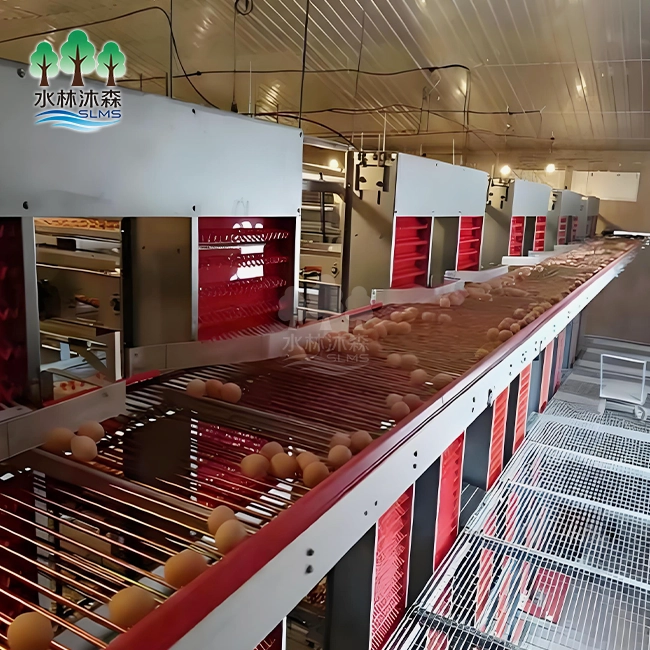
For a Chicken House Evaporative Ventilation Curtain to work, special cooling pad systems must be installed at air entry places, usually at one gable end of the chicken building. Exhaust fans must be placed at the other end to create tunnel ventilation. To do the process, frame structures must be attached to wall holes, cooling media must be properly fitted, water distribution systems must be connected, and control units must be built in so that the process can be done automatically. This installation completely changes how heat is managed in large chicken farms.


Understanding Evaporative Ventilation Curtains for Poultry Houses
Heat stress is still one of the biggest problems that modern chicken farms have to deal with. When the temperature outside goes above 30°C, broilers and layers have lower feed conversion ratios, lay fewer eggs, and die more often. Mechanical cooling systems from the past use too much electricity and need to be maintained all the time. We knew these problems existed years ago when we worked with farm managers who were trying to find a balance between the well-being of the birds and the costs of running the farm.
A thermodynamic concept that nature has used for thousands of years is what makes Chicken House Evaporative Ventilation Curtains work. As air from outside moves through cellulose pads that are filled with water, evaporation takes in heat from the air flow, lowering temperatures by 5 to 8°C in normal situations. This natural cooling method uses 80–90% less power than air conditioning that uses refrigerants. This makes it a good choice for businesses that care for 10,000 to over 100,000 birds.
Core Components and Their Functions
The system design is made up of three linked parts that work together. The main heat exchange surface is made up of high-molecular-weight cross-linked polyethylene cooling pads. These pads have curved designs that make the most contact area between air and water.
With a wave height of 7 mm and an angle of 45 degrees, the Model 7090 specs provide the best mix between cooling effectiveness and airflow resistance. The frame parts are made of a corrosion-resistant aluminum alloy or stainless steel. They keep the structure strong while being exposed to steady moisture and high levels of ammonia that are common in chicken settings.
The functioning triad is finished off with water movement systems. Submersible pumps bring water to pipes that are placed above the pads. This makes sure that the whole cooling surface is evenly saturated. When systems are properly built, they keep the pH of the water between 6 and 8 and include bleed-off devices to keep minerals from building up and lowering performance over time.
Performance Advantages for Large-Scale Operations
The benefits to operations go beyond just lowering the temperature. Wet screen systems catch dust, particles, and some pathogenic organisms in the air before they get into living areas. They do this by working like motorized filters. This ability to filter becomes especially useful in dry areas where dust presents long-term health risks to flocks' lungs.
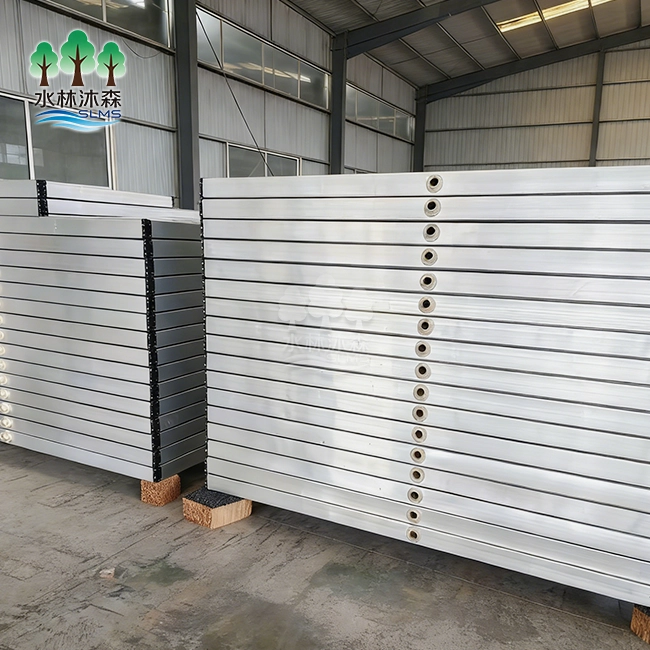
A big part of how long something lasts is material engineering. Our cooling pads are treated with a special phenolic glue that makes them very strong when they're wet and resistant to biological breakdown. While poorly made goods fall apart after just one production cycle, properly made pads stay strong for three to five years of constant use. The high absorbency—it can reach a water level of 60 to 70 mm in five minutes—ensures that evaporation cools quickly when temperatures rise.
Preparing for Installation: Key Considerations and Planning
Effective rollout starts weeks before the actual installation process starts. We work with site managers to measure the building, figure out how much wind is needed based on the number of items in stock, and look at the current ventilation system. During times of high heat, a normal broiler house with room for 25,000 birds needs 8 to 12 full air flows per hour. The cooling pad surface area and exhaust fan capacity needed to keep wind speeds between 1.5 and 2 meters per second through the Chicken House Evaporative Ventilation Curtain face are directly found by these figures.
Site Assessment and Measurement Protocol
Structural review finds the best places to put things. The location where the cooling curtain is installed must have enough space for the frame mounting brackets and the water supply pipes without getting in the way of birds or machine operation. To make sure the frame fits correctly and air doesn't leak around the edges of the curtain, wall spaces need to be precisely measured in both height and width. Any holes or cracks in the system make it less effective because they let warm air into the building.
Analysis of climate data guides the choice of thickness. In places that are very hot and dry, 20 cm thick pads that give longer cooling contact time are helpful for work. In moderate regions, 15 cm of thickness works well and keeps the static pressure drop smaller across the curtain face. This technical choice affects both the initial cost of materials and the amount of energy used by the fan in the long run.
Material Selection and Customization Options
Standard aluminum metal frames work well for most business uses and don't cost too much. They are very resistant to rust. For longer service life, operations that are exposed to particularly harsh weather conditions, like high levels of ammonia or salt water from the coast, may ask for building made of stainless steel. We offer both choices with the same installation options, so purchasing managers can find a balance between budget limits and the expected lifespan of the equipment.
Customizing the dimensions gets rid of installation compromises. We don't force standard sizes into non-standard holes; instead, we make curtain units based on the exact details that were given to us during the planning phase. The modular design lets you combine and connect things in a variety of ways, so it can work with different building plans and still keep the cooling performance the same.
Step-by-Step Guide to Installing Evaporative Ventilation Curtains
To meet the performance requirements of the design, physical installation of the Chicken House Evaporative Ventilation Curtain must be done in an organized way. During the whole process, safety rules are followed first and foremost to protect installation staff and uphold hygiene standards that protect the health of the flock.
Mounting Frame Installation
The support system sets the stage for long-term, reliable function. Technicians start by marking anchor points on the walls based on the frame's size. They use precise tools to make sure the walls are level. Galvanized fasteners rated for the predicted load plus a safety cushion are used to connect mounting brackets to solid wall parts, not just surface materials. When grounding isn't done right, the frame bends under the weight of the wind and water, damaging the pads and letting air escape.
Frame parts are put together according to the manufacturer's instructions. Corner joints need extra care to make sure they are straight. Even small changes in angle cause uneven pad sitting, which creates air pathways that skip over the evaporative media. We include full building instructions with every system, but many customers choose our on-site installation service to make sure the job is done right from the start.
Cooling Pad Placement and Securing
Pad modules slide into frame slots that are meant to hold the edges in place while still letting them be taken out for repair. For water to flow and drain properly, the curved structure needs to be set up correctly, with the flutes going vertically. When flutes are oriented horizontally, water pools and pads wear out faster than they should. Securing clips or retention bars stop the pad from moving when the fan is running and keep it from being compressed, which would lower its porosity.
Damage to the cellulose structure can be avoided by being careful with it at this time. Even though the material has a high wet strength, it can still be torn or crushed if it is treated incorrectly. Installation teams follow a set plan and make sure each part fits correctly before moving on to the next level.
Water Distribution System Connection
Distribution lines are placed horizontally above the top edge of the pad. They have holes or slots made in them at regular intervals so that water flows evenly across the width of the pad. The connection to the water supply line has shutoff valves for repair separation and pressure control to keep the system from getting too saturated. A water flow that is too high loses pumping energy and doesn't cool better, while a flow that is too low leaves dry spots that let hot air in without cooling the air.
At the bottom of the pad, drainage collection tubs are put down to catch and reuse extra water. The right slope makes sure that all the water drains back to the storage tank, stopping any standing water that could grow algae or other harmful organisms. As part of system setup, the water flow is checked across all pad areas to find and fix any problems with the distribution before the system goes live.
Integration with Ventilation Controls
Modern climate controls for poultry use temperature and humidity sensors carefully put throughout the living area to automatically run the curtain system. Water pump switches and, if needed, automatic curtain positioning devices are linked to the main controller by control wires. Programming sets temperature levels that make the pump work, which are usually two to three degrees below the goal temperature that is kept by the exhaust fans alone.
When sensors are placed correctly, they don't give false readings that cause the system to cycle in the wrong way. If sensors are placed too close to air intakes or exhaust ports, they might not give a true picture of the conditions inside the core building. We give expert advice on where to put sensors during installation plans to make sure that the climate control works well and is stable.
Post-Installation Care: Maintenance and Troubleshooting
Consistent repair plans that make equipment last longer while keeping its performance efficiency are needed for operational stability. Most common failures can be avoided with proactive care plans, which also cuts down on production interruptions and expensive emergency fixes for the Chicken House Evaporative Ventilation Curtain.
Routine Cleaning and Inspection Schedule
Visual checks done once a week find problems as they start to grow before they get worse. Technicians look at the sides of pads to see if they have mineral layers, algae growth, or other damage. Checks for water distribution consistency make sure that all pad areas get enough flow. Deep cleaning once a month with light acidic solutions made just for cellulose pad materials gets rid of the minerals that have built up. Harsh chlorine bleaches, which break down resin bonds and speed up wear and tear, are never used.
Every three months, the frame and fastening parts are inspected to make sure they are still in good shape and to tighten any bolts that have come loose due to vibration. Spots of corrosion on metal parts are treated right away to stop them from getting worse. According to the manufacturer's instructions, bearings on pump motors and impellers are oiled and electrical connections are checked every 500 hours of operation.
Common Issues and Troubleshooting Methods
Pad contamination or not enough water absorption are common causes of poor cooling performance. If the drop in temperature is less than what was predicted, the probe starts by checking the flow of water. If the distribution holes get clogged, they need to be cleaned. Checking the pump pressure can find problems with the circulation system. Mineral scale growth needs to be removed with chemicals or, in the worst cases, the pad needs to be replaced.
Biological smells mean that algae or bacteria have taken over the wet pad habitat. As part of the treatment, the system is drained, the pads are dried for 24 to 48 hours, and approved algaecides that are safe for chicken settings are used. To stop it from happening again, you need to set up regular dry-out processes and keep the water's chemicals in good shape.
Damage to the body, like tears, holes, or the fall of a structure, needs to be fixed right away. For small tears, temporary patches may work, but new parts are better for the long run. When damage is this bad, the whole pad needs to be replaced to get it back to how it should work. We keep a stock of popular sizes so that they can be sent out quickly and with as little downtime as possible when replacements are needed right away.
Our one-year warranty includes problems with the way the product was made and materials that don't work right. However, regular upkeep is still needed to get the full 3–5 years of expected service life. Installation guides and direct access to our engineering team are two technical support tools that can help you with more complicated problems.
Optimizing Energy Efficiency and Poultry Health with Evaporative Ventilation Curtains
Strategic operation of the Chicken House Evaporative Ventilation Curtain increases return on investment and improves the well-being of birds. When managers know how environmental factors affect system efficiency, they can get the most out of their cooling infrastructure.
Energy Consumption Analysis
Comparative studies show that a lot of power can be saved. A Georgian broiler with 50,000 birds cut its summer cooling costs by 62% when it switched from mechanical refrigeration to tunnel ventilation with evaporative curtains. The system only used the power needed for water movement pumps, which is usually between 0.75 and 1.5 kW. This is in contrast to the old freezer units, which used 45 kW. In similar projects we've worked on, payback times were usually between 14 and 18 months.
When the relative humidity of the air outside is low, which lets the most water evaporate, the system is most efficient. In many regions, the best times to be outside are in the morning and evening. In the middle of the afternoon, however, humidity levels may rise, making it harder to cool down. Automatic controls change the speeds of the fans and the flow rates of the water on the fly, so the system output matches the current situation without any help from a person.
Seasonal Operation Strategies
During the times between seasons, operations need to be changed. When it's cooler at night, blinds may need to be partially closed or water flow may need to be slowed down in the spring and fall to keep rooms from getting too cool. Modular curtain designs let you turn on or off only certain parts, so you can match capacity to demand instead of running whole systems when they're not needed.
During the winter, the curtains are usually closed all the way and protection covers are put over the pad media to keep drafts out. Some businesses in the north take off all of their pads during the winter to avoid damage from ice. Proper keeping in dry, safe places keeps the structure of the pad so it can be put back down during the next cooling season.
Poultry Welfare and Production Benefits
Stable temperature has a direct effect on performance measures. Layers that stay in their thermoneutral zone lay 8–12% more eggs than groups that are stressed by the heat. When temperatures stay below 26°C during important late-stage growth times, broilers grow 15–18% faster. These changes directly lead to higher profits that are much higher than the costs of running the cooling system.
Better respiratory health lowers the cost of medical care and the use of antibiotics. Wet curtain systems naturally filter out dust, which lowers the amount of particles in the air by 40–55%. This lowers the risk of getting pneumonia and increases the efficiency of feed conversion. Birds that are healthier need less medical care, which helps efforts to reduce the use of antibiotics while keeping flock output high.
Conclusion
Installing a Chicken House Evaporative Ventilation Curtain correctly requires careful planning, exact execution, and a commitment to ongoing upkeep. The technology has been shown to improve bird comfort, energy economy, and the ability to cool buildings. Understanding the unique needs of your building and working with experienced providers will help you create the best system and make sure it works well for a long time. We have helped with hundreds of setups in a wide range of temperatures and housing types, so every suggestion we make is based on real-world experience. Investing in good cooling equipment always pays off because it increases production efficiency and lowers running costs.
FAQ
What timeframe does typical installation require?
Standard installs in chicken coops that are already there take two to four days, based on the size and complexity of the building. Curtain systems are built into new construction projects while the buildings are being put together, which doesn't add much time to the overall construction plans. Our technical team works with general builders to speed up installation so that the building can be put into use as soon as possible.
Can existing ventilation systems integrate with evaporative curtains?
Most tunnel air systems are easy to change so that curtains can be added. Existing vent fans usually have enough power, and airflow studies show that they will work. To get the best wind speeds through curtain faces, older ventilation designs may need to have their fans upgraded. During the planning part, we evaluate the systems to see if any changes need to be made.
How does automation improve operational efficiency?
Automated settings get rid of the need to manually turn on the system, so it responds right away to changes in temperature even if staff isn't available. Programmable plans fit the cooling capacity to the changing trends of the day's temperatures. This keeps energy from going to waste when it's cooler. Data logging features keep track of how well the system is working, which helps with planning maintenance and fixing problems when they happen.
Partner with a Trusted Evaporative Cooling Curtain Supplier
Shuilin Musen Aquaculture Equipment Co., Ltd. offers full Chicken House Evaporative Ventilation Curtain solutions and has eight years of engineering experience in the field of temperature control systems for poultry. Our Model 7090 cooling curtains are made with high-absorbency cellulose media and frames made of aluminum alloy or stainless steel that can be customized.
These frames are made to prevent rust and last longer. We offer full installation support, including expert videos, on-site commissioning services, and a guarantee that covers all production flaws for one year. Our technical team creates custom setups that meet your exact needs, whether you run a 10,000-bird home farm or several 100,000-bird business sites. You can email us at wangshuaislms@gmail.com or visit slms-equipment.com to talk about your cooling needs and get full system offers. We help farming machinery distributors and farm building contractors by supplying them with reliable products and working with them on technical issues.
References
1. Donald, J. (2018). Poultry Housing Design and Environmental Control Principles. University of Georgia Cooperative Extension Service.
2. Czarick, M., & Lacy, M. (2020). Tunnel Ventilation and Evaporative Cooling Systems for Broiler Production. Auburn University Agricultural Experiment Station.
3. Yahav, S., Straschnow, A., & Plavnik, I. (2019). Temperature Management in Modern Poultry Production Systems. World's Poultry Science Journal, 75(2), 227-238.
4. Xiong, Y., Green, A., & Gates, R. (2017). Performance Evaluation of Evaporative Cooling Pad Materials for Poultry Housing. Transactions of the ASABE, 60(4), 1263-1273.
5. Liang, Y., Tabler, G. T., & Dridi, S. (2021). Heat Stress Mitigation Strategies in Commercial Poultry Production. Animal Nutrition, 7(3), 583-592.
6. Van Wicklen, G. L., & Baughman, G. R. (2016). Design and Operation of Tunnel-Ventilated Broiler Houses. Penn State Extension Agricultural Engineering Publication.
Learn about our latest products and discounts through SMS or email