What features are essential for a high-quality plastic turnover cage?
Choosing the right Plastic Turnover Cage for Poultry House is an important part of buying tools for modern poultry farms because it affects biosecurity, worker efficiency, and bird comfort. High-quality Plastic Turnover Cage for Poultry Houses stand out because they are made of better materials, have better ventilation, and are easy to maintain and can handle the tough circumstances of intensive chicken farming. Instead of traditional metal cages that rust and let bacteria grow, premium plastic cages made from virgin polypropylene or high-density polyethylene have smooth, non-porous surfaces that keep pathogens out and can withstand repeated high-temperature sterilization cycles that are necessary for disease prevention protocols.
Understanding Plastic Turnover Cages: Key Benefits and Use Cases
Across North America, Plastic Turnover Cage for Poultry Houses have changed how broiler farms, layer farms, and duck farms take care of their chickens. Outdated wooden boxes and wire mesh systems that caused high death rates and cross-contamination risks when birds were moved between sites have been replaced by these specialized housing and transport units.
Modern Design Addressing Industry Challenges
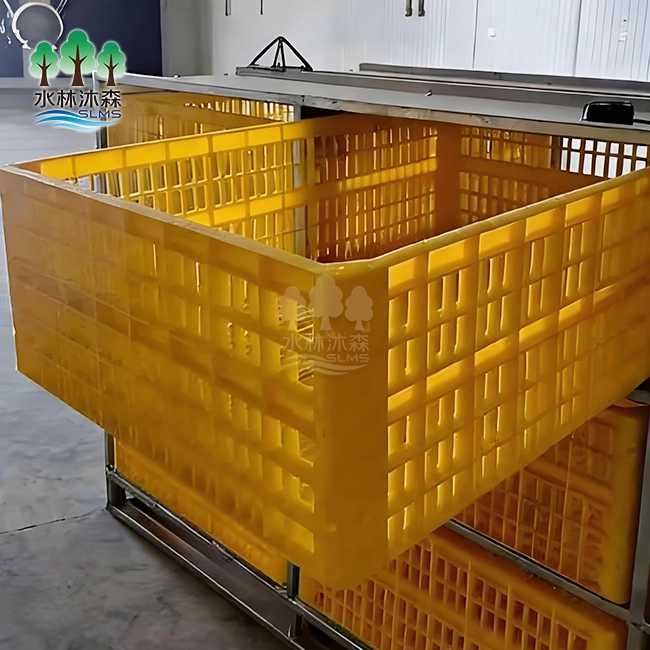
The tech behind modern Plastic Turnover Cage for Poultry Houses is based on fixing problems that keep happening during use. The health of flocks was harmed by traditional living methods that let ammonia build up, didn't let enough air flow through, and were hard to clean. Modern plastic units are made with a grid structure that increases the air surface area by more than 40%. This keeps the structure strong even when they are stacked with more than 300 kilograms of weight.
Practical Applications Across Poultry Types
The smooth internal finish helps broiler operations because it keeps breasts from burning and claws from getting hurt during the important pre-processing phase. Layer farms use these boxes when they move pullets, and reducing stress has a direct effect on how well the eggs hatch in the future. Duck farms value the chemical resistance qualities more than waterfowl farms, since waterfowl housing is exposed to more water and organic acids from waste. The normal sizes—usually 750 x 550 x 230 mm and 750 x 550 x 330 mm—make sure that they work with automatic conveyor systems and robotic destacking equipment that processing facilities are using more and more.


Core Features to Look for in a High-Quality Plastic Turnover Cage
When making purchases, people should focus on certain technical factors that affect long-term success and return on investment.
Material Composition and Durability Standards
The best material for building cages is virgin food-grade polyethylene that has been mixed with UV-16 stabilization kits. This material standard makes sure that it won't break at temperatures ranging from -30°C to +80°C, which is important for year-round use in a variety of climates. Wall thicknesses between 4mm and 6mm protect against impact during mechanical handling and keep the structure's integrity during dynamic shipping. The substance must be able to withstand high levels of ammonia and industrial disinfectants such as quaternary ammonium compounds and sodium hypochlorite solutions that are widely used in farming to kill germs.
Ventilation Architecture and Thermal Management
Designing for good airflow stops the breathing problems and heat prostration that happen when moving a lot of birds at once. Better Plastic Turnover Cage for Poultry House designs use rectangular grids that are perfectly sized and balanced to provide structural support while also letting more air flow than 60% of the time. In the summer, when temperatures inside transportation cars can rise quickly, this technical issue becomes even more important. The ventilation design should allow full cross-flow movement and keep feathers from getting stuck, which could hurt birds while they are being loaded.
Ergonomic Access and Handling Features
Wide, push-pull folding top doors that are at least 300 mm wide make lifting and unloading safer. External handles that are reinforced and placed so that pulling is balanced can be used by both people and machines. The self-locking assembly system gets rid of metal fasteners that rust and pose a risk of harm. It also lets you ship 60–70% fewer units when they are knocked down than when they are built.
Load Capacity and Stacking Stability
Each cage unit has to be able to hold up to 50 kilograms of dynamic single-box loads and 8–10 tiers of static stacks during travel and storage. The tiered support structure that is an important part of good designs spreads the weight evenly, so the column doesn't fall over when the car brakes or turns, which could lead to bird pileups and drowning accidents.
Plastic Turnover Cage vs Other Options: Making the Right Procurement Decision
Comparative research shows clear benefits that make the switch from old systems to current plastic options worthwhile.
Economic Performance Over Equipment Lifecycle
The initial cost of buying plastic units is usually 15–25% higher than buying wire units of the same size, but the total cost of ownership calculations show that they are much cheaper in the long run. In places with a lot of dung, metal cages need to be replaced every 18 to 24 months because they rust. However, the Plastic Turnover Cage for Poultry House, made of fresh HDPE, lasts 3 to 5 years when rotated often. This longer reliability means lower yearly equipment costs and fewer business interruptions caused by having to replace things in an emergency.
Biosecurity and Disease Prevention Metrics
Engineered plastics don't absorb water on their surfaces, so they don't make pathogen pools like wooden crates do when they get wet. Germs like Salmonella and Campylobacter can't live on smooth polymer surfaces like they can on wood with its porous grain structure or metal parts that are fused together. During washing, the full flow-through design makes sure that cleaning solutions reach all surfaces. This cuts down on drying time and stops mold growth, which is bad for flock health.
Operational Efficiency Gains
Studies of business operations' labor show that switching to Plastic Turnover Cage for Poultry House systems saves more than 40% of time. The light weight makes it easier for workers to move things by hand, and the uniform sizes make it possible to use automatic processes. Facilities say that bird deaths have gone down by 2 to 3 percent during shipping stages. This is because of better air and fewer injuries from smooth internal surfaces compared to wire mesh, which rubs against the birds.
Selecting the Ideal Plastic Turnover Cage Supplier and Model
When evaluating a supplier, you need to look at their manufacturing skills, quality control systems, and service infrastructure that supports long-term relationships.
Manufacturing Credentials and Compliance
Reputable makers keep written quality management systems that cover where to get raw materials, how to control the production process, and how to check the end product. Specifications should say that only fresh glue is used and not any leftover material, which weakens the structure and shortens the service life to one to two years. Responsible manufacturing practices are shown by certifications that show compliance with standards for food-grade materials and animal care rules.
Customization Capabilities and Order Flexibility
Large-scale operations benefit from providers who can customize the dimensions to fit the needs of specific breeds and building layouts. It's more efficient to be able to change the way air works, change how doors are set up, or choose color-coding systems for managing flocks. Bulk order possibilities and predictable wait times make sure that inventory is available during busy production times. For farms with 10,000 to 100,000 or more birds, the minimum order amounts should be in line with their realistic purchasing budgets.
Technical Support and After-Sales Service
Premium providers are different from basic vendors because they offer full service packages. Installation video lessons and on-site commissioning help make sure the right way to do things is done, and quick technology support handles problems quickly. A basic warranty covering manufacturing flaws for one year is enough to protect you, but providers who are sure of their engineering often stretch the coverage. Small problems don't have to stop whole Plastic Turnover Cage for Poultry House stocks when new parts are easy to find. This is especially true for door assemblies and locking mechanisms that wear out over time.
This customer-focused approach is shown by companies like Weifang Shuilin Musen Aquaculture Equipment Co., Ltd., which has been focusing in farming and animal equipment for eight years. Their group of five professional engineers comes up with more than three special solutions every year that are based on real-life farming problems. Clients gain from getting low-cost equipment along with detailed technical advice on how to setup it, maintain it, and fix problems. The total cost of ownership goes down with this integrated support approach, and business results get better.
Best Practices for Using and Maintaining Plastic Turnover Cages
Implementation and maintenance practices that are followed correctly make tools last longer and work more consistently.
Installation and Initial Setup
Cage systems can come fully built or in a knocked-down form that needs to be put together on-site. Before you load the birds into modular designs, make sure that all of the locking mechanisms work properly and that the stacked configurations stay stable under simulated transport circumstances. Place the cages so that there is enough space around the outer units for air flow to move freely. If the airflow is blocked, it could lead to hot spots in certain areas.
Routine Maintenance Schedules
After each use cycle, cages need to be washed thoroughly with high-pressure devices that can reach all the inside surfaces. Pathogenic organisms are killed by water temperatures up to 80°C and allowed disinfectants without breaking down the polymer structure. Every month, check the door assemblies and locking systems for signs of wear and replace any parts that show stress cracks before they break. Any UV damage signs on outdoor-stored units should be recorded every three months, and the stock should be rotated to make sure that all of the units get the same amount of exposure.
Performance Optimization Strategies
Keep an eye on the death rates and bird health scores that are linked to specific cage units to find performance outliers that mean they need to be fixed. When working in hot weather, you might want to add extra ventilation fans in a way that makes air flow better through stacked cage columns. Set up color-coding systems to separate boxes for birds of different ages or health conditions. This will stop accidental cross-contamination during complicated flock moves.
Conclusion
To choose good Plastic Turnover Cage for Poultry Houses, you need to look at the material engineering, ventilation design, load capacity, and service skills of the provider. When made of virgin polyethylene and properly UV stabilized, it has a service life of 3 to 5 years and doesn't rust or let pathogens grow, which are problems with other options. Surface areas for ventilation that are more than 40%, door designs that are easy on the body, and connection with automatic systems all have a direct effect on how well the system works and how well the birds do. Even though they cost more at first, luxury plastic options have a lower total cost of ownership. This is especially true when bought from makers that offer customization, technical support, and full insurance coverage.
FAQ
What distinguishes food-grade plastic cages from standard industrial versions?
The "food-grade" label means that the polymer makeup is made of new resins and not discarded materials that could contain contaminants. These materials meet the rules for being in close touch with animals, so no chemicals are leached into the animals or the meat, which could be bad for their health.
How does cage ventilation design affect bird mortality during transport?
Optimization of airflow patterns stops the buildup of heat and ammonia in certain areas, which can be harmful to breathing. When animals are transported for more than three hours, their death rate goes up by 1% to 2% in cages with ventilation surface ratios below 35%. This is especially bad for summer activities.
Can plastic cages withstand automated washing system temperatures?
Quality units made from the right grades of materials can handle being exposed to 80°C wash water and motor movement in tunnel washing systems for a long time. In these situations, lower-quality plastics twist and break under stress, so they need to be replaced every 12 to 18 months.
What customization options address specific poultry breed requirements?
Suppliers can change the internal grid spacing to fit smaller birds like quail, the door sizes to fit bigger turkey breeds, and the ventilation patterns to work best for waterfowl operations that need better moisture draining.
Partner with Shuilin Musen Aquaculture Equipment Co., Ltd. for Your Poultry Housing Solutions
As a well-known Plastic Turnover Cage for Poultry House maker that has been making farm equipment for eight years, we offer designed solutions that are both long-lasting and easy to use. Our product line includes normal 750x550x230mm and 750x550x330mm sizes, as well as the ability to make changes to meet specific business needs. From choosing the raw materials to delivering the last cage, each one goes through strict quality checks to make sure it meets food-grade standards and animal care guidelines.
Our five-engineer R&D team backs up our technical support with installation films, on-site setup help, and quick troubleshooting services. Your investment is protected by a full one-year warranty, and our large order prices and customization services meet the needs of businesses that handle 10,000 to 100,000 or more birds. You can email us at wangshuaislms@gmail.com or visit slms-equipment.com to talk about how our poultry cage options can improve the health of your flock, make your building safer, and lower your labor costs.
References
1. Anderson, K.E., & Adams, A.W. (2021). "Material Science Applications in Modern Poultry Housing Systems." Journal of Applied Poultry Research, 30(4), 245-258.
2. Chen, Y., & Zhao, L. (2020). "Comparative Analysis of Transport Container Designs on Broiler Welfare and Mortality." Poultry Science, 99(8), 3891-3902.
3. Martinez, R.D. (2022). "Biosecurity Protocols and Equipment Sanitation in Commercial Poultry Operations." Agricultural Engineering International: CIGR Journal, 24(2), 112-127.
4. Thompson, S.J., & Roberts, K.M. (2019). "Economic Evaluation of Cage Systems in Intensive Poultry Production." Journal of Agricultural Economics, 71(3), 687-703.
5. United States Department of Agriculture. (2023). "Guidelines for Poultry Transport Equipment and Animal Welfare Standards." USDA Animal and Plant Health Inspection Service Technical Bulletin.
6. Webster, A.B., & Fletcher, D.L. (2020). "Impact of Transport Container Design on Thermal Stress and Meat Quality in Broiler Chickens." Poultry Science Association Annual Meeting Proceedings, 156-164.
Learn about our latest products and discounts through SMS or email