How to select the right drive motor for a poultry breeding house?
Selecting the appropriate drive motor for your poultry breeding operation directly impacts flock health, operational costs, and automation efficiency. A well-chosen Poultry House Breeding Drive Motor serves as the backbone of environmental control systems, powering ventilation inlets, feeding line winches, curtain actuators, and egg collection mechanisms. This specialized equipment must withstand harsh conditions including high humidity, ammonia exposure, and constant dust while delivering precise, reliable movement. Understanding the technical specifications, application demands, and supplier capabilities ensures your investment supports long-term productivity and animal welfare.


Comprehending Poultry House Breeding Drive Motors
What Makes These Motors Different from Standard Industrial Motors?
Drive motors made for chicken coops have to deal with environmental issues that regular industrial motors can't. High amounts of ammonia from waste, long-lasting moisture from proper cleaning, and dust from feed and bedding materials are all in the air inside a breeding center. Under these conditions, rust happens faster and normal motor parts break down within months.
Specialized drive motors, such as the Poultry House Breeding Drive Motor, have cases that are labeled IP55 or IP66, which means they can handle high-pressure water jets during cleaning and keep dust out. Die-cast aluminum metal or treated cast iron with anti-corrosive finishes are often used to build the housing. Class F or H insulation materials are used inside parts to keep heat from building up and stop chemicals from breaking down. This engineering lets it work continuously in ranges from -20°C to +60°C, so it can keep working even when the weather is bad and normal motors would break down.
Core Operational Functions in Automated Poultry Systems
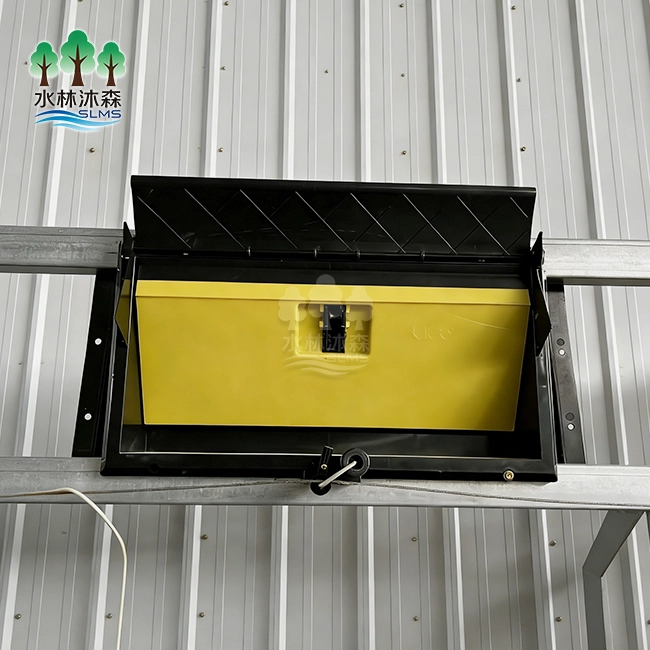
Critical infrastructure that affects bird health and output measures is controlled by drive motors. In ventilation systems, these motors change the corner inlets and ceiling vents by millimeters based on static pressure sensors. This makes sure that the air moves at the right speed without making drafts that cool young birds or still areas that build up heat. This accuracy has a direct effect on feed conversion rates, since birds that are worried eat more food but gain less weight.
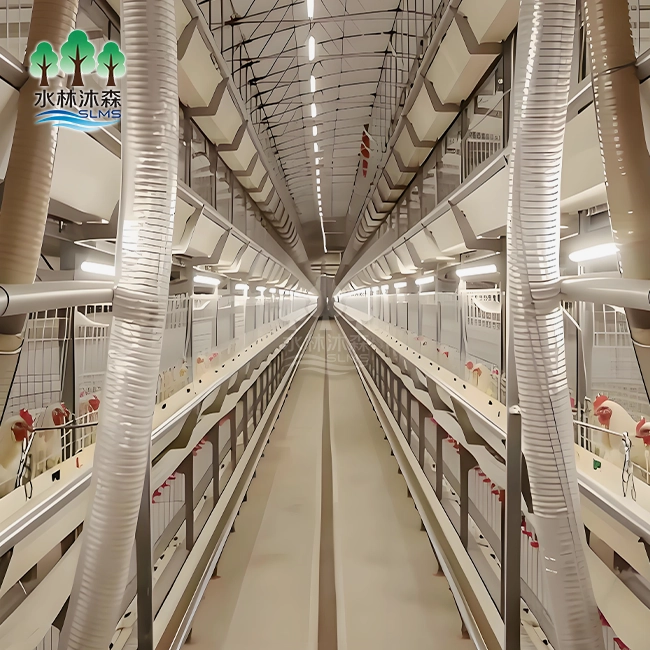
Automating the feeding and watering lines is another important use. As birds get bigger, motors with winch systems raise and lower the feed lines to keep them at the best height for eating. During cleaning times between groups, these same motors pull the equipment back to the ceiling so that it can be disinfected without any problems. The self-locking brakes keep the line from dropping by mistake, which could hurt birds or break equipment. Low-noise motors are also needed for egg collection lines and nesting box systems to keep stress levels low, which affects the number of eggs laid.
Technical Parameters That Define Performance
Power levels for chicken houses are usually between 0.75KW and 3KW, which is enough torque for heavy feed line loads and ventilation curtains. The ratio of the gears, which is usually between 3:1 and 50:1, controls the balance between speed and pulling force. High-torque setups are best for tasks that need strong, slow movement, like opening a tunnel door. Moderate ratios, on the other hand, are better for quickly adjusting the entrance to deal with changes in temperature.
Modern drive motors, including the Poultry House Breeding Drive Motor, have control units built in that can take inputs from environmental controllers. This lets temperature, humidity, and carbon dioxide monitors respond automatically. With variable speed, changes can happen more slowly instead of all at once, which lowers motor stress and energy use. Overload protections, trip limit switches, and emergency stop functions are some of the safety features that keep damage from mechanical jams or electrical problems at bay. These safety features make equipment last longer and cut down on downtime during busy work times.
Key Criteria for Selecting the Right Drive Motor
Assessing Your Operational Requirements and Load Calculations
Figure out the exact load needs for your purpose before looking at different motor models. When wind resistance is taken into account, ventilation screens in big tube houses can weigh several hundred pounds. Add 20 to 30 percent to the real weight of the tools to account for friction, problems with alignment, and resistance that you didn't expect. To use a winch, you need to think about both the static weight and the dynamic load of the feed lines when they are full of feed and moving.
Environmental factors unique to your area also affect the choice of motor. When working in places where temperatures change a lot, you need motors that can handle a wider range of temperatures and have thermal safety. Facilities near the coast are more likely to rust because of the salt air, so they need better protective coats. Buildings that use pressure washers for harsh cleaning plans need higher IP ratings than dry cleaning businesses. Keeping track of these unique conditions helps providers suggest the right setups instead of general solutions.
Comparing Control Performance and Integration Capabilities
Modern chicken farms can get a lot out of motors that work well with their current robotic systems. Variable frequency drives let you precisely control the speed, which lets you make gradual changes to the air that keep birds from getting too cold. Outdoor temps change quickly during the day, so this feature comes in very handy during the summer seasons. Motors with potentiometer feedback send information about their position to central computers. This lets automated calibration and fixing happen.
How easy it is for motors to work with your farm management software depends on how well they can communicate with each other. Standard methods like Modbus or CANbus make it easier to connect motors to systems from more than one source, which is common in big operations. In stand-alone activities, motors with easy relay control may be given priority. This makes things simpler and lowers the cost of installation. Check to see if your business needs online monitoring. Motors that are tied to the internet allow for troubleshooting and performance tracking from afar, which cuts down on service calls and downtime.
Durability Standards and Protection Features
The tough setting in a chicken coop calls for stronger safety features than what's normally found in motors. For a Poultry House Breeding Drive Motor, thermal overload protection stops the machine from burning out when there are mechanical jams or power fluctuations by shutting it down automatically before any lasting damage happens. When curtains or inlets reach their fully open or closed states, travel limit switches stop the motor from running at certain ends. This keeps equipment from colliding and prevents damage to the structure.
Moisture resistance goes beyond sealed areas and includes drainage holes that keep water from building up inside the motor case. Good units have breather holes with desiccant filters that keep the pressure inside the unit even while stopping water from getting in. Shaft seals are made of materials that don't break down when exposed to ammonia. This keeps the internal grease from getting dirty. These design factors together decide whether a motor works regularly for five years or needs to be replaced within eighteen months, which has a huge impact on the total cost of ownership.
Maintenance, Troubleshooting, and Longevity of Drive Motors
Establishing Preventative Maintenance Protocols
Regular repair plans greatly increase the life of motors and keep them from breaking down at crucial times during production. Visual checks should be done once a month to look for strange vibrations, noises, and too much heat while the machine is running. Cleaning the outside gets rid of dust and manure that have built up and are trapping water against the frame, which speeds up rusting. Electrical connections are checked every three months for signs of burning or looseness that can cause power drops and resistance.
Different types of motors need different amounts of lubrication. For example, sealed units don't need any upkeep, but external gears on other motors do need to be greased every so often. In their technical documentation, manufacturers usually include thorough maintenance plans that list the types of lubricants to use and how much to use. By following these suggestions, you can keep gear teeth and bearings from wearing out too quickly, which could cause a catastrophic failure. Recording maintenance tasks makes historical records that can be used for warranty claims and helps find trends when problems happen in more than one unit at the same time.
Diagnosing Common Operational Problems
Systematic fixing quickly finds the root causes of motors that don't work right. Overheating usually happens because there isn't enough air flow around where the motor is installed, there is too much load from equipment that isn't lined up right, or there are problems with the power source. By checking the real voltage at the motor terminals while it's running, you can see if the power source meets requirements and if there is too much voltage drop in the distribution system. Thermal image cameras find hot spots that mean bearings or windings are breaking before they completely break.
Strange noise patterns are a sign of specific technical problems that need different fixes. Grinding sounds mean that a bearing is failing and needs to be replaced right away to keep the shaft from getting damaged. When a belt-driven system starts making noises, it means that the belt is slipping or the clutch is wearing out. Intermittent operation with clicking relays is a sign of problems with the control circuit, not with the motor. Understanding these diagnostic signs cuts down on the time needed to fix problems and keeps working motors from having to be replaced when symptoms are caused by problems outside the motor.
Installation Best Practices to Prevent Early Failure
A motor will last a long time and work reliably if it is installed correctly. For a Poultry House Breeding Drive Motor, when something is mounted, the surface must be rigid and not bend when it's loaded, because any movement will throw off the line of the motor output and the equipment it drives. Angle accuracy must be within 1-2 degrees for alignment tolerances to be met so that shafts don't have to handle too much side loads and bearings don't wear out too quickly. Specifications are met during installation when alignment tools are used instead of guessing by looking.
When making electrical connections, you need to pay attention to power compatibility, wire length, and grounding. Motors that use specific voltages need to be able to connect to your building's electrical service. If they can't, the motors will not work as well and will break down sooner. The length of the run from the control panel must be taken into account when sizing the wires. If the conductors are too small, the voltage drops, which stops the motors from producing their maximum power. By grounding, you protect workers from getting shocked and give fault currents a way to quickly trip safety devices. Suppliers offer professional installation services that get rid of these risks and make sure systems work right from the start.
Energy Efficiency and Cost Considerations in Motor Selection
Comparing Fixed Speed versus Variable Speed Drive Economics
Variable speed drive motors cost more to buy at first than fixed speed motors, but they save a lot of money in the long run because they use less energy. Fixed speed motors run at full power no matter what the load is, which wastes electricity when the load is only partially applied, which is most of the time. Variable frequency drives change the speed of the motor to match the demand at any given time, using only the energy that is needed at that moment.
To figure out the return on investment, you need to look at the total runtime hours and the cost of energy in your area. Energy costs add up quickly in businesses that use air systems 24 hours a day, seven days a week. This makes improvements in efficiency very valuable. When compared to fixed speed setups with the same capacity, a properly sized variable speed system usually uses 30 to 50 percent less energy. At industrial energy rates, these savings usually cover the cost of the extra equipment within 18 to 24 months, and the motor keeps saving money as long as it is in use.
Strategic Procurement Approaches for Cost Optimization
Strategic buying methods lower unit costs and ensure reliable supply lines, which is good for large-scale operations. Building relationships with trustworthy providers lets you get savings on large orders, which can have a big effect on project budgets when multiple buildings need to be equipped. Customization services from suppliers can help you get the best motor specifications for your needs by getting rid of features that aren't needed or add value but cost money while still making sure that important features are included.
Payment terms and how things are delivered affect project timelines and cash flow. During growth projects, less working capital is needed when suppliers offer flexible payment plans that are in line with building goals. Reliable delivery performance makes sure that motors get to where they need to go on time, without causing costly delays in building or the need for expensive fast shipping. When you look at suppliers based on these practical factors instead of just unit price, you can find partners who will help you finish the project successfully instead of just giving the cheapest parts.
Brand and Supplier Evaluation for Poultry House Drive Motors
Verifying Manufacturer Credentials and Product Quality
By choosing a respected maker, you can be sure of the quality of the product and the availability of long-term support. Companies with a long history of operations show that they can last, which saves your investment in a Poultry House Breeding Drive Motor by making sure that parts are always available and that they offer technical help. Weifang Shuilin Musen Aquaculture Equipment Co., Ltd. has been making farming and cattle equipment for eight years and shows this dedication by constantly developing new products and checking the quality of all of their products, from the raw materials to the finished ones.
The ability to manufacture has a direct effect on how consistent the product is and how it can be customized. Suppliers with focused research and development teams, like Shuilin Musen's five professional engineers, are always making goods better based on data from the field and new needs in the industry. More than three new goods are made every year because of this ongoing development. This makes sure that people can get options that use the newest technology instead of old designs. Before goods are shipped, they are put through a series of tests that make sure they meet all the requirements. These tests include electrical performance, mechanical endurance, and weather resistance.
Evaluating After-Sales Support and Service Networks
Quality goods don't need much service, but skilled support is very helpful when problems appear or when there are chances to improve things. Suppliers who give expert support help customers choose the right configurations when they first buy something and help them fix problems when it's in use. Support for installation through thorough video lessons or on-site service makes sure that everything is set up correctly and stops problems from happening early because of installation mistakes. Shuilin Musen meets the needs of customers with a range of technical skill levels by offering both installation guides and on-site installation service.
The warranty terms show that the company is sure the product will last and wants the customer to be happy. Shuilin Musen's one-year comprehensive warranties protect buyers from flaws and early failures without having to go through complicated claim processes that take time to resolve. By looking at the warranty's exclusions, you can find possible covering gaps, like damage caused by bad fitting or not doing the maintenance that was suggested. Knowing these terms before you buy keeps you from having to deal with problems when you need service, and it also helps you set up the right repair procedures.
Building Long-Term Supplier Partnerships
Strategic relationships with suppliers offer benefits beyond just one transaction. These benefits include the ability to customize, get faster help, and negotiate better prices. Shuilin Musen is one of the suppliers that is ready to customize goods based on unique operating needs. This makes optimization possible that wouldn't be possible with off-the-shelf solutions. This could include changing the gear ratios to fit different load patterns, setting up the voltage differently, or using special coatings for harsh conditions.
Communication access and response are what set great providers apart from average ones. Direct touch with expert staff who understand the problems that come with raising chickens makes it easier to solve problems quickly and without having to go back and forth between departments, which can be annoying. Email names like wangshuaislms@gmail.com allow for written conversation that can be used as a guide during difficult problem-solving or the creation of a custom product. By building these relationships before they are needed, you can be sure that help will be available when time-sensitive problems affect production.
Conclusion
If you want to breed chickens, you need to find the right drive motor by weighing technical specs, environmental needs, and long-term costs. To choose the right Poultry House Breeding Drive Motor, you must first accurately evaluate the load needs and the environmental factors at your location. Putting durability features like IP ratings that are right, construction that doesn't rust, and full safety systems at the top of the list makes sure that the device will work reliably in harsh chicken house circumstances. Variable speed choices that use less energy save a lot of money over time, which justifies the higher starting cost. When you work with well-known makers that offer full support, customization options, and good warranty coverage, you can protect your investment and find ways to make it better as your business grows.
FAQ
Q1: What is the typical operational lifespan of a poultry house drive motor?
A: Quality Poultry House Breeding Drive Motor units that are designed to work in poultry settings usually work well for 5 to 7 years under normal conditions and with regular upkeep. Lifespan changes depending on how often it is used, how harsh the climate is, and how well it is taken care of according to the manufacturer's instructions.
Q2: Can I upgrade existing manual systems with automated drive motors?
A: In most cases, it is possible to retrofit traditional systems with automatic drive motors, which saves a lot of work. To make updates work, you need to look at the existing infrastructure to make sure there is enough support for the motor and to make sure that the motor output mechanisms will work with the current curtain rails or winch systems.
Q3: What safety certifications should I look for when purchasing?
A: Manufacturers with a good reputation make sure their products meet the electrical and mechanical safety standards for farm tools. Look for motors that meet the electricity standards set by NEMA or IEC for your area. Thermal protection approval makes sure that motors have safety features that keep them from catching fire when they're overloaded. Certification with an IP number shows that the cover is effective at keeping out water and dust.
Get Started with Shuilin Musen Aquaculture Equipment Co., Ltd.
Shuilin Musen Aquaculture Equipment Co., Ltd. has eight years of experience in making machines for farming and raising animals, and they can help you with the problems you're having with your chicken business. Our dedicated team of five engineers is always coming up with new ideas that work in real-world production settings. Each year, they release more than three new goods. As a full-service Poultry House Breeding Drive Motor manufacturer, we offer solutions that can be tailored to your needs. Our motors range from 0.75KW to 3KW and are made of durable cast iron and copper. They are built for tough poultry uses.
When compared to standard ways, our drive motors cut costs by over 40%. They work perfectly with automatic feeding systems, ventilation control, manure removal equipment, and egg collection conveyors. Each unit has overheat safety, trip limits, and an emergency stop button that make sure it works safely and reliably. We want you to be successful, so we offer clear installation videos, on-site installation services, and one-year contracts with helpful technical support. You can email our team at wangshuaislms@gmail.com or visit slms-equipment.com to talk about your specific needs and get a quote that fits the automation needs of your building.
References
1. Beker, A., & Vanhooser, S. L. (2019). Environmental Control Systems in Poultry Housing: Impact on Production Efficiency. Poultry Science Association, North Carolina State University.
2. Donald, J. (2018). Ventilation System Design for Modern Poultry Facilities. University of Georgia Cooperative Extension, Athens, GA.
3. Lacy, M. P. (2020). Automation Technologies in Commercial Poultry Production. American Society of Agricultural and Biological Engineers, Technical Paper Series.
4. Reed, S., & Clark, F. D. (2021). Energy Efficiency in Livestock Housing: Motor Selection and Variable Frequency Drive Applications. Agricultural Engineering International Journal, Volume 23, Issue 2.
5. Simmons, J. D., Lott, B. D., & May, J. D. (2017). The Effect of Environmental Control on Broiler Performance and Profitability. Journal of Applied Poultry Research, Volume 26, Pages 187-195.
6. Purswell, J. L., & Olanrewaju, H. A. (2022). Precision Environmental Control Systems for Poultry: Equipment Considerations and Performance Optimization. Mississippi State University Extension Service, Publication 3042.
Learn about our latest products and discounts through SMS or email