How to troubleshoot common issues with water curtain ventilation in chicken coops?
Keeping the environment in good shape can mean the difference between making money and losing money when running a big chicken plant. To fix common problems with your Chicken Coop Ventilation Water Curtain, you should carefully check the water distribution lines, look for clogged pads, make sure the pump works, and make sure there is enough airflow through the evaporative cooling system. Diagnostics that are done correctly save time and keep your group from getting too hot, so every farm manager needs to know how to do them well.


Understanding Water Curtain Ventilation Systems in Chicken Coops
The way we control the temperature in modern chicken coops has changed because of evaporative cooling pads. Hot air is sent through curved cellulose panels that are filled with water. This causes the panels to evaporate quickly, absorbing heat from the airstream. The cool air then moves through your building, keeping it comfy even during the hottest parts of summer.
How Evaporative Cooling Differs from Traditional Ventilation?
Evaporative cooling actively lowers air temperature by 5 to 8°C in dry areas, while standard fan systems just move air around without changing the temperature. This difference is very important when raising broilers or layers in places that get very hot. When you put negative pressure fans and wet pads together, they make a tunnel effect that cools your whole process evenly. Evaporative cooling is much cheaper than air conditioning and can successfully cool thousands of square feet. Air conditioning systems use a lot of power.
Core Components of an Effective System
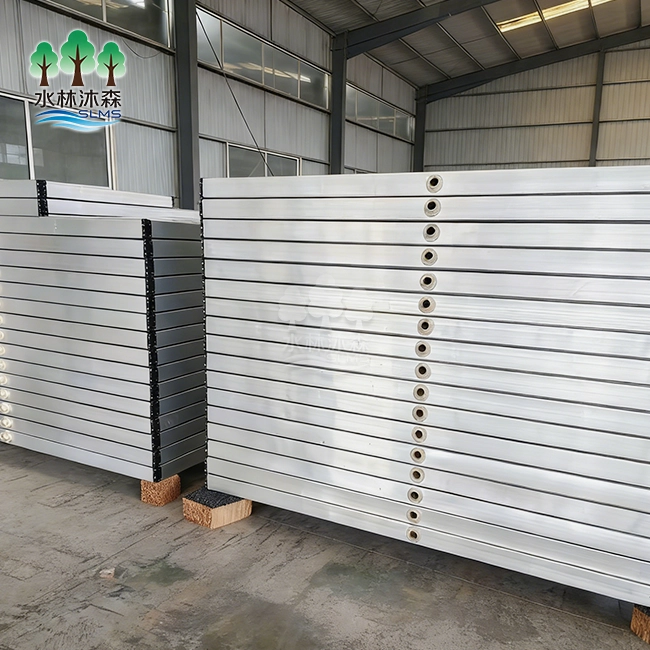
A good Chicken Coop Ventilation Water Curtain system has three parts that fit together well and work together. The cooling pad itself is usually Model 7090, and it comes in two thicknesses: 15 cm and 20 cm. It is made of high-molecular-weight cross-linked polyethylene, which doesn't break down when it's exposed to water over and over again. These pads have corrugated channels that are slanted at 45 degrees.
This makes the most surface area for water and air to touch while keeping wind resistance low. The frame that holds these pads up can be made from either an aluminum alloy or 304 stainless steel. Both of these materials are very resistant to rust, which is important in farming settings. The system for moving water around the pad includes pumps, lines for distribution, and troughs for storage. This makes sure that the whole surface is evenly saturated.
Procurement Considerations for Commercial Operations
When looking at solutions for buildings that will house 10,000 to 100,000 birds, longevity is very important. The quality of the cooling pad's material has a direct effect on how often it needs to be replaced and how much it costs to run over many production cycles. If you treat high-grade cellulose with the right resin, it will keep its shape for three to five years in regular circumstances. Distributors of farm equipment and building contractors should make sure that the specs for pads include high wet strength ratings and that they don't contain any phenolic compounds that could be bad for birds' health. When you calculate how much energy something uses, you should take into account both how the pump works and how much less time the fan has to run when it's cooling effectively.
Identifying Common Problems in Water Curtain Ventilation Systems
When there are problems with evaporative cooling systems, they usually show up as noticeable drops in performance. If you catch these problems early, they don't get worse and cost a lot to fix or put the flock's health at risk.
Insufficient Cooling and Temperature Inconsistency
If your monitoring devices show that the inside temperatures stay above goal even though the system is going, there could be a number of reasons for this. There are dry spots on the cooling pad that mean the water isn't spreading evenly, which lowers the cooling surface area. Over time, mineral layers from hard water build up, making walls that can't be broken through. This stops the water from properly saturating. When humidity levels are above 80%, evaporation rates drop by a huge amount. This means that the system doesn't work when it's wet outside. The pad-to-fan ratio may also not be right for the size of your building; pads that are too small can't handle enough wind volume to cool big areas well.
Mechanical Component Failures
One of the most common technical problems we see out in the field is pumps that don't work right. Bearings wear out, seals break down, and impellers get hurt by things in the water. If you run a motor outside of its recommended power range, it will get too hot and break down early. Connections between distribution pipes break, lowering the water pressure that reaches the pad's surface. Frame rust makes the structure less stable, especially in systems that use cheaper materials that aren't made to be exposed to water all the time. Each of these issues stops the cooling cycle and needs to be fixed right away to get it working again. The chicken coop ventilation water curtain is also prone to similar mechanical failures if not properly maintained and regularly inspected.
Water Quality and Distribution Challenges
Minerals that are dissolved in water move through your system and get more concentrated as it evaporates over and over again. Scale that builds up inside pipes makes it hard for water to flow, and biofilm made by algae growing in still water blocks distribution holes. Pads break down faster when the water chemistry isn't balanced. pH levels outside the 6–9 range damage the cellulose strands and gluing agents. Not enough water flow rates cause pads to not be fully saturated, while too much flow loses water and raises the static pressure against the fans.
Step-by-Step Troubleshooting Process for Water Curtain Ventilation
Systematic analysis gets rid of guessing and finds the reasons, not just the symptoms. This organized method has worked well in tens of thousands of business settings.
Initial Performance Assessment
First, find the difference in temperature between the air coming in from outside and the air leaving the cooling pads. Under ideal conditions, a machine that works properly should give the promised 5-8°C drop. Make a list of any hot spots or places where air doesn't flow well as you walk along the length of your building. Check differential pressure gauges to make sure fans are making enough negative pressure, which is usually between 0.05 and 0.15 inches of water column, but this depends on how your building is set up. Write down the current water flow rates and then compare them to the fitting requirements. These standard readings give us objective information to use to judge how well the system is working.
Mechanical and Hydraulic Inspection Protocol
Check the cooling pads for damage, sagging, or failure that you can see. As you run your hand across the surface, look for places with different amounts of wetness and mark any that are dry so you can look into them more closely. Starting at the pump and making your way to the pads, check the water delivery system. Check for leaks, broken lines, clogged nozzles, and loose joints. Make sure that the collection bowl under the pads has water in it and that it drains properly so that it doesn't overflow. Check the electrical links between the pump and the control panel to see if any wires are loose or corroded. Check the water level monitors and float valves to make sure they turn on the pump at the right times.
Corrective Actions for Common Defects
To get rid of mineral layers, the system has to be turned off and the right descaling methods that work with cellulose materials have to be used. Flush the distribution lines well to get rid of any dirt that has built up. It's better to replace broken pad parts than to try to fix them, because using them will only make the structural problems worse. Change the pump speed or valve settings to change the water flow rates until you get even soaking without too much runoff. Adjust the control systems so that they work with the current surroundings and the needs of the building. To make pads last longer, you might want to put pre-filters on water sources in places where the minerals are high.
A chicken farm in Arkansas wrote about how well they were able to fix problems after following these steps. They found that over the course of two seasons, their distribution lines had gotten dozens of small jams, which cut their cooling capacity by 40%. After they were cleaned thoroughly and inner screens were put in, the temperature control became stable, and during the next summer cycle, deaths from heat stress dropped by 3%.
Preventative Maintenance and Optimization Strategies
Proactive care greatly increases the useful life of equipment while keeping it working at its best. We've seen that sites that use structured maintenance plans need 50% fewer emergency fixes than those that use reactive maintenance methods.
Routine Inspection Schedule and Cleaning Protocols
As part of weekly eye inspections, you should check that the pads are evenly moist, that the pumps aren't making any strange noises or shaking, and that the control systems are working properly. For monthly upkeep, the pads need to be taken off and cleaned thoroughly with a low-pressure water spray to loosen any dust and dirt that has built up. High-pressure washing is not recommended because it damages the delicate corrugated structure.
Flushing the water system every three months keeps minerals from building up in the lines and delivery manifolds. Every year, full inspections should be done to record the state of the pads, check the system's performance, and plan the repair of parts before they break. Keeping detailed records of repair helps find trends and guess when parts will need to be replaced. The chicken coop ventilation water curtain system should also follow this routine inspection schedule to ensure long-lasting performance and efficiency.
Integration with Complementary Ventilation Technologies
When you combine evaporative cooling with tube airflow, the two work together to make temperature control better overall. Place fans in a way that keeps air moving at speeds of 2.5 to 3 meters per second at bird level. This will maximize the cooling effect of evaporation and provide a pleasant wind chill. Modern automation systems use temperature and humidity monitors to change the speed of the fans and how the water pump works based on the current conditions. When there is a lot of humidity, evaporative cooling doesn't work as well, so sensors can stop the flow of water while keeping the air moving with just the fan. This smart interface stops over-humidification and makes sure that fresh air is always coming in.
Parts Replacement and Upgrade Timing
Even high-quality components have limited useful lives that are affected by how often they are used and the area they are in. In systems that are always running, pump bearings and seals usually need to be replaced every 18 to 24 months. To keep cooling working well, cooling pads that are severely squished, torn, or showing algae growth even after being cleaned should be changed. When rust starts to show in older structures, you might want to think about switching to frames made of aluminum alloy or stainless steel. These materials cost more at first, but they don't need to be replaced as often, so the total cost of ownership is lower over time. When you replace pads, make sure that the new ones meet the latest quality standards. Resin formulas and manufacturing methods have greatly improved the sturdiness of newer pads compared to older ones.
When to Upgrade or Replace Your Water Curtain Ventilation System
Figuring out when fixes are no longer cost-effective compared to replacement helps your business make the best use of its cash. Several signs point to the fact that upgrading should be seriously thought about.
Performance Degradation and Escalating Costs
Keep an eye on your repair costs over a number of production runs to spot patterns. When the cost of repairs each year is more than 40% of the value of a new system, it makes economic sense to buy new equipment. Systems that need to have pads replaced every 18 months probably have major design flaws or water quality issues that make them not work with the system. By keeping an eye on how much energy is used, you can see that parts lose their efficiency over time. For example, pumps that use a lot more amperage than their base rates waste electricity and don't work as well. If the temperature control gets worse over time, even after repair, it means the system isn't cooling your building properly anymore.
Comparing Modern Solutions
Evaporative cooling systems made today have better designs that fix problems that often happen with older systems. When exposed to water for a long time, improved pad materials with stronger bonds don't delaminate or fall. Newer distribution systems have nozzles that are precisely designed to make sure that water is spread evenly across the whole pad area.
Control systems that can compensate for humidity will change how they work naturally to keep things from getting too saturated when it's wet outside. When looking at replacement choices, make sure you get full details about the product's expected service life, guarantee coverage, and performance data from similar installations. Good makers offer a lot of support after the sale, such as help with installation, teaching on how to use the product, and quick technical support.
Supplier Selection and Procurement Best Practices
Implementation risk is kept to a minimum by working with well-known producers with track records. Check out suppliers to see how good their expert help is, how easy it is to get spare parts, and how willing they are to make solutions fit your needs. Ask for recommendations from businesses that are about the same size and area as yours. Make sure that the warranty covers both the parts and the work, and that it is clear under what conditions the guarantee doesn't apply.
Instead of just looking at the original purchase price, you should also think about the costs over the course of the system's lifetime. High-end systems that last longer often give you a better return on your investment, even if they cost more up front. The chicken coop ventilation water curtain system should be evaluated similarly, considering both upfront costs and long-term maintenance requirements to ensure its reliability and effectiveness.
Conclusion
To keep the environment under control in business poultry farms, you need to regularly check and maintain your evaporative cooling systems. Regular inspection protocols find new problems before they hurt performance, and when problems do happen, proper repair protocols quickly get things back to normal. By knowing how water quality, pad state, and cooling performance are related, you can make sure that the system works best for your temperature and building design. When you buy good equipment from a reputable company and keep it in good shape, you can be sure that the temperature will stay stable, which is good for the health of your flock and helps you get consistent results across multiple growing stages.
FAQ
How often should we perform maintenance on evaporative cooling systems?
Visual checks once a week and cleaning once a month are critical for effective operation. These regular checks find small problems before they get worse and cause the system to fail. Deep cleaning water distribution systems every three months keeps minerals from building up and making them less effective. Performance testing and recording of component state should be part of yearly full assessments so that replacements can be planned ahead of time. Facilities in places with hard water or a lot of dust may need more frequent maintenance than those in places with better environmental conditions.
Can water curtain systems function effectively in humid climates?
As the relative humidity rises, evaporative cooling works less well because air that is already full of wetness can't absorb more water vapor well. In places where humidity regularly reaches 80%, these devices don't lower the temperature as much as they do in dry places. However, even a small amount of cooling mixed with better air flow can help chickens deal with heat stress. Today's control systems have humidity monitors that can stop the flow of water when it's not needed. The building stays ventilated by running fans alone, so it doesn't get too humid.
What distinguishes quality cooling pads from inferior products?
The best cooling pads are made of high-quality cellulose that has been treated with special resins that keep the structure strong even when they are exposed to water all the time. The connecting agents don't break down when the chemistry of the water changes, and they also keep the perforated layers from coming apart. Good pads have even patterns of water absorption, with no dry spots or channels. This makes sure that the surface is cool all over. To protect the health of birds' lungs and make sure goods meet environmental safety standards, make sure they don't contain phenol. Manufacturers with a good reputation give thorough specs, such as ratings for wet strength and expected service life under certain circumstances.
Partner with Shuilin Musen Aquaculture Equipment Co., Ltd. for Reliable Cooling Solutions
To keep the temperature stable in your chicken farm, you need both good tools and reliable technical help. Shuilin Musen Aquaculture Equipment Co., Ltd. has eight years of experience in manufacturing tools for farming and raising animals. They offer complete solutions that deal with real-world operating problems. Our Model 7090 cooling pads come in two thicknesses: 15 cm and 20 cm. The frames are made of corrosion-resistant aluminum alloy or stainless steel, so they will last longer even in harsh farming settings.
We offer full installation videos and detailed literature, as well as installation services on-site when needed. Every setup comes with a one-year guarantee that covers both the parts and the work. As a well-known company that makes Chicken Coop Ventilation Water Curtain units, we can tailor our services to meet the needs and objectives of your building. Contact our expert team at wangshuaislms@gmail.com or go to slms-equipment.com to talk about how our liquid cooling systems can make the best conditions for raising chickens.
References
1. Czarick, M., & Lacy, M. (2015). Tunnel Ventilation and Evaporative Cooling Systems for Poultry Housing. University of Georgia Cooperative Extension Bulletin 1333.
2. Donald, J. (2018). Environmental Management in Intensive Poultry Production. Poultry Science Association Technical Review, 47(3), 412-429.
3. Liang, Y., Tabler, G.T., & Dridi, S. (2020). Heat Stress Management in Broiler Production: Cooling System Technologies and Physiological Responses. Frontiers in Veterinary Science, 7, 234-251.
4. Mitchell, M.A., & Kettlewell, P.J. (2019). Climate Control Systems for Intensive Livestock Housing: Engineering Principles and Practical Applications. Agricultural Engineering International Journal, 21(2), 88-103.
5. Simmons, J.D., Lott, B.D., & May, J.D. (2016). Evaporative Cooling Pad Performance in Commercial Poultry Facilities. Applied Engineering in Agriculture, 32(4), 567-578.
6. Xin, H., Berry, I.L., & Barton, T.L. (2017). Cooling System Design and Management for Modern Poultry Houses. American Society of Agricultural and Biological Engineers Technical Paper 2017-343, 1-24.
Learn about our latest products and discounts through SMS or email