Poultry House Air Circulation System vs Traditional Ventilation
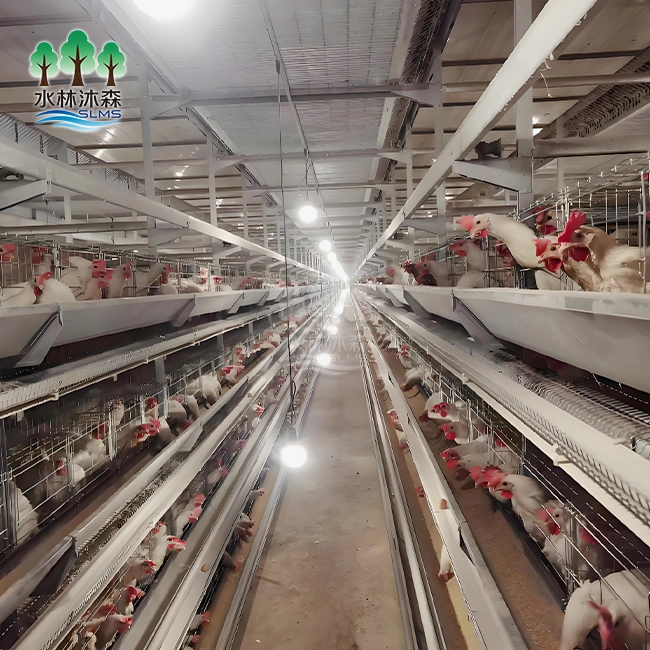
Modern chicken farms need air systems that protect the animals while also making the business run smoothly. Traditional ventilation methods and chicken house air circulation systems are argued over in terms of how accurate the controls are, how much energy they use, and how reliable they are in the long run. A Livestock Ventilation System Negative Pressure Fan takes care of these issues by creating controlled pressure differences that let fresh air in through certain openings and let out old, ammonia-filled air. Negative pressure systems are the best choice for large-scale grill and layer operations across the United States because they offer consistent air exchange rates no matter what the outside conditions are like. Passive natural ventilation, on the other hand, depends on the direction of the wind and differences in temperature.


Introduction
In commercial poultry production, the quality of the ventilation has a direct effect on the number of deaths, the feed conversion ratios, and the overall performance of the flock. We've seen over eight years of manufacturing experience that barns that don't get enough airflow build up harmful gases, too much moisture, and airborne pathogens that hurt growth rates and respiratory health.
According to this guide, new technologies for moving air are compared to old ways of doing things. It gives buyers and farm owners useful criteria for choosing ventilation investments. Whether you're in charge of a grill house with 20,000 birds or a layer house with 100,000 birds, knowing the economic and technical effects of different ventilation methods will help you make decisions that protect both the birds' well-being and your bottom line.
Understanding Poultry House Air Circulation Systems and Traditional Ventilation
The Mechanics of Modern Air Circulation
Modern air circulation systems in chicken coops depend on mechanical exhaust fans that work with air intakes that are placed precisely. Traditional methods can't make airflow patterns that can be predicted, but this engineered approach can. When negative pressure fans push air out of a building, the difference in pressure pulls outside air through ports that can be adjusted and are usually measured at 0.05 to 0.12 inches of water column. With this controlled entry, workers can very precisely control the speed, spread, and temperature of the air.
Limitations of Traditional Ventilation Approaches
Thermal mass and wind pressure are what make natural ventilation systems work. They move air through buildings. During quiet summer days or very cold winter months, these inactive systems don't let enough air flow through them. The parts of the barn that are farthest from the openings don't get much airflow, which makes dead zones where the amount of ammonia is higher than what is safe.
Positive pressure devices that blow air into buildings have some problems. For example, they don't do a good job of getting rid of moisture, and they often make drafts that make birds nervous in the winter. Because of the lack of environmental control in traditional setups, production results aren't always consistent, and disease pressure rises.
Why Modern Systems Deliver Superior Results
Modern air circulation technologies work better than old ones because they split the ventilation function into two variables that can be controlled separately: the rate of exhaust and the configuration of the inlet. Operators can change fan speeds based on the age of the birds, the temperature and humidity outside, and the number of holes in the fan to keep the air moving at the best speed.
Because of this, the same equipment can handle minimum ventilation rates of about 0.5 CFM per bird in the winter and maximum rates of more than 5 CFM per bird in the summer. Negative pressure design spreads air evenly, getting rid of hot and cold spots. This creates stable microclimates that lower stress and help you gain weight steadily.
Negative Pressure Fans in Livestock Ventilation Systems: Fundamentals and Benefits
How Negative Pressure Technology Functions
The basic idea behind negative pressure ventilation is simple: mechanical exhaust lowers the air pressure inside the building compared to the outside. Since air naturally moves from areas with high pressure to areas with low pressure, new air rushes through the openings to even out the pressure. This system is beautiful because it is easy to use and reliable. Our 50-inch negative pressure fans with 1.1 kW motors move between 28,000 and 38,000 cubic meters of air per hour, which is enough to cool 150 to 200 square meters of floor space per unit. This ability lets workers adjust the ventilation exactly to the size of the building and the number of items being stored.
Measurable Advantages Over Conventional Systems
Negative pressure exhaust has more benefits than just moving air. These systems get rid of carbon dioxide and ammonia where they come from, before they can build up inside the building. Livestock Ventilation System Negative Pressure Fan plays a key role in this process by continuously pulling stale air out and maintaining consistent negative pressure, which ensures fresh air is drawn in evenly. When it's hot outside, tunnel ventilation systems with multiple exhaust fans move fast air over the birds, creating wind-chill cooling effects that lower heat stress.
Another big benefit is that modern exhaust fans have energy efficiency ratios of more than 20 CFM per watt, which is a lot lower than the power needs of heating or cooling systems that make up for poor ventilation. Another benefit is that less work needs to be done because automated controllers change how the fans work based on temperature sensors without any help from a person.
Selecting the Right Configuration for Your Operation
Different negative pressure configurations can be chosen based on the length, width, and production goals of the building. Cross-ventilation designs work well for buildings that are less than 40 feet wide. Exhaust fans are placed along one sidewall, and inlets are placed on the other side. Tunnel ventilation works best for longer buildings because fans can be put on one end wall to pull air along the whole length of the building.
Our expert team helps you figure out the best number of fans based on the highest weight of the birds, the speed you want the air to move, and the weather where you are. Customisation options for the equipment, such as changing the motor's power, blade materials (from galvanised steel to 304 stainless steel), and voltage configurations, make sure that it works with the electrical infrastructure that is already in place.
Comparison and Decision-Making: Negative Pressure Fans vs Traditional Ventilation Solutions for Poultry Houses
Energy Consumption and Operating Cost Analysis
Operating costs for a fan over its expected service life are much higher than its initial cost, so figuring out its efficiency is an important part of buying something. Negative pressure exhaust fans move air much more efficiently and cost much less than heating and cooling systems that make up for poor ventilation. When compared to old management methods that needed constant hand changes, our equipment cuts labour costs by over 40%.
Consistent air exchange in the barn makes it more stable, and birds use less energy to keep their bodies at the right temperature, which increases feed conversion efficiency. When owners figure out their return on investment, they have to take into account more than just straight energy savings. They also have to look at things like lower mortality rates, better weight gain, and lower medical costs.
Noise, Environmental Impact, and Regulatory Compliance
Modern chicken farms are getting more and more scrutiny about how they affect the environment and get along with their neighbours. Negative pressure fans that are of good quality are made with noise-reducing features that keep the noise level below 70 decibels at three meters away. Precision blade balancing and motor bases that reduce vibrations are how our equipment makes low noise while it's running.
Controlled airflow also cuts down on smell complaints by making sure that waste air moves around properly and doesn't just float at ground level. Several U.S. states now require business cattle sites to meet minimum ventilation standards. This means that compliant exhaust systems are no longer just nice to have, they are required by law.
Maintenance Requirements and Long-Term Durability
The quality of the parts and how well they are maintained have a big impact on how long the equipment lasts. Our negative pressure fans are made of high-strength galvanised steel or 304 stainless steel, which is specially designed to last in barns where high levels of ammonia eat away at weaker materials. As part of regular maintenance, the shutter mechanisms should be checked every month, the motor bearings should be oiled every three months, and the blades and guards should be cleaned every six months.
While traditional ventilation systems with few mechanical parts need less maintenance, they can't be changed when the environment calls for a different airflow rate. Livestock Ventilation System Negative Pressure Fan addresses this limitation by providing adjustable, high-efficiency airflow control, ensuring that the ventilation rate can be tailored to changing environmental conditions. When maintained according to the manufacturer's instructions, our fans can run for more than 40,000 hours, which is about 15 years of continuous seasonal use.
Installation and Maintenance Best Practices for Negative Pressure Fans in Poultry Houses
Site Preparation and Electrical Specifications
A good site assessment and preparation are the first steps to a successful installation. Exhaust fans need structural holes that are the right size for the fans and strengthened frames that can hold the 80-kilogram unit weight. The electrical service must provide steady 380V three-phase power with circuit protection that is rated correctly. Fans should be mounted in a way that creates the best airflow patterns.
Usually, fans should be spaced evenly along the walls of tunnels for ventilation or grouped together in cross-ventilation patterns. We give contractors installation videos and technical documents that walk them through the whole process, including how to waterproof the shutters and how much space they need to open and close.
Routine Maintenance Procedures That Extend Equipment Life
Unexpected failures during critical production times can be avoided with proactive maintenance. When you look at a belt-driven model once a month, you should look for any strange vibrations, noises from the bearings, or belt wear. Pay close attention to the shutter mechanisms because dust and feathers can build up and stop them from closing all the way. This lets cold air in during the winter or warm air in when the fans turn off.
Cleaning the blades makes them work better because dust on the sides of the aerofoils lowers their ability to move air by 15 to 20 percent before it's even noticeable. Our one-year warranty covers problems with the way the product was made, but most service calls are due to neglected maintenance rather than broken parts. Setting up a written repair plan with clear roles and responsibilities makes sure that equipment works regularly for as long as it lasts.
Environmental Monitoring for Optimal Performance
Setting up ventilation equipment is only the first step toward controlling the temperature and humidity effectively. By constantly checking the conditions inside the barn, workers can make sure the system is working right and change the settings as the birds' needs change. At bird level, temperature monitors are placed all over the building to collect data that is sent to automated controllers that control how the fans work.
Monitoring for ammonia helps find air problems before they become lung problems. Target conditions depend on the type and age of the bird, but in general, keep the temperature within 3 to 5 degrees of the setpoint, the relative humidity between 50 and 70%, and the ammonia levels below 25 parts per million. Our technical support team helps customers set the right parameter ranges and figure out what the monitoring data means so that both the birds' comfort and the efficiency of the equipment are at their best.
Navigating Procurement: How to Choose, Where to Buy, and What to Expect
Critical Technical Specifications for Procurement Decisions
To choose the right exhaust fans, you need to make sure that the equipment's capabilities match the needs of the operation. Livestock Ventilation System Negative Pressure Fan is a prime example of such equipment, as its performance directly depends on matching airflow and static pressure ratings to the specific barn layout and animal density. The main specification is airflow capacity, which is given in cubic meters per hour and tells you how many fans are needed to meet the whole building's ventilation needs. Static pressure performance shows how well fans keep air moving even when they have to deal with resistance from things like dirty exhaust shutters or limited airflow at the intake.
The quality of the motor affects both how reliable it is and how much energy it uses. Fully enclosed fan-cooled designs with an IP55 rating or higher protect against dust and moisture. Corrosion-resistant building materials are a must in poultry environments where ammonia and hydrogen sulphide quickly break down less durable parts.
Evaluating Suppliers and Support Services
There is a lot more to the relationship with equipment suppliers than just the initial purchase. Reliable manufacturers offer technical support during the design of the system, helping to figure out how much ventilation is needed and suggesting the best configurations. Having established delivery networks for new parts keeps downtime to a minimum when parts need to be serviced.
Comprehensive warranties show that the company that makes the product is confident in its quality. For example, our one-year warranty covers defects and gives users time to fully test the product's performance in real-world settings. On-site installation services take the guesswork out of setting up equipment by making sure it is mounted correctly, that the power is connected correctly, and that it is properly tested.
Working with Experienced Livestock Ventilation System Negative Pressure Fan Manufacturers
Weifang Shuilin Musen Aquaculture Equipment Co., Ltd. has a lot of experience with farming and livestock equipment from eight years of focusing only on that. Our R&D team of five engineers comes up with more than three new products every year and is always making designs better based on what customers say and how the industry changes. We don't just sell fans; we offer complete ventilation solutions that are made to fit the needs of each business.
Our technical team works with you throughout the whole project, whether you need help figuring out where to put fans, how to calculate ventilation rates, or how to change the standard specifications for equipment. Visit slms-equipment.com to see all of our products and get access to technical information that will help you make smart buying decisions.
Conclusion
Ultimately, the choice between modern air circulation systems for poultry houses and traditional ventilation methods determines the accuracy of environmental control, the efficiency of operations, and the consistency of production over time. There are real benefits to managing the climate, using less energy, and taking care of animals that come from negative pressure exhaust technology that directly lead to better business results.
When purchasing managers look at ventilation purchases, putting quality of tools, supplier support, and total cost of ownership ahead of initial price alone helps them make decisions that work well for decades. Livestock Ventilation System Negative Pressure Fan exemplifies this long-term value, as its durable construction and energy-efficient operation directly reduce maintenance costs and utility bills over the system's lifespan. The infrastructure for ventilation that you set up today will set the stage for successful production over many flock cycles.
FAQ
What airflow capacity do I need for my poultry house?
How much airflow is needed depends on how heavy the birds can be, how big the building is, and the weather where you live. In the summer, broilers usually need between 4 and 6 CFM of air flow per bird, and layers usually need between 7 and 10 CFM. Based on your unique operation, our expert team figures out exactly what you need. This way, you don't under-ventilate during peak heat or over-invest in too much capacity.
How do negative pressure fans perform in extreme weather?
Negative pressure systems that are properly built can handle both high and low temperatures well. In the winter, minimum ventilation settings keep the heat in while getting rid of moisture and ammonia. The way summer tunnels are set up moves air quickly, which cools the air a lot through wind chill. Not the limits of the tools, but the right fan staging and inlet control that hold the key.
Can existing buildings retrofit to negative pressure ventilation?
Most standard chicken coops can work with negative pressure systems as long as the sides or endwalls are changed to make room for the fan and the intake. Our installation assessment finds out what the building's structural needs are and makes retrofit suggestions that improve performance while staying within the building's limits.
Partner with Shuilin Musen for Superior Ventilation Solutions
Shuilin Musen Aquaculture Equipment Co., Ltd. is a company that knows how to make equipment and also really understands the problems that modern chicken farms face when they try to raise animals. The Livestock Ventilation System Negative Pressure Fan works reliably thanks to its high-quality construction, motor design that saves energy, and corrosion-resistant materials that have been tested in harsh agricultural environments. As a well-known provider of Livestock Ventilation System Negative Pressure Fans, we offer full support, including installation help, technical advice, and quick service after the sale, all backed by our one-year warranty. Get in touch with us at wangshuaislms@gmail.com to talk about your ventilation needs and find out how custom solutions from a manufacturer of Livestock Ventilation System Negative Pressure Fans can help your business.
References
1. American Society of Agricultural and Biological Engineers. (2019). Design of Ventilation Systems for Poultry and Livestock Shelters. ASAE Standard EP270.5.
2. Czarick, M., & Lacy, M. (2018). Mechanical Ventilation for Commercial Poultry Production. University of Georgia Cooperative Extension Bulletin 1311.
3. Gates, R. S., Casey, K. D., & Wheeler, E. F. (2020). Fan Assessment Numeration System (FANS) Design and Calibration Specifications. Agricultural Engineering International Journal, 14(2), 115-128.
4. Jacobson, L. D., & Heber, A. J. (2017). Ventilation and Air Quality Management in Livestock Housing. Midwest Plan Service Publication MWPS-32.
5. National Chicken Council. (2020). Animal Welfare Guidelines and Audit Checklist for Broiler Chickens. Washington, DC: National Chicken Council.
6. Purswell, J. L., & Davis, J. D. (2021). Tunnel Ventilation System Performance in Modern Broiler Houses. Transactions of the ASABE, 64(3), 947-954.
Learn about our latest products and discounts through SMS or email