How Poultry Manure Removal System Reduces Disease Risk
One of the most important things that can be done to keep diseases from spreading on poultry farms is to manage waste well. A well-designed automatic waste removal system, especially a poultry manure scraper machine, greatly lowers pathogen exposure by keeping manure from building up, which is where dangerous bacteria, viruses, and parasites can grow. By getting rid of waste quickly and consistently, these systems break the cycle of disease, lower ammonia levels, and keep your flock's living conditions healthier. They also protect your investment and make sure that everyone in your operation is always productive.


Understanding the Disease Risks Associated with Poultry Manure
When waste builds up in poultry houses, it makes it easy for diseases to spread. Pathogens like Salmonella, E. coli, Campylobacter, and other viruses spread quickly through direct contact, contaminated dust particles, and air quality that is not good enough. Anaerobic decomposition happens when waste stays in the poultry house for a long time. This process releases harmful gases like ammonia and hydrogen sulfide. These gases hurt the lining of birds' lungs, making them more likely to get secondary illnesses and weakening their immune systems generally.
High humidity levels caused by manure that is high in water make it easy for pathogens to spread. When birds walk through dirty areas, their feet and feathers spread disease to the rest of the flock. Research from commercial operations regularly shows that farms that do not get rid of their trash properly have higher death rates, higher veterinary costs, and less efficient feed conversion. Putting off cleaning up manure also draws rodents and insects that can spread disease, which makes protection measures even less effective.
The Pathogen Reservoir Problem
There are millions of microorganisms in every gram of fresh manure. Within 48 hours of building up, the number of germs can grow very quickly. Each layer or broiler bird makes about 0.1 to 0.15 pounds of manure every day. A 50,000-bird business makes more than three tons of waste every day, which can spread disease if it is not handled properly.
Environmental Conditions That Amplify Risk
Changes in temperature and a lot of moisture make it easier for pathogens to live and spread. In the winter, frozen manure makes things more difficult, and in the summer, the heat makes the release of ammonia stronger. When waste management systems do not work right, both extremes put bird health and farm worker safety at risk.
How Poultry Manure Scraper Machines Work to Mitigate Disease
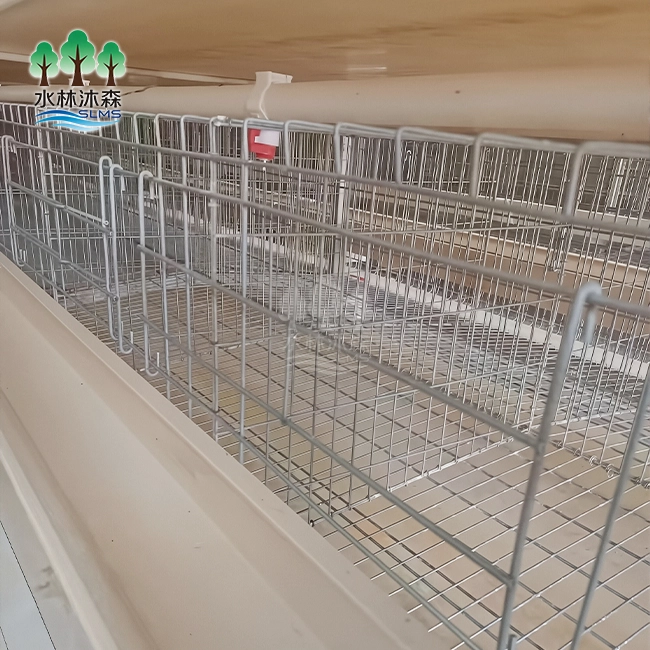
Poultry manure scraper machines help keep birds healthy. Modern automated equipment for getting rid of waste works with carefully designed mechanical systems that were made for large-scale poultry operations. Heavy-duty traction mechanisms are connected to V-shaped or straight-blade scrapers on these machines, and they move along the length of manure channels under cages or slatted flooring. The scraper blade moves the built-up trash to pickup places, from which it can be moved to be processed further or thrown away.
Operational Mechanics
High-torque, low-speed motors and cycloidal pinwheel reducers make up the drive system. The reducers turn rotational power into the pulling force that is needed to move waste quickly. Most systems clean thoroughly without making too much noise or vibration that would stress birds out, and they work at speeds between 3 and 12 meters per minute. Programmable controls let you set up cleaning processes that work with the needs of your building, whether that means cleaning more than once a day for places with a lot of people or less often for smaller places.
High-tensile polypropylene ropes or case-hardened anchor chains are used in traction systems. Both are made to withstand the corrosive effects of ammonia and urea found in poultry waste. Corner wheel kits with double-sealed bearings keep manure from getting into motor parts, so they work well for a long time. Modern designs have automatic tensioning devices that keep the rope or chain at the right tension. This means that you do not have to make any adjustments by hand, and the blades do not slip around, which would make cleaning less effective.
Integration With Comprehensive Waste Management
Effective scraper systems are connected to moving lines that move trash to places where it can be picked up. This two-part method makes sure that all the polluted material is removed while limiting the amount of time that people are in touch with it. These systems can be directly connected to solid-liquid dividers, composting facilities, or biogas production equipment, and they often incorporate a poultry manure scraper machine to efficiently handle the specific consistency and volume of poultry waste. This makes a full waste management system that helps with both disease control and environmental sustainability.
Benefits of Automated Poultry Manure Removal Systems in Disease Control
Automation turns waste management from a process that requires a lot of work and is not always reliable into a biosecurity measure that works around the clock. Pathogen loads are greatly reduced by automated systems that get rid of waste before the number of bacteria gets too high. When compared to manual cleaning, cleaning schedules that are followed regularly keep ammonia levels lower. Usually, levels drop by 60–75%. This improvement in air quality is directly linked to fewer respiratory diseases and higher feed conversion rates.
The practical benefits go beyond stopping diseases. When labor costs drop by more than 60%, you can move workers to other important farm management jobs. When workers do not have to go into poultry houses as often to clean them by hand, they are much less likely to be exposed to dust, pathogens, and toxic gases, which greatly improves worker safety. Automated systems also get rid of the differences that come with cleaning by hand, so hygiene standards stay the same even when staffing changes or the number of workers changes with the seasons.
Measurable Health Outcomes
Facilities that use automatic removal systems report fewer disease cases and less use of antibiotics than facilities that clean by hand. The constant removal of trash keeps infectious materials from building up, which would need emergency help otherwise. Birds that are raised in cleaner environments gain more weight, have better feather quality, and lay more eggs. With these changes, the business will be able to make more money and run for a longer time.
Environmental and Regulatory Compliance
Keeping smells under control and making sure waste is properly treated are two ways that automated systems can help you meet stricter environmental rules. Regular trash collection helps businesses follow the biosecurity rules that many processors and export markets require. The organized method also makes it easier to keep records and meet the paperwork needs for certification programs and government checks.
Best Practices and Maintenance Tips for Reliable Manure Scraper Performance
When you put something correctly and make sure it fits with the structure of your building, it will work perfectly right from the start. The concrete surfaces of the manure channel must be smooth and free of big cracks that could let the scraper blade jump or waste get around them. When installing the channel, the depth, width, and slope must all be carefully thought out so that waste can be removed completely without slowing down operations.
Installation Considerations
Professional installation services are very helpful because they make sure that the drive units, corner wheels, and tensioning systems are all lined up correctly. Our team can help you set up your system on-site, and we also have full training videos and technical documents that will walk you through every step of the process. The equipment can be changed to fit poultry houses of different lengths and widths thanks to its customization choices, and a poultry manure scraper machine can be tailored to match these variable dimensions for optimal waste removal efficiency. It can be used in small family farms or big commercial facilities with over 100,000 birds.
Routine Maintenance Protocols
Setting up a regular repair plan will protect your investment and keep the disease-prevention abilities going. Once a month, the scrapers should be inspected to make sure they are properly tensioned, that the corner wheels are not worn, and that they can move freely along their entire path. Using ammonia-resistant grease to lubricate bearing assemblies keeps parts from breaking too soon. Cleaning electrical parts and drive motors keeps dust from building up and causing overheating or electrical problems.
The scraper blade needs to be checked every so often for damage or wear. You can change the angle and height of the blades so that all the trash is removed, and nothing can flow over the top or around the bottom. Wear parts on high-quality systems are easy to replace, which extends their useful life and reduces downtime. Our products have easy-to-reach inspection points that let maintenance teams do regular checks without having to take the whole thing apart. This saves time and money by reducing the need for labor and service interruptions.
Comparing Poultry Manure Scraper Systems with Alternative Solutions
Depending on the type of facility, the size of the flock, and the priorities of the operation, each technology for getting rid of waste has its own benefits. By knowing these differences, you can make smart choices about purchases that meet your unique biosecurity and speed goals.
Scraper Systems Versus Belt Conveyors
When compared to multi-tier belt conveyor installations, poultry manure scraper machine removal systems usually require less initial capital investment. This makes them ideal retrofit options for existing A-frame cage designs. Scrapers work best in places with manure pits, where waste falls straight into pathways under the cages. The equipment works well with trash that has a lot of moisture in it and can be used regularly in areas with limited space where belt systems would have trouble being installed. Belt systems work better in H-frame cages where waste from different levels needs to be handled separately, but they cost a lot more to set up and keep up.
Electric Versus Hydraulic Power Systems
Electric drive systems are good for most business uses because they use less energy, are easier to maintain, and have lower running costs. When you pair copper motors with high-efficiency reducers, you get reliable performance with very little power use. For very large sites or operations that deal with very heavy trash loads, hydraulic systems offer better power, but they need more complicated upkeep and a bigger initial investment.
Your choice should be based on the size of the building, the type of waste it produces, and the upkeep experts who are present, and if you are handling poultry waste specifically, integrating a poultry manure scraper machine into your drive system selection can significantly influence the optimal power and maintenance requirements.
Cost Analysis and Return on Investment
The total cost of ownership includes the price of buying the equipment, the cost of installing it, the amount of energy it uses, the cost of maintenance, and how long it is expected to last. Our systems are made to last with high-zinc galvanized steel frames and parts that do not rust, so they will work well for 8 to 12 years. When you combine lower labor costs, better flock health, and higher productivity, you usually get your money back within 18 to 24 months of starting up. Large businesses can improve their cash flow and get complete waste management solutions by using volume pricing options and custom payment terms.
Conclusion
One of the best investments you can make in the long-term success of your poultry business is to make sure that diseases do not spread by properly managing waste. Automated removal systems get rid of the places where pathogens can hide and threaten the health of your group, and a poultry manure scraper machine is a prime example of such a system, efficiently removing waste before it can accumulate. They also lower the levels of toxic gases that hurt the birds' performance and make the workplace cleaner, which protects your team.
These methods are necessary for modern intensive poultry farming because they improve biosecurity, save a lot of labor, and make operations more efficient. It is important to carefully consider your facility's needs when choosing the right system, but consistent, reliable waste removal is good for every part of farm management, from bird health to environmental compliance.
FAQ
How frequently should the scraper system operate to maintain optimal disease control?
How often the poultry manure scraper machine runs depends on the number of birds in the flock, their age, and how well the facility is ventilated. Three to four cleaning rounds a day are usually good for high-density layer operations, while two to three cycles may be enough for broiler operations. When the weather is bad, running the system more often keeps waste from building up and lowers ammonia levels. With programmable controls, you can change plans based on what is happening in the real world. Using sensors to check the level of ammonia helps you figure out the best cleaning schedule for your needs.
Can these systems be customized for unusual or older poultry house designs?
We offer a wide range of customization options to fit a wide range of facility layouts. Our engineering team looks at the infrastructure you already have and comes up with custom solutions that work with the way the building is built. Floating blade designs can adapt to changes in width, and segmented scraper assemblies can move through channels with odd shapes. As a core skill, you can do retrofit setups for older sites that let you improve biosecurity without having to make expensive changes to the building.
What safety features should be prioritized when selecting equipment?
Overload protections that stop operations automatically when they hit an obstacle keep equipment from breaking and fires from starting. Having emergency stop controls in several places lets you act quickly in case of an emergency. Automatically adjusting rope or chain tensioning systems keep things from breaking down at the worst possible time. Corner wheels with sealed bearing assemblies do not get dirty easily, which stops them from wearing out too quickly. Drive units have safety guards that keep workers safe while they do repairs. Manufacturers of good products provide detailed information on safety features and ongoing training.
Partner With a Trusted Poultry Manure Scraper Machine Manufacturer
Weifang Shuilin Musen Aquaculture Equipment Co., Ltd. offers complete waste management options in North America that are designed to work with large poultry farms. The mechanical stability of our automated removal systems has been tested and proven, and they can be easily changed to fit the needs of your building. We only use high-quality materials to make our machines, like high-grade PVC conveyor belts, copper motors, and high-zinc galvanized steel frames that won't rust and will last for years.
There are installation videos, on-site help, and a one-year warranty on all parts as part of the technical support. Get in touch with us at wangshuaislms@gmail.com to talk about how our poultry manure scraper machine solutions can help protect your investment, improve biosecurity, and lower the cost of labor. Visit slms-equipment.com to see all of our products and get a personalized quote from a seller with a lot of experience who wants your business to succeed.
References
1. Barnes, H.J., Vaillancourt, J.P., and Gross, W.B. (2003). Colibacillosis in Poultry: Disease Prevention and Control Through Improved Management Practices. Ames: Iowa State Press.
2. Miles, D.M., Rowe, D.E., and Cathcart, T.C. (2011). High litter moisture content suppresses litter ammonia volatilization. Poultry Science, 90(7), 1669-1680.
3. Nhung, N.T., Chansiripornchai, N., and Carrique-Mas, J.J. (2017). Antimicrobial resistance in bacterial poultry pathogens: A review. Frontiers in Veterinary Science, 4, 126.
4. Payne, V.W.E. and Donald, J. (2009). Poultry Housing and Environmental Management: Reducing Disease Risk Through Facility Design. College Park: University of Maryland Extension.
5. Redding, L.E. and Weiner, D.B. (2020). The economics of infectious disease prevention in commercial poultry operations. Agricultural Economics Review, 21(3), 45-62.
6. Wathes, C.M., Holden, M.R., Sneath, R.W., White, R.P., and Phillips, V.R. (1997). Concentrations and emission rates of aerial ammonia, nitrous oxide, methane, carbon dioxide, dust and endotoxin in UK broiler and layer houses. British Poultry Science, 38(1), 14-28.
Learn about our latest products and discounts through SMS or email