Poultry Manure Conveyor System vs Manual Cleaning Comparison
When managing large-scale poultry operations, waste removal significantly impacts productivity, biosecurity, and profitability. A poultry manure scraper machine, which is becoming more and more popular, is an example of an automated conveyor system that uses scrapers, belts, and motors to move trash and remove manure without much human help.
For manual cleaning, on the other hand, farm workers have to physically remove waste using tools, rakes, and wheelbarrows, which isn't possible as farms get bigger. Automated systems cut the need for labour by more than 60%, make it easier to control ammonia, and keep hygiene standards constant, all of which are important for keeping diseases away in heavy broiler, layer, and turkey operations


Understanding Poultry Manure Cleaning Methods
Modern poultry farms have to make a big decision about how to run their businesses: should they invest in automatic trash management or stick with the old, labour-intensive methods? This decision impacts a lot of things, from daily work assignments to long-term environmental protection and bird health.
Automated Conveyor Systems Explained
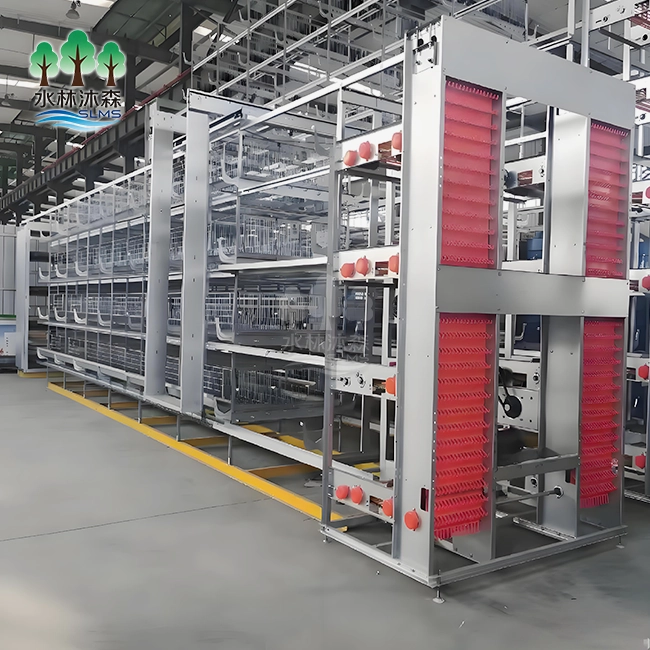
Automated manure disposal systems have many motor parts that work together in a planned way. The scraper moves along manure channels under the cages with the help of cycloidal pinwheel reducers that power high-tensile polypropylene ropes or hardened steel chains. These systems turn the spinning of the motor into high-torque, low-speed traction. They usually move at 3–12 meters per minute so as not to scare birds.
The scraper blade, which is made of hot-dip galvanised steel or 304 stainless steel with a zinc covering that is thicker than 275g/m², moves the trash to where it can be collected. A second conveyor belt, normally made of high-quality PVC that doesn't react with acidic waste, moves manure from the living area to specific processing facilities. This two-part method lets programmable logic controllers work continuously, running cleaning processes based on set plans or ammonia sensor readings without needing to be watched all the time.
Manual Cleaning Operations
To remove waste the old-fashioned way, dedicated farm workers have to go into poultry houses on a regular basis and scrape and shovel manure into bins for collection. Workers move from one row of cages to another, often in small areas with a lot of ammonia and dust. The process requires regular hard work and takes a lot longer as the flock size grows. Seasonal work trends, illness, and employee change all affect the availability of workers, which can lead to unpredictable operating gaps. Manual methods are flexible for small-scale operations or facilities with odd layouts. But when applied to modern commercial standards—where houses may hold 50,000 to 100,000 birds—they create major logistical and safety problems that hurt both worker health and efficiency.
Comparing Efficiency and Performance
Operational efficiency tells the difference between business practices that work and old ones that don't make money. By measuring the difference in performance between automatic and manual methods, you can see where investments give you a clear return.
Labor and Time Efficiency Analysis
Automated systems can clean the whole house in 15 to 30 minutes, based on the size of the house and the system's specs. When compared to manual processes, our equipment cuts the amount of work that needs to be done by more than 60%. This frees up workers to do more important things, like keeping an eye on the group and maintaining the equipment. Through sequential scripting, a single automated system can clean multiple homes, while cleaning by hand needs more workers as the farm's capacity grows. poultry manure scraper machine is a key component in these automated systems, ensuring efficient waste removal and further reducing manual intervention.
Every day, the time savings add up—what takes a three-person crew four hours to do by hand only takes less than 30 minutes to do automatically, saving 3.5 hours of labour costs each cleaning cycle. With daily cleaning, a normal 42-day broiler production cycle, automated systems save about 147 labour hours per house. This means that businesses with more than one house can save a lot of money each year.
Consistency and Biosecurity Standards
Automated conveyor systems clean uniformly well no matter the weather, how tired the operators are, or how much time they have to clean. The mechanical scraper blade stays in contact with the channel floors all the time, so there isn't much trash left over that could harbour Salmonella or Campylobacter. The quality of manual cleaning depends on the worker's skill, the amount of time they have, and how easy it is to get to hard-to-reach places.
Regular trash collection has a direct effect on ammonia levels. Studies show that automatic systems lower NH3 levels by 35–45% compared to human methods, which is better for respiratory health and feed conversion ratios. Biosecurity measures gain a lot from less human traffic. When automated systems are used, workers don't have to walk between houses several times a day, which lowers the risk of cross-contamination that can kill whole flocks during disease outbreaks.
Benefits of Poultry Manure Conveyor Systems Over Manual Cleaning
Moving to automatic trash management has benefits that go beyond just saving time and money on labour. These systems meet the needs for environmental protection, job safety, and operating scalability that can't be met by manual methods.
Environmental Sustainability and Odor Control
Automated disposal systems keep moving new manure away from residential areas. This greatly reduces anaerobic decomposition, which releases hydrogen sulphide and methane. Rapid trash removal reduces smell complaints from nearby properties, which is becoming more of a problem as residential areas grow closer to farming areas. The steady flow of materials works well with equipment further down the line, like solid-liquid filters, composting systems, and anaerobic digesters for making biogas.
Automated systems supply waste in consistent amounts and levels of moisture, making fermentation conditions ideal for making goods with extra value. Our machines have sealed conveyor lines that catch airborne particles and cut down on dust exposure by about 70%. This makes the area better for birds and farm workers and helps them meet Environmental Protection Agency air quality standards.
Worker Safety and Health Improvements
Long-term exposure to chicken waste is known to cause health problems, such as breathing problems, musculoskeletal injuries, and the spread of infectious diseases. Automated systems get rid of the need for workers to spend long amounts of time in high-ammonia settings. This lowers the risks that come with handling trash by hand. Back injuries, joint strains, and cumulative stress disorders are more common in people who shovel manure over and over again.
This leads to more workers' compensation claims and job turnover. By automating these dangerous jobs, farms show they care about worker safety, which makes employees happier and more likely to stay with the company. Less direct touch with waste lowers the risk of getting zoonotic diseases, which protects the health of farm workers and limits the risk of responsibility for farm management.
Scalability and Customization Options
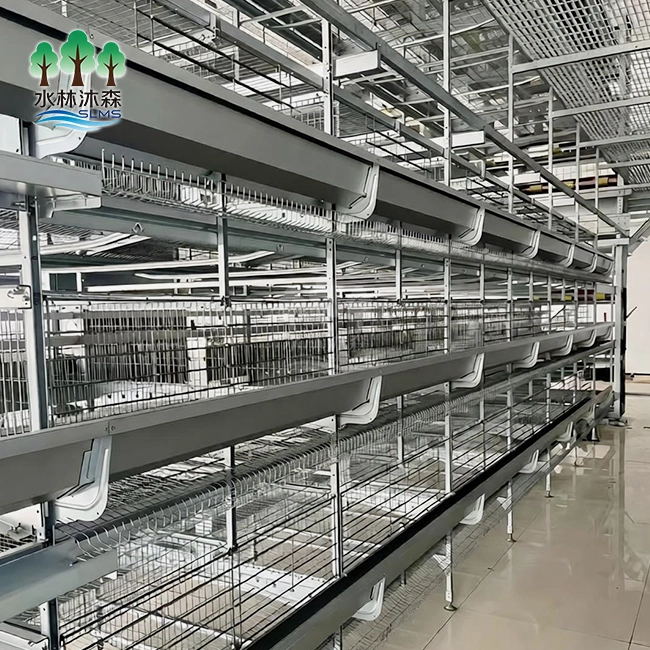
Our automated systems can work with a range of housing types, such as slatted-floor broiler breeder operations and A-frame layer cage systems with deep manure pits. Specifications for the equipment change based on the size of the house. Channel lengths can go up to 150 meters, and motor power levels can be changed from 0.75kW to 3.0kW depending on the load.
We make combinations that are specific to the type of chicken, the amount of moisture in the manure, and the limitations of the current infrastructure. When farm operations grow, systems can be used on larger farms as well. When new houses are built, proven system plans need to be copied instead of hiring more workers. This flexibility supports long-term growth plans without making operations more difficult, so farms can keep using the same management methods even as their production capacity grows.
Challenges and Limitations of Each Method
Knowing your limits lets you make plans that are reasonable and reduces risks in a good way. Both methods have different problems that make them less or more suitable for different operating situations.
Manual Cleaning Operational Constraints
The main problem with hand cleaning is that there isn't always enough labour. There are often not enough workers in rural places, especially for physically demanding farming jobs with few chances to move up. Seasonal job peaks during planting and harvest time draw available workers to higher-paying crop farming jobs, leaving chicken companies short-staffed.
When there is a lot of employee change, it's hard to keep up with training. In contrast, deploying a poultry manure scraper machine reduces reliance on seasonal labour, as one automated unit can perform the same daily waste removal work that would otherwise require multiple temporary workers, thereby stabilizing operations despite workforce fluctuations.
It takes new workers weeks to learn how to clean efficiently, which slows down work. Scaling up physical tasks is hard because of geometric complexity. For example, when flock size doubles, cleaning time more than doubles because workers have to handle living patterns that are getting more crowded. Because of the health risks of long-term ammonia exposure, workers may not be able to spend more than a certain number of hours in poultry houses in a row. This could make cleaning plans even more limited and require longer crew shifts.
Mechanized System Maintenance Requirements
Automated systems add mechanical dependencies that need regular fixes and preventative upkeep. When used continuously in corrosive settings, motor bearings, drive chains, and corner wheel systems wear out. We suggest that maintenance checks be done every three to six months. During these checks, moving parts should be oiled, traction rope tightness should be adjusted, and electrical connections should be checked. Failure of a component can stop cleaning until new parts come and fixes are made by experts.
However, our one-year guarantee and technical support keep downtime to a minimum. Systems need a steady source of electricity. If the power goes out during cleaning processes, the system may need to be reset and re-calibrated by hand. The initial capital investment for automatic equipment is higher than the start-up costs for cleaning by hand. Careful financial analysis is needed to figure out payback periods based on labour rates, production numbers, and operating lifespans that are specific to the farm.
Procurement Considerations for Poultry Manure Conveyor Systems
To choose the right trash management tools, you need to look at a lot of technical and business factors. When making strategic choices about purchases, it's important to balance short-term spending constraints with long-term operational success.
Technical Specifications Evaluation
Matching capacities is what system selection is based on. Use the number of birds, the average amount of waste each bird leaves behind, and how often you clean to figure out the daily manure volume. With changeable scraper speeds and belt widths, our systems can handle a wide range of capacity needs.
This makes sure that there is enough flow without putting too much stress on the mechanical parts. The quality of the materials used directly affects how long the equipment lasts. For example, high-zinc galvanised steel frames can fight ammonia rust for 10 to 15 years, while coatings that aren't as good break down in 3 to 5 years.
The quality of the motor decides how reliable it is. Copper motor windings can handle heat cycle better than aluminium ones, which means they don't break down as quickly. There are different levels of automation, from simple timer-controlled systems to complex PLC systems that can be monitored from afar, and when integrating a poultry manure scraper machine, the choice of automation directly affects its cleaning efficiency and maintenance schedule. Check the availability of the power source, taking into account the voltage needed and the circuit's ability to handle spikes during motor startup that could trip breakers that aren't big enough.
Supplier Selection Criteria
Supplier image and help after the sale are what separate smart investments in tools from costly mistakes. Weifang Shuilin Musen Aquaculture Equipment Co., Ltd. has eight years of experience in making tools for farming and raising animals. They have a team of five professional engineers who work hard to make sure they release more than three new goods every year. We offer full professional support, which includes installation films, on-site commissioning services, and quick help with fixing problems. Our one-year guarantee covers problems with the way the product was made and broken parts. This protects your investment during the important first few months of use.
Check to see if the seller can customise solutions. Standardised equipment often needs expensive changes to fit current infrastructure, but custom designs fit in perfectly during installation. Check to see if parts are available for repair items; sellers who keep enough spare parts in stock keep operations running smoothly when parts need to be replaced. Checking with current customers for references shows real performance data and how quickly service is responded to during warranty claims.
Return on Investment Analysis
The cost-benefit analysis should include the cost of buying the equipment, the cost of installing it, the amount of money that will be saved on labour, the cost of repairs, and the expected service life. Depending on local wage rates and farm size, our systems usually pay for themselves in 18 to 30 months because they cut labour costs by more than 60%. Include secondary benefits in your ROI calculations: better ammonia control leads to healthier flocks, which means more feed is converted into energy, which lowers the cost of production per bird by 2 to 4 percent.
Better protection lowers the chances of disease outbreaks that wipe out whole groups, which saves huge amounts of money. Automated systems use an average of 2 to 5 kWh of energy per cleaning cycle, which adds up to small running costs that are much lower than those of human labour. Think about different ways to get money, like loans for tools, grants for agricultural development, and lease agreements that spread out the need for capital over several output cycles. This will make managing cash flow easier during expansion phases.
Conclusion
Moving from cleaning by hand to automatic conveyor systems is a smart investment in the long-term economy, safety of workers, and operating efficiency. Automated equipment provides constant performance, significant labour savings, and better biosecurity. For operations that rely on a poultry manure scraper machine, these benefits become even more pronounced, as it ensures consistent waste removal while reducing human contact with manure.
It also meets the environmental compliance and scale needs of modern industrial chicken businesses. Manual methods can still be used in very small places where cost concerns are greater than efficiency concerns. Careful analysis of technical specifications, supplier capabilities, and financial forecasts makes sure that equipment choices are in line with operating goals and budget facts. This sets farms up for long-term growth in an industry that is becoming more competitive.
FAQ
What maintenance schedule do automated manure removal systems require?
Professional repair should be done every three to six months. This includes lubricating the drive parts, checking the traction rope tightness, and looking at how the scraper blades are wearing. Visual checks are done every day to make sure everything is working properly, and thorough inspections are done once a month to find problems before they happen. Our systems have easy-to-reach repair points and clear service paperwork, which makes regular maintenance easier. Harsh weather or manure that is especially rough on equipment may need more frequent maintenance on parts that wear out quickly.
Can systems accommodate different poultry house sizes and configurations?
Customised dimensional specs allow our tools to work with a wide range of housing layouts. Standard designs allow channel lengths to be changed from 30 to 150 meters, and the width can be changed to fit current infrastructure. We set up systems for slatted-floor broiler operations, A-frame layer cages and H-frame multi-tier systems. Technical talks look at the unique needs of the place and make sure that the integration of equipment works with the building's limitations, the electricity source, and the way waste is processed.
How do automated systems perform in extreme temperature conditions?
Temperatures in agriculture usually run from -10°C to 45°C, and the equipment works effectively in all of those ranges. In the winter, when manure freezes, it needs to be cleaned more often—every two to four hours is recommended to keep solids from building up. The more expensive types have variable-frequency drives that have more startup power to cut through frozen material. Extra channel heating or anti-freeze additives make uninsulated houses work better in cold weather. Motor cooling is mostly affected by summer heat; our copper motors with thermal overload safety keep damage from happening when the temperature outside is high.
Contact Shuilin Musen Aquaculture Equipment Co., Ltd. for Custom Solutions
Updating the infrastructure for waste management makes operations better right away and gives businesses long-term economic benefits. Shuilin Musen Aquaculture Equipment Co., Ltd. designs and builds customised poultry manure scraper machine solutions that meet the needs of your site. Our full service includes a thorough site survey, a custom system design, professional installation with on-site commissioning, and ongoing technical support for a year.
Our guarantee covers all of this. All over the United States, we work with chicken farms ranging from small family farms to big commercial sites. Email our team at wangshuaislms@gmail.com to talk about your waste management problems and get a thorough estimate. You can look through our full catalogue of equipment at slms-equipment.com and get in touch with a dependable poultry manure scraper machine seller who wants your business to succeed.
References
1. American Society of Agricultural and Biological Engineers. Standards for Ventilation and Manure Management Systems in Confined Animal Facilities. ASABE, 2021.
2. National Chicken Council. Animal Welfare Guidelines and Audit Checklist for Broiler Chickens. Washington D.C., 2020.
3. Shepherd, T.A., Zhao, Y., and Xin, H. "Environmental Assessment of Three Egg Production Systems: Conventional Battery Cage, Enriched Colony Housing, and Aviary." Poultry Science, vol. 94, no. 4, 2015, pp. 534-543.
4. United States Environmental Protection Agency. Agricultural Air Quality Conservation Measures Reference Guide for Poultry and Egg Production. EPA Office of Air Quality, 2019.
5. Van Horne, P.L.M. and Bondt, N. "Competitiveness of the EU Poultry Meat Sector: International Comparison Base Year 2017." Wageningen Economic Research Report 2018-116, 2018.
6. Xin, H., Gates, R.S., Green, A.R., Mitloehner, F.M., Moore, P.A., and Wathes, C.M. "Environmental Impacts and Sustainability of Egg Production Systems." Poultry Science, vol. 90, no. 1, 2011, pp. 263-277.
Learn about our latest products and discounts through SMS or email