Where to purchase three-tier broiler cages?
In order to buy Three-tier Broiler Cages, you must carefully consider the sellers, outlets, and specs that work best for your farm's size and needs. Directly working with specialized poultry equipment makers, certified farm machinery sellers, and online business-to-business markets that offer clear price and customization support are the most reliable ways to buy things. Reliable sellers usually offer detailed technical information, help with installation, and warranties that protect your purchase. We will go over these paths in more depth to help you find reliable suppliers of long-lasting, high-performance vertical housing systems made for high-volume broiler production settings.


Understanding Three-Tier Broiler Cages and Their Benefits
What Defines a Three-Tier Vertical Housing System?
Three-tier Broiler Cages are a special kind of chicken equipment designed to stack three levels of living units vertically, making the most of business space. In contrast to traditional floor-based raising systems, this setup allows for up to 50 kg of stock per square meter while still providing the best conditions for bird welfare. The structure is made up of galvanized steel frames that are strengthened and flexible bottom meshes that keep breast blisters from happening, which is a common problem with big broilers that are getting close to market weight.
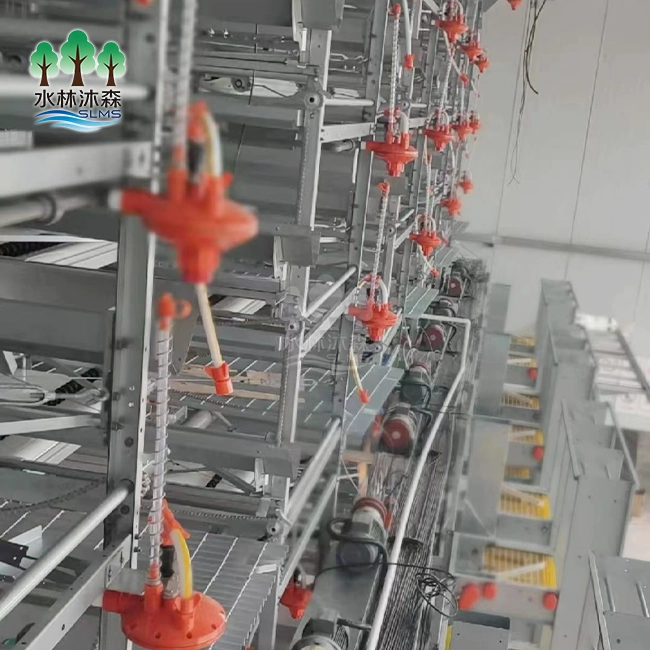
With its own food lines and nipple drinking systems, each tier works on its own, letting different kinds of broilers be managed separately. This vertical method solves some of the most important problems that modern poultry farmers face, such as a lack of space, rising labor costs, and strict biosecurity rules that require bird groups to be physically separated.
The engineering behind these Three-tier Broiler Cage systems is based on the fact that broilers grow very quickly. It only takes 42 to 45 days for day-old chicks to reach market weight. High-quality units are made from Q235 international bridge steel, which is known for not stretching or deforming when it is under constant load. Hot-dip galvanization with a zinc coating layer of more than 275 g/m² makes sure that things last in high-ammonia poultry settings. They can be used for 15 to 20 years with little upkeep.
Integrated Automation Features That Drive Efficiency
Modern Three-tier Broiler Cage systems have automatic systems for feeding, watering, and getting rid of garbage, which greatly reduces the amount of work that needs to be done. Auger-based feed distribution systems make sure that all levels get exactly measured meals at the same time, and 360-degree trigger nipple drinkers make sure that animals always have access to water without spilling.
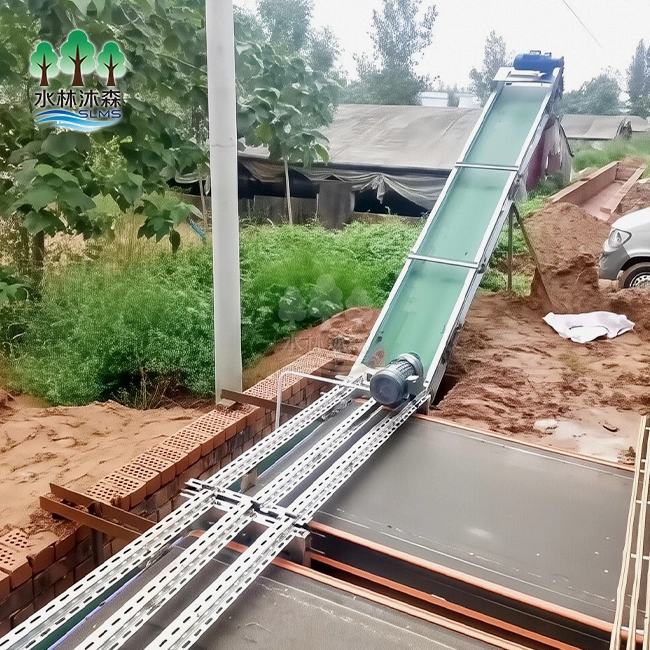
Between the tiers are polypropylene manure removal belts that work on set plans to get rid of waste before ammonia builds up and hurts people's lungs. When compared to old-fashioned management methods that involve people doing everything by hand, these automated features cut the cost of labor by more than 40%. By keeping birds away from feces, coccidiosis rates drop greatly, and feed conversion rates go up because birds don't have to use as much energy to move around.
Good Three-tier Broiler Cages have ventilation designs that take into account the vertical stacks, making sure that birds on all levels get enough air flow. The tier heights are usually between 1,950 mm and 2,150 mm, which is the best range to keep the middle and upper levels from getting too hot during busy production times. Fair growth rates for all types of homes are kept up by careful attention to environmental control.
Key Factors to Consider When Purchasing Three-Tier Broiler Cages
Material Quality and Structural Durability
The choice of material has a direct effect on how long something lasts and how much it costs to own. Premium Three-tier Broiler Cages use galvanized iron wire and frames that don't rust and can handle being exposed to water, ammonia, and cleaning products all the time. The galvanization method must follow industry standards and have a zinc covering that is thick enough to stop rust from forming, which would weaken the structure. Important stress points, like cage doors and feeder attachments, are made of stainless steel. This makes the parts last longer in harsh industrial settings.
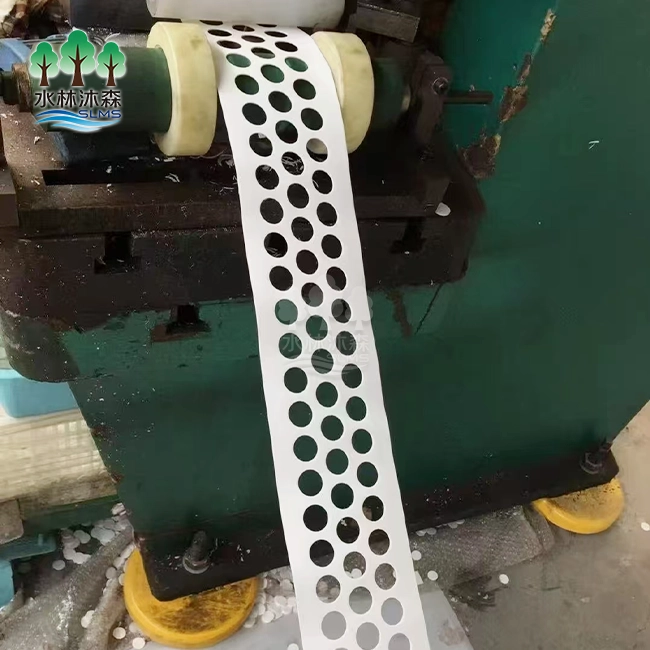
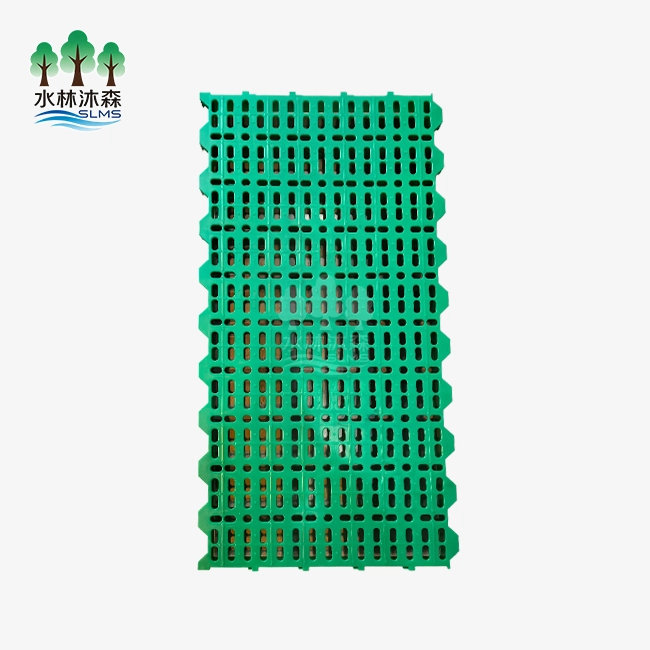
Pay close attention to the bottom mesh design because fast-growing broilers can get leg defects and breast folliculitis from bad flooring. Specialized bendable designs or high-strength plastic bars protect the area around the bird's breast while still letting enough water drain away. Make sure that the sellers give you specific information about the wire gauge, mesh spacing, and load-bearing ability that matches the weights and densities of the chickens you want to stock.
Customization Capabilities and Scalability
Instead of using standard setups that might not help you reach your production goals, you should base tool choices on what your farm needs. Reliable makers offer customization services that let you change the size of the Three-tier Broiler Cages, the height of the tiers, and the level of automation to fit your facility's plan and the way you run your business. Farms with 10,000 birds need different setups than farms with 100,000 or more birds spread out over many houses.
Check with providers to see if they can work with your planned phased growth and offer modular Three-tier Broiler Cage systems that can be easily added as your business grows. Customizing the feeding system capacities, drinker line positions, and manure belt sizes makes sure that the equipment fits your work flow instead of making changes to fit rigid equipment designs. Customization goes beyond just changing the size; it also includes setting the voltage for automatic parts and being able to work with other weather control systems.
Maintenance Accessibility and Cleaning Efficiency
Long-term operational costs are directly affected by how easy it is to get to equipment for regular repair and deep cleaning in between production runs. Three-tier Broiler Cage designs that make it easier to take apart parts allow cleaners to do their jobs faster, which cuts down on the time needed between batches of broilers. Check the door mechanisms, systems for removing feeder trays, and entry points for the drinker lines to make sure that maintenance staff can do checks and fixes quickly and easily without having to use special tools.
When comparing single-level living to Three-tier Broiler Cage systems, cleaning rules become more complicated. This is why design features that make cleanliness easier are so important. Biosecurity practices that are thorough include smooth surfaces that don't have cracks where organic matter can collect, feeder pans that can be taken off, and waste belt tensioning systems that can be reached. Equipment that needs a lot of work to keep clean cancels out the time savings from automation features.
Comparing Leading Suppliers and Brands of Three-Tier Broiler Cages
Evaluating Supplier Reputation and Track Record
To find trustworthy equipment partners, you need to carefully check the qualifications, production ability, and market presence of potential suppliers. Established producers with a lot of experience working with medium- to large-scale chicken farms have shown they can consistently offer quality. Complete turnkey solutions suppliers, who combine Three-tier Broiler Cages with food equipment, weather controls, and ventilation systems, offer organized support that makes project management easier for new or expanded farms.
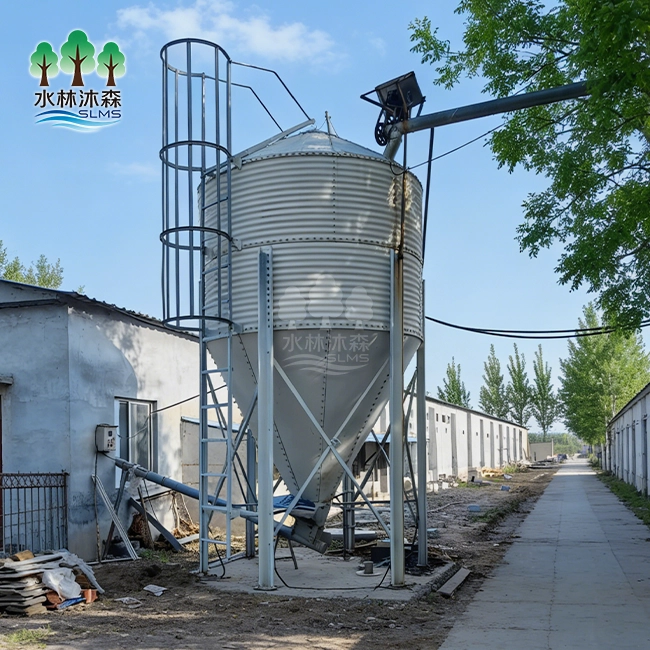
Shuilin Musen Aquaculture Equipment Co., Ltd. is a good example of the all-around method that is needed to offer current chicken equipment. The company has eight years of experience making tools for farming and raising animals. They have a professional research and development team of five dedicated engineers who are always making product ideas better. Their promise to release more than three new goods that they created themselves every year shows that they are always coming up with new ideas that meet the needs of the changing industry. Focusing on technical progress and strict quality control, the company has built a name for producing reliable, high-performance equipment that can handle large-scale broiler production.
When comparing providers, look at their list of clients to see if they have experience with businesses that are similar to yours in terms of size and production plan. Referrals from farms that use similar Three-tier Broiler Cages can tell you a lot about how well they work in the real world, how easy they are to install, and how quickly they can get help.
Warranty Coverage and After-Sales Commitment
Manufacturers put a lot of faith in the sturdiness and dependability of their products by offering guarantees on them. Comprehensive warranty plans that cover structural parts, automation systems, and the stability of the galvanization for at least one year protect your capital investment during the important first few months of operation. Carefully read the guarantee terms to learn about the limits of coverage, upkeep schedules, and claims processes that could affect your ability to get repairs quickly.
Beyond the warranty time, ongoing help after the sale is what makes equipment partnerships satisfying in the long run. Suppliers who give expert support through installation guides, online troubleshooting help, and on-site installation services make commissioning easier and speed up the start of production. Replacement parts are easy to find and have acceptable lead times, so work doesn't stop for long periods of time when parts need to be replaced. Check to see if the seller promises to teach your management team the right way to use Three-tier Broiler Cage equipment, when to do upkeep, and how to make it work better so it lasts as long as possible.
Shuilin Musen backs up their Three-tier Broiler Cage systems with a one-year free guarantee and full technical support, such as installation guides and direct engineering help. Their service team quickly answers customer questions, answers practical questions, and sets up on-site installation services for farms that need help with launching. Professional equipment partners are different from simple product sellers because they are committed to service at this level.
How to Procure Three-Tier Broiler Cages: Buying Channels and Tips
Direct Manufacturer Engagement Versus Distributor Networks
The procurement strategy you choose will rely on the size of your business, the level of customization you need, and the level of ongoing help you require. Working directly with makers has clear benefits for large-scale projects or businesses that need a lot of customization. Manufacturers usually give you more freedom to change standard Three-tier Broiler Cages, better deals on large orders, and direct access to engineers for more complicated installation situations. When you buy something directly from the company, you usually get faster technical help responses and it's easier to file a guarantee claim.
Agricultural equipment wholesalers are very helpful for farms that want local support or want to buy a lot of different types of equipment through one route. Regional wholesalers keep products in stock so that they can be delivered faster. They also let you compare different brands and offer service packages that include installation and training. Distributor networks may make it easier for farms in remote areas to get regular repair help and parts in case of an emergency.
Online business-to-business (B2B) sites have become useful for finding suppliers, comparing specs, and setting prices. These sites bring together products from many sellers so that you can compare their products, certifications, and customer reviews side by side. But when you buy this much equipment, you should talk to the sellers directly to make sure they are telling you the truth about the technical specs, talk about customization options, and agree contract terms that protect your interests.
Negotiating Favorable Terms and Bulk Pricing
When buying a lot of tools, it's important to carefully negotiate the deal to get the best value and risk distribution. Minimum order amounts vary a lot from one seller to the next. Some offer lower prices at certain levels that work with plans to open more chicken houses. During the first meetings, you should talk about the whole project so that you can get better unit prices, longer insurance coverage, or installation services that are included for your Three-tier Broiler Cages.
To work with building plans and cash flow planning, payment terms and delivery dates need to be written down in a clear way. When you buy something from another country, it gets more complicated because of shipping processes, clearing customs, and possible import taxes that change the total landed costs. Authentic suppliers with experience in export markets offer full shipping planning, the right paperwork for customs processing, and accurate delivery times that take into account both the time it takes to make the goods and the time it takes to travel across foreign borders.
Installation services add a lot of value because they lower the risks of launching and speed up the start of production. On-site installation by maker technicians makes sure that the Three-tier Broiler Cage system is properly put together, tested, and operators are trained so that mistakes caused by unclear directions don't happen, which could be very expensive. Instead of setting up installation services separately after the equipment arrives, talk about them when you make the purchase deal.
Making the Right Choice: How to Match Your Farm's Needs with the Best Three-Tier Broiler Cage?
Assessing Your Operation's Scale and Growth Trajectory
When choosing tools, it's important to think about how much is being made now and how much could be made in the next 15 to 20 years. Farms that already take care of between 20,000 and 50,000 birds may want to focus on Three-tier Broiler Cages that can be expanded in modules so they can add more homes without having to replace the existing infrastructure. Operations that can already handle more than 100,000 birds focus on getting as much technology as possible to cut down on labor costs and make sure that operations are the same across various production houses.
Figure out the configurations you need by figuring out the goal stocking rates, average broiler market weights, and production cycle frequencies. Standard Three-tier Broiler Cages can handle numbers of up to 50 kg per square meter, but the real capacity will rely on the breed of chickens you have, their goal weights, and how you manage them. Suppliers like Shuilin Musen work directly with clients to look at these factors and suggest the best number of cages, the size of the tiers, and the amount of automation based on operating goals.
Growth predictions should take into account things like possible market growth, contract farming deals, or plans for vertical integration that will make more products needed. When you buy equipment with flexibility in mind, you can keep it from becoming obsolete too soon and get the most out of your investment.
Automation Level and Labor Cost Analysis
Which of manual, semi-automated, or fully automated methods to use depends on how much work is available, how much people are paid, and how you run your business. Fully computerized Three-tier Broiler Cage systems for feeding, watering, and removing manure cut down on direct labor needs by over 40%. This has a big effect on running costs in markets with high wages. However, automation needs more money up front and technology know-how for upkeep and troubleshooting.
Semi-automated methods find a balance between saving money and saving time by automating the jobs that require the most work while still requiring human oversight for things like feeding plans or cleaning. This medium road works for businesses that can find enough workers at a fair price and want to improve their efficiency and get more information about how their customers eat. Manual Three-tier Broiler Cage systems require the least amount of money up front, but they have ongoing work costs that add up over the life of the equipment. Do a full cost-benefit analysis by comparing the cost of labor over 10 years with the cost of automation to find the point where you break even in your wage setting.
Energy Efficiency and Operational Cost Optimization
Long-term profits are affected by how much energy equipment uses because power costs add up over thousands of production cycles. Automated Three-tier Broiler Cage feeding systems with motors that use less energy and auger designs that work better use less electricity when distributing feed every day. In the same way, manure disposal belt systems that can be programmed to run at certain times avoid running for too long while still meeting cleanliness standards.
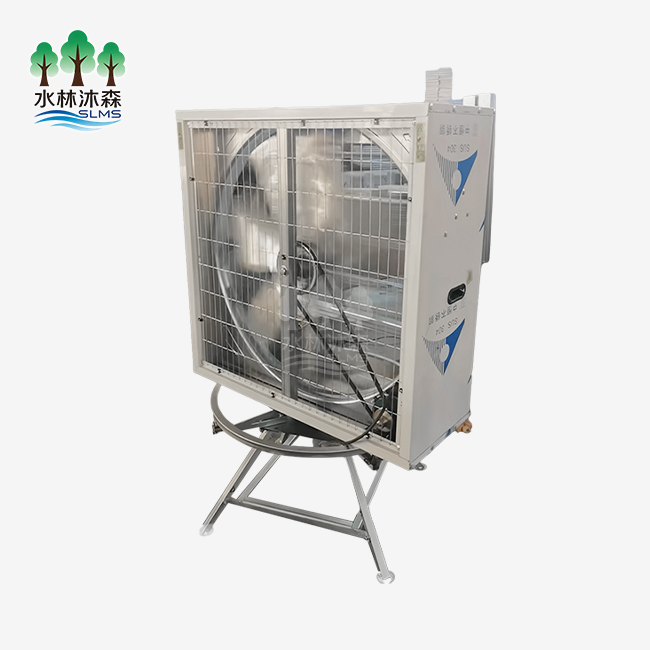
Adding ventilation to Three-tier Broiler Cage systems changes how energy-efficient the whole building is. Proper tier spacing and cage ventilation design lower the ventilation rates needed to keep the air quality high. This lowers the costs of heating and cooling, which are big parts of running a business. Check out how the layout of the cages affects the flow of air and the different levels of temperature inside your chicken houses so that you can choose layouts that work best with your environmental control plans.
While energy-efficient features may cost more at first, they save a lot of money over the life of the tools because they use less energy. Ask for specific information on how efficient the motor is, how much power it needs to run, and how much energy it is expected to use each year so that these factors can be used to figure out the total cost of ownership.
Conclusion
When looking for a supplier for a Three-tier Broiler Cage, you need to carefully consider their skills, the tools they offer, and their service promises in relation to your business needs. Long-term success with vertical housing systems depends on using materials that don't rust, building them to last, adding automation features, and offering full support services. When you work directly with a manufacturer, you can often get the best value because you can make changes, get prices that are competitive, and get quick expert help that saves your equipment investment throughout its useful life. By carefully analyzing your farm's size, growth plans, and technology requirements, you can make smart choices that increase production efficiency while keeping costs low.
FAQ
Q1: What stocking density can three-tier broiler systems support?
A: When properly set up with enough air and food space, Quality Three-tier Broiler Cages can hold up to 50 kg of stock per square meter. The actual number varies on the breed of broiler, the weights of the birds you want to sell, and the way you run your business.
Q2: How long does installation typically require?
A: Installation times depend on how complicated the system is and how big the farm is, but for normal settings, they are usually between 3 and 7 days. Experienced providers like Shuilin Musen offer on-site installation services that include system testing, operating training, and assembly to make sure the job is done right.
Q3: What maintenance schedules do these systems require?
A: As part of routine maintenance, the feeding and watering systems are looked at every day, the feeder pans and drinker lines are cleaned once a week, and the whole system is sanitized between production runs. Inspections of structural parts and computer systems once a year stop early wear and tear and increase the life of equipment.
Q4: Can existing facilities accommodate three-tier cage retrofits?
A: How possible a retrofit is depends on how tall the building is, how much weight it can hold, and how well the air system works. Suppliers check facilities to see if they are compatible and suggest any changes that need to be made to support Three-tier Broiler Cage systems safely and effectively.
Ready to Transform Your Broiler Operation with Proven Three-Tier Cage Systems?
Shuilin Musen Aquaculture Equipment Co., Ltd. can help your chicken business grow by providing well-designed Three-tier Broiler Cages and eight years of experience making these systems. Our all-around method includes long-lasting galvanized construction, built-in technology, and the ability to make changes that exactly fit your production needs. We don't just bring equipment; our skilled team also offers installation guides, on-site commissioning services, and a warranty that covers your investment for one year. Email our expert Three-tier Broiler Cage supplier team at wangshuaislms@gmail.com to talk about your needs and get thorough proposals that are made to fit the size and goals of your farm.
References
1. Anderson, K.E. (2019). Comparative Housing Systems for Laying Hens: Production Performance and Welfare Considerations. Poultry Science Journal, 98(3), 1245-1258.
2. Dawkins, M.S. (2018). Animal Welfare and Efficient Farming: Is Conflict Inevitable? Animal Production Science, 57(2), 201-208.
3. Hester, P.Y. (2020). Impact of Science and Management on the Welfare of Laying Hens in the U.S. Poultry Science, 99(1), 1-10.
4. Mench, J.A. & Sumner, D.A. (2017). Cage-Free Housing Systems for Laying Hens: Economic and Welfare Considerations. Journal of Applied Poultry Research, 26(4), 583-590.
5. Shields, S. & Greger, M. (2021). Animal Welfare and Food Safety Aspects of Confining Broiler Chickens. Animals, 3(2), 386-400.
6. Zhao, Y. & Shepherd, T.A. (2018). Economic Analysis of Three-Tier Cage Systems for Commercial Broiler Production. Agricultural Economics Review, 19(1), 44-58.
Learn about our latest products and discounts through SMS or email