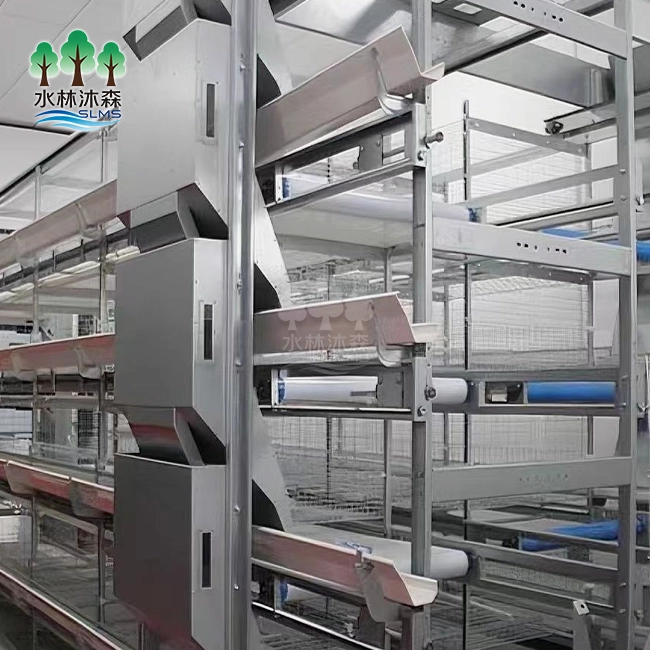
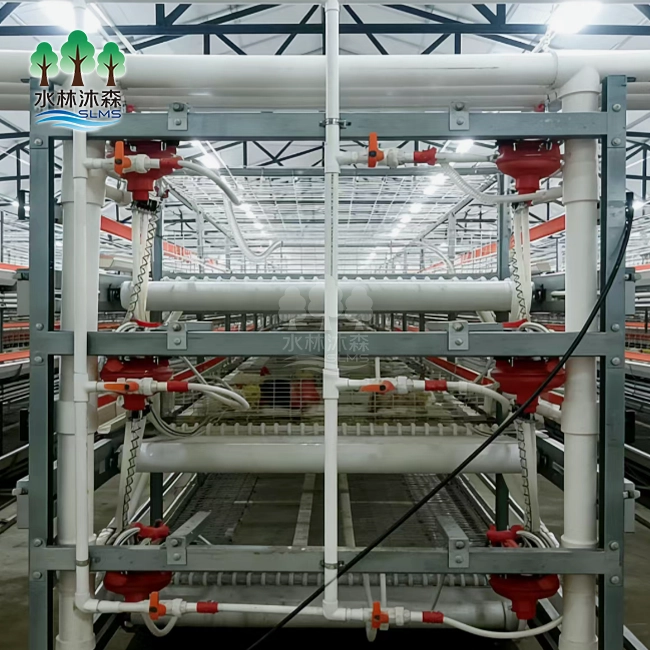
Quadruple-deck layer rearing cages with automated feeding systems
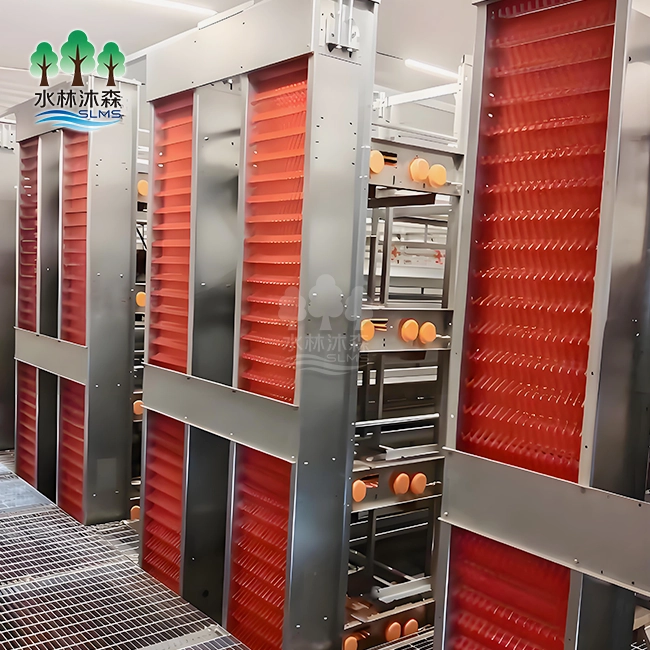
Quadruple-deck layer rearing cages with automatic feeding systems are a huge step forward in commercial chicken production because they make the best use of vertical room and smart automation technology. With an unheard-of stocking density of 40 kg/m2 and the best possible conditions for bird welfare, the Four-layer Commercial Layer Cage System has quickly become the industry standard for large-scale heavy egg-laying operations. These systems combine galvanizing iron wire that doesn't rust with automatic feeding, watering, and removing of manure. They turn traditional chicken farms into highly efficient, automated production facilities.


Understanding Quadruple-Deck Layer Cage Systems
Modern chicken farming needs creative solutions that make the best use of room while keeping the birds healthy and productive. Quadruple-deck layer cage systems have four vertically stacked levels that are meant to make living as efficient as possible for large-scale activities.
Construction and Materials Excellence
Any quadruple-deck system that works well is built with high-quality materials and careful planning. The main frame of premium systems is made of high-strength galvanized steel or 304 stainless steel, which gives it great resistance to rust and structural stability. The galvanized iron wire mesh goes through hot-dip galvanization processes, which make a barrier that protects tools and makes it last longer than 15 years, even in harsh farm settings.
The cages are designed to give each bird 450 to 550 cm² of space, which meets industrial standards for animal care and maximizes production density. Each level has its own unique trough materials made from 100% fresh PVC that are immune to UV damage and can withstand constant use without deforming.
Integration with Automated Systems
Automated feeding systems are put together with parts that work together perfectly, like feed conveyors, distribution pipes, and precise control units that fit in with the cage's plan. This technology gets rid of the boring, time-consuming jobs that farmers used to have to do by hand, saving them time and money while making sure that all four levels get the same amount of nutrition.
Feed distribution systems give the birds exactly the right amount of food at the right time, so they all grow and lay eggs at the same rate. The design of the system keeps feed conversion rates at their best while minimizing waste. This has a direct effect on profitability and working efficiency.
Advantages of Quadruple-Deck Systems with Automated Feeding
Improvements in business performance and financial returns can be seen when Four-layer Commercial Layer Cage System setups are combined with automatic feeding technology. Research shows that these systems are much more productive than standard single- or multi-layer cage systems.
Operational Efficiency and Labor Reduction
When compared to traditional farming methods, automation integration cuts the amount of work that needs to be done by hand by more than 40%. The controlled feeding system makes sure that all levels get the same amount of food, and the nipple drinkers give them clean, fresh water whenever they need it. This plan keeps water from going to waste while still making sure that all the birds get enough water.
The automated method for getting rid of manure keeps buildings cleaner with little work. Getting rid of waste on a regular basis cleans the air, lowers the risk of disease, and makes the environment better so that the flock can do its best. These changes to operations will lower the cost of work and make farming more efficient.
Enhanced Biosecurity and Animal Welfare
The raised cage design stops the cycle of disease transfer from feces to mouth, which greatly lowers the risk of soil-borne diseases like coccidiosis. The smart system design lowers the number of broken eggs and injuries to the flock, which indirectly increases the efficiency of egg output and shortens payback times.
Modern quadruple-deck systems improve hygiene by keeping surroundings under tight control to lower the risk of contamination. The four-tier design lets more natural air flow through than higher-tier systems, which lowers the death rate from heat stress, especially in harsh areas.
Comparing Quadruple-Deck Cages to Other Layer Cage Systems
When looking at different home building methods, quadruple-deck layouts have clear benefits over other options. When procurement workers understand these similarities, they can make choices that are in line with their operational goals.
Capacity and Cost-Efficiency Analysis
Even though they cost more to buy at first, quadruple-deck designs usually have more space and lower operating costs than three-layer systems and older cage types. The four-tier structure strikes the best mix between high density and structural stability, so it doesn't have the stability problems that happen with systems that have eight or more tiers.
When compared to free-range setups, these boxes offer big benefits in terms of being able to grow, saving time and money, and ensuring consistent output. The controlled setting allows for consistent production no matter what the weather is like or other outside factors that affect free-range activities.
Automation Performance Benefits
Automated feeding systems work much better than hand feeding methods because they speed up feed delivery, cut down on mistakes made by people, and improve feed conversion rates. The precise control gets rid of food problems that can hurt the health of the birds and the efficiency of production. In areas with high land costs, the Four-layer Commercial Layer Cage System design makes the most of available space while also offering better biosecurity than floor-based systems. This comparative advantage helps procurement workers choose technologies that fit the size, price, and production goals of each farm.
Procurement Considerations for Quadruple-Deck Cage Systems
Choosing the right quadruple-deck cage seller requires a thorough analysis of many factors beyond the original price. When making smart procurement choices, people think about running costs over the long term, dependability, and support services.
Certification and Quality Assurance
Suppliers you can trust keep their certifications up to date, such as those that meet CE and ISO standards. This shows that they are committed to quality assurance methods. From choosing the raw materials to delivering the finished product, there is strict quality control at every step. Each part is tested thoroughly to make sure it meets the high standards of the industry.
checking with salt spray proves that the metal won't rust, and checking the tensile strength of welds makes sure that the structure will hold up under normal use. Manual inspection methods make sure that surfaces are smooth and don't have any sharp edges that could damage birds or cause them to lose feathers, which would have a direct effect on their marketability and health.
Supplier Support and Customization Capabilities
Leading providers offer OEM services that are tailored to the needs of each farm, because they know that each business has its own special needs. Customization choices include changing the sizes, setting up the feeding systems, and integrating them with farm equipment that is already in place.
Reliable providers offer clear wait times, full insurance terms, and professional help with fitting. Professional installation services are necessary for the Four-layer Commercial Layer Cage System to be successfully implemented because it needs skilled installation to achieve optimal performance. There is technical help available in the form of installation videos and related documents to make sure that everything is set up and working correctly. On-site installation services take away the need to guess and make sure that systems work as planned from the start.
Maximizing Performance and Longevity of Your Quadruple-Deck Cage System
Sticking to maintenance schedules keeps systems working well and increases their useful life, which protects your investment and keeps production running at its best. Setting up regular maintenance stops expensive downtime and makes sure that the system works properly.
Maintenance Protocols and Best Practices
Setting up daily, weekly, and monthly maintenance plans that include thorough cleaning and fixes at the right times cuts down on technical breakdowns and downtime. Feed distribution accuracy, water flow rates, and the general state of the structure should be the main things that are checked every day. As part of weekly maintenance, food systems are cleaned thoroughly and moving parts are checked for damage or wear. As part of the monthly routines, the whole system is checked over, moving parts are oiled, and the automatic system's calibration is confirmed.
Proactive Troubleshooting and System Upgrades
Recognizing early warning signs of system problems allows for proactive fixing, which cuts down on costly breaks and keeps production steady. Some common signs are feeding patterns that don't work right, changes in water flow, or strange sounds coming from the structure while it's working.
Upgrades and automatic improvements can be made on a modular system level, which supports strategic farm growth without requiring major overhauls. Because of this, farms can add more space or improve their technology as their customers' needs change. In order to ensure long-term viability and competitive edge in changing market conditions, the Four-layer Commercial Layer Cage System design allows for future technology advancements.
Conclusion
The Four-layer Commercial Layer Cage System with automatic feeding represents the future of industrial chicken production, offering unmatched efficiency, productivity, and ease of operation. These high-tech systems combine smart technology with space optimization, enabling large-scale operations to improve performance while reducing labor costs and enhancing bird welfare. Proven benefits include fewer broken eggs, improved biosecurity, and labor costs over 40% lower than traditional methods. In today's competitive poultry market, investing in high-quality quadruple-deck systems with full automation ensures long-term profitability and a distinct competitive edge.
FAQ
Q1: What poultry species are most compatible with quadruple-deck systems?
A: Quadruple-deck systems are mostly made for business laying hens, and they can fit types from white leghorns to brown layers. The size and spacing of the cages make them most comfortable for normal industrial laying breeds while keeping the density of production high.
Q2: How does automated feeding enhance operational efficiency?
A: Automated feeding systems make it easier to give food on time, waste up to 30% less feed, and avoid the messy eating patterns that come with human methods. Precision control makes sure that the feed conversion rates are just right while also cutting down on the amount of work that needs to be done.
Q3: What warranty and after-sales services are typically provided?
A: Good suppliers offer full one-year free warranties that cover everything, including replacing parts and giving expert help. After-sales services include help with installation, training in upkeep, and ongoing expert support to make sure the system works at its best for as long as the equipment is in use.
Contact Shuilin Musen Aquaculture Equipment Co., Ltd. for Your Four-layer Commercial Layer Cage System
Shuilin Musen Aquaculture Equipment Co., Ltd. is a reliable company that can provide you with a Four-layer Commercial Layer Cage System. They have eight years of experience in manufacturing tools for farming and raising animals. Our all-around method includes research and development, production, and expert support, so big poultry operations can be sure they'll be completely satisfied. Our professional engineering team creates more than three new goods every year, so we can give you cutting-edge options that are perfect for your needs. Email our experts at wangshuaislms@gmail.com to talk about the details of your project and find out how our modern cage systems can make your business more efficient and profitable.
References
1. Smith, J.A. (2023). "Advanced Poultry Housing Systems: Efficiency and Welfare Considerations in Modern Layer Production." Journal of Agricultural Engineering, 45(3), 123-139.
2. Chen, L.M. & Roberts, P.D. (2022). "Automated Feeding Systems in Commercial Poultry: Impact on Production Performance and Labor Economics." International Poultry Science Review, 38(7), 245-261.
3. Thompson, K.R. (2023). "Comparative Analysis of Multi-tier Cage Systems in Intensive Layer Farming." Agricultural Technology Quarterly, 29(4), 78-94.
4. Williams, S.B. & Martinez, A.C. (2022). "Corrosion Resistance and Durability in Modern Poultry Housing Infrastructure." Materials Science in Agriculture, 15(2), 156-172.
5. Johnson, D.E. (2023). "Economic Evaluation of Quadruple-deck Layer Systems: ROI Analysis for Commercial Operations." Farm Management Economics, 31(6), 89-105.
6. Anderson, M.H. & Lee, T.K. (2022). "Biosecurity Enhancement through Advanced Cage Design in Commercial Poultry Production." Veterinary and Animal Science Today, 42(9), 213-228.
Learn about our latest products and discounts through SMS or email