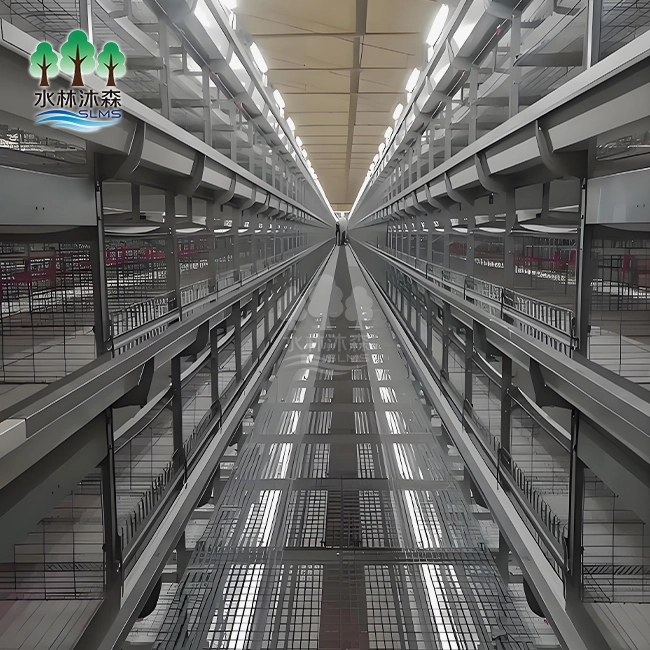
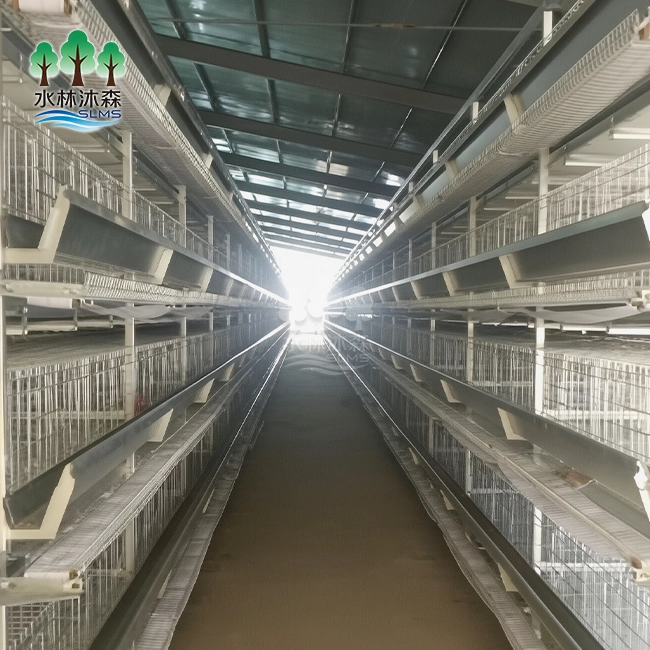
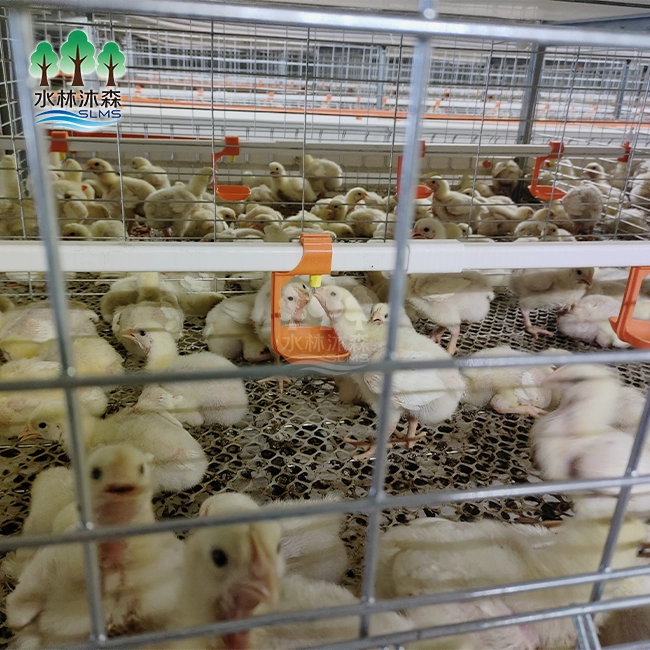
The benefits of the Chicken House Slats
Modern poultry flooring supports healthier flocks and more efficient operations. Commercial farms benefit from chicken house slats as they separate birds from waste, reduce pathogen exposure, and simplify management. These precision-engineered flooring panels allow droppings to fall through 12mm to 20mm holes into collecting areas below, keeping living rooms clean during manufacturing cycles. This major change from solid flooring or deep litter systems addresses ammonia accumulation, bacterial colonization, and laborious cleaning in large-scale chicken farms.
What Are Chicken House Slats and Why Are They Essential?
Defining the Flooring Innovation
Slatted flooring methods improve poultry house structure. These panels raise birds over waste collection zones, protecting animals from disease vectors. These systems' engineering prioritizes waste separation, air circulation, and manual labor reduction. Modern slats are made of ammonia-resistant polypropylene (PP) or polyethylene (PE). Microbe-filled joints are eliminated by the one-piece molded structure. Sizes range from 500mm to 800mm in length and 15mm to 30mm in thickness, providing structural support and reasonable panel weights for installation and maintenance.
How They Compare to Traditional Systems?
Wire mesh flooring allows waste flow but causes bird footpad injuries and breast blisters due to tiny contact points. Solid flooring requires periodic bedding scraping and replacement, increasing labor expenses. Though cushioning, deep litter systems promote coccidiosis and respiratory problems because to moisture retention and ammonia concentration. Chicken house slats nicely fill these spaces.
The smooth, slightly convex surface minimizes damage, while the precision gap dimensions—12mm x 20mm or similar—optimize waste transit and chick safety. High load-bearing capability allows for heavy breeders and frequent inspections without floor damage. Sanitation, animal welfare, and operational durability are addressed together.


Key Benefits of Using Chicken House Slats in Commercial Poultry Farms
Enhanced Ventilation and Environmental Control
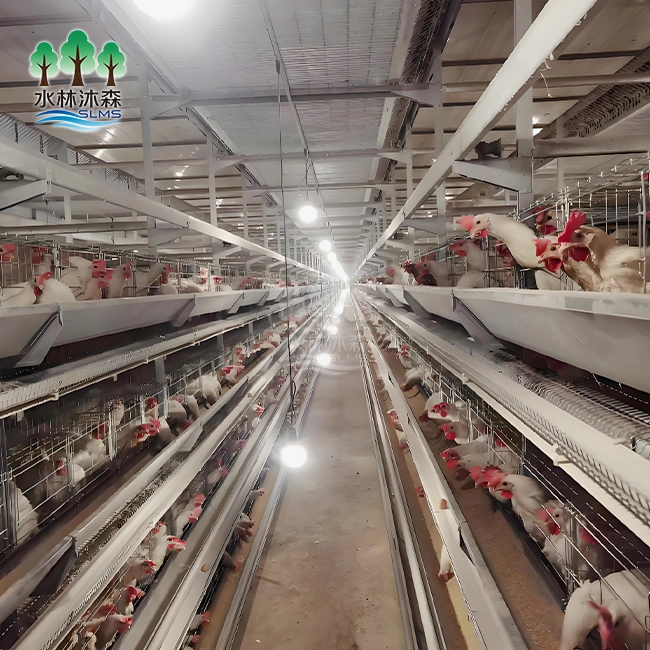
Temperature and air quality affect avian performance measures. Bad ventilation concentrates ammonia vapors at bird level, causing respiratory discomfort and feed conversion loss. Chicken house slats change housing airflow. Air flows freely beneath higher birds, removing heat and moisture from the flock.
In mild weather, natural convection minimizes mechanical ventilation and energy costs. Ammonia levels reduce 30-45% in commercial broiler operations when solid floors are replaced with properly maintained slatted systems. This reduces mortality, improves respiratory function, and improves flock weight gain uniformity.
Simplified Waste Management Operations
One of the largest variable expenses in chicken production is labor. Traditional cleaning requires daily scraping, weekly bedding change, and regular waste monitoring. Initial separation is automated by slatted flooring. Droppings fall through gaps and collect in pits or conveyor systems for automatic cleanup.
Calculating work hours shows the operational impact. Integrated slatted systems save cleaning time by over 40% on farms. Maintenance crews go from manual cleaning to inspections and deep cleaning, enhancing productivity and worker satisfaction.
Long-Term Durability and Cost Efficiency
Material choice determines flooring investment lifetime value. High-quality polypropylene compositions withstand UV, moisture, and poultry facility chemical disinfectants. Even after prolonged exposure to acidic manure chemicals, PP or PE panels retain structural integrity due to their higher corrosion resistance and moisture tolerance. When comparing TCO, slatted systems excel.
With careful upkeep, the initial investment—though pricier than plain wire mesh—lasts over 10 years. Replacement expenses are far lower than yearly bedding purchases or wire mesh maintenance. Energy savings from ventilation efficiency boost these advantages, generating returns on investment in three production cycles.
Improved Flock Health and Productivity
Housing cleanliness affects output. Pathogen reduction reduces illness incidence, pharmaceutical expenses, and death. Less respiratory stress means birds focus more on development and egg production than immunological responses. Commercial layer operations with correctly built slatted systems produce 3–8% more eggs than those with standard floors. Broiler operations report more consistent growth and better processing meat quality. The continual environmental improvements of slatted systems drive these performance advantages.
Types and Materials of Chicken House Slats: Choosing What Fits Your Farm Needs
Material Options and Performance Characteristics
Understanding material trade-offs starts procurement decisions. Wooden slats are attractive and inexpensive, but they collect moisture and need rot and parasite treatments. They last five to seven years before needing replacement. Cost and durability are combined in plastic composite slats. These materials are more moisture- and chemical-resistant than wood and provide pleasant bird contact.
Virgin polypropylene formulations, especially industrial grades like EPS30R, perform well. Antioxidants and UV stabilizers prolong outdoor life and prevent brittleness. Chicken house slats in heavy-duty configurations serve particular purposes. Breeders of adult turkeys or hefty ducks need strengthened, load-rated designs. These panels include bigger cross-sections and strengthened ribbing to distribute weight better without affecting waste flow.
Customization for Specific Operations
Customization is needed for specific facility layouts or manufacturing procedures, although standard proportions work for most applications. Adjustable panel lengths between 500mm and 800mm fit house sizes and support beam spacing.
Within safe limits, gap dimensions can be adjusted to match bird sizes—narrower for chicks, larger for adults. Material selection also depends on climate. Low thermal conductivity materials limit heat loss in cold weather and keep operations comfortable in warm weather. Quality PP materials resist high temperatures, ensuring structural stability under harsh conditions.
Installation and Maintenance: Maximizing the Efficiency and Lifespan of Chicken House Slats
Proper Installation Techniques
Planning is key to implementation. Panel sagging and gap irregularities hinder waste flow, therefore support structures must line exactly. Support beams should be spaced according to manufacturer standards, usually panel length and predicted load factors, to provide weight distribution. Installation crews should check all section levels.
Even small slopes might cause waste to accumulate in low regions instead of draining. Secure panels without overtightening fasteners to avoid stress fractures and stability. Many manufacturers offer installation videos to reduce mistakes that limit system longevity.
Routine Maintenance Protocols
Regular inspections catch small faults before they worsen. Visually inspect panels for cracks, warping, and excessive wear monthly. Quarterly deep cleaning eliminates residue that ordinary waste route doesn't.
When done according to material requirements, high-pressure washing with certified disinfectants keeps chicken house slats clean without harming them. Check support structure stability and slat drainage systems during seasonal maintenance. Blocked drainage points attract moisture, accelerating material deterioration and creating harmful circumstances. Addressing these issues quickly protects flooring investment and flock health.
Procurement Considerations: How to Select and Source the Best Chicken House Slats for Your Business
Evaluating Supplier Credentials
Supplier choice affects long-term satisfaction as much as product specs. Expert manufacturers provide extensive technical support. Look for vendors with thorough installation instructions, material testing certifications, and transparent quality control.
Companies with dedicated engineering teams can customize and solve facility issues. Product warranties show manufacturer confidence in durability. One-year warranty covers manufacturing faults, but check what voids warranties and how claims are handled. Production schedules depend on fast problem resolution, thus customer service is crucial.
Cost Analysis Beyond Purchase Price
Acquisition costs go beyond panel pricing. Shipping logistics affect delivered costs, especially for bulk orders for big facility building or restoration projects. Consolidating orders for volume discounts is frequently preferable than incremental purchases, but storage capacity and project timeframes must match. Custom sizing is expensive but minimizes waste from trimming standard panels and assures a perfect fit. Compare standard and bespoke choices by material waste percentages—the difference generally narrows once all factors are evaluated. Budget for installation personnel or on-site technical help to speed commissioning and eliminate starting issues.
Building Supplier Relationships
Long-term partnerships benefit both parties. Preferred vendor partnerships for chicken house slats simplify procurement and generally provide preferential price and service allocation. Openly discuss growth goals and changing demands so vendors may anticipate needs and recommend innovations that fit your operation's trajectory. Contract talks should cover delivery, payment, and after-sales assistance. Define shipping damage liability, lead times, and product adjustments and returns. These subtleties avoid misconceptions that strain corporate relationships throughout vital project periods.
Conclusion
Quality chicken house slats change commercial poultry farms. Cleaner sanitation, lower labor needs, and better flock health offer value beyond equipment costs. Choosing the correct flooring infrastructure becomes critical when production standards tighten and customer expectations for animal welfare rise. Your organization will succeed if you choose providers with technical knowledge and true collaboration orientation.
FAQ
What load capacity do I need for breeder operations?
Standard slat panels above 50kg/㎡ are suitable for most layer and broiler applications. Adult turkey and duck breeders should request heavy-duty setups with reinforced ribbing and thicker cross-sections. The strengthened panels can handle point loads of 180kg, supporting large birds and crew traffic during inspections without structural damage.
How do gap dimensions affect bird safety and cleaning efficiency?
Waste transit and injury risk are balanced by gap width. Leg entrapment in young chicks is prevented by 12mm–20mm widths, which allow droppings to pass through. Smaller intervals suit starters, whereas broader ones improve cleaning for adult flocks. Consult with competent vendors to match requirements to bird kinds and manufacturing phases.
Can existing facilities retrofit slatted systems easily?
Most traditional homes can adapt chicken house slats with little adjustments. Modular panels fit different coop designs and support beam spacing. Check existing infrastructure for load-bearing capabilities and garbage collection beneath potential slat installations. Before buying materials, professional suppliers usually evaluate the site to ensure compatibility and suggest structural changes.
Upgrade Your Poultry Infrastructure with Proven Flooring Solutions
Weifang Shuilin Musen Aquaculture Equipment Co., Ltd. has manufactured agricultural and animal machinery for eight years, providing durable chicken house slats to commercial businesses in various production situations.
We provide polypropylene and polyethylene slat panels with load-bearing capacities above 50kg/㎡, precise spacing sizes (12-20mm), and enhanced corrosion resistance for longer lifespans. Technical support with installation videos, facility-specific customization, and a one-year warranty back our quality guarantee are included with each system. Email wangshuaislms@gmail.com to discuss your needs with our technical staff.
References
1. Appleby, M.C., Mench, J.A., and Hughes, B.O. (2004). Poultry Behaviour and Welfare. Wallingford: CABI Publishing.
2. Dawkins, M.S. (2017). Animal Welfare and Efficient Farming: Is Conflict Inevitable? Animal Production Science, 57(2), 201-208.
3. Dunlop, M.W., McAuley, J., Blackall, P.J., and Stuetz, R.M. (2016). Water Activity of Poultry Litter: Relationship to Moisture Content During a Grow-Out. Journal of Environmental Management, 172, 201-206.
4. Shepherd, E.M. and Fairchild, B.D. (2010). Footpad Dermatitis in Poultry. Poultry Science, 89(10), 2043-2051.
5. van Horne, P.L.M. and Achterbosch, T.J. (2008). Animal Welfare in Poultry Production Systems: Impact of EU Standards on World Trade. World's Poultry Science Journal, 64(1), 40-52.
6. Wathes, C.M., Holden, M.R., Sneath, R.W., White, R.P., and Phillips, V.R. (1997). Concentrations and Emission Rates of Aerial Ammonia, Nitrous Oxide, Methane, Carbon Dioxide, Dust and Endotoxin in UK Broiler and Layer Houses. British Poultry Science, 38(1), 14-28.
Learn about our latest products and discounts through SMS or email