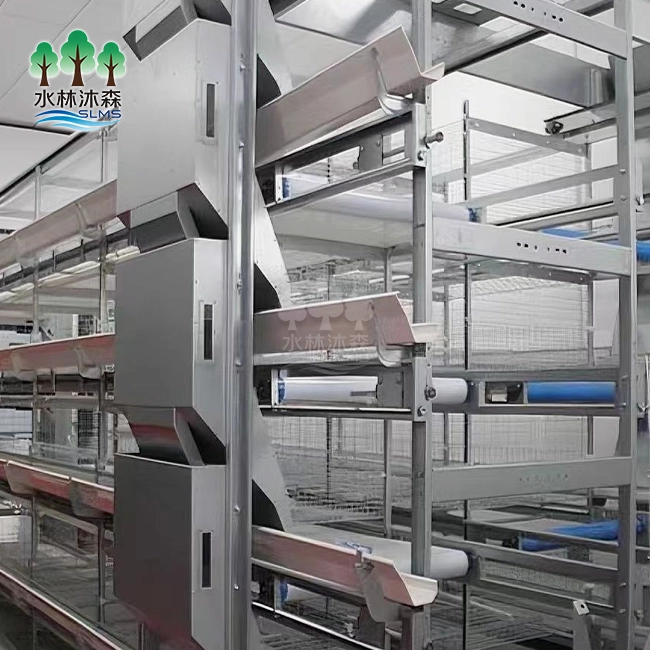
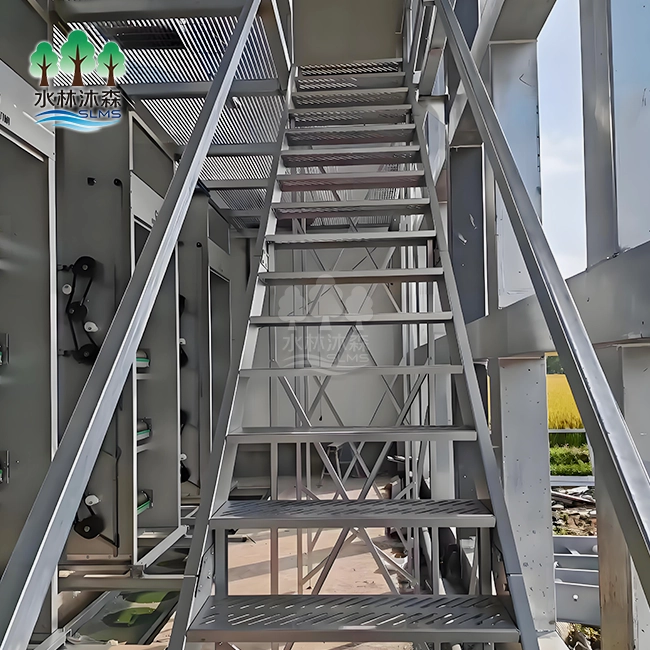
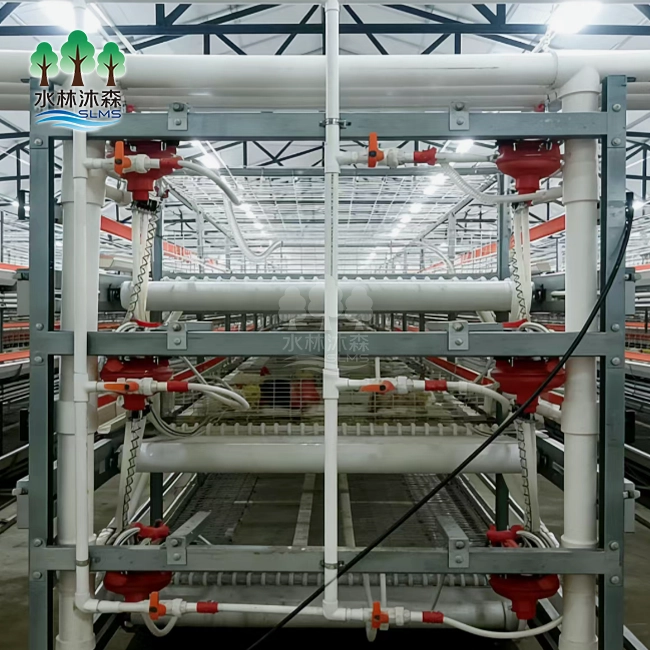
Three-layer Commercial Broiler Cage System
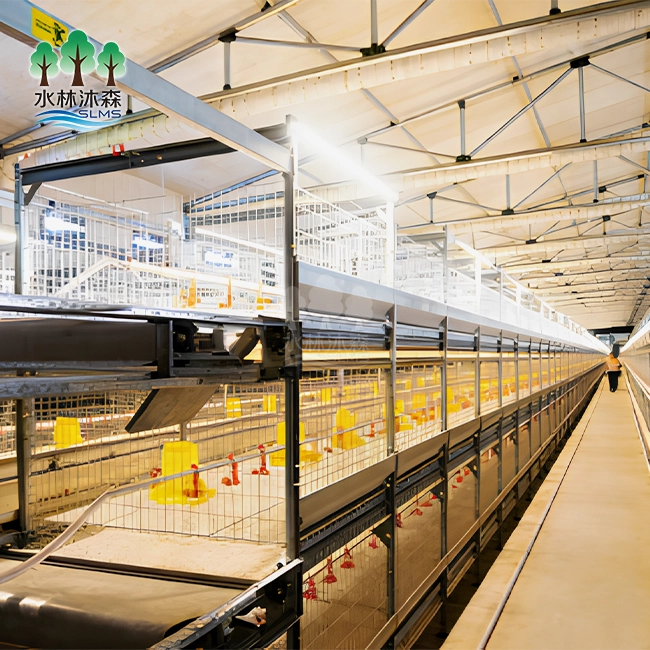
2. Core Specifications: Stocking density 50KG/㎡, corrosion-resistant galvanized iron wire and frame, automatic manure removal, automatic feeding, and automatic watering for modern farms.
3. Technical Support: Provides installation videos and other supporting technical support.
4. Installation Service: On-site installation service available.
5. After-sales Service: 1-year free warranty.
6. Product Advantages: Reduces labor costs and improves farming efficiency; accelerates weight gain, reduces the risk of disease transmission, and is suitable for broiler farming of different sizes.
7. Customization available according to customer needs.
Three-layer Commercial Broiler Cage System Production Infrastructure
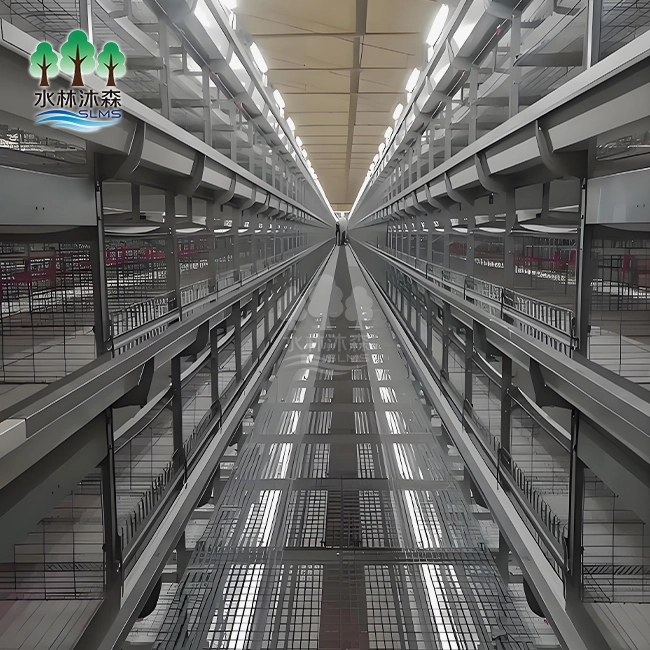
The Three-layer Commercial Broiler Cage System from Weifang Shuilin Musen Aquaculture Equipment represents a strategic advancement in intensive meat poultry production. This system maintains the highest criteria for bird welfare while achieving a density rating of 50KG/㎡ thanks to its H-type vertical stacking architecture. The structure ensures more than 15 years of operation in high-ammonia conditions because it is constructed from Q235 hot-dip galvanized steel wire with a zinc covering of more than 275g/m². Measuring 125 cm (L) by 160 cm (W) by 45 cm (H), individual cage units can handle layered and staged broiler management from day-old chicks to 42–45 day harvest cycles. When compared to conventional floor systems, fully integrated automation for feeding, watering, and manure removal reduces manpower dependency by more than 40%.
Core Structure and Material Engineering
Infrastructure for your production facility must be able to endure the demanding conditions of commercial broiler farming. The globally recognized Q235 bridge-grade steel used in the cage framework was chosen for its exceptional tensile strength and resistance to deformation under dynamic live-weight loads.
Every wire strand is penetrated by hot-dip galvanization treatment, which produces a zinc barrier that is resistant to moisture buildup and corrosive ammonia fumes. By metallurgically bonding zinc to the steel substrate, this method goes well beyond surface coating and stops rust from forming even in the event of slight scratches during regular operations.
Without the need for intricate structural engineering, the three-tier arrangement maximizes vertical space. You can handle multiple age groups concurrently or run uniform-batch production cycles in accordance with your market contracts because each level retains separate feeding and watering lines.

Technical Specifications
| Component | Details |
|---|---|
| Cage Dimensions | 125cm (L) × 160cm (W) × 45cm (H) per unit |
| Material | Q235 steel wire, hot-dip galvanized |
| Service Life | Over 15 years |
| Stocking Density | 50KG/㎡ |
| Structure Type | H-type three-layer integrated design |
| Core Components | Cage frame, cage mesh, feed trough, nipple drinker, water pipe |
| Integrated Systems | Automatic feeding, automatic watering, automatic manure removal |
| Coating | Corrosion-resistant galvanization |
| Weight Distribution | Scientifically engineered to prevent deformation |
Automated Integration for Labor Efficiency
In order to keep expenses under control and uphold biosecurity standards, modern broiler operations require very little human involvement. The infrastructure for automated drinking, feeding, and waste disposal is easily integrated with this cage system.
Feed spills are prevented and waste is reduced by up to 15% thanks to automatic auger feeding lines that supply correct nutrition quantities to each tier. Your entire flock will have regular growth curves thanks to the customizable delivery schedule.
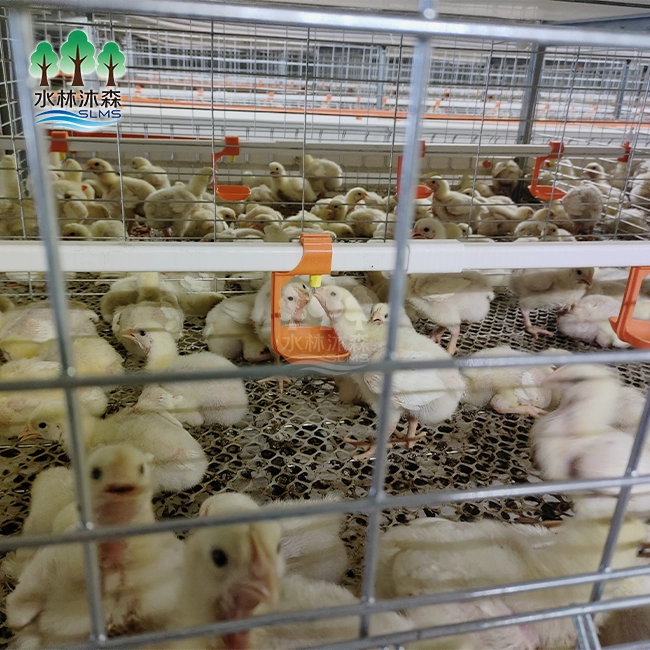
While preventing spills that produce humid conditions conducive to the growth of pathogens, nipple drinking systems offer access to clean water. In order to promote natural pecking behavior without wasting water, each drinker runs at pressure levels unique to broilers.
Beneath each tier, the automated manure belt system moves waste to designated locations for collection. Feed conversion ratios are improved, medication expenses are reduced, and the prevalence of coccidiosis and respiratory illnesses brought on by ammonia accumulation is significantly decreased when birds are kept far from fecal matter.
Disease Control and Growth Optimization
Your profitability depends on achieving target weights within standard grow-out periods while minimizing mortality and medication expenses. The elevated cage environment eliminates direct contact with accumulated manure, breaking the transmission cycle of intestinal parasites and bacterial infections common in floor systems.
Controlled density prevents aggressive pecking and competition stress, promoting uniform weight gain across the flock. This uniformity becomes critical when your slaughter facility operates automated processing lines requiring consistent bird sizing.
The cage floor design incorporates flexibility to prevent breast blisters and leg deformities—quality defects that lead to carcass downgrades. This attention to meat quality parameters directly impacts your revenue per bird, especially when supplying premium retail channels.

Versatile Application Across Farm Scales
Whether you operate a 10,000-bird peri-urban facility or a 50,000-bird closed-house operation, this three-layer system adapts to your operational model. The manageable height suits both naturally ventilated semi-open houses in tropical climates and fully climate-controlled facilities in temperate zones.
For farms near urban centers facing expensive land costs, vertical multiplication through this system allows commercial viability on limited footprints. You achieve Three-layer Commercial Broiler Cage System volumes previously requiring triple the ground area, dramatically improving your return on real estate investment.
The system supports segmented feeding strategies for starter, grower, and finisher phases. Adjustable stocking densities accommodate breed-specific requirements, whether you raise standard Cobb strains or specialized slow-growth genetics for niche markets.
Installation and After-Sales Support
Your investment includes comprehensive technical assistance beyond equipment delivery. Installation guidance through detailed video tutorials and remote technical consultation ensures correct assembly and system commissioning.
For complex projects, on-site installation assistance is available to supervise structural integration with your existing infrastructure. Our support team coordinates with your civil contractors to ensure proper foundation loading and ventilation system interfacing.
A 12-month warranty covers manufacturing defects and material failures, protecting your capital investment during the critical first production cycles. Post-warranty technical support remains available as your operation scales or requires system modifications.
Why Choose This System for Your Operation
Space utilization efficiency translates directly to lower rental or land costs per bird produced. By stacking production vertically, you reduce the building footprint required for target capacity, minimizing construction expenses and property taxes.
The scientific weight distribution engineering prevents structural deformation even after years of continuous operation. Disassembly for maintenance or reconfiguration requires only basic tools, avoiding costly downtime during equipment servicing.
Customization capabilities mean the system adapts to your facility dimensions rather than forcing you to modify buildings around standard equipment sizes. Whether you need adjusted tier heights for specific breeds or modified unit lengths for existing building columns, tailored solutions are available.

Frequently Asked Questions
Q: What is the maximum recommended stocking density for each single cage compartment?
A: Calculated based on the finished weight of broilers, the system can safely bear a load of up to 50kg per square meter. If the target slaughter weight is 2.5kg per chicken, around 15–18 birds can be raised in each standard 125×160cm cage unit. The actual stocking density can be adjusted flexibly according to poultry breed, local climate conditions and your poultry welfare management standards.
Q: How does galvanizing quality influence long-term operating costs?
A: The thickness of the zinc coating directly decides the anti-corrosion performance of the cage. Our cages adopt a zinc coating weight of no less than 275 grams per square meter, which can stay free of rust for more than 15 years even in high humidity and high-ammonia harsh breeding environments. Products with inferior galvanizing treatment need overall replacement within only 5 to 7 years; the subsequent replacement and maintenance expenses will far outweigh the small savings on the initial purchase cost.
Q: Is this cage system compatible with my existing feeding equipment?
A: The cage frame is designed to fit both chain tray feeding machines and auger spiral feeding systems. During our communication and technical consultation, we will survey your original farm supporting facilities, put forward matched connecting transition schemes. If you construct a brand-new poultry house, we can also provide a complete set of integrated feeding and breeding solutions.
Q: What ventilation standards need to be met for the three-layer stacked cage system?
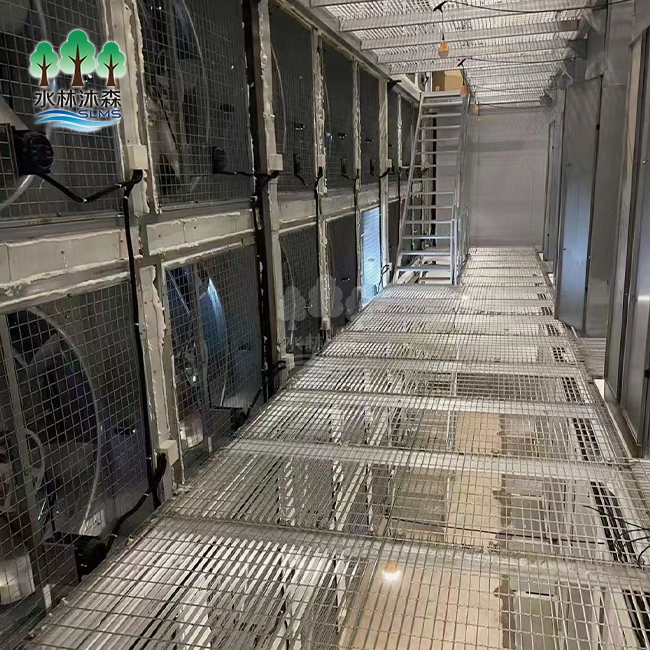
A: It is necessary to guarantee an average air flow speed of at least 0.5 m/s at the poultry activity area of all three layers. For houses relying on natural ventilation, the opening area of side air inlets shall be calculated in combination with local prevailing wind conditions. For fully climate-controlled closed chicken houses, the exhaust fan air volume shall be configured at 0.8–1.0 cubic meters per chicken per hour.
Q: What advantages does the cage system have over ground litter rearing in disease prevention and control?
A: Since poultry are completely isolated from manure, the incidence of coccidiosis can be reduced by 60%~70%. Thanks to the continuous removal of manure to lower ammonia concentration near the flock, the occurrence rate of respiratory diseases is cut by roughly 40%. On the whole, the veterinary drug expenditure for each breeding cycle can be lowered by 15%~20%.
Get Started Today
Ready to transform your broiler farming operation? Our three-layer commercial broiler cage system offers the reliability, efficiency, and performance your business needs.
Contact our team to discuss your specific requirements. We'll help you design a customized solution that maximizes your investment and productivity.
Email: slms-equipment.com@slms-equipment.com
Learn about our latest products and discounts through SMS or email