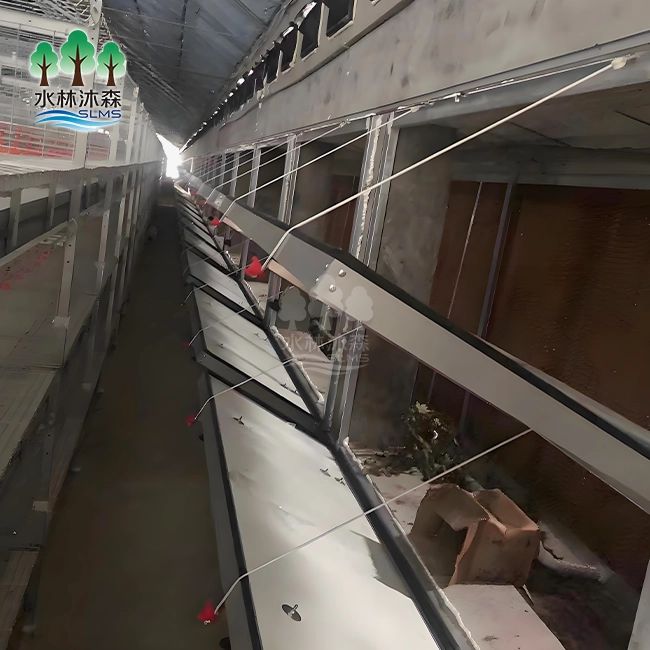
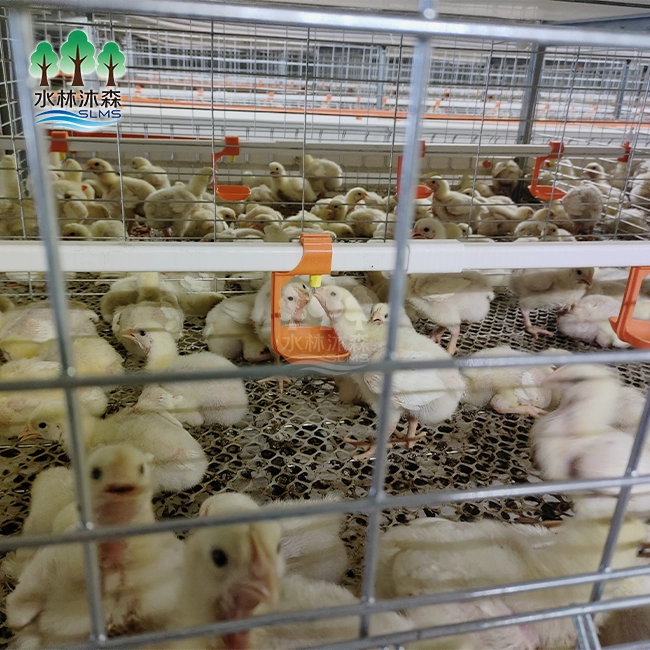
Top-rated automated feeding vehicles for poultry sheds
When you look for the best automated food vehicles for chicken sheds, you'll find specialized equipment that changes how big farms handle daily feeding tasks. The Poultry House Automatic Feeding Trolley is a big step forward in precision farming because it combines smart control systems with reliable mechanics. These vehicles move in a planned way along the rows of chicken coops, spreading food evenly across multi-tier systems without the hard work and lack of regularity that comes with doing it by hand. These trolleys are made for chicken coops, duck houses, and commercial layer farms. They cut down on wasteful feeding by up to 30% and even out bird diet, which has a direct effect on the health and productivity of flocks with 10,000 to over 100,000 birds.


Understanding Automated Feeding Vehicles for Poultry Sheds
These days, chicken farms need tools that can handle the complicated problems that come up in dense farming settings. Automated feeding systems have changed over time from simple conveyor-based systems to complex mobile platforms that can precisely distribute feed across a variety of cage designs.
Core Components and Architecture
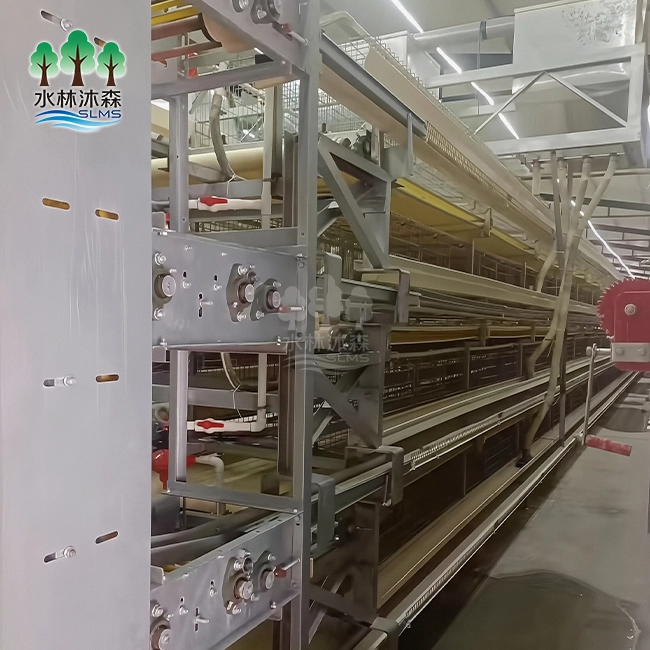
The structural stability and mechanical accuracy of a Poultry House Automatic Feeding Trolley are what make it work. Weifang Shuilin Musen Aquaculture Equipment Co., Ltd. makes its feeding carts with hot-dip galvanized square and rectangular tubes. This makes them resistant to the ammonia-filled air that is common in chicken houses. The walking system has sealed bearings that keep feather dust and biological bits from getting into the system.
Control systems have limit monitors, emergency stop switches, and overload safety that stop the system from working when unexpected hurdles show up. The feeding system has adjustable discharge ports that let farmers adjust the amount of feed given to flocks based on their age and nutritional needs. Corrosive fumes can't damage high-zinc galvanized sheet metal, so it lasts much longer than normal equipment.
Cage System Compatibility
Depending on the type of chicken business, the cages are set up in different ways. For example, family farms use 3-layer stackable systems, while commercial facilities use 4-layer or higher arrangements. Our Poultry House Automatic Feeding Trolleys can fit these different plans because their sizes can be changed.
The tools can be changed to fit different coop lengths, cage row counts, and tier heights. This is useful whether your business uses A-frames with horizontal feeding lanes or H-type vertical battery systems that need precise tier-by-tier distribution. This makes things more flexible, so farms don't have to buy standard equipment that doesn't work with their existing infrastructure. This is a common mistake that costs a lot of money and forces operations to fix facilities instead of optimizing equipment.
Power Systems and Control Mechanisms
Depending on how the house is set up and what kind of electricity is available, Poultry House Automatic Feeding Trolleys can use different power setups. Battery-powered types can be moved around without wires, which makes them safer and easier to place in existing buildings. For homes longer than 100 meters, electric rail-powered systems allow them to run continuously.
Variable speed drives let workers change the speed of the truck, which lets them match the rate of feeding to how the flock is acting. With remote control, one person can handle multiple feeding lines, which is very helpful during critical growth stages when eating needs to happen more often. With the ability to overrule manually, feeding can continue even while the electronic device is being serviced.
Benefits of Implementing Automated Feeding Trolleys in Poultry Farms
When you switch from human or semi-automated feeding to fully Poultry House Automatic Feeding Trolleys, you can see changes in many areas of your business. Over the past eight years working in the farming equipment industry, we've seen consistent patterns in how automation changes the economy and efficiency of farms.
The most obvious effect is the effectiveness of labor. To feed 50,000 birds by hand, two full-time workers usually need to spend four hours on each food run. The same job can be done by automated carts in less than 45 minutes with little control, which saves more than 40% on labor costs. This change in work assignments frees up staff to focus on things like keeping an eye on patients' health, maintaining the building, and other tasks that add value but are hard to do with hand feeding plans.
Consistent distribution trends make feed utilization numbers much better. When birds are fed by hand, the feed levels aren't the same across troughs. This makes birds compete with each other and causes them to eat certain foods, which hurts the uniformity of the group. Automated systems give out the same amounts at regular times, making sure that junior birds get enough food. Based on our tests, farms that switch to trolley systems see their feed conversion rates go up by 3–5%. This means that businesses that use a lot of feed every day can save a lot of money. Precision pouring also cuts down on spills, which can waste more than 8% of the total feed amount when done by hand.
Energy-efficient drive motors use less electricity than older chain-and-auger methods, which is good for the environment. The hot-dip galvanized design means that it doesn't need to be replaced often, which cuts down on industrial waste and the damage that making and throwing away equipment does to the environment. These savings are especially helpful for businesses in places where there are carbon taxes or rules about taking care of the environment, as they help with meeting those rules and meeting their sustainability goals.
When fewer people come into chicken houses, biosecurity rules get stricter. Each entry point is a possible way for pathogens to spread, which is especially scary when it comes to bird flu and other diseases that can be spread. Automated food trolleys cut down on the number of times people have to go into the building every day, from multiple feeding trips to occasional maintenance visits. This makes it harder for diseases to get in. This benefit is especially important for breeding farms and high-value groups, where disease outbreaks can ruin whole production cycles.
How to Choose the Best Automatic Feeding Trolley for Your Poultry Farm?
Instead of relying on marketing promises or the cheapest options, you need to do a thorough analysis of the equipment to make sure it meets your operating needs. We've made a useful approach that purchasing managers can use to evaluate any Poultry House Automatic Feeding Trolley.
Assessing Farm-Specific Requirements
Start by writing down how you currently feed your animals. Write down the number of tiers in your system and the length of the whole house. Take note of any building features, like support beams, ventilation equipment, or water line placement, that could affect how the train moves. Figure out how much food you eat each day and how often you usually eat. These basic measurements tell you how much weight your trolley can hold.
When businesses have restricted feeding plans for breeding flocks, they need gram-level accuracy that is different from when they feed commercial layers whatever they want. By understanding these practical details, you can avoid buying equipment that works properly but doesn't work with your management style.
Evaluating Technical Specifications
Ratings of capacity should be carefully looked over. It might seem like a 150-kg trolley is enough for a 30,000-bird house, but you should think about whether that capacity lasts for the whole food cycle or needs to be refilled in the middle. The shape of the hopper changes the flow properties, especially for mash feeds that tend to bridge. Our equipment has hoppers with high angles greater than 60 degrees to make sure that the material keeps moving without any help from a person.
Different makers' control systems are very different in how complex they are. Basic models can only start and stop, but more advanced systems can set feeding routines, control portions per tier, and give diagnostic input when mechanical problems happen. Noise levels are important for businesses that are close to residential areas or that house bird types that are easily worried. Good carts don't make noise louder than 70 decibels, which is well below the levels that won't bother the flock.
Warranty and Support Infrastructure
Equipment guarantees show that the maker of the product is sure that it will last. We offer a free one-year guarantee that covers problems with the way the product was made and parts that break down under normal use. Check out the professional help system as well as the warranty coverage. Our team provides installation videos and detailed instructions that help setup workers with the first rollout.
For jobs that need hands-on help, on-site installation services are available. This is especially helpful when adding trolleys to complicated multi-house plans or existing silo systems. Having spare parts on hand is very important during harvest times, when downtime directly affects production. Check to see if makers keep parts in stock in your area or if they need to ship them internationally, which could cause equipment to be down for weeks instead of hours.
Cost Analysis Beyond Purchase Price
The initial cost of the tools is only one part of the total costs of ownership. Figure out how much energy you use by looking at how often you feed it and how much power costs where you live. Think about the costs of repair, like lubricants, new wheels, and regular component changes. Think about how much the time you save could be worth in dollars based on the going rate of wages in your area.
A trolley that costs 20% more than options but cuts the number of workers needed by two per day makes its money back in the first production cycle. Businesses that need to buy equipment should check with the makers to see if they offer flexible payment terms or work with farm loan institutions that know how to finance equipment.
Installation, Troubleshooting, and Maintenance of Poultry Feeding Trolleys
The basis for effective long-term function is set by proper installation. A lot of efficiency problems that are described as "equipment defects" are actually caused by mistakes made during installation that make the system less useful for Poultry House Automatic Feeding Trolleys.
Pre-Installation Site Preparation
Before the equipment arrives, make sure that the rail fastening areas are level according to the manufacturer's instructions. When the fixing isn't even, the trolley wheels are squeezed together, which speeds up wear and increases the load on the motor. Clear the feed paths of any temporary wiring, tool storage, or repair equipment that teams might forget to move during setup but forget to move again during operation.
Check the voltage stability of electrical lines, especially in places that are using a lot of high-draw tools at the same time. In some cases, trolley problems went away after electricians separated feeding circuits from air fan circuits that caused voltage changes when the machine first started up.
Installation Procedures
As the first step in our construction process, we use laser levels and tension gauges to make sure that the train system is aligned correctly. This makes sure that the journey paths are straight. Attach the cart parts according to the cage system's instructions, and change the output heights so that the troughs are in the same place on each level. You should program control systems with your feeding plans and try each level on its own before starting the whole cycle.
Fill hoppers with feed and do tests to see if the feed is distributed evenly. Take samples at regular times to figure out the coefficient of variation. Professional setups keep CV below 2% so that every meter of trough gets the same amount of feed. During this testing process, any tuning changes that need to be made before birds are introduced to the system are found.
Common Issues and Solutions
When high-moisture mash or low-quality pellets make arches inside hoppers that stop outflow, this is called feed bridging. Vibration motors built into our trolleys stop bridging, but workers should also keep an eye on the quality of the feed and the storage conditions that make the problem worse. Most of the time, charging system upkeep, not battery problems, is to blame when the energy source fails in battery-powered units.
Set up regular charge times and clean the battery contacts once a month to avoid connection problems. Wheel systems and drive chains that are exposed to rough dust experience the most mechanical wear. Maintenance times are longer for sealed bearing systems, but regular inspections should include looking for wear patterns that don't seem normal. This could mean that the alignment is off and needs to be fixed by a professional.
Routine Maintenance Protocols
Daily walkthroughs should make sure the trolley works and listen for noises that could mean the bearings are wearing out or the motor is under a lot of stress. External surfaces and sensors get rid of dust that has built up every week. Using food-grade oils to grease moving parts once a month keeps them working well without contaminating the feed line.
Professional reviews are done every three months to check the electrical links, the safety systems, and the feed distribution settings. Parts are replaced every year during overhauls based on the manufacturer's service plans, even if the parts seem to work. This preventative method costs less than making fixes quickly during times when output is needed.
Top-Rated Automated Feeding Vehicles: Market Leaders and Innovations
There are many companies that make poultry tools around the world, from large multinationals to small, specialized area suppliers. Each has its own strengths and weaknesses when it comes to the market for Poultry House Automatic Feeding Trolleys.
Material choice and engineering precision are two things that set quality makers apart. Our team of five skilled engineers at Shuilin Musen creates more than three new products every year to meet the changing needs of intensive chicken management. For the main structural parts of our tools, we use high-strength galvanized steel and 304 stainless steel, which can withstand the corrosive environment of a chicken house for 10 to 15 years.
Full quality control systems check every part from choosing the raw materials to delivering the finished product. This makes sure that the performance stays stable even when operating conditions change. Our office in Qingzhou City, Shandong Province, is an innovation hub where we work with big poultry farmers to improve tools based on feedback from real-life situations instead of just theoretical engineering.
Smart integration and data connection are becoming more and more important in market developments. IoT sensors are now built into more advanced feeding carts. These sensors send data about how much feed is being eaten to software used for farm management. This lets predictive analytics help with getting the right amount of feed and find health problems by looking for changes in how much is being eaten. Operators can keep an eye on multiple feeding lines from their phones and get alerts when something goes wrong with them. Energy-efficient drive systems use less electricity while still controlling movements precisely. This is important to think about since energy costs are taking a bigger bite out of working budgets.
Strategies for buying things should look at what the maker can do besides just making the product. Custom order options are important for businesses that need to use cages that are set up in unique ways or follow specific feeding routines. Bulk buying can save businesses with multiple locations or equipment dealers that serve regional markets money. Financing options that are flexible help farms plan when to buy capital goods, especially when buying equipment happens at the same time as building growth or flock changes. After-sales support infrastructure is what determines whether equipment lasts as long as it says it will, so maker security and support commitment are very important when choosing equipment.
Conclusion
To choose the best automated feeding trucks, you need to weigh technology specs against operating challenges and long-term support needs. The Poultry House Automatic Feeding Trolley is a tried-and-true piece of technology that helps with worker gaps, increases feed efficiency, and makes poultry businesses safer overall. Hot-dip galvanized materials used to make high-quality equipment that comes with full warranties ensures long-lasting performance measured in decades instead of years.
Matching the equipment's capabilities to the needs of the farm through thorough study and skilled installation is key to a successful application. As chicken farms continue to grow and find it harder to find workers, automated feeding systems go from being competitive benefits to being necessary for operations that define the economics of sustainable production.
FAQ
Q1: How does automated feeding equipment improve overall farm productivity?
A: In more than one way, Poultry House Automatic Feeding Trolleys increase output. When you cut back on labor, you can move employees to more valuable jobs, like keeping an eye on health and making the most of your facilities. Even spread of feed improves group uniformity, which lowers the number of birds that need to be culled and raises the percentage of birds that can be sold. Precise portioning cuts down on waste and improves feed conversion rates. When compared to hand feeding methods, these effects usually make operations 25–40% more efficient.
Q2: What maintenance tasks are essential for reliable trolley operation?
A: Visual checks done every day make sure everything is working normally and find new problems before they become problems. Cleaning sensors and motor parts once a week gets rid of the dust that builds up on them. Using food-grade oils to grease moving parts once a month keeps them from wearing out too quickly. Safety systems are tested and delivery accuracy is re-calibrated every three months by professionals. Replacement of parts once a year, according to the manufacturer's plans, keeps problems from happening at crucial production times.
Q3: Can feeding trolleys be customized for unusual shed configurations?
A: Good makers offer a wide range of customization options. Our tools can work with different house lengths, cage row counts, and tier heights because the mounting systems are flexible and the control settings can be programmed. For non-standard shed plans like curved sections or uneven bay spacing, you will need to talk to an expert, but there are options for almost all types of chicken housing. Talk to equipment makers early on in the planning process to make sure that the way the equipment is integrated fits with the building's design.
Partner with Shuilin Musen for Your Automated Feeding Solutions
Upgrading your chicken food system is a big investment that needs professional help and reliable tools. Shuilin Musen Aquaculture Equipment Co., Ltd. has eight years of experience in manufacturing tools for farming and raising animals. They have worked with family farms and large companies that do business all over the world. Our network of Poultry House Automatic Feeding Trolley suppliers can make solutions that are perfect for your cage setup and management style.
Email our engineering team at wangshuaislms@gmail.com to talk about your unique needs and get full technical specs. We offer full support, including installation guides, on-site setup help, and responsive upkeep advice that will protect your investment for the 10 to 15 years it will be in use. Visit slms-equipment.com to explore our complete equipment portfolio and discover why leading poultry operations trust our solutions for their automated feeding needs.
References
1. Anderson, K.E., and Adams, A.W. (2021). Automation Technologies in Commercial Poultry Production: Economic and Welfare Implications. Poultry Science Association, College Station, TX.
2. Chen, Y., and Morrison, R.S. (2020). Feed Distribution Uniformity and Its Impact on Broiler Performance in Intensive Housing Systems. Journal of Applied Poultry Research, 29(4), 892-903.
3. International Poultry Equipment Federation. (2022). Global Standards for Automated Feeding Systems in Layer and Broiler Operations. IPEF Technical Committee, Brussels, Belgium.
4. Roberts, J.M. (2019). Biosecurity Protocols and Equipment Sanitation in Automated Poultry Facilities. Agricultural Engineering International, 21(3), 156-171.
5. United States Department of Agriculture. (2023). Labor Efficiency Benchmarks in Modern Poultry Production. Agricultural Statistics Service, Washington, DC.
6. Zhang, H., and Patterson, P.H. (2021). Corrosion Resistance of Galvanized Steel in High-Ammonia Agricultural Environments. Journal of Agricultural Safety and Health, 27(2), 78-94.
Learn about our latest products and discounts through SMS or email