What are main uses of egg belts poultry in commercial chicken farms
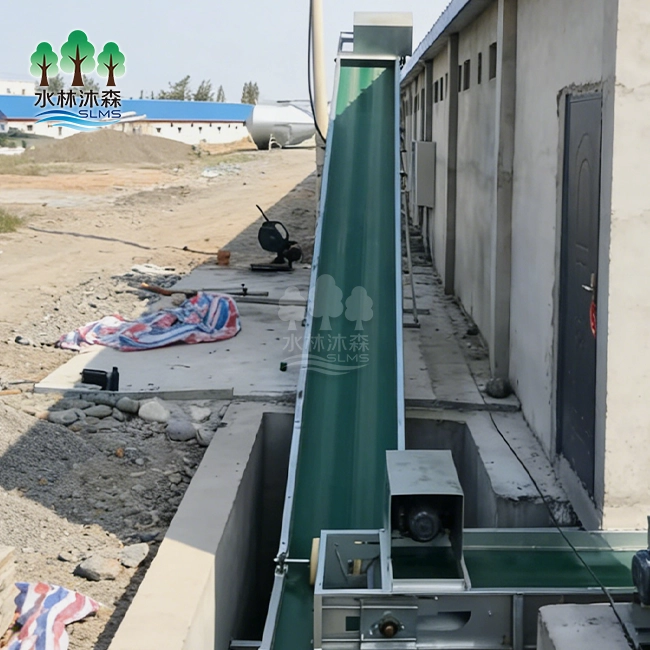
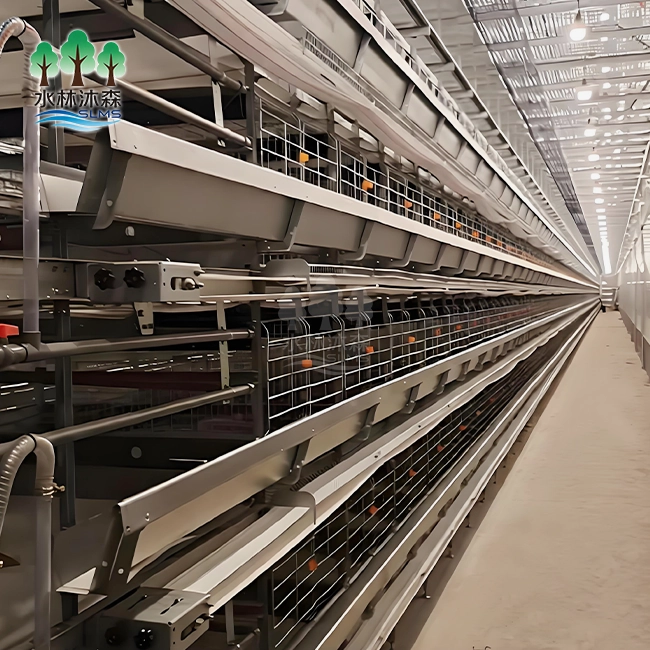
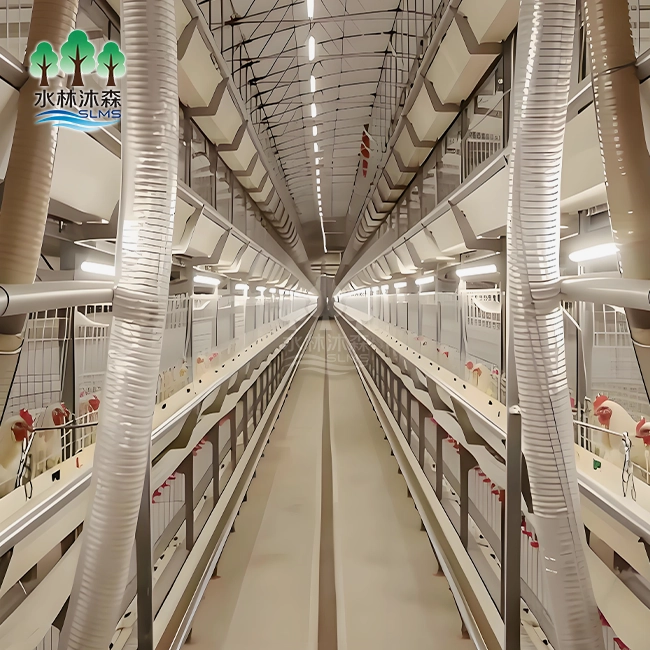
In industrial chicken operations, egg belts poultry are automated conveyor systems that gather, move, and temporarily store eggs. These special belts keep moving through the rows of cages, picking up eggs from laying hens and bringing them to central storage places. Modern industrial farms depend on these systems to handle thousands of eggs every day with little to no human help. This cuts down on labour needs while still meeting standards for egg quality and farm cleanliness.
Understanding Egg Belts in Poultry Farming
Over the past 20 years, egg belts poultry have changed how commercial chicken farms work. In the old way of collecting eggs by hand, workers had to walk through the rows of cages several times a day and physically take the eggs out of the nest boxes. This process required a lot of work, which not only raised prices but also made it more likely that eggs would get contaminated and break.
Core Components and Operation
The egg collection belt system is made up of several parts that are all built together and work together. The conveyor belt is made of long-lasting polypropylene or polyethylene that is designed to handle being exposed to water, ammonia, and common cleaners all the time. Our belts are available in thicknesses from 0.4mm to 1.2mm and widths from 100mm to 300mm, so they can be tailored to different cage layouts and flock numbers.
The belt moves at fixed speeds thanks to drive systems, which make sure that the eggs are handled gently. Over long runs, tension systems keep the belt tight, which stops drooping that could cause eggs to roll together. The support fixings set the belt at the best angles to make it easy for eggs to move from the nest to the collection places.
Material Choices and Their Impact
Polypropylene belts are very resistant to chemicals, which is important in places where disinfectants and cleaning solutions are used all the time. The material naturally stops germs from growing, which helps protection rules that keep flocks healthy. Different types of polyethylene offer about the same level of sturdiness but with slightly different levels of flexibility, making them better for some cage designs or climates.
The pattern of the belt's surface is very important. Herringbone weave designs make enough friction to keep eggs stable while they're being moved, and they also provide enough padding to keep the shells from getting damaged. This design feature has a direct effect on the number of sellable eggs that make it to the packing stations, which in turn affects the farm's ability to make money.
System Types for Different Operations
Egg pickup belts, sorting machines, washing stations, and packing lines are all part of fully automatic systems. These all-in-one solutions handle the whole process, from the nest to the box, without any help from a person. They are perfect for businesses that have 50,000 or more laying hens. For medium-sized farms, semi-automated setups balance the cost of investment against the cost of less labour by combining belt gathering with human sorting.
In manual-assist setups, egg pickup belts move the eggs to central areas where workers sort and pack them. Even this basic level of technology makes it easier for staff to do their jobs without hurting themselves. This cuts down on accidents at work and speeds up collection. Farm managers can choose the amount of automation that best fits their output needs, available capital, and the state of the labour market


Key Uses and Benefits of Egg Belts in Commercial Chicken Farms
Businesses are always under pressure to cut costs while keeping product quality high. Egg belts poultry take care of both issues at the same time, making gains that can be seen in many business measures.
Labor Cost Reduction
Collecting eggs by hand takes a lot of time and people. Care must be taken by workers as they move carefully between cage rows and reach into nest boxes to get eggs without bothering the hens or breaking the shells. This work is done over and over again every day, and even small businesses spend hours doing it. Over 40% less work needs to be done by hand when collecting eggs with automated belts. This means that farm managers can put their staff to better use doing things like keeping an eye on the flock, maintaining equipment, or quality control.
Over time, the labour saves add up. As wages rise and skilled farm workers become harder to find in many areas, automatic systems keep businesses from having to pay more for labour. The initial investment in tools usually pays for itself within 18 to 24 months just by cutting down on labour costs. This doesn't even count the extra benefits from better egg quality and less breaking.
Enhanced Egg Quality and Reduced Breakage
Quality of eggs has a direct effect on farm income. Eggs that are cracked or dirty have to be reduced or thrown away, which means that every unit that is touched loses money. When workers touch eggs, put them in collection baskets, and move containers around farm sites by hand, there are many chances that they will break.
Handling is gentle and uniform with automated pickup belts. Eggs roll easily onto the moving belt's surface, move horizontally without bumping into anything, and get to the collection spots without being damaged. This steady flow lowers shell stress, which stops tiny cracks that could damage the egg's structure. When farms use automatic collection systems, the number of broken items drops by 15% to 25%, which directly leads to more items that can be sold.
The eggs are cleaner because they don't spend as much time in nest boxes, where they might come into touch with manure or dirty surfaces. The belt quickly takes the eggs away after they are laid, before the shells can get dirty or infected with germs. This benefit in cleanliness helps farms meet stricter rules about food safety and protects the health of consumers.
Improved Productivity and Throughput
In modern poultry businesses, how successful they are depends on how efficiently they produce eggs. When egg turnover goes up, fresher goods get to market faster, and they don't need to be kept in the fridge as long. Instead of taking hours, automated belts move eggs from where they are laid to where they are packed in minutes. This keeps the eggs fresh and extends their shelf life.
The constant flow makes it possible to connect tools further downstream. When eggs come in on a conveyor belt, they can go straight into washing machines, places for candling, tools for sizing, and automatic packers. This assembly-line method speeds up the process while keeping quality control high at every step. Large businesses use combined systems to prepare tens of thousands of eggs every hour, which is something that could not be done by hand.
Biosecurity and Traceability Benefits
One of the most important parts of managing business chickens is keeping them from getting diseases. Automated egg collection systems cut down on the number of people who come into hen homes, which lowers the risk of introducing pathogens. Workers don't have to walk through the same rows of cages over and over, which makes it less likely for diseases to spread between parts or buildings.
Traceability rules are met by modern systems that keep the flow of eggs consistent through recorded collection places. This skill comes in handy during checks of food safety or investigations into quality problems. Farms can show that they follow controlled handling methods and keep records of when eggs are collected. This meets the requirements for approval in organic, free-range, or speciality egg markets that charge higher prices.
How to Choose the Right Egg Belt for Your Poultry Farm
To choose the right egg belts poultry, you need to carefully think about your long-term production goals, operational needs, and the features of your building. The right system weighs the cost of installation against the benefits it brings to operations, and it also allows for future growth.
Assessing Farm Scale and Production Volume
The size of the farm has a big impact on the tools that is needed. Facilities that take care of 10,000 laying hens need different answers than those that take care of 100,000 birds. The amount of eggs that need to be processed each day determines the length, width, and drive capacity of the belt.
Smaller farms might use simple belt systems that serve single-row cages and bring the eggs to a central area where they are still sorted by hand. These entry-level systems cut down on labour costs without needing major changes to the building or big investments in new equipment.
For large business operations, all-encompassing solutions are needed that cover many cage rows and large buildings. Strong drive systems, smart tension control, and the ability to work with automated packing tools are all needed for these setups. The size of the investment is right for how complicated the operations are and how much food is produced every day.
Material Selection Considerations
Polypropylene belts last a very long time in normal chicken coops because they don't rust when exposed to ammonia and can handle being cleaned over and over again. The material is flexible enough to move easily through support structures while still staying the same size when it's loaded. When our PP belts are exposed to natural light, UV stabilisation keeps them from breaking down, which could mean they need to be replaced too soon.
Polyethylene options work about the same but have different physical features. Choosing the right material often relies on how the cages are set up, the weather, and how well they need to work with other tools. When properly maintained, both materials will last for years and years, with estimated lifespans of more than five years under normal working conditions.
Energy Efficiency and Operational Costs
Modern egg collection systems use less power because they have drive motors that use less energy and belt designs that use less power. The running costs are still low, and it usually uses less power than a single air fan. However, energy costs add up over years of continued running, so efficiency is important for figuring out the total cost of ownership.
Belt shape affects how much energy is needed. Drive power is needed less when materials are light and have low-friction support systems than when materials are heavy. With proper tensioning and regular upkeep, you can keep the motor from being overloaded, which wastes power and speeds up the wear and tear on its parts.
Supplier Reputation and Support Services
Reliability of equipment has a direct effect on how farms work. When belts break during peak production times, there is an instant crisis that needs to be dealt with quickly so that egg collection can resume. Long periods of downtime can be avoided by choosing providers with a history of success and full support services.
We offer full technical support, including training films and remote help to make sure the system is set up correctly. Our one-year guarantee covers problems with the way the product was made and with the materials used. This gives farm managers peace of mind about their investment. We keep a parts inventory and specialised knowledge to support long-term system function, even after the warranty time is over.
The ability to customise is important because each farm has its own needs. Our engineering team comes up with different belt setups that work with different cage layouts, output rates, and needs for integration. Instead of making processes fit the specs of generic tools, this customised method ensures the best performance.
Installation, Maintenance, and Troubleshooting of Egg Belts
Whether egg belts poultry work as planned depends on how well they are set up and maintained over time. Paying close attention during installation keeps problems from happening, and regular servicing makes tools last longer.
Installation Best Practices
To install something correctly, you must first accurately measure the current cage structures and carefully plan the route of the belt. The support system needs to keep the belt in the right place along its whole length so that there are no problems with edge wear or tracking. To keep the motor from burning during constant operation, drive units need to be mounted securely and with enough air flow.
One of the most important parts of fitting is adjusting the tension. If there isn't enough strain on the belt, it can sag, which can cause eggs to pile up or roll together. Too much force puts stress on drive parts and speeds up belt wear. To get the best tension, you need to follow the manufacturer's instructions and make sure the tracking is correct throughout the whole system's operation before adding the eggs.
Our installation videos show customers the right way to place brackets, route belts, change tension systems and check alignment at each step of the setup process. With this technical help, even farms that have never used this kind of tools before can set up egg collection methods that work well.
Routine Maintenance Requirements
Cleaning the belt on a regular basis keeps it clean and stops material from building up that could stop it from working. By washing the belt once a week with approved cleaning products that are safe for belt materials, you can get rid of the dust, feathers, and residue that have built up. Using high-pressure washers on belt surfaces or weave structures can damage them, so it's very important to clean them the right way.
Inspection methods find problems before they become problems. Once a week, look at the belt to see if the edges are tearing, the surface is wearing down, or the tension has changed. According to the manufacturer's instructions, drive parts need to be oiled on a regular basis to avoid bearing problems that could stop the system from working. Tension systems need to be adjusted as the belts settle in during the first few weeks of use. After that, they only need to be checked every so often to keep working at their best.
When to change parts depends on how often they are used and the surroundings. Drive motors and tension components usually last a lot longer with proper care than belts, which usually last five years under normal conditions. Planning how to get new parts ahead of time keeps you from having to deal with emergencies when parts hit the end of their useful life.
Common Issues and Solutions
When the conveyor moves horizontally and the edges touch support structures, tracking problems show up. Usually, this problem is caused by uneven strain, support pieces that aren't lined up right, or worn belt edges. Checking the alignment along the whole length, changing the tension equally, and replacing old parts as needed are all parts of correction.
When drive systems can't keep the right grip, belt slippage happens. This is usually a sign of too little stress or worn-out drive parts. Increasing the strain within the limits set by the maker can usually fix slight slippage. If a problem keeps happening, it might be necessary to check or change a drive component to get it working properly again.
Eggs piling up in certain places could mean that the belt speed isn't even, that some parts are sinking, or that surface contamination is stopping the eggs from moving. Finding the place where the buildup is located helps figure out what the problem is and whether adjusting the tension, changing the support, or cleaning will fix it. To keep product quality from being affected, problems that don't go away should be looked at by a professional.
Future Trends and Innovations in Poultry Egg Belt Technology
The chicken tools business keeps improving its automation and system intelligence. New technologies offer to make things even more efficient, reliable, and useful for operations.
Smart Monitoring and IoT Integration
Egg belts poultry have Internet-connected monitors that give real-time information about how they're working. Monitoring the current in the drive motor can find odd load situations that could mean belt drag or bearing problems before they happen. Egg flow sensors keep track of how many eggs are collected throughout the day. This shows trends in output and points out cage areas that aren't working well.
This operational information lets repair plans be planned ahead of time. Instead of organising service at set times no matter what is needed, farms can send out workers when sensor data shows problems are starting to happen. This method cuts down on servicing that isn't needed and stops unexpected breakdowns before they happen. This increases equipment uptime and lowers service costs.
With cloud-based data tools, information from various buildings or farms is gathered together, giving managers a full picture of how production is going. By looking at historical trends, we can see how performance has been slowly declining, compare how efficiently equipment works in different sites, and figure out how changes in management have affected things. These findings help with efforts to keep making things better, which gradually raises farm profits.
Sustainable Design Developments
Environmental factors are becoming more and more important in the building of tools. Modern belts are made with materials that can be recycled and making methods that make as little trash as possible. Energy-efficient drive systems use less electricity, which lowers prices and leaves less of an impact on the earth.
Durability improvements make tools last longer, which means it doesn't needs to be replaced as often and doesn't use as many resources. Our tech team is always looking for new materials and better ways to make things that last longer without lowering their performance. These environmentally friendly farming methods meet the growing market need for farms that care about the earth.
Modular and Scalable Systems
Demand for equipment designs that can handle phased growth is driven by the need for farms to grow. When output goes up, modular belt systems let you add capacity in small steps instead of having to update the whole system. This adaptability safeguards initial investments and helps the business grow without stopping operations.
Designs that are scalable can be used in a variety of cage arrangements and farm plans. Instead of having a single set of specifications, modern systems offer a variety of component choices that can be used to meet different operating needs. This ability to be customised makes sure that the animals work at their best in a wide range of facility designs and production methods, from traditional caged homes to aviaries and free-range settings.
Conclusion
Egg belts poultry are a big step forward for commercial chicken farms; it cuts down on labour costs, improves product quality, and makes farms run more efficiently. The technology has moved past the early adopter stages and is now a mature answer that farms of all sizes can use successfully. Improvements in material science, design, and new smart technologies keep making systems smarter and more useful while keeping the costs low enough for business use.
When farm managers are looking at automation choices, they should compare the available system configurations to their unique production numbers, facility characteristics, and long-term growth goals. Automatic collection systems can only be as useful as they can be if the right equipment is chosen, installed by a professional, and kept up to date. As the need for practical efficiency rises across all agricultural fields and workers become harder to find, the industry is clearly moving toward more automation.
FAQ
What investment range should farms expect for egg collection belt systems?
The cost of egg belts poultry depends a lot on how complicated the system is, how long it takes to build, and how automated it is. Smaller businesses might need to spend between $3,000 and $8,000 on basic manual-assist setups, while large commercial farms can spend over $50,000 on fully automated systems. The final price depends on the choice of material (polypropylene or polyethylene), the size of the belt to fit the cage, and the need to integrate it with other equipment that is already in use. This is done by asking for thorough quotes that include information about the farm's plan and the amount of food that will be produced. Remember that investments that save time and money on repairs usually pay for themselves in just two years.
Can existing poultry houses add egg collection belts without major reconstruction?
Most standard cage systems can be modified to allow belt placement without having to remake the whole facility. Attaching support frames to the rows of cages, setting up drive systems, and running belts through existing structures are all parts of the process. To get eggs from automatic systems, pickup areas might need to be changed in some ways. Our expert team looks at the plans of facilities to see if retrofitting is possible and to see if any structural changes need to be made. When planned and carried out correctly, installation usually only needs a short amount of downtime for operations.
How long do industrial egg belts maintain operational performance?
Quality plastic or polyethylene belts should last between five and seven years in normal business situations, as long as they are maintained properly. Cleaning regularity, chemical exposure, extreme temperatures in the environment, and operating hours are all things that can shorten or lengthen a product's life. Regular inspections show wear patterns before they break, so replacements can be planned ahead of time instead of being an emergency. Our promise lasts for one year and covers problems with the way the product was made. Longer durability is a sign of high-quality materials and building. Maintaining the right tension and cleaning according to the instructions will make belts last longer and protect your equipment purchases.
Partner with Shuilin Musen Aquaculture Equipment Co., Ltd. for Advanced Egg Collection Solutions
Egg belts poultry help business poultry companies run more efficiently right away and gain a competitive edge over the long term. Shuilin Musen Aquaculture Equipment Co., Ltd. has been making farming gear for eight years and brings that experience to every egg belts poultry maker project. They use lasting materials, custom engineering, and full support services. Our plastic and polyethylene belts can handle tough farm conditions, cut down on labour costs by more than 40%, and keep eggs from breaking by being handled gently. Each installation comes with technical help videos and a one-year warranty.
Our team of five dedicated engineers is always working on new solutions to back up the guarantee. We make sure that the belt specs fit your facility's layout and output rate, whether you're in charge of 10,000 layers or 100,000 birds. Get in touch with wangshuaislms@gmail.com right away to talk about your automation needs and get a thorough estimate. You can find detailed information about the products and technical specs at slms-equipment.com. These websites are where proven automation technology can change the way chicken businesses are run.
References
1. Bell, Donald D. and Weaver, William D. Commercial Chicken Meat and Egg Production, Fifth Edition. Springer Science & Business Media, 2002.
2. Appleby, Michael C., Mench, Joy A., and Hughes, Barry O. Poultry Behaviour and Welfare. CABI Publishing, 2004.
3. North, Mack O. and Bell, Donald D. Commercial Chicken Production Manual, Fourth Edition. Chapman & Hall, 1990.
4. Hunton, Peter. Poultry Production: World Animal Science C. Elsevier Science Publishers, 1995.
5. Scanes, Colin G. and Christensen, Karen. Sturkie's Avian Physiology, Sixth Edition. Academic Press, 2015.
6. Mertens, Katleen, et al. Egg Collection and Processing Systems in Modern Layer Farming. Agricultural Engineering International Journal, 2018.
Learn about our latest products and discounts through SMS or email