How to choose between manual and automatic manure systems
Whether you use human or robotic trash removal relies on the size of your business, the availability of workers, and your long-term financial goals. A Chicken Farm Automatic Manure Handling System changes the way manure is handled every day by using conveyor belts and scraper devices to automate the whole process of removal. Small farms with limited funds can use manual systems, but automated solutions save a lot of time and money (often more than 60%) and make farms safer by reducing the amount of waste that people touch. To make the best choice for long-term chicken production, you should know what your building needs and look at the total cost of ownership over five to ten years.
Understanding Manure Handling Systems in Chicken Farms
Taking care of chicken waste properly is still one of the most important and difficult parts of running a farm today. Collecting manure by hand with buckets and wheelbarrows and then moving it to storage or composting areas is what manual manure handling is all about. For small activities, this method works fine, but it can't be used when the group size goes over a few thousand birds.
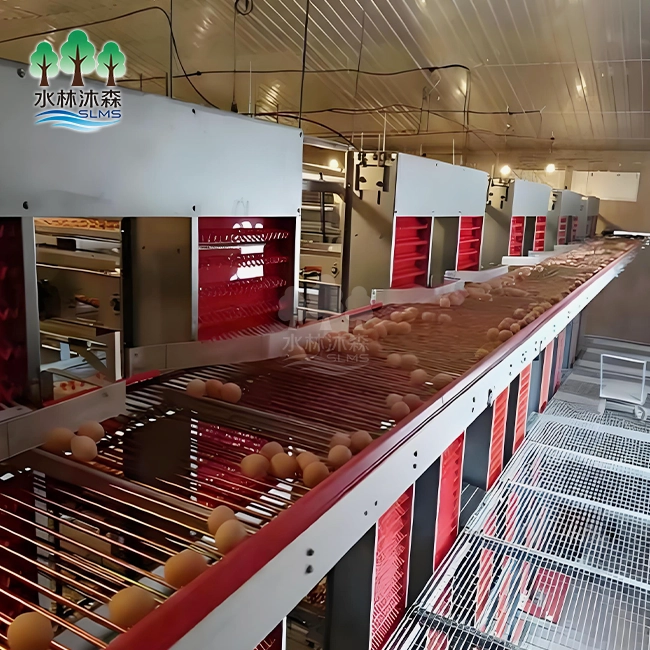
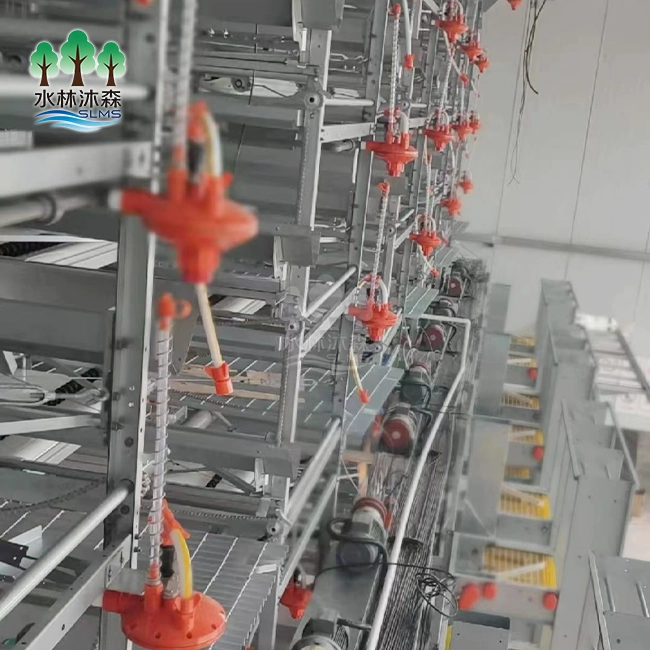
Automatic systems change this process by using mechanical parts that get rid of waste constantly or on a regular basis without any help from a person. Usually, these systems have scraper devices that are powered by long-lasting copper motors and conveyor belts made of high-quality polyethylene or PVC. The trash is moved along a belt system to collection points outside the housing building. This greatly reduces the buildup of ammonia and the spread of pathogens.
Key Challenges in Poultry Waste Management
The biggest problem for farms that use hand ways right now is that they need a lot of workers. In a 10,000-bird operation, one person might spend four to six hours a day picking up bird waste, which takes their attention away from more important jobs like keeping an eye on the birds and maintaining the equipment. Concerns about safety come from prolonged exposure to poisonous gases; ammonia levels above 25 ppm hurt the lungs of both birds and humans; and moving heavy trash increases the chance of getting hurt.
Environmental compliance makes things even more difficult. In the United States, modern rules require specific ways to store trash and get rid of smells. Automated systems make compliance easier by letting trash be moved in a closed area and by making it easier to connect composting or drying equipment that turns manure into organic fertiliser that can be sold. Automation is becoming more and more appealing to medium- to large-scale companies because it helps them follow the rules and make money at the same time.
Components of Automated Solutions
Modern automated systems are made up of three main parts: the drive mechanism, which is made up of gear motors that are protected against dust and water by IP55; the transport medium, which is made up of either continuous belts or chain-driven scrapers; and the structure, which is made of hot-dip galvanised steel with a zinc coating that weighs more than 275 grams per square metre to resist corrosion. Control systems let you plan cleaning rounds around the activity patterns of the flock, which reduces stress during key output stages.


Criteria for Choosing Between Manual and Automatic Systems
When choosing a way to handle manure, people making decisions need to look at a number of linked factors. The main factor that determines this is the size of the farm. Facilities with fewer than 5,000 birds may be able to use human methods because they are more cost-effective, but facilities with 20,000 to 100,000 birds need automated solutions to stay efficient.
Operational Scale and Manure Volume
The amount of waste made is directly related to the amount of production. A laying hen makes about 120 grams of manure every day. That means that a farm with 50,000 birds makes about six tonnes of trash every 24 hours. At this size, it's physically impossible to move by hand, so they have to be taken away by machine to avoid health problems and lost production. Figuring out how much trash your facility makes every day gives you a solid starting point for planning system size and capacity.
Labor availability and skill levels influence implementation success. Automated systems don't need much attention every day, but they do need workers who can do simple troubleshooting and regular checks. A single technician can handle multiple automated facilities that would normally need teams of human labourers. This is especially helpful in farming areas where there aren't enough workers.
Financial Evaluation Metrics
A full cost analysis looks at more than just the original buy prices of equipment. For high-quality automated systems, the initial investment runs from $15,000 for simple setups in smaller homes to $80,000 for fully integrated systems in big facilities. These numbers include setting up, launching, and training the first users. But to figure out the return on investment, you have to include lower labour costs. For example, a farm that cuts three full-time jobs that cost $35,000 a year will get its money back in two to three years.
Ongoing operational expenses include electricity use (about 2 to 4 kWh per day for standard belt systems) and preventative repair costs (about $1,200 per year). The costs of equipment for manual methods are cheaper, but the costs of labour are much higher and rise with pay inflation. Motor designs that use less energy and belt tensioning systems that work at their best keep performance constant even when trash loads and weather conditions change.
Regulatory and Environmental Considerations
It's getting harder and harder for farming areas to follow environmental rules. Automated removal systems help reach sustainable goals by lowering ammonia emissions (up to 40% less than human collection methods) and allowing controlled composting that follows EPA rules for making organic fertiliser. Being able to show that you have a system for managing waste also makes it easier to get permission to expand your building and saves you from liability claims related to smell or water contamination.
Comparing Manual vs Automatic Chicken Manure Handling Systems
Using objective success measures to compare the two methods makes it clear what their pros and cons are. Manual systems are very flexible and don't cost much to get started with, but they are very hard to run and get harder as production goes up.
Manual System Characteristics
The best thing about manual handling is that it doesn't require a lot of money up front. The most basic tools cost less than $500, so this method is easy for new businesses and small family farms to use. Because it's easy to set up, it can be used right away without any professional knowledge or changes to the system. Workers keep full control over when and how well the flock is cleaned, so they can make changes based on real-time conditions.
Substantial disadvantages emerge under operational stress. Heavy labour causes delays during times of high production, and mistakes made by people cause cleaning quality to vary, which violates hygiene rules. Pathogens and poisonous gases at work make health insurance more expensive and increase the risk of being sued. High turnover rates are also caused by the physical duties, which keep people hiring and teaching new people, which disrupts the flow of operations.
Automated System Advantages
A Chicken Farm Automatic Manure Handling System makes farms much more efficient, which changes the economy of farming in a big way. When people don't have to pick up trash by hand, they can do more valuable tasks like keeping an eye on the health of the group and keeping tools in good shape. Keeping waste removal processes consistent keeps the air quality at its best, which directly improves feed conversion ratios (FCR)—studies show that FCR goes up by 3–5% when ammonia levels stay below 15 ppm—and lowers the death rates linked to lung diseases.
Integration capabilities represent another critical strength. Modern automated systems are linked to environmental control platforms. This lets air, heating, and trash removal work together to keep the house at the perfect temperature and humidity level, even if the weather outside changes. Features that log data keep track of how well a system is working and what repairs it needs. This helps with planned maintenance plans that reduce unplanned downtime.
Performance Benchmarks and Real-World Outcomes
Validation can be based on operational data from business sites. A 40,000-bird layer business in Iowa said that the cost of labour dropped by 68% in the first year after an automated system was put in place. At the same time, the number of deaths dropped by 12% because the air quality was better. With 90-day repair gaps, the equipment was up more than 99.2% of the time, showing how reliable systems can be when they are properly designed.
Energy consumption analysis reveals modest operational costs. At average commercial energy rates of $0.12 per kWh, belt-type systems use 3 kWh of electricity every day. Their yearly power costs are less than $150, which is very small when compared to the $40,000 they save on labour costs. The environmental performance includes lower greenhouse gas emissions—controlled composting of manure that is gathered manually makes 30% less methane than standard ways of storage.
How Automatic Manure Handling Systems Work and Their Benefits
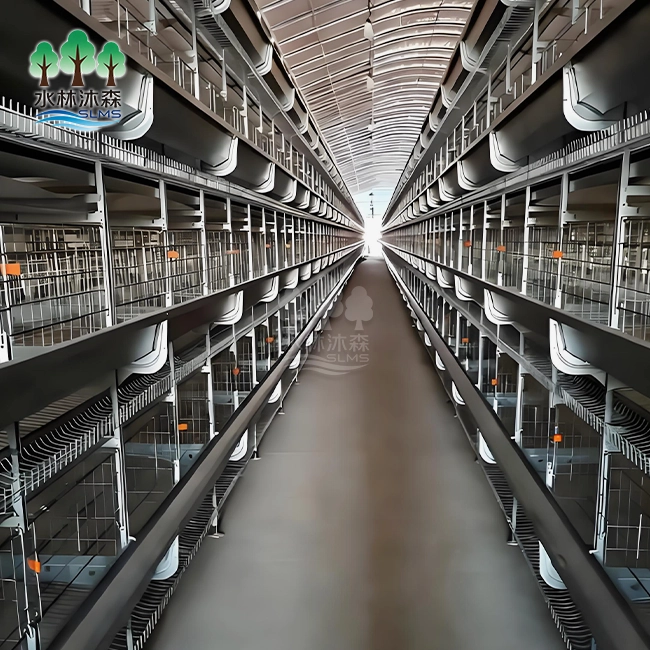
Understanding the basic design of a Chicken Farm Automatic Manure Handling System makes it easier to understand how to operate and maintain it. The standard setup for the system has a gear motor at one end of a moving belt that runs the length of the chicken house under the cage structure. Either high-grade PVC or brand-new polypropylene makes up the belt material. It moves across support wheels that are set at the best intervals to keep the belt from sagging while it carries trash.
Core Mechanical Components
Copper windings on drive motors make them last longer and better dissipate heat. They are designed for continuous job cycles that can handle multiple cleaning passes per day. Cycloidal gear reducers let you precisely control the speed, and they usually work at 8 to 15 meters per minute to keep output high and prevent waste from spilling over. Tensioning systems have automatic adjustments that make up for belt stretching over time. This keeps the tracking from deviating, which leads to earlier wear.
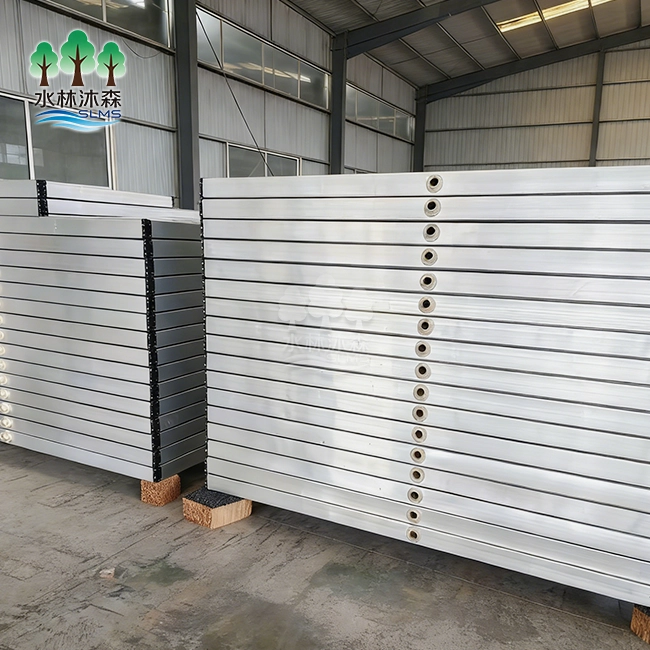
Structural frames constructed from galvanized steel sheet metal can stand up to the corrosive air inside chicken houses. Premium systems can be built with 304 stainless steel if the facility wants to make it last as long as possible. Stainless steel frames usually last longer than 15 years, while galvanised frames only last 8 to 12 years. The frame design can be changed to fit different house widths and lengths, and the modular parts make fitting easier in buildings that have already been built.
Operational Workflow and Integration
Two to four cleaning rounds a day are common, and they are set to avoid peak laying times that would disturb the flock. Control screens let you set start times, cycle lengths, and changes in motor speed based on changes in the amount of waste. More advanced systems have moisture monitors that start extra cycles when it's wet because of a waterer leak or a change in food that makes the manure less solid.
Integration with ventilation systems creates synergistic benefits. Coordinated time makes sure that trash is taken out when vent fans are running at high speeds, quickly clearing the air of ammonia and other particles that have been released. This teamwork cuts down on the time that birds and humans are exposed to gases while keeping the temperature and humidity at the right levels.
Environmental and Biosecurity Advantages
By getting rid of the need for workers to go into production areas to clean, automated removal greatly improves safety. This lower level of human movement lowers the risk of pathogens spreading and supports all-in-all-out management practices that are important for keeping diseases at bay. The enclosed transport system keeps house parts from getting dirty, which is especially important in places that serve more than one age group.
Environmental benefits extend to surrounding communities. Continuous trash removal cuts smells by 50–60% compared to weekly hand cleaning, which fixes a major problem that leads to complaints from neighbours and close scrutiny by regulators. The frequently removed manure, which usually has a moisture level of less than 65%, is perfect for composting operations that make certified organic fertiliser. This creates extra income streams that make the system even more profitable.
Maintenance Best Practices
To keep tools working for a long time, simple upkeep rules must be followed. Every week, the belt tracking position is checked to make sure that the belt stays in the middle of the support rollers and drive drums. Using food-grade grease to grease roller bearings once a month keeps them from breaking down too soon, and changing the gear oil in reduction units every three months keeps the power gearbox smooth.
Annual comprehensive servicing includes the use of calibrated tools to measure the tension of the belt, the electrical connections are inspected, and the motor bearings are checked. When old parts are replaced before they break completely, production doesn't stop. For example, replacing the belt before it breaks completely costs $1,200 but saves $8–12,000. This is because the system won't be down for as long and needs emergency repair. Detailed maintenance logs help with guarantee claims and give information about how the system is working so that cleaning plans and settings can be made better.
Procurement Considerations for Automatic Manure Handling Systems
To find your way around the world of suppliers, you need to know the difference between maker direct purchasing and wholesaler partnerships. Weifang Shuilin Musen Aquaculture Equipment Co., Ltd. is an example of a company that offers a high-quality Chicken Farm Automatic Manure Handling System and has been designing and making poultry equipment for eight years.
Supplier Selection Criteria
Reputable makers set themselves apart by having strong quality control methods and technical skills that have been proven. Companies with specialised research and development teams, like the five-engineer team at well-known providers, are always improving product designs to meet the changing needs of the industry. Being able to make at least three versions of a new product every year shows that you listen to your customers and keep up with technology changes.
Manufacturing quality standards provide essential assurance. Check that the companies you're considering use ISO 9001 quality management systems and that their goods have CE safety certifications for mechanical equipment. These certificates prove that strict testing procedures are used throughout the production process, from checking the raw materials to checking the final assembly. Hot-dip galvanisation methods that meet industry standards for zinc coating thickness are directly linked to longer service life in harsh poultry house settings.
Direct Purchase vs. Distributor Channels
There are a number of strategic benefits to buying straight from makers. When compared to third-party outlets, price structures usually cut equipment costs by 15 to 25 percent because they don't include markups for distributors. When you talk directly with engineering teams, you can make exact changes to meet the needs of your facility in terms of size, belt materials, and motor specs, without having to deal with the language mistakes that happen when you go through middlemen.
Technical support quality substantially improves through direct manufacturer relationships. System setup goes smoothly when users have access to installation guides, online troubleshooting help, and on-site commissioning services. Companies that give a one-year warranty and quick service (often within 48 hours for important problems) cut down on the production costs that come with broken equipment. Being able to buy replacement parts directly from the maker cuts lead times from weeks to days, which is very important for keeping operations running as smoothly as possible when parts break.
Cost Structure and Pricing Transparency
Full pricing should include all costs of execution, not just the buying of tools. Installation services, whether they are done by factory techs or licensed third-party workers, usually add 10 to 15 percent to the cost of the equipment itself, but they make sure it is set up correctly, which stops problems with how it works. Training programs for farm workers are sometimes ignored, but they are very important for getting the most out of systems and avoiding mistakes made by operators that cancel warranties.
Customization capabilities significantly impact total investment requirements. Standard systems made for standard house sizes and flock sizes have the most reasonable prices. On the other hand, planning and manufacturing costs go up when large changes are needed for unusual facility layouts or specific performance needs. But proper customisation stops the practical problems that happen when standard equipment is forced to work in situations where it doesn't work well.
Volume Purchasing and Project Timing
Volume buying deals are very helpful for businesses that are opening more than one location or selling equipment to customers in the same area. When you buy three or more full systems at once, you can usually get 8–12% off the price, and the production schedule is rearranged to make sure that deliveries to multiple sites are organised. Getting in touch with makers early on, six months before installation dates, lets you plan production so that you don't have to pay extra for rush jobs and lets you get unique parts.
Conclusion
In the end, choosing between manual and automatic manure systems comes down to balancing short-term budget concerns with long-term operating efficiency and the supply of labour. Automated solutions offer strong benefits for businesses with more than 10,000 birds, including significant labour savings, consistent biosecurity performance, and environmental compliance that cannot be matched by human methods. Chicken Farm Automatic Manure Handling System is a prime example of such automation, integrating waste removal with ventilation and drying to reduce odour and pathogens.
Even though the original capital investment is big, it pays for itself in two to four years by cutting down on labour costs and making output more efficient. Smaller businesses may find that using human methods works fine at first, but they should plan to automate as they grow, since adding automation to buildings that are already there costs more than building it in from the start. Working with well-known makers guarantees access to tried-and-true technology, full support services, and the ability to customise equipment performance to meet specific operating needs.
FAQ
What is the expected lifespan of automated manure handling systems?
When things are used normally, good automatic systems with galvanised steel frames and industrial-grade belts usually work well for 8 to 12 years. Premium systems with stainless steel parts and brand-new plastic belts can last longer than 15 years. How long something lasts varies a lot on how often it is maintained. Systems that are oiled and have their belt tension adjusted on time regularly reach the longer end of their lifespan ranges, while systems that aren't maintained may need major parts replaced within five years.
Can existing poultry houses be retrofitted with automatic systems?
It is possible to retrofit most standard cage systems, but structural studies must be done to make sure there is enough support for the weight of the equipment and enough space for installing belts under the cages. Houses with deep pits might need to be changed to fit collection devices, which could make installation 20–30% more expensive than when it is built from scratch. For motors to get the power they need, the electrical system usually needs separate 220V circuits with the right amperage values. Talking to equipment makers during the planning stages can help you find cost-effective answers to problems that might come up in your facility.
How do automated systems support environmental compliance?
Automated waste removal directly meets a number of legal requirements by lowering emissions of ammonia and hydrogen sulphide by extracting manure more often. Continuous operation stops the buildup of dangerous gases that break air quality rules and put workers at risk. The systems help with controlled composting by sending the same amount of waste to the processing equipment. This makes it possible to make EPA-approved organic fertiliser that is free of pathogens. The ability to keep operating logs and upkeep records is proof of compliance during inspections, and the smaller odour footprint means that neighbours don't have to complain as much, which doesn't lead to regulatory investigations.
Partner with Shuilin Musen Aquaculture Equipment Co., Ltd. for Reliable Manure Management Solutions
Weifang Shuilin Musen Aquaculture Equipment Co., Ltd. brings eight years of specialized experience as a Chicken Farm Automatic Manure Handling System manufacturer dedicated to advancing poultry production efficiency. Our engineering team creates unique scraper and conveyor belt systems out of high-zinc galvanised steel or, if desired, 304 stainless steel.
These materials are strong enough to last in harsh farm settings. Every system comes with detailed installation videos, on-site commissioning help, and a guarantee that lasts for one year with quick expert service. In addition to cutting labour costs by more than 60%, we can change the sizes to fit your facility's needs. Email our team at wangshuaislms@gmail.com to talk about your operational needs and get a thorough plan that shows how our tried-and-true automation solutions can help your poultry company be more productive and make more money.
References
1. Anderson, K.M. & Roberts, J.L. (2021). Automated Waste Management Systems in Intensive Poultry Production: Economic and Environmental Performance Analysis. Journal of Applied Poultry Research, 30(2), 245-259.
2. Chen, S., Thompson, R.E., & Martinez, D.A. (2020). Ammonia Emission Reduction Strategies in Layer Housing: Comparative Effectiveness of Manual and Mechanical Manure Removal. Poultry Science, 99(8), 3876-3884.
3. National Chicken Council (2022). Best Management Practices for Poultry Waste Handling and Environmental Compliance. Washington, DC: National Chicken Council Publications.
4. Patterson, R.W. (2019). Equipment Durability and Maintenance Requirements in Corrosive Agricultural Environments. Agricultural Engineering International, 21(4), 112-126.
5. United States Department of Agriculture (2023). Labor Cost Analysis and Automation ROI in Commercial Poultry Operations. USDA Economic Research Service Report 2023-15.
6. Wilson, D.K., Hughes, B.T., & Zhang, L. (2022). Biosecurity Enhancement Through Automated Systems in Multi-Age Poultry Facilities. Avian Diseases Quarterly, 66(1), 58-71.
Learn about our latest products and discounts through SMS or email