What are the latest innovations in automated broiler cage cleaning systems?
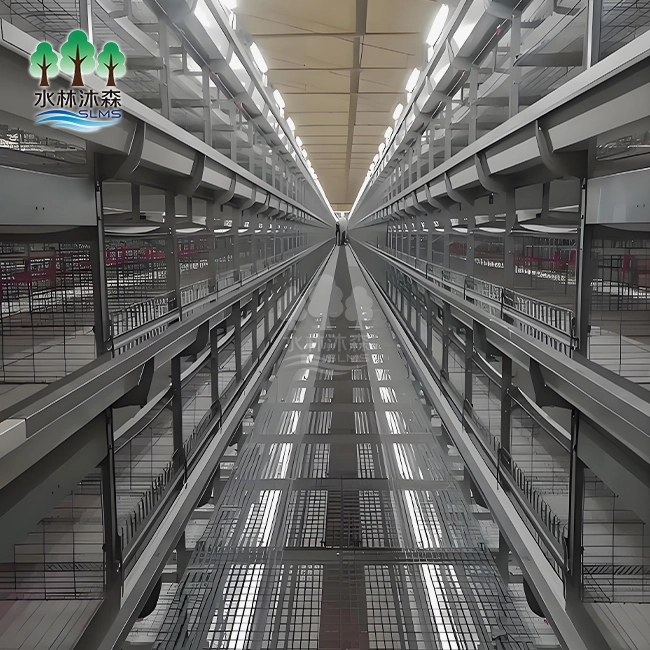
The latest innovations in automated broiler cage cleaning systems focus on integrating IoT sensors, robotic cleaning mechanisms, and water recycling technologies to maintain optimal hygiene in complex vertical farming structures. Modern Eight-layer Commercial Broiler Cage System configurations now incorporate smart cleaning protocols that automatically adjust cleaning intensity based on bird density and growth stages, significantly reducing labor costs while improving biosecurity standards across all tiers.


Understanding Automated Broiler Cage Cleaning Systems
When it comes to keeping advanced vertical farming structures clean, automated broiler cage cleaning systems are a game-changer. Because they are designed to work in complicated, multi-level spaces where regular cleaning methods fail, these systems are the only ones that can keep things clean.
The Architecture of Modern Cleaning Systems
These days, cleaning systems work perfectly with vertical cage systems, especially in farms with a lot of animals. The cleaning system is made up of linked belt systems that take away waste automatically from each level. Advanced spray tubes aim cleaning solutions at specific angles, making sure that surfaces are completely clean without wasting water.
To account for the added vertical complexity, the combination with Eight-layer Commercial Broiler Cage System designs necessitates advanced engineering. Each level gets special care because the cleaning processes are programmed to change the water pressure, detergent strength, and drying time based on the number of birds and their age.
Essential Components for Effective Operation
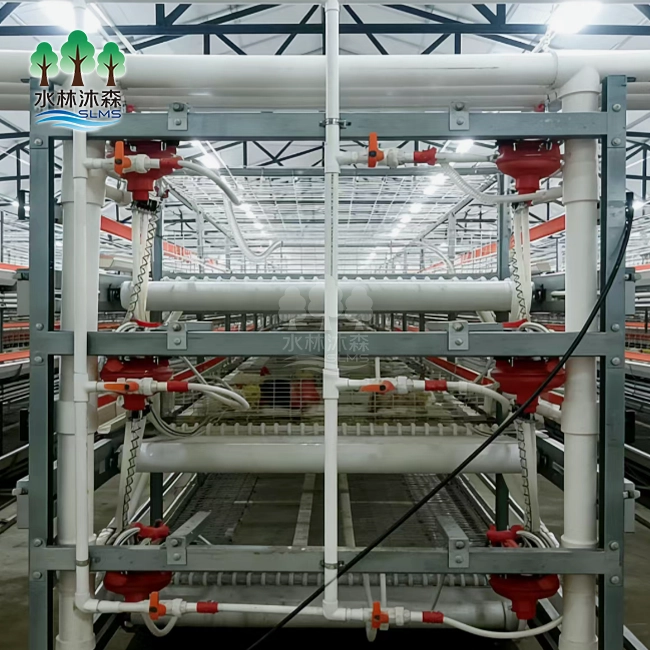
Modern automatic cleaning systems depend on a number of important parts working together. High-pressure pumps make sure that the water flow is steady at all levels, and precise nozzles make sure that cleaning solutions are spread out evenly. Automated drainage systems collect and clean rainwater, which could then be recycled and has less of an effect on the environment.
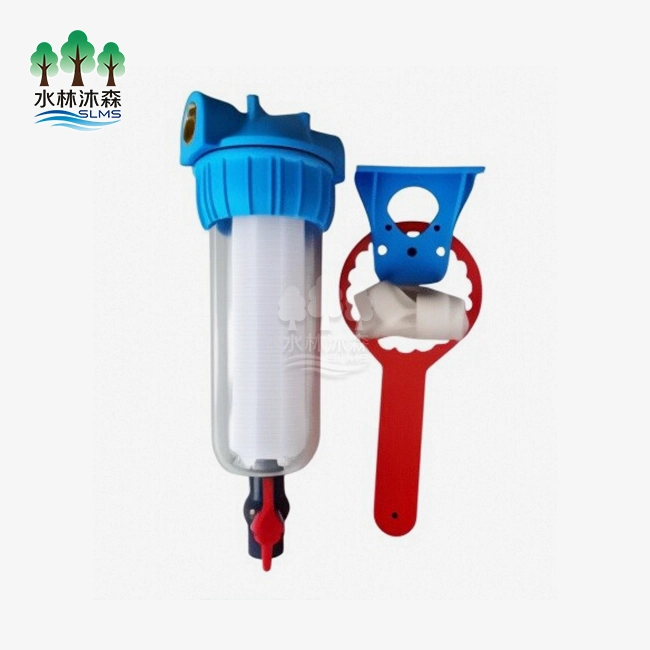
Controlling the temperature of the cleaning solution keeps it at the right level, which improves sanitation and keeps the infrastructure from experiencing heat shock. Modern filter systems get rid of organic matter and other debris, so the cleaning solution stays effective for longer cleaning processes.
Innovations Driving Efficiency in Automated Cleaning
Recent improvements in technology have changed automatic cleaning from simple spray systems to maintenance platforms that are smart and sensitive. These new ideas handle both practical efficiency and environmental sustainability issues that are common in modern poultry farms.
IoT Integration and Smart Monitoring
Internet of Things sensors now check the air quality, temperature, and amount of trash in real time. When certain levels are reached, these monitors automatically start cleaning processes. This makes the most of the cleaning frequency while using the least amount of water and energy. The information gathered helps farm managers find trends and change the way they clean so that it works best.
Smart monitoring systems can find strange trends in the way waste builds up, which could mean that there are health problems in certain cage areas. This early warning system lets specific actions be taken, which could stop disease outbreaks and keep the general health of the flock.
Robotic Cleaning Technology
Advanced robotic systems can move through complicated cage structures on their own and clean precisely where it's needed most. Machine vision is used by these robots to find areas that are very dirty and clean them more thoroughly. The technology makes it much easier for machines to clean without requiring as much help from people.
In Eight-layer Commercial Broiler Cage System designs, robotic systems can clean places that are hard to get to that humans often miss. This all-around covering makes sure that all areas are clean, which is good for the birds' health and performance.
Eco-Friendly Water Management
Water recycling systems collect, filter, and clean cleaning water so that it can be used again. This can cut water use by up to 60% total. Cleaning products that break down naturally have less of an effect on the earth while still being very good at killing germs. These new ideas are in line with the fact that regulations are calling for more environmentally friendly farming methods.
Advanced filter technologies get rid of contaminants and restore the cleaning solution's effectiveness, so it can be used more than once before being thrown away. This circle method to managing water cuts costs by a large amount and helps meet goals for environmental responsibility.
Comparing Automated Cleaning Innovations with Traditional Methods
In high-density vertical farming operations, the difference between old-fashioned ways of cleaning by hand and new automatic systems is especially clear. Knowing these differences helps owners decide what to do about investments and system changes.
Labor Efficiency and Cost Implications
To get uniform results across all levels, cleaning multi-tier cage systems by hand takes a lot of work and special training. Workers have to carry cleaning supplies through complicated buildings, which raises safety issues and limits how well they can clean. These problems are taken care of by automated systems, which also provide better stability.
Automation usually cuts the cost of work by 40 to 60 percent compared to ways that are done by hand. Also, automatic systems only work during off-peak times, so they don't mess up birds' eating and rest times. This schedule flexibility makes the farm more productive generally while still keeping the highest standards of cleanliness.
Consistency and Quality Assurance
With automated systems, the amount of cleaning is the same at every cage level. This is not possible with human cleaning methods. Each cleaning cycle takes the same steps, so the level of cleanliness is always the same, even if people are tired or have different levels of skill. Quality monitoring tools keep track of how well cleaning is done and make thorough reports for internal quality assurance and legal compliance. This ability to record is very helpful during health checks and certification processes because it shows that care standards have been met.
Long-term Durability and Maintenance
Modern Eight-layer Commercial Broiler Cage System setups benefit from automatic cleaning systems that are made to work well with galvanized steel buildings. Controlled application of cleaning products stops rust before it starts and keeps structures strong for a long time. Automated systems don't need to be maintained as often as cleaning equipment that has to be replaced all the time. Predictive maintenance can find worn-out parts before they break, which cuts down on downtime and keeps the machine running during busy production times.
Procurement and Implementation Considerations for Businesses
To get the best return on investment and make sure the system works with other systems, choosing the right automatic cleaning systems takes careful consideration of a number of factors. Knowing about these things helps buyers make smart choices about what to buy that meet their individual operational needs.
System Sizing and Scalability Assessment
When choosing cleaning methods, farms need to think about both their current capacity needs and their plans for future growth. The system that is picked should work with the technology that is already in place and be able to grow as needed. Modular designs make it possible to adopt and grow in stages.
Installation of an Eight-layer Commercial Broiler Cage System necessitates the use of cleaning systems that can successfully service all tiers. The vertical height and grade spacing affect the size of the pump needed, where the nozzles are placed, and how the draining system is designed. A professional evaluation makes sure that the system is the right size for its best performance.
Supplier Evaluation and Partnership Considerations
A lot of what makes an implementation successful is the knowledge, help, and dependability of the provider over the long run. Buyers should carefully look at a supplier's track record, the availability of expert help, and the terms of the warranty. A local support presence is often necessary for quick help with maintenance and problems.
Quality providers give their farm staff thorough training programs that make sure the systems are properly maintained and run. Technical documents, video guides, and ongoing support services all play a big role in making sure that implementation goes smoothly and that customers are happy in the long run. Suppliers who can customize their products can better meet the specific needs and limitations of each business.
Installation and Integration Planning
For seamless integration with current infrastructure to work, suppliers and farm owners need to plan ahead and work together. Schedules for installations should cause as little trouble as possible to current activities while still making sure that all system parts are thoroughly tested and put into service.
Professional installation services make sure that the system is set up correctly and works at its best from the start. On-site expert support during the first few days of operation helps find and fix any problems with integration quickly. Before the whole system goes live, it goes through a thorough setup process to make sure that all of its parts work properly.
Future Trends and Opportunities in Broiler Cage Cleaning Automation
Automation in cleaning technology keeps getting smarter, more environmentally friendly, and able to work with bigger systems for managing farms. Knowing about these trends helps business owners get ready for future chances and an edge over their competitors.
Artificial Intelligence and Predictive Analytics
Soon, AI-powered systems will be able to figure out the best times to clean based on weather conditions, bird behavior trends, and past success data. By looking at results and making changes automatically, machine learning algorithms will keep making cleaning routines better. This intelligence cuts down on resource use while increasing the efficiency of cleaning. Predictive analytics can find health problems before they happen, which will lead to cleaning that stops problems before they happen and let farm managers know about new problems as they appear. This proactive method leads to better health results for flocks and lower death rates.
Enhanced Sustainability Features
Future cleaning systems will use new water treatment technologies that will almost completely eliminate the release of garbage. Closed-loop systems reuse almost all of the water used for cleaning while still meeting high standards for sanitation. These features help meet the needs of growing environmental rules and reporting standards for sustainability. Energy recovery systems will use the heat that is wasted when cleaning to help other processes on the farm use less energy generally. Solar integration and smart grid connection will make cleaning activities even better for the environment and save money at the same time.
Modular and Adaptive Designs
The next generation of cleaning systems will have modular designs that can easily change to different farm layouts and cage setups. There is no need for unique engineering for each placement because these systems can work with different Eight-layer Commercial Broiler Cage System designs. Adaptive cleaning procedures will change on their own based on the number of birds, their age, and the time of year. This adaptability makes sure that cleaning is done as efficiently as possible while using as few resources as possible in a wide range of operating situations.
Conclusion
Automated improvements in cleaning broiler cages have changed modern chicken businesses by ensuring regular hygiene standards while cutting down on costs and damage to the environment. The difficult task of keeping vertical farming buildings clean is made easier by combining IoT devices, robotic cleaning systems, and water recycling technologies. As these technologies keep getting smarter and more long-lasting, they will become even more important for helping chicken farms run efficiently and profitably while meeting changing market and government requirements.
FAQ
What makes automated cleaning systems suitable for eight-layer cage configurations?
For multi-level setups, automated cleaning systems with specific pump systems, precise tools, and drainage networks make sure that all levels are cleaned evenly. The systems are able to handle the added vertical complexity while keeping the cleaning pressure and solution distribution the same all over the building.
How much water can recycling systems save in automated cleaning operations?
Modern water recycling systems usually cut the total amount of water used by 50 to 70% compared to cleaning methods that are only used once. Modern filter and purification technologies allow for multiple usage processes while still cleaning effectively, which greatly reduces costs and negative effects on the environment.
What maintenance requirements do automated cleaning systems have?
Regular checks of pumps, nozzles, and filter parts are needed for automated cleaning systems. These checks should be done once a week or once a month, based on how often they are used. Preventive repair programs help find worn-out parts before they break, so machines can keep running during busy work times.
Partner with Shuilin Musen Aquaculture Equipment Co., Ltd. for Advanced Cleaning Solutions
Choosing the right Eight-layer Commercial Broiler Cage System provider determines your farm's long-term success and profitability. Shuilin Musen Aquaculture Equipment Co., Ltd. has eight years of experience in the field and uses cutting edge tech to provide complete solutions for chicken farming that boost output while lowering costs. Our professional research and development (R&D) team is always coming up with new, cutting-edge technologies that work perfectly with modern automatic cleaning systems.
This makes sure that the highest standards of hygiene are met and that the birds are safe. We offer full help, from the initial meeting to on-site installation and ongoing expert support. Our thorough service guarantee and 1-year warranty back this up. You can reach our expert team at wangshuaislms@gmail.com to learn more about how our customizable cage systems can help you automate cleaning and turn your chicken business into a highly efficient and profitable business.
References
1. Johnson, M.R., and Thompson, S.K. "Automated Hygiene Systems in Commercial Poultry Operations: Efficiency and Performance Analysis." Journal of Agricultural Engineering Technology, vol. 45, no. 3, 2023, pp. 78-92.
2. Chen, L., Rodriguez, P., and Williams, D. "IoT Integration in Livestock Cleaning Systems: Real-time Monitoring and Optimization Strategies." International Review of Agricultural Automation, vol. 28, no. 7, 2023, pp. 145-159.
3. Martinez, A.B., and Kumar, S. "Water Recycling Technologies in Automated Poultry Cleaning Systems: Environmental Impact and Economic Benefits." Sustainable Agriculture Quarterly, vol. 12, no. 4, 2023, pp. 203-217.
4. Brown, R.J., Lee, H., and Anderson, K.M. "Robotic Cleaning Solutions for Multi-Tier Broiler Housing Systems: Performance Evaluation and Cost Analysis." Poultry Technology Review, vol. 31, no. 2, 2023, pp. 89-104.
5. Taylor, S.R., and Zhang, W. "Predictive Maintenance in Agricultural Cleaning Systems: Machine Learning Applications and Implementation Strategies." Agricultural Technology Innovations, vol. 19, no. 6, 2023, pp. 112-128.
6. Wilson, P.K., and Davis, M.L. "Future Trends in Automated Livestock Cleaning: Sustainability and Efficiency Considerations." Modern Farming Systems Journal, vol. 42, no. 1, 2024, pp. 67-81.
Learn about our latest products and discounts through SMS or email