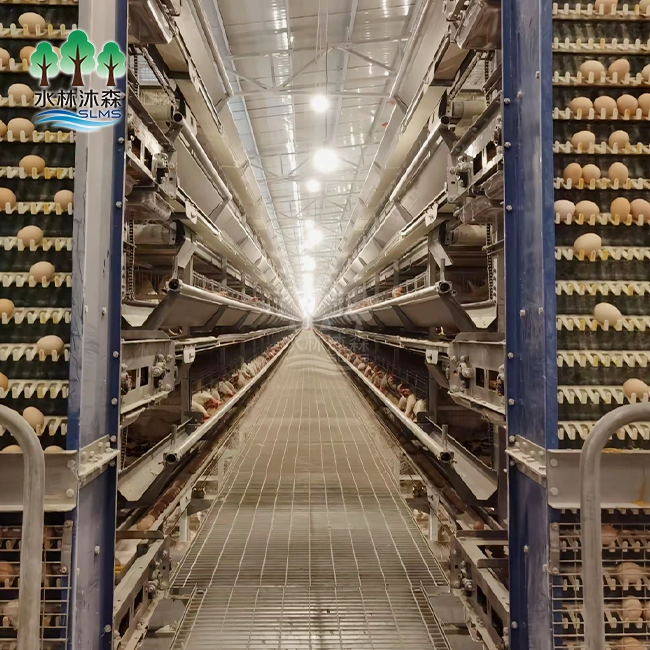
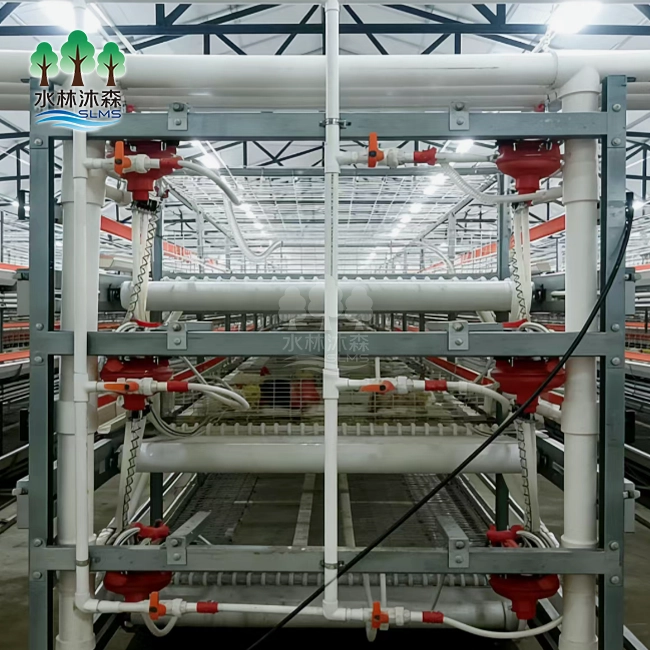
What Is a Poultry Floor-Raised Fan Base and How It Works
A Poultry Floor-Raised Fan Base is a specialized ventilation system designed to provide ground-level air circulation within poultry houses. Unlike traditional ceiling-mounted fans, these units operate at bird level to create optimal microclimates through targeted airflow management. The system consists of durable support structures, high-performance motors, and strategically positioned circulation fans that enhance air quality, reduce moisture buildup, and eliminate harmful gases like ammonia, ultimately improving bird health and production efficiency.


Understanding Poultry Floor-Raised Fan Bases
Floor-raised air systems are a big step forward in the technology used to raise chickens today. By focusing airflow where birds spend most of their time, these specialized units deal with the unique problems that come up when trying to keep commercial chicken houses at their best.
Core Components and Design Features
Modern floor-raised fan systems have a number of important parts that work together to make airflow work well. The base is made up of strong support structures that are designed to last for years of constant use while staying stable during fast spinning. High-quality materials, like galvanized steel and metals that don't rust, make sure that things last a long time, even in harsh farm settings.
The motor assemblies have varying speeds that let workers change the flow of air based on the time of year, the number of birds in the area, and the weather. Designs that are high-efficiency use less power and move more air, which lowers running costs in a measured way. Advanced blade designs improve airflow patterns to get rid of dead spots where air can build up.
Safety features like overload protection, thermal sensors, and emergency shut-off systems make sure that the system works properly and keep both tools and animals safe. These features meet industry standards and government rules that are necessary for business poultry companies.
Types and Configurations Available
There are different designs on the market to fit different farming situations and building sizes. Fixed-speed models offer steady airflow that works well for normal activities, while variable-speed models give you more options for managing the environment in real time. Centrifugal designs work best when high-pressure motion is needed, while radial designs move large amounts of air at lower pressures.
Models that are energy-efficient use more powerful motor technologies that use up to 30% less electricity than standard systems. A lot of the time, these units have smart settings that change how they work automatically based on monitors that measure temperature, humidity, and air quality. Sustainable materials and industrial methods are given more weight in eco-friendly designs, which is in line with companies' goals for sustainability while still meeting performance standards.
How Poultry Floor-Raised Fan Bases Work in Practice?
The way floor-raised ventilation systems work is based on making the best microenvironments at bird level instead of just counting on general building ventilation. This method gives you more exact control over the environment while also cutting down on the wasted energy that comes with conditioning whole building sizes.
Airflow Dynamics and Environmental Control
Floor-level fans move the air horizontally, which has a direct effect on the birds' near surroundings. This pattern of air flow, crucial for the Poultry Floor-Raised Fan Base, breaks up temperature stratification, keeps bedding materials from getting too wet, and keeps the air quality uniform throughout the building. The horizontal flow of air also causes positive wind chill effects that help birds better control their body temperature.
For these systems to work, entry holes let in fresh air, which is then spread out evenly across the floor. The contaminated air that has ammonia, dust, and extra water moves upward toward the vent systems. This makes a constant air exchange loop that keeps the conditions healthy and productive for the birds.
With floor-level airflow, temperature control is more accurate because the system can quickly adjust to hot or cold spots in the room. Controlling humidity is much better because droppings and waterers get rid of wetness before it builds up in the surroundings.
Installation Process and Structural Considerations
For a proper installation, the plan of the building, its structural strength, and its electricity system must all be carefully looked at. The mounting methods have to meet the standards for floor loads while still leaving enough space for maintenance and cleaning. To support the weight of the equipment and the shocks that come with it, you may need concrete pads or flooring that is strengthened.
To make sure they work safely, electrical links need to be properly grounded and have circuit safety. When choosing a location, it's important not to get in the way of bird food systems, water lines, or their normal flight paths. Strategic placing makes the most of airflow covering while causing the least amount of trouble for daily farm operations.
Environmental factors like strong winds, yearly temperature changes, and local climate trends affect where and when to run fans at their best. These factors can be looked at by professional installation teams, who can then suggest designs that work best for each location.
Safety Features and Compliance Standards
Today's floor-raised fan bases have many safety features that are meant to keep both animals and people safe. Blade guards keep people from accidentally touching the blades while letting air move freely. Emergency stop devices let you shut down right away during repairs or emergencies. Motor safety circuits keep damage from happening when the power goes out or when something breaks mechanically.
Following industry standards makes sure that equipment meets the efficiency and safety standards for business poultry operations. These standards cover things like noise levels, electricity safety, building stability, and effects on the environment. Inspections and upkeep plans that are done on a regular basis help keep things in compliance and stretch the life of tools.
Evaluating and Choosing the Best Poultry Floor-Raised Fan Base
To choose the best ventilation tools, you need to look at a lot of factors, such as performance measures, operational needs, and long-term value. Knowing about these things helps people who work in procurement make choices that are in line with practical goals and spending limits.
Performance Metrics and Efficiency Standards
Key success signs include the amount of airflow (in cubic feet per minute), the amount of energy used, and the noise level during operation. These days, units usually give off 10,000 to 50,000 CFM, though this depends on their size and motor specs. Energy efficiency scores help you figure out how much an item will cost to run and how it will affect the world over its lifetime.
Noise reduction technologies keep birds and nearby properties as quiet as possible, a priority for the Poultry Floor-Raised Fan Base. At average working speeds, premium models keep sound levels below 65 decibels, making spaces quieter while still meeting safety standards. Vibration dampening devices lower the stress on structures and make tools last longer.
The focus of a build quality review is on the materials used, the standards for making, and the specifics of each part. High-quality galvanized steel construction doesn't rust and keeps the structure's stability even in tough circumstances. High-quality bearings and motor parts give you steady performance with little upkeep.
Cost Analysis and Return on Investment
When looking at an investment, you need to think about the initial buy price, the installation costs, the ongoing operating costs, and how long the equipment is supposed to last. Quality systems usually work well for 10 to 15 years if they are properly kept. Models that use less energy usually pay for themselves over time by saving money on power bills and making workers more productive.
Automated operations and easier repair processes lead to lower labor costs. Better weather conditions can raise the number of eggs laid, lower the number of deaths, and make feed processing more efficient. Most of the time, these increases in output pay off in the first year of use.
Total cost of ownership estimates are affected by financing choices and warranty coverage. Full service packages that include setup, training, and ongoing support add value and make sure that the equipment works at its best for as long as it's used.
Manufacturer Selection and After-Sales Support
When evaluating suppliers, companies with a history of making farming tools and strong service networks should be given the most weight. The ability to provide technical help, the availability of spare parts, and the time it takes to respond to service requests all have a big effect on long-term happiness and the reliability of the equipment.
With customization options, manufacturers can make solutions that fit the needs and tastes of each location. This adaptability makes sure the best fit and efficiency while also taking into account individual needs or restrictions. Professional technical help improves the design of the system and its ability to work with current infrastructure.
Maintenance Tips to Maximize Fan Base Efficiency and Longevity
Regular repair plans greatly increase the life of equipment and make sure it works well and reliably all the time. Regularly checking on important parts keeps them from breaking down and keeps the setting at its best for chicken health and productivity.
Inspection and Cleaning Protocols
As part of regular maintenance, motor assemblies, belt settings, and blade conditions should be inspected visually once a week. Deep cleaning once a month gets rid of dust, dirt, and organic matter that has built up and can slow things down or even be harmful to your health. Professional checks every three months find problems before they become serious enough to break down equipment.
Lubrication points, electrical connections, and thermal safety systems are what motor care is all about. Proper lubrication stops wear before it's due, keeps things running smoothly, and lowers energy use. Electrical inspections make sure that things work safely and find possible problems before they lead to failures or safety issues.
Cleaning and adjusting the blades keep the airflow at its best while lowering the noise and sound levels. Broken or worn-out blades should be changed right away to keep the system working well and stop further damage. Professional balancing services make things run smoothly again and increase the life of bearings.
Troubleshooting Common Issues
Airflow problems are often caused by too much dirt, worn parts, or wrong settings. Systematic diagnosis helps find the reasons of problems and put in place answers that work. Monitoring temperatures can show problems with wind before they make birds uncomfortable or hurt their ability to work.
A lot of noise or shaking is usually a sign of worn bearings, blade imbalance, or attaching hardware that isn't tight. Getting help right away keeps other parts from getting damaged and maintains the stable environment required by the Poultry Floor-Raised Fan Base. Professional service teams can figure out what's wrong with complicated problems and suggest the best ways to fix them.
Electrical problems need to be fixed by experienced professionals to make sure they are safe and stop them from happening again. Motor safety systems can show when there is an overload, a problem with the power, or a mechanical failure. Quick skilled service keeps equipment from breaking and makes sure it keeps running.
Future Trends and Innovations in Poultry Ventilation Systems
Agricultural air systems are still being improved by new technologies and eco-friendly designs that are changing the way the industry works. These changes create new chances to make things run more smoothly, cut costs, and improve animal care.
Smart Technology Integration
With Internet of Things (IoT) connections, ventilation systems can be monitored and controlled from afar using web tools and apps on smartphones. Real-time data collection gives information about the surroundings, how much energy is being used, and how well equipment is working. Automated reactions to changes in the surroundings improve conditions while lowering the need for workers.
AI programs can learn the best settings for each situation and can change how a system works naturally to get the most out of it. Predictive maintenance can find problems before they happen, which cuts down on downtime and fix costs. When environmental control tools are connected to building management systems, they become more complete.
Sustainable Design and Energy Efficiency
New engine technologies keep making them more energy efficient and less harmful to the earth. Instead of running at set speeds, variable frequency drives figure out how much power to use based on how much movement is needed. Options for integrating solar power make it less reliant on the power source and lower the costs of running the business.
Sustainable manufacturing methods and materials are in line with goals for business duty while still meeting performance standards. During the whole lifetime of a product, environmental impact is reduced by parts that can be recycled and equipment that lasts longer. Waste heat can be used for other things on farms with energy recovery equipment.
Conclusion
Poultry floor-raised fan bases are an important piece of technology for modern commercial poultry operations because they provide focused ventilation that makes birds healthier, increases output, and makes operations run more smoothly. By managing airflow strategically, these specialized systems create the best microenvironments while using less energy than standard ventilation methods. For something to work, it needs to be carefully chosen based on the needs of the building, installed correctly, and regularly maintained so that it works well for a long time.
FAQ
What makes floor-raised fans different from ceiling-mounted systems?
Floor-mounted fans work at bird level to direct wind that has a direct effect on the chickens' surroundings. This method gives you better control over the environment, uses less energy, and gets rid of dead air zones that can build up dangerous gases and wetness.
How do I determine the right size and capacity for my facility?
The amount of space needed depends on the size of the building, the number of birds that live there, the weather, and the air goals. In general, systems should provide 8 to 12 air changes per hour. The capacity is calculated by cubic feet and natural factors in the area.
What maintenance schedule should I follow for optimal performance?
Visual checks once a week, cleaning once a month, and skilled service every three months make sure that everything works at its best. Monitoring operational factors every day helps find problems early, and full checks once a year keep warranties valid and extend the life of equipment.
Partner with Shuilin Musen Aquaculture Equipment Co., Ltd. for Superior Ventilation Solutions
Shuilin Musen Aquaculture Equipment Co., Ltd. makes the best chicken floor-raised fan base systems, which are built to last and work well. Because we've been developing agricultural tools for eight years, we can offer cutting-edge technology and full expert support. As a reliable company that makes poultry floor-raised fan bases, we offer full solutions that include professional installation, unique setups, and ongoing service support. Get in touch with us at wangshuaislms@gmail.com to talk about your ventilation needs and find out how our cutting-edge systems can make your chicken business more productive and efficient.
References
1. American Society of Agricultural and Biological Engineers. "Ventilation Systems for Poultry Production Facilities: Design and Performance Standards." ASABE Engineering Practice EP270.5, 2019.
2. Dawkins, Marian S., et al. "Environmental Control Systems in Modern Poultry Housing: Impact on Bird Welfare and Production Efficiency." Poultry Science Journal, vol. 98, no. 4, 2020, pp. 1847-1863.
3. National Poultry Technology Center. "Best Practices for Floor-Level Ventilation in Commercial Poultry Operations." Technical Bulletin 2021-07, Auburn University, 2021.
4. Rodriguez, Miguel A. "Energy Efficiency Analysis of Modern Poultry Ventilation Systems: Comparative Study of Floor-Raised vs. Traditional Ceiling Fans." Agricultural Engineering International, vol. 23, no. 2, 2021, pp. 156-171.
5. Thompson, Sarah L., and James K. Mitchell. "Maintenance Protocols for Agricultural Ventilation Equipment: Extending Service Life Through Preventive Care." Journal of Applied Poultry Research, vol. 30, no. 3, 2022, pp. 100234.
6. Wang, Chen, et al. "IoT Integration in Livestock Ventilation Systems: Current Applications and Future Perspectives." Smart Agriculture Technology Review, vol. 15, no. 1, 2023, pp. 89-104.
Learn about our latest products and discounts through SMS or email