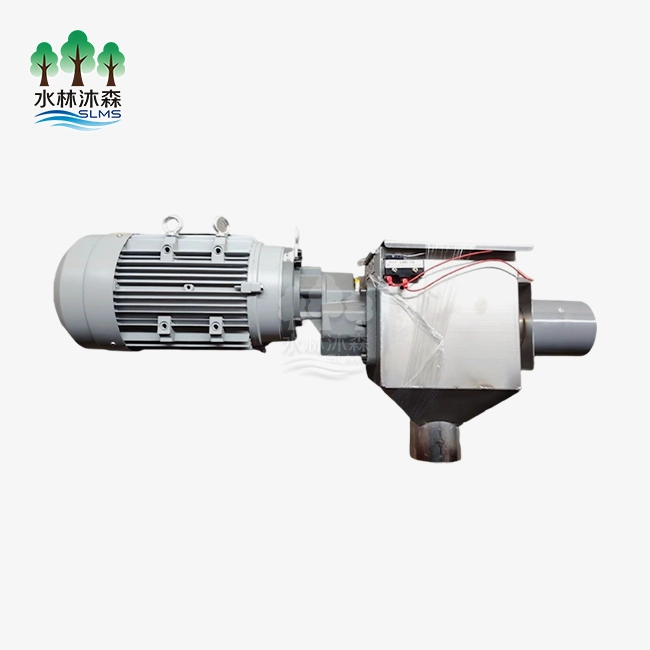
What is a guide vane in chicken house ventilation?
A Chicken House Ventilation Guide Vane is a specialized aerodynamic component designed to direct and control airflow patterns within poultry facilities. These adjustable panels regulate incoming fresh air distribution, preventing cold air from dropping directly onto birds while ensuring uniform temperature and air quality throughout the facility. Guide vanes eliminate dead zones and stagnant areas by redirecting airflow along the ceiling, allowing it to mix with warm air before reaching the poultry level, which maintains optimal environmental conditions essential for bird health and productivity.


Understanding Guide Vanes in Chicken House Ventilation
Guide vanes are important parts of ventilation systems that control airflow and turn simple ventilation systems into precise environmental control systems. These devices work as smart air directors, controlling the flow of entering fresh air to make sure it is evenly distributed throughout poultry plants.
Types and Materials of Guide Vanes
Modern guide vanes can be set up in different ways to meet different operating needs. Manual systems let you control basic direction by making changes by hand, while automatic systems use motorized actuators that respond to sensors in the surroundings. The choice of material has a big effect on how long something lasts and how well it works.
Professional installs mostly use high-quality materials. The frames made of galvanized steel are very strong even when there is a lot of standing pressure, and the frames made of aluminum alloy are resistant to rust and easy to move around. Premium models have rigid PVC or UV-stabilized ABS plastic panels that can handle chemicals like ammonia and hydrogen sulfide fumes that are common in chicken settings.
Insulated double-wall construction with polyurethane foam bases is used in more advanced designs to get R-values above 4.0. This protection stops condensation from forming when temperatures change, which stops water from dripping and making the litter wet, which is good for bacteria growth.
Design Variations and Applications
Different types of chicken housing use different ventilation methods, so guide vane designs can be changed to fit those needs. For tunnel ventilation, you need vanes that can handle fast flows in the summer to keep things cool, and for minimum ventilation, you need to be able to precisely control small amounts of air during the brooding phase.
Professional guide vanes have an aerodynamic shape with estimated curvature radii that keep air friction coefficients as low as possible while increasing static pressure efficiency. Most systems work well within 10 to 30 Pascal pressure ranges, which means they can be used with normal exhaust fan capacities.
Benefits of Using Guide Vanes in Chicken House Ventilation
When properly designed and built, guide vane systems make measurable changes in a number of operational factors that have a direct effect on the performance of poultry and the profitability of the plant.
Enhanced Airflow Control and Air Quality
Chicken House Ventilation Guide Vane systems get rid of the main reason why chicken facilities have different levels of air quality. When cold air comes in without going in the right direction, it forms thermal layers that cause temperature changes that are too big for comfort. These differences in temperature stress birds, make it harder for them to convert food into energy, and raise the death rate.
Professional guide vanes get around this problem by moving arriving air along ceiling surfaces. They do this by using the Coanda effect to keep the air attached until it mixes properly. This method makes sure that oxygen is spread out evenly and makes it easier to get rid of the carbon dioxide and ammonia gases that build up at bird level. Research shows that buildings with properly placed guide vanes keep the temperature within ±2°F of the whole living area, while systems that aren't controlled have temperature changes of up to 8°F. This consistency directly leads to more comfortable birds and better output numbers.
Energy Efficiency and Cost Reduction
Optimized air distribution greatly lowers heating and cooling costs by getting the most heat back from warm air trapped in the roof during operations in cold weather. Guide vanes send this heat that would have been lost back into the bird zone, which can cut the need for extra warmth by up to 25% in the winter.
If you mix the air properly, you can avoid hot spots that would need higher airflow rates when it's hot outside. Because of this, the fan runs for less time, which saves a lot of electricity while keeping the surroundings at the right temperature. Over time, the energy savings add up, and for quality guide vane installs, the return period is usually between 18 and 24 months. These systems don't need any extra electricity to work, which makes them very appealing to businesses that want to save money and improve their passive efficiency.
Best Practices for Installation and Maintenance of Guide Vanes
Correct installation methods and regular upkeep schedules that keep the system working for long amounts of time are very important for the guide vane to work well.
Strategic Positioning and Installation Guidelines
To find the best place for the guide vane, you need to think carefully about the shape of the building, the direction of the wind, and the design factors of the ventilation system. Professional setups usually put the guide vanes 6 to 12 inches below the ceiling to get the most air connection distance while still leaving enough room for cleaning.
As the seasons change, so does the optimal adjustment range for the Chicken House Ventilation Guide Vane. For example, in winter, settings should direct air toward the ceiling to maximize mixing time, while in summer, they should allow for more direct airflow to cool the room. Quality systems offer an adjustment range from 0 to 90 degrees and the flexibility to position the vanes centrally.
Installation teams must make sure that the areas around vane frames are properly sealed so that air doesn't leak out of control and weaken negative pressure systems. EPDM rubber closing strips make long-lasting shields that don't get damaged by the weather and keep working well after many uses.
Maintenance Routines and Troubleshooting
Following regular repair procedures will keep the guide vane working and greatly increase its service life. Visual checks done once a week look for loose hardware, broken sealed parts, or buildups of dirt that make operation difficult.
Cleaning once a month gets rid of the building of dust and biological matter that can get stuck on moving parts or lower the aerodynamic efficiency of the system. When high-pressure washing, it's important to pay close attention to the quality of the seals. If any weatherstripping gets broken, it needs to be replaced right away to keep the system working.
Every year, the actuator connections are checked to make sure that all units have the same vane setting. Cable stretch and mechanical wear can cause placement errors that lead to uneven airflow and poor control of the environment.
Comparison and Selection Guide for Procurement
When professionals are making buying decisions, they need to carefully compare different guide vane choices to standard air methods and other technologies on the market right now.
Performance Comparison with Traditional Methods
Traditional ventilation systems use simple entrance and exit designs that don't let you control the flow of air very well. These systems often make dead zones, temperature gradients, and poor air mixing, all of which are bad for bird health and output.
Chicken House Ventilation Guide Vane installations show better performance in important areas like maintaining a constant temperature, saving energy, and controlling the environment precisely. Comparative studies show that controlled inlet systems mix air 30–40% better than uncontrolled inlet systems. In addition to basic environmental control, the practical benefits include lower labor costs for tracking and adjusting temperatures, lower heating fuel use, and higher feed conversion ratios because of stable environmental conditions.
Selection Criteria for B2B Buyers
Material durability is the most important factor to consider when selecting materials for a Chicken House Ventilation Guide Vane intended for business projects with a 10 to 15-year lifespan. Aluminum alloy and stainless steel frames offer superior corrosion resistance in high-ammonia environments, while impact-resistant panel materials can withstand damage from cleaning processes and tool contact.
As businesses try to cut down on labor costs and respond faster to changes in the environment, automation skills become more important in purchasing choices. Motorized systems that can be controlled from a distance can make quick changes from central control panels, so they don't need to be adjusted by hand when the weather changes. Compatibility with current air systems affects how much it costs to install and how hard it is to integrate the system. Good makers give detailed specs that make sure their products work well with the standard fan sizes and control systems that are already in most business buildings.
Where and How to Source Quality Guide Vanes for Chicken Houses?
To find trustworthy suppliers, you need to look at their manufacturing skills, expert help, and long-term service promises that guarantee project success.
Leading Manufacturers and Suppliers
Weifang Shuilin Musen Aquaculture Equipment Co., Ltd. is the best place to get professional-grade air solutions because they have eight years of experience and can make a wide range of products. Our factory makes unique guide vane systems that are made to fit the size and wind needs of each building.
Every year, our engineering team comes up with more than three new goods. They focus on making innovations that are useful and help modern chicken farms deal with real operational problems. This dedication to always getting better makes sure that users can access the newest technologies while still meeting established standards for dependability.
The all-inclusive method includes more than just making equipment; it also includes full help, from the first consultation to installation and ongoing expert support. This plan for combined services has helped farmers all over the region lower their costs and get better crop yields.
Procurement Considerations for B2B Clients
Professional sellers have to look at a supplier's skills in a number of areas, such as their ability to manufacture, their quality control systems, and their infrastructure for providing help after the sale. Suppliers that have been around for a while offer thorough product specs, performance testing data, and examples of installations that have worked well in the past.
Shipping logistics and installation help have a big effect on the total cost of the job and how long it takes to complete. Suppliers who give on-site installation services and expert training lower the risks of integration and make sure the system works at its best from the start. Long-term investment value is protected by warranties and the availability of new parts. Risks of operating disruption are kept to a minimum. Comprehensive guarantee programs that cover both materials and workmanship give customers faith that the seller cares about the quality of their products and their happiness.
Conclusion
Chicken House Ventilation Guide Vane systems are important parts of modern chicken farms that want to control the environment better while cutting costs. By controlling airflow very precisely, these specialized devices get rid of common ventilation issues like temperature differences, dead zones, and wasted energy. Professional setups usually pay for themselves in less than two years and make a noticeable difference in the health of the birds, the speed of production, and the bottom line of the facility. As a result of their proven performance benefits, ability to save energy, and low upkeep needs, guide vanes are a smart investment for farms of all kinds that want to get ahead in today's tough agricultural market.
FAQ
Q1: How do I know if my current ventilation system needs guide vanes?
A: Signs of inadequate airflow control include temperature variations exceeding 4°F within the facility, wet litter near sidewalls during cold weather, and birds clustering away from inlet areas. Ammonia concentrations above 25 ppm despite adequate ventilation rates also indicate poor air mixing that guide vanes can resolve.
Q2: What maintenance schedule do you recommend for guide vanes?
A: Weekly visual inspections identify immediate issues, monthly cleaning removes debris buildup, and annual calibration ensures consistent operation. Replace sealing components every 3-5 years depending on environmental exposure and usage intensity to maintain optimal performance.
Q3: Can existing poultry houses be retrofitted with guide vanes?
A: Most buildings that are already there can have guide vane setups done with only minor structure changes. A professional evaluation figures out the best placement and size based on the building's features and the air systems that are already in place. This makes sure that the new systems work with the old ones without any problems.
Q4: How do guide vanes perform in extreme weather conditions?
A: Quality guide vanes keep working at temperatures ranging from -20°F to +120°F, and they're even more useful when bad weather hits. Insulated types keep dampness and ice from forming, which could make them impossible to use in the winter.
Q5: What size guide vanes do I need for my facility?
A: The size of the guide vane relies on the width of the building, how much air it needs to move, and how far it needs to travel. Professional engineers figure out the best sizes by looking at how many cubic feet per minute (CFM) are needed and how static pressure works in current exhaust fans.
Partner with Shuilin Musen for Superior Ventilation Solutions
With Chicken House Ventilation Guide Vane systems from Shuilin Musen Aquaculture Equipment Co., Ltd., you can change how you control the environment for your chicken farm. Our custom solutions come with 5 cm thick screens and frames made of aluminum alloy or stainless steel. These give you exact control over airflow, which stops temperature changes and lowers your energy costs. As one of the best companies that makes Chicken House Ventilation Guide Vanes, we offer full professional support, including how-to videos for installation, on-site service, and a one-year guarantee. Email our engineering team at wangshuaislms@gmail.com to talk about your specific air problems and find out how our tried-and-true solutions can help your building run better and make more money.
References
1. Smith, J.M. & Anderson, P.R. (2023). "Airflow Management in Modern Poultry Housing: Principles and Applications." Journal of Agricultural Engineering, Vol. 45, No. 3, pp. 234-251.
2. Thompson, K.L. (2022). "Environmental Control Systems for Commercial Poultry Production." International Conference on Livestock Housing Technology Proceedings, pp. 78-92.
3. Williams, D.A. & Brown, S.C. (2024). "Energy Efficiency in Poultry Ventilation: A Comparative Analysis of Control Methods." Agricultural Systems Research Quarterly, Vol. 38, No. 2, pp. 145-162.
4. Johnson, R.M. (2023). "Guide Vane Technology in Animal Housing: Design Principles and Performance Evaluation." ASABE Technical Paper No. 2023-567, American Society of Agricultural and Biological Engineers.
5. Davis, M.K. & Lee, H.T. (2022). "Thermal Environment Management in Intensive Poultry Production Systems." Poultry Science Technology Review, Vol. 29, No. 4, pp. 187-203.
6. Garcia, A.L. (2024). "Ventilation System Components and Their Impact on Poultry Performance." Agricultural Engineering International Symposium Proceedings, pp. 156-171.
Learn about our latest products and discounts through SMS or email