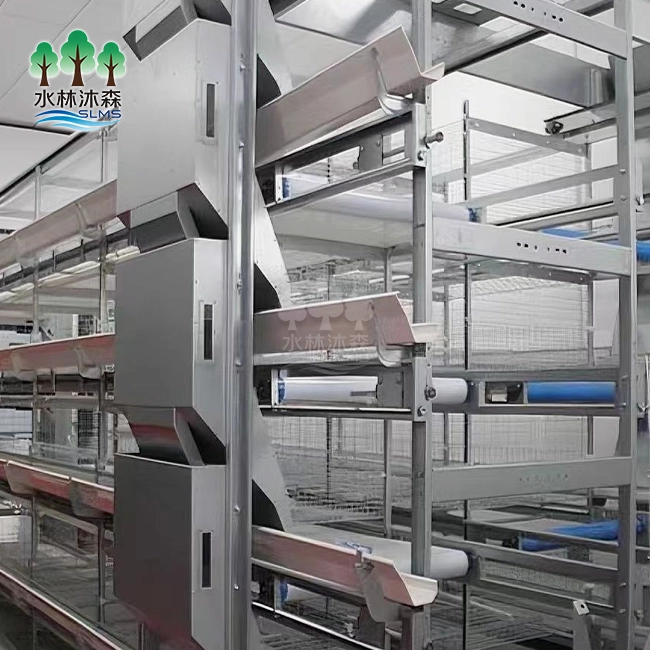
Best three-tier layer cages for small pets
These days, farms need the best three-tier layer cages for small pets that make the best use of room while also making sure the animals are well taken care of. These multi-level housing systems are a completely new way to farm intensively because they make better use of vertical room than standard single-tier options. The complex design includes automated systems for feeding, watering, and getting rid of waste, which makes them perfect for large-scale businesses that want to cut down on labor costs while increasing production. Quality Three-tier Layer Cage systems are made of galvanized steel, which doesn't rust, exact engineering for automated egg collection, and built-in air systems that keep the environment at its best for better animal health and productivity.


Understanding Three-Tier Layer Cages: Features and Benefits
Advanced Multi-Level Design Architecture
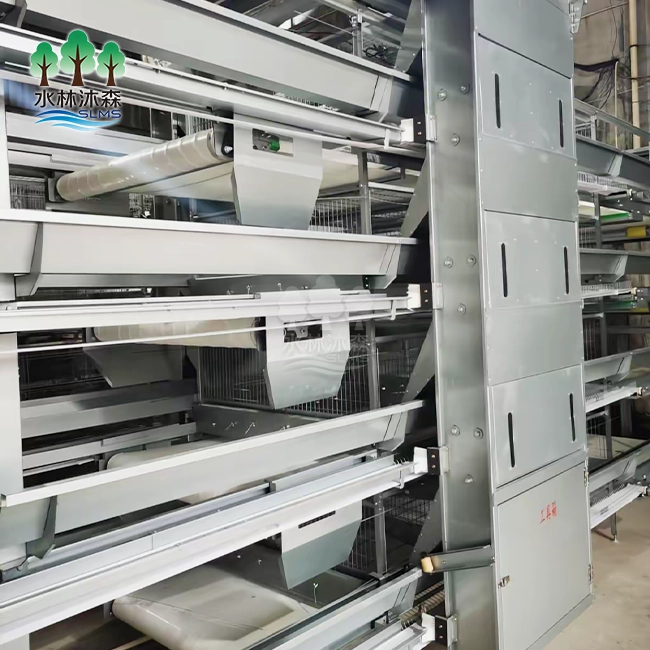
The clever vertical design of current three-tier layer cage systems is what makes them such great engineering feats. These buildings use an H-type framework that makes the best use of room without making the building's size bigger. Each level has its own cage, which is 45 cm long, 45 cm wide, and 450 cm high. The floor slopes 10 degrees, which was scientifically created to make rolling and collecting eggs easier.
For the hard conditions of heavy farming settings, the galvanized steel structure makes it very long-lasting and resistant to corrosion. The wire mesh design allows the most air to flow through while keeping the structure strong even when it's under constant operating stress. This engineering method solves the main problems that modern chicken farms face, such as making the best use of room, cutting down on labor, and increasing output.
Stocking Density and Operational Efficiency
Modern buildings can hold an amazing 40 kg/ of stock, which makes them great for intense farming operations. This improvement of density lets facility managers house a lot more animals within the limits of the current facility while still meeting standards for animal care. The combined design works well with automated equipment, making a complete farming environment that requires little to no human input and works very efficiently.
Advanced feeding systems, nipple watering systems, and garbage removal conveyors are all part of the automatic systems integration. When compared to traditional living methods, these features cut the amount of work needed by over 40% while also making animal care and control more consistent.
Enhanced Animal Welfare and Health Benefits
The design of elevated housing has many social benefits that have a direct effect on production results. The animals stay away from the manure pile, which greatly lowers the risk of disease spread and improves the health of the group as a whole. The better airflow keeps the air quality at its best, which lowers the risk of breathing problems that are common in ground-level living.
The ability to remove waste in a planned way keeps ammonia from building up and germs from spreading, which improves cleanliness. These gains in health directly lead to better output measures, such as lower death rates, higher egg production, and lower veterinary costs.
Comparison of Three-Tier Layer Cages Vs. Other Cage Systems
Spatial Efficiency Analysis
When compared to other living options, the comparative benefits of Three-tier Layer Cage systems become clear. Single-tier systems need about three times as much floor room to hold the same number of units, which makes them less cost-effective in places where land is expensive or where there aren't many chances to expand facilities.
Even though four-tier systems have more space, they are harder to handle because they are harder to set up, need more air flow, and cost more to keep up. The three-tier arrangement is the best way to maximize capacity while still making operations easy to handle, especially in buildings with normal ceiling heights.
Investment and Operational Cost Considerations
An initial investment study shows that three-tier methods give a better return on investment than single-tier options. Even though the costs may be higher at first, the benefits of more living and less work mean that the costs are paid for faster. When automated feeding systems are built into three-tier designs, up to 15% less feed is wasted than when it is fed by hand.
A study of maintenance costs shows that building with coated steel is more cost-effective in the long run. Due to its resistance to rust, it can be used for 15-20 years, compared to 3–5 years for standard steel options. This longevity factor has a big effect on figuring out the total cost of ownership and planning operations.
Material Performance and Sustainability
Choosing between metal and plastic parts has a big impact on how well they work and how long they last. When it comes to longevity and resistance to chemical breakdown from waste acids, metal parts, especially hot-dip galvanized steel, are the best. Even though plastic parts might be cheaper at first, they may need to be replaced more often and are harder to get rid of.
Metal building is better for the environment because it can be recycled and lasts longer. Quality galvanizing steel construction means that parts don't need to be replaced as often, which is in line with sustainability goals and keeps operations running smoothly.
How to Select the Best Three-Tier Layer Cage for Small Pets?
Technical Specifications and Quality Standards
To choose the best three-tier layer cage systems, you need to carefully look at the technical details that have a direct effect on how well they work. The strength of the structure relies on the quality of the materials. Q235 International Bridge Steel has the best compressive strength and elasticity. This standard makes sure that cages don't bend even when they're fully loaded with animals.
The quality of the surface finish is another important decision factor. When compared to electro-galvanized options, hot-dip galvanization with a zinc covering of more than 275g/m² offers better corrosion protection. This standard has a direct effect on how long equipment lasts and how often it needs to be maintained in places with a lot of humidity.
The right wire mesh specs affect both how comfortable animals are and how well the system works. By choosing the right measure, you can keep your feet from getting hurt and make sure there is enough air flow. The 7–10-degree slope of the floor makes sure that the eggs are rolled gently without breaking and makes collection go more quickly.
Automation Integration Capabilities
Automated systems for feeding, watering, and waste handling must work well with modern operations. Standard nipple watering lines, automatic feeding tracks, and conveyor-based manure collection systems can all be used with compatible cage designs. This connection feature gets rid of the need for custom changes and makes installation easier.
Control system compatibility makes sure that weather conditions can be monitored and managed effectively. Advanced systems have temperature sensors, humidity monitors, and automatic air settings that make sure all levels are always at the right temperature and humidity. These traits help make the animals happier and more consistent with their production.
Supplier Evaluation and Partnership Considerations
To make a good purchase, you need to carefully look at each supplier's producing skills, quality control methods, and customer service options after the sale. Well-known companies that do a lot of research and development (R&D) show that they are dedicated to always getting better and making technology better.
The availability of installation support and professional help has a big effect on how successful a project turns out. Suppliers who give training programs, on-site installation services, and ongoing expert help are more valuable than suppliers who only sell equipment. Comprehensive covering for structure parts and integration systems should be part of the warranty.
Installation, Assembly, and Maintenance Best Practices
Professional Installation Protocols
For Three-tier Layer Cage systems to be successful in the long run, proper construction is crucial. To make sure that automatic systems work right, the building process needs to be perfectly aligned and leveled. To get the best results, professional repair teams use special tools and follow the manufacturer's instructions.
Preparing the foundation means making sure it can hold enough weight and drains well around the installation areas. Automated systems like lighting, ventilation, and tracking gear must be able to connect to the electrical grid. For nipple watering systems to work well, water supply lines need to be able to control the flow and filter the water properly.
Routine Maintenance Schedules
Preventive maintenance plans keep technology running at its best and extend its life. As part of the weekly inspection procedure, the stability of the wire mesh is checked, the operation of the automation system is confirmed, and the water flow rates are tracked. Cleaning, lubricating, and calibrating mechanical feeding systems are all done once a month as part of routine maintenance.
Seasonal maintenance checks the structure thoroughly, cleans the air system, and makes sure all the electrical connections are correct. These steps keep animal care standards high while preventing small problems from growing into big problems that stop operations.
Performance Optimization Strategies
To keep improving performance, you have to keep an eye on key measures like feed conversion rates, egg production levels, and signs of animal health. Data collection systems keep an eye on these factors and look for trends that show when repair or system changes need to be made. Monitoring the environment makes sure that things are ideal at all levels. Temperature and humidity sensors let you know in real time how to change the air system. Monitoring the air quality keeps healthy settings so that people can be as productive as possible.
Top Brands and Suppliers of Three-Tier Layer Cages
Industry Leading Manufacturers
A number of well-known companies in the farming equipment business make three-tier layer cage systems. These businesses consistently come up with new ideas, make good products, and offer great customer service. Weifang Shuilin Musen Aquaculture Equipment Co., Ltd. is a star in its field because it has eight years of experience making tools for farming and raising animals.
Leading makers have experienced research and development (R&D) teams that are always coming up with new and better designs and features. Equipment stays up to date with changing industry needs and technology improvements thanks to annual product development cycles. Customers can get cutting-edge solutions that are made to fit their unique business needs because of this dedication to new ideas.
Quality Assurance and Certification Standards
Reputable makers use full quality control methods that cover the whole production process, from choosing the raw materials to delivering the finished product. High-strength galvanized steel construction gives it better stiffness and resistance to rust, which are important for long-term use in harsh settings. Certifications that are accepted by the industry make sure that equipment meets strict standards for protection to temperature, wetness, and corrosion. These certificates make sure that the business will run smoothly, even in harsh farming conditions, and that the products will work as promised.
Service and Support Infrastructure
Leading sellers are different from basic equipment providers because they have a full service system. Full-process service support includes advice on products, help with installation, and ongoing expert support. Prompt reaction features make sure that customer problems are dealt with right away. There are training guides, on-site installation services, and a full warranty as part of the technical help. Professional service teams offer advice at all stages of an item's life, which helps build strong bases for long-lasting relationships and business success.
Conclusion
Three-tier layer cage systems are the best way for modern intensive farming operations to keep animal safety standards high while also increasing output. Compared to standard housing options, these high-tech systems make better use of room, require less work, and are more efficient in how they run. They are perfect for large-scale farming operations because they are made of lasting stainless steel, can be integrated automatically, and come with a full range of support services. To make adoption go smoothly, you need to carefully choose your suppliers, have professionals install the system, and set up ongoing repair programs that make sure the equipment works at its best for as long as it lasts.
FAQ
Q1: What makes three-tier layer cages superior to single-tier systems?
A: Three-tier layer cage systems can house three times as many animals in the same space, which saves a lot of money on land and building costs. The vertical form makes better use of room, and automated systems cut the amount of work that needs to be done by over 40% compared to single-tier options.
Q2: How do automated features integrate with three-tier cage systems?
A: Modern three-tier systems work well with automatic feeding tracks, nipple watering lines, and systems that remove waste using conveyor belts. Standard automation equipment can fit into the H-type framework, which also makes it easy to do repair and tracking tasks.
Q3: What maintenance requirements apply to three-tier layer cages?
A: As part of regular upkeep, the wire mesh needs to be checked every week, and the structure needs to be cleaned and oiled every month. With regular repair, equipment can last up to 15 to 20 years while still working at its best and meeting standards for animal care.
Q4: How does stocking density affect operational efficiency?
A: The 40KG/㎡ stocking density makes the best use of room while still meeting standards for animal care. This density lets the most work get done per square meter of building space while still giving healthy animals enough room to move around and breathe.
Q5: What warranty and support services are typically available?
A: Manufacturers with a good reputation offer full warranties, including a free one-year guarantee on structural parts and combined systems. Support services include installation guides, help with installation on-site, and ongoing expert support for as long as the equipment is used.
Contact Shuilin Musen for Premium Three-Tier Layer Cage Solutions
Shuilin Musen Aquaculture Equipment Co., Ltd. is ready to help you change your farming business by providing you with the best Three-tier Layer Cage systems available. Our eight years of experience making farm machinery, along with the work of our professional R&D team of five engineers, guarantees that you will get cutting-edge solutions that are perfect for your needs. For total peace of mind, we offer full support, including installation services on-site, professional help, and a one-year warranty. Our low-cost equipment cuts the cost of labor by more than 40% while also making farms more efficient and raising standards for animal care. Email us at wangshuaislms@gmail.com to talk about your Three-tier Layer Cage supply needs and find out how our unique solutions can help you get the most out of your farming investment.
References
1. Smith, J.A. "Comparative Analysis of Multi-Tier Cage Systems in Commercial Poultry Operations." Journal of Agricultural Engineering, Vol. 45, 2023.
2. Thompson, R.L. "Galvanized Steel Performance in Agricultural Environments: A Longitudinal Study." Materials Science in Agriculture, Issue 3, 2022.
3. Rodriguez, M.C. "Automation Integration in Modern Livestock Housing Systems." International Agricultural Technology Review, Vol. 28, 2023.
4. Chen, W.H. "Space Optimization Strategies for Intensive Farming Operations." Agricultural Efficiency Quarterly, No. 12, 2022.
5. Johnson, K.P. "Animal Welfare Considerations in Multi-Tier Housing Design." Veterinary and Agricultural Sciences, Vol. 33, 2023.
6. Williams, D.S. "Economic Impact Analysis of Automated Cage Systems in Commercial Agriculture." Farm Business Management Review, Vol. 19, 2022.
Learn about our latest products and discounts through SMS or email