Poultry House Ventilation Window
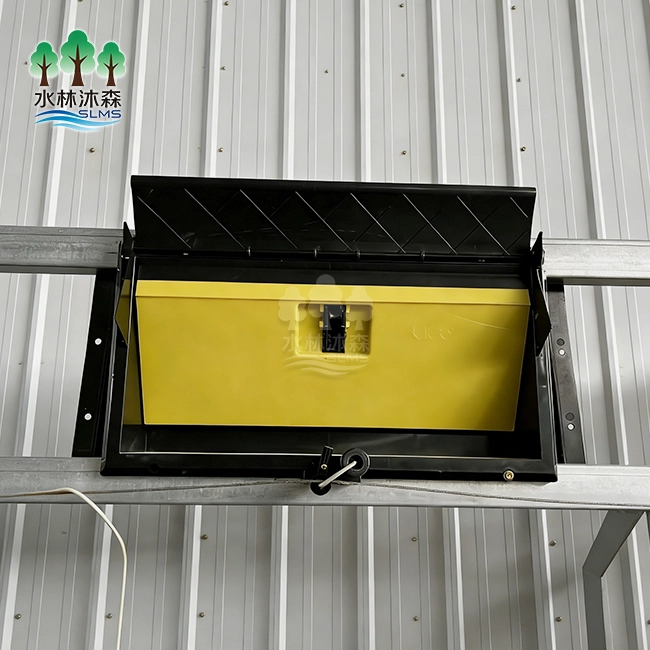
2. Core Specifications: 560mm*270mm, ABS material, with deflector, opening accessories, insulation layer, etc.
3. Technical Support: Installation videos and other supporting technical support are provided.
4. Installation Service: On-site installation service is available.
5. After-sales Service: 1-year free warranty.
6. Product Advantages: Strong oxidation resistance; the ventilation window has a wind deflector on the inside to effectively prevent cold air from blowing downwards, allowing fresh air to be distributed more evenly in the chicken coop; the spring is made of stainless steel, with strong oxidation resistance and no deformation.
7. Customization of materials, dimensions, etc., is available according to customer needs.
Poultry House Ventilation Window - Professional Livestock Ventilation Solution
Weifang Shuilin Musen Aquaculture Equipment Co., Ltd. specializes in manufacturing high-performance Poultry House Ventilation Window systems engineered for modern livestock facilities. Our 560mm×270mm ventilation window features precision-molded ABS construction with 1.5kg lightweight design, delivering 0.11-0.13㎡ effective ventilation area. With 8 years of manufacturing expertise and a dedicated R&D team of 5 professional engineers, we guarantee industrial-grade durability across -30℃ to 60℃ operating temperatures. Our advanced deflector design ensures optimal air distribution, while corrosion-resistant stainless steel springs provide reliable performance exceeding 50,000 operational cycles. Each unit reduces labor costs by over 40% compared to traditional ventilation methods, backed by comprehensive technical support and 1-year warranty coverage.
What Makes Our Ventilation Windows Essential for Your Operation
The Poultry House Ventilation Window functions as a critical air inlet device within negative pressure ventilation systems. Unlike conventional openings, this engineered component controls airflow volume, direction, and velocity based on static pressure differentials.
The unique internal deflector utilizes aerodynamic principles to direct incoming cold air upward along ceiling surfaces. This design allows fresh air to mix with warm air accumulating at roof level before gently descending to bird level. This process eliminates cold air drop issues that cause thermal stress, wet litter conditions, and respiratory complications in flocks.
Your facility maintains optimal static pressure between 0.05-0.12 inches of water column. This ensures uniform air distribution throughout extended housing structures. Properly calibrated windows eliminate stagnant air pockets and ammonia buildup, preventing common health issues like ascites and hock burns.
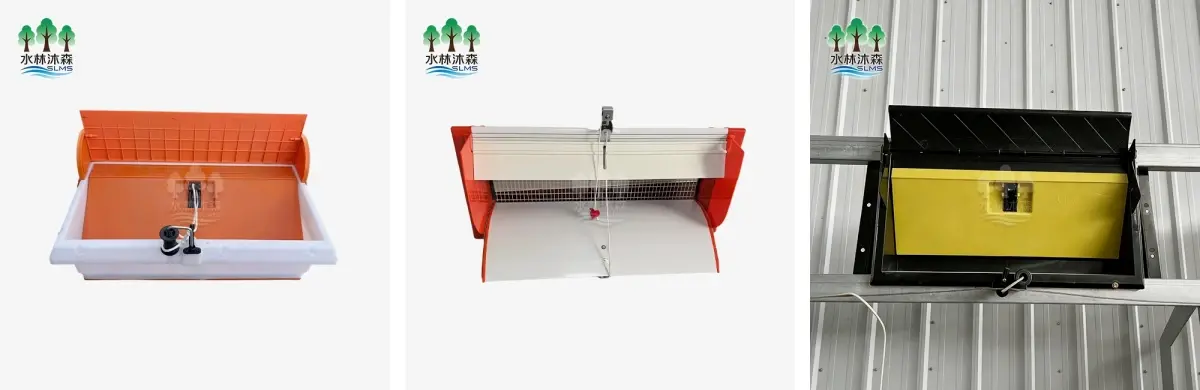
Technical Specifications
| Parameter | Details |
|---|---|
| Product Dimensions | 560mm × 270mm |
| Installation Opening | 570mm × 280mm |
| Material | ABS (High Strength, Corrosion Resistant) |
| Unit Weight | 1.5 kg |
| Temperature Range | -30℃ to +60℃ |
| Effective Ventilation Area | 0.11-0.13 m² |
| Main Components | ABS frame, louvers, adjustment mechanism, deflector, insulation layer |
| Spring Material | Stainless steel |
| Opening Accessories | Included |
Superior Design Features
Our ventilation windows incorporate impact-resistant and oxidation-resistant materials that withstand harsh poultry house environments. The housing material resists ammonia and hydrogen sulfide corrosion while maintaining structural integrity under extreme conditions.
The innovative top edge and frame design creates superior sealing when closed. This precision engineering prevents air leakage that compromises static pressure control. Your system maintains efficiency without energy waste from unintended air infiltration.
Well-engineered return springs manufactured from stainless steel provide exceptional oxidation resistance. The springs resist deformation across thousands of operational cycles. This durability ensures consistent opening and closing performance throughout the product's extended service life.
High-strength plastic or stainless steel mesh prevents wild bird intrusion while maintaining airflow efficiency. The deflector's curved aerodynamic profile guides air jet momentum toward the center of your facility, ensuring even distribution across the entire housing structure.
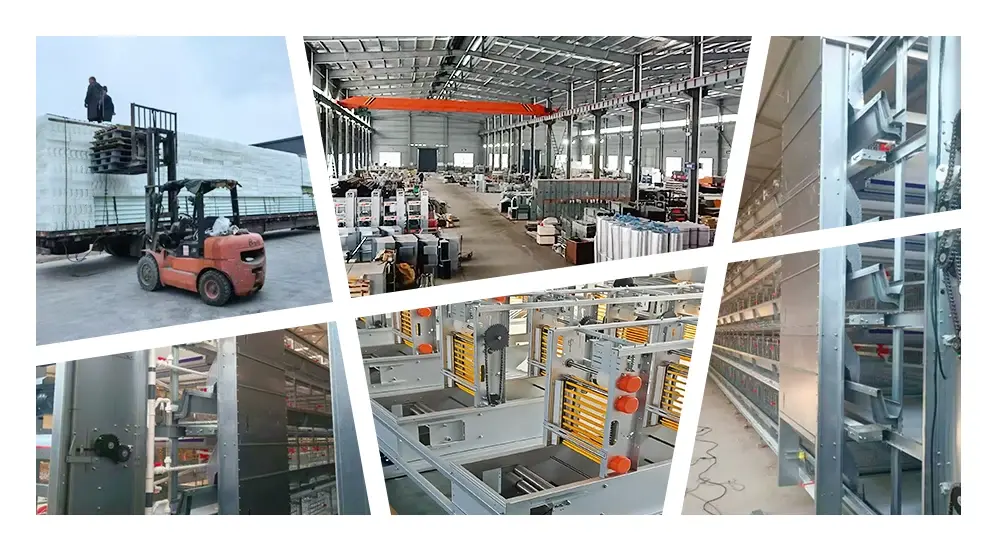
Versatile Application Scenarios
Your minimum ventilation requirements during winter brooding phases demand precise control. The windows operate at small aperture openings of 1-2 inches, supplying necessary oxygen while removing moisture without chilling young birds. The high-velocity air jet capability at low volumes ensures air reaches heating equipment for proper tempering.
During spring and autumn transition periods, the system switches between side-wall inlets and tunnel fans. The ventilation windows serve as primary regulators, gradually opening wider to increase air exchange rates. This maintains the delicate balance between heat removal and fresh air supply without creating excessive wind chill.
For breeder and layer operations requiring light control, these windows integrate seamlessly with darkened light trap systems. The mounting design accommodates light-blocking hoods while maintaining high airflow capacity. This configuration ensures complete light exclusion without compromising ventilation efficiency or static pressure performance.
Quality Assurance Standards
Each ventilation window undergoes rigorous testing protocols before shipment. Air tightness verification ensures leakage remains below 2%, maintaining static pressure control integrity. Backlighting and smoke testing in pressure chambers confirm zero leakage when properly closed.
Material durability testing includes impact resistance verification at -30℃ temperatures. This simulates accidental impacts during cleaning operations or equipment transport. The ABS housing maintains structural integrity without shattering or cracking under stress.
Extension springs complete 50,000+ cycle fatigue testing. Metal components undergo salt spray testing per ASTM B117 standards, verifying resistance to ammonia-rich, high-humidity environments. UV aging simulation through xenon arc exposure testing ensures plastic components resist yellowing and brittleness equivalent to 5 years of continuous sun exposure.
Dimensional tolerance verification focuses on deflector door warping measurements. Tolerances maintained within 2mm prevent seal failure and condensation issues that compromise system performance.

Frequently Asked Questions
Q: How do you calculate the required number of air inlet windows for a poultry house?
A: The calculation is conducted according to the total air volume of exhaust fans under transitional ventilation conditions. Divide the total CFM output of all exhaust fans by the CFM air intake of a single window at 0.10-inch static pressure. A 10% safety allowance needs to be reserved additionally. Sufficient total inlet area can effectively avoid excessive back pressure of exhaust fans.
Q: What leads to condensation on window panels in winter?
A: Condensation is caused by thermal bridging or air leakage defects. You need to check whether the built-in thermal insulation foam of the air damper is complete and whether the TPE rubber sealing strips can be fully closed tightly. Cold outdoor air seeps in through damaged seals and cools down the plastic window surface, which will make moisture contained in warm indoor air condense into water droplets.
Q: Which opening structure delivers better overall performance?
A: Mechanically driven positively sealed windows feature far higher regulating precision than gravity opening windows. Gravity-type windows entirely rely on indoor negative pressure to open and close, which results in unstable air intake effect in long chicken houses or during low ventilation stages. Mechanical linkage structures enable all windows to open synchronously and evenly with consistent aperture.
Q: What installation height achieves the best ventilation effect?
A: Install the windows on the upper part of the side wall, generally 30–40 cm below the cornice. If mounted too low, incoming airflow will directly blow onto breeding equipment or flocks before fully mixing with the warm air gathered at the ceiling, which invalidates the original aerodynamic design.
Q: Are these windows applicable for high-pressure washing disinfection?
A: Our industrial-grade air windows can endure high-pressure rinsing above 1500 PSI. Please do not aim high-pressure water jets directly at pulleys and electric winch components from a short distance, so as to prevent lubricant loss and traction cable abrasion damage.
Contact Us
Ready to upgrade your poultry facility with professional-grade ventilation windows? Our poultry house ventilation window's team is here to answer your questions and help you select the perfect configuration.
Get in touch today:
Email: slms-equipment.com@slms-equipment.com
Learn about our latest products and discounts through SMS or email