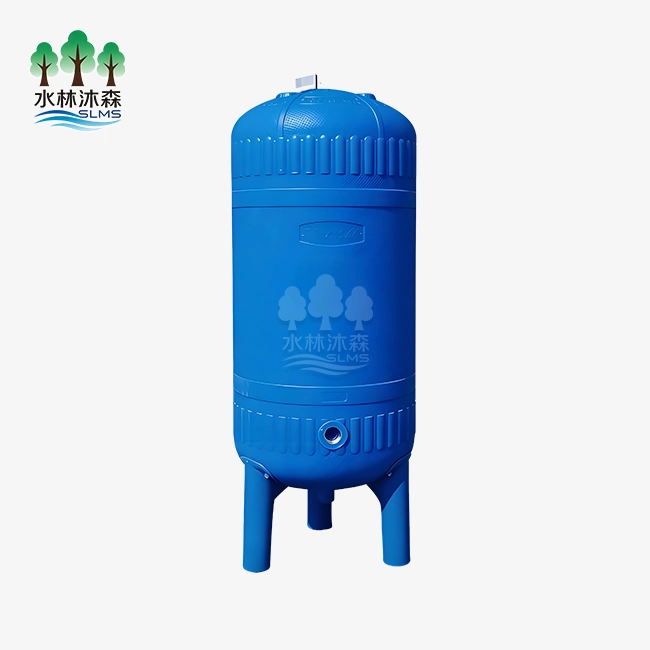
Affordable bulk feed tanks for large-scale chicken farming
Keeping feed cool is one of the most difficult parts of running a big chicken farm with tens of thousands or even hundreds of thousands of birds. A Chicken Farm Bulk Feed Tank is a well-thought-out option that changes how farms store food and give it to their hens. These special vertical storage tanks allow for centralized feed management, which cuts down on the number of transfers needed while still ensuring accurate, on-time supply that has a direct effect on your bottom line. Modern bulk feed storage systems work smoothly with automated feeding lines and can hold anywhere from 5 to 30 tons, depending on the size of your business. This is in contrast to traditional bag storage methods that require constant work and pose a risk of contamination.


Understanding Bulk Feed Tanks for Large-Scale Chicken Farms
Large-scale chicken farms have unique organizational problems that can't be solved with traditional ways of storing feed. Handling thousands of feed bags every month slows down work, opens up biosecurity holes, and causes nutrients to break down a lot because of bad storing conditions.
What Makes Bulk Feed Storage Different from Traditional Methods
A big change in how feed is managed is brought about by modern bulk storage systems. Instead of having to handle bags by hand and go through multiple switching points, these systems make a straight line from the delivery trucks that bring feed to your birds' feeding stations. The vertical design lets you store more while leaving less of a mark on the land, which is especially helpful when you're trying to grow your business on a small plot of land.
The building elements are very important. High-zinc coated steel plate construction is more resistant to corrosion than normal galvanized choices. This is especially important in chicken houses, which tend to have a lot of ammonia in the air. The supporting frame structure evenly spreads weight loads, which stops ground movement problems that happen with systems that weren't designed well.
Key Components That Drive Performance
A properly designed bulk feed holding system has several important parts that work together. It stops both bridging (when feed forms an arch and stops running) and flushing (uncontrolled release) by controlling the flow rates of the feed. Ladders, viewing ports, and level sensors are all safety features that let your team keep an eye on goods and do maintenance without putting workers in danger.
Problems with the environment are dealt with by protection systems like rain caps and vibrator devices. Rain caps stop water from getting in, which would cause mold to grow and mycotoxin exposure. Vibrators, on the other hand, break up the packed feed that builds up near the release points. Weighing systems give real-time information about inventory, which lets you buy only what you need. This cuts down on the amount of working capital that is wasted on extra feed inventory.
Capacity Planning for Different Operation Sizes
To choose the right storage space, you need to know how your flock usually consumes food and how to give it. During peak growth times, operations with 10,000 to 20,000 broilers usually need 1.5 to 2 tons of feed every day. To find the best balance between supply regularity and storing costs, a 10-ton system offers about 5–7 days of buffer. Larger businesses with more than 50,000 birds can benefit from 20- to 30-ton systems that cut the number of deliveries down to once a week. This lowers the cost of transportation and reduces the number of biosecurity incidents caused by truck traffic.
The vertical silo-style form is much better than the horizontal ones in a number of ways. Gravity flow is used in vertical systems, so there is no need for motorized transport from storage to distribution places. This passive design cuts down on energy use and mechanical failure spots. It also makes feed fresher by speeding up the turnover processes.
How Affordable Bulk Feed Tanks Improve Chicken Farming Efficiency?
Switching to bulk storage has effects on the economy that go far beyond the cost of the starting tools. When operations install systems that are the right size, they usually get their money back in 18 to 24 months through reduced labor costs, better flock performance, and less wasted feed.
Quantifiable Labor Cost Reductions
Handling feed bags by hand is an unavoidable cost in many chicken businesses. Each 50-pound bag needs to be moved, stored, and the packing materials need to be thrown away. A business that feeds 30,000 birds has to deal with about 1,200 bags every week, which takes committed work hours that could be used for more important management tasks. Automated bulk systems get rid of this whole process, which cuts down on labor needs by more than 40% compared to traditional bag feeding methods and also lowers the risk of injuries at work from repeated lifting. The Chicken Farm Bulk Feed Tank system not only saves time and labor but also contributes to improved feed efficiency and overall farm productivity.
Feed Quality Preservation and Waste Minimization
Feed that goes bad because it wasn't stored properly has a direct effect on your feed conversion rates and the health of your group. Good sealing stops rain, wetness, and insects from getting in, which are the main things that break down and contaminate nutrients. Keeping the feed's vitamin makeup stable will make sure that your nutritionist's plans work and will also lower the risk of chicken diseases that come from spoiled feed, which can ruin flock performance and raise food safety concerns.
Getting rid of waste is more than just keeping food from going bad. Bulk delivery systems get rid of the 2% to 3% spillage that happens when bags are handled, and the pest-proof design keeps wild birds and rodents out, which stops them from stealing food and spreading disease. These waste reductions often add up to 4-6% of feed sales over the course of a year, which is a big savings since feed makes up 60–70% of all output costs.
Integration with Automated Feeding Systems
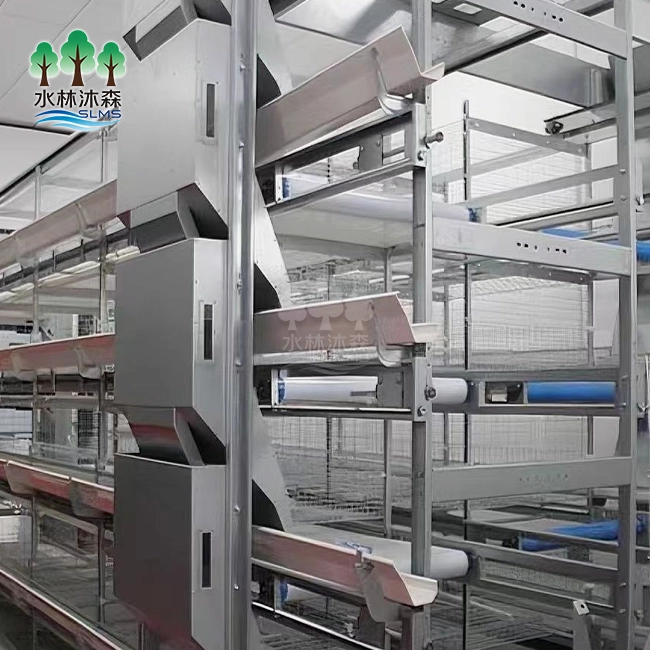
Modern bulk holding tanks are the hub of all the technology that goes into feeding. The unloading system can link directly to auger lines or chain feeding systems. This lets you set feeding plans that make the best use of gut fill times and reduce competition at feeding stations. This combination lets you use precise feeding plans that match the delivery of nutrients to the birds' daily eating habits. This makes the feed more effective while lowering their metabolic stress.
Weighing systems let you keep an eye on things, which makes data-driven inventory management possible. Instead of having to check inventory by hand or running out of items when they're needed, automated alerts let managers know when it's time to restock. This helps you keep track of your cash flow better and stops production problems that happen when feed sources run out during important growth stages.
How to Choose the Best Affordable Bulk Feed Tank for Your Chicken Farm?
To choose the best bulk storage option, you need to look at a number of linked factors that affect how well it works right away and in the long run. To make an informed choice, you need to know how the different standards will affect your unique production system.
Capacity Matching to Operational Requirements
When deciding how much storage space to get, you should weigh several different factors. If there isn't enough capacity, supplies have to happen more often, which raises transportation costs and biosecurity risks. On the other hand, if there is too much capacity, capital is locked up and feed quality can suffer from long storage times. The specification range of 5 to 30 tons can be used by everything from small family farms to big business integrator facilities.
To find your ideal capacity, you must first find your average daily consumption during times of high demand. Then, you must multiply this number by the number of days you want to have stock on hand. Most businesses aim for 7–14 days of capacity, which gives them a safety net in case of supply problems and keeps inventory turning over at an acceptable rate. Businesses that are growing should think about modular designs that let them add more space without replacing old equipment. We can help you with this by customizing our designs to fit your unique growth plans.
Material Selection and Environmental Durability
The main building material directly affects how long your system lasts and how often it needs to be maintained. High-zinc coated steel plate construction is very rigid and doesn't rust, so it will work well for the 10 to 15 years that you should expect from properly described equipment. When steel is galvanized, a metallurgical bond is formed that saves the steel base even if it gets scratched during use.
In places that are very acidic or near the coast, buildings made of 304 stainless steel last longer, even though it costs more at first. The choice of material affects more than just the tank walls. All structural parts, like support frames, bolts, and the unloading system, should have the right rust protection to keep important parts from breaking down too soon. For a reliable and durable solution, choosing a Chicken Farm Bulk Feed Tank made with high-quality materials ensures long-term performance and reduces maintenance needs.
Automation Compatibility and Control Integration
When combined with full farm management tools, large storage becomes much more valuable. Electronic level sensors that talk to your farm management software should be built into modern systems. This way, you can see your goods in real time. This connection makes it possible for predictive ordering systems to find the best times for deliveries based on production cycles and weather windows.
The details of the precision transport system are very important for the success of integration. Variable speed auger motors let you change the feed flow rate to match the capacity of your distribution system. This keeps the system from being overloaded, which can cause jams and mechanical stress. With installation videos and expert help, you can make sure that your maintenance team knows how to operate, adjust, and fix problems in a way that causes the least amount of downtime.
Supplier Evaluation and Support Services
The equipment buy is just the start of your connection with the supplier. On-site installation services take away the guesswork and chance of making mistakes that come with self-installation, making sure that the base is properly prepared, the structure is correctly put together, and the system is properly tested. This skilled service saves your warranty and speeds up the time it takes to start using your system.
The warranty terms show how confident the supplier is in the quality of their goods. Our one-year free warranty on all parts protects you during the important break-in time, which is when any production flaws or installation problems usually show up. In addition to the warranty, you should also look at how quickly the seller responds to technical support requests and how readily available parts are. These are the things that decide whether a small problem causes hours of downtime or is fixed quickly with little effect on production.
Maintenance, Cleaning, and Longevity Tips for Bulk Feed Tanks
Good repair habits have a direct effect on both how long your storage system works and how good the feed is that you give to your sheep. Setting up routine inspection and cleaning procedures can help you avoid most operating problems and protect your equipment investment.
Establishing Preventive Inspection Routines
Visual checks every day only take a few minutes, but they find problems early on, before they get worse. Make sure the level monitor works, that the vibrator system works during discharge cycles, and look for signs of bridging or uneven discharge in the feed flow characteristics. Your food crew will get used to these quick checks, and they will let you know right away if there are any problems that need your attention.
Every month, thorough checks should be done to look for signs of stress or rust in structural parts, make sure that all screws are still properly torqued, and check safety features like the stability of the ladder and the inspection port seals. The small vertical form makes these checks easy, and all the important parts can be reached from the ground or the ladder system that comes with it.
Feed Quality Monitoring and Contamination Prevention
The excellent closing performance that keeps outside contaminants out needs regular upkeep to keep working. Check door seals and entry ports often, and replace gaskets when they need to be replaced, rather than waiting until you can see damage. Check the rain cap to make sure it is in the right place and that it drains properly, especially after bad weather that could move it.
Do thorough cleanout processes that get rid of all leftover feed in between groups. When old feed builds up, it's perfect for mold to grow, bugs to get in, and bacteria to spread, which contaminates new arrivals. As part of the cleaning process, the inside surfaces should be checked for any buildup on the walls or in the cone section, which is where material moves the slowly.
Component Longevity and Replacement Planning
Knowing how long most parts last helps you plan for upkeep and keeps problems from happening out of the blue. Depending on how often it is used, the vibrator system usually needs to be serviced every two to three years. The motor brushes or bearings are the main parts that wear out. The precision delivery system works better when it is oiled and adjusted once a year to keep the flow under control.
The high-zinc coating shields the main structure from corrosion, but high-wear areas like the discharge boot and any mechanical connections may need to be touched up or parts replaced during the system's useful life. Keeping spare parts on hand for important parts, especially ones with long lead times, cuts down on downtime when fixes are needed. For a Chicken Farm Bulk Feed Tank, our technical support team can give you lists of suggested extra parts based on how you install and use the product.
Procurement and Supplier Guidance for Bulk Feed Tanks
In order to buy bulk feed storage systems, you need to know both what the products are made of and what the suppliers can do. By making an informed choice, you can protect your investment and make sure that the business will be successful in the long run.
Evaluating Supplier Credentials and Experience
In the market for agricultural tools, there are suppliers with a wide range of skills and levels of dedication. Weifang Shuilin Musen Aquaculture Equipment Co., Ltd. has eight years of specialized experience in farming and cattle machinery. This gives them the knowledge to help you choose the right system and keep it running for a long time. Our skilled research and development team of five engineers is always coming up with new ways to solve problems in the industry. Each year, they release three or more new goods that meet the changing needs of businesses.
Location and responsiveness of suppliers are very important for continued help. Our headquarters are in Qingzhou City, Shandong Province, which puts us in the middle of a major cluster of companies that make farming equipment. This gives us access to specialized component sources and the ability to make things that meet both standard production needs and unique customer requests. This infrastructure makes it possible for our systems to be customized so that they meet your specific operating needs.
Understanding Total Cost of Ownership
The price you pay for the system is only one part of its total cost. Check the energy requirements, especially for systems that automatically release and watch energy. Our optimized design for matching materials and tools uses little energy and keeps utilization rates high so that the most value is taken from each part.
The need for maintenance has a direct effect on ongoing costs. Systems that are easy to take apart and change parts of cut down on both the cost of parts and the time needed to do regular maintenance. You won't need to pay for specialized service contracts if your staff knows how to do simple cleaning tasks. This will lower your total cost of ownership over the equipment's useful life.
Over time, the cost-effectiveness benefits build on each other. When compared to traditional bag feeding methods, cutting labor costs by more than 40% results in big annual saves that are much greater than the cost of buying the tools in the first place. When paired with less waste, better feed quality protection, and better biosecurity, the return on investment becomes very strong, even for businesses that were unsure about putting up the money at first.
Leveraging Customization for Optimal Fit
Standard products offer answers for common installations, but your business may have specific needs because of the way it works, the products it makes, or the tastes of its management. With customization services, you can change basic patterns to fit your needs. This could mean changing the mounting arrangements to fit difficult site conditions, changing the capacity to exactly match your usage habits, or integrating the control system so that it works with the farm management software you already use.
The process of customization should start with a thorough meeting where you can talk about your business needs and the limitations of the site. Then, our team comes up with custom solutions that meet both your performance goals and your budget. This way of working together makes sure that the system you get fits in perfectly with your business, instead of making you change how you do things to fit the tools.
Conclusion
Switching to bulk feed storage is a smart investment that will change large-scale chicken businesses by cutting down on labor, reducing waste, and improving biosecurity. Choosing to use these systems should take into account how much space is needed, how long the materials will last, how well they will work with technology, and how well the suppliers can help. If you choose the right method for your business, you'll see measurable benefits like lower handling costs, better feed quality preservation, and easier logistics management.
If you keep your systems in good shape, they will last for 10 to 15 years, which means your investment will pay off over many flock cycles and help your business grow with modular expansion options. As the production of chickens keeps going up to meet the world's protein needs, Chicken Farm Bulk Feed Tank storage goes from being a nice-to-have to a must-have for competitive producers.
FAQ
Q1: What tank capacity should I choose for my operation size?
A: Calculate your average daily feed consumption during times of peak growth, then multiply that number by the number of days you want to have a supply backup. Facilities with 10,000 to 20,000 birds should use 10-15 ton systems, while those with 50,000 or more birds should think about 20-30 ton setups that cut down on delivery times to once a week.
Q2: How does bulk storage improve feed quality compared to bag storage?
A: Sealed bulk systems keep out moisture, insects, and rust, all of which break down bagged feed. The controlled environment keeps the nutrients stable and gets rid of the risks of pollution from rodents and wild birds that come with storing bags in the usual way on a farm.
Q3: What kind of upkeep does a bulk feed system require?
A: Daily visual inspections make sure that everything is working right, and once a month, detailed checks look at the structure's strength and how well each part works. Between-flock cleaning gets rid of leftover feed, which keeps the livestock from getting sick. Wearing parts and mechanical changes are taken care of once a year during service. Most maintenance jobs can be done by farm staff using the technical support tools that are given.
Partner with a Trusted Chicken Farm Bulk Feed Tank Manufacturer
Shuilin Musen Aquaculture Equipment Co., Ltd. stands ready to transform your poultry operation through proven bulk feed storage solutions backed by eight years of specialized industry experience. Our comprehensive approach combines rigorous quality control—from raw material selection through finished product delivery—with ongoing technical support that ensures long-term operational success. The integration of professional R&D capabilities, customization flexibility, and responsive after-sales service positions us as your strategic partner rather than just an equipment supplier. Contact our team at wangshuaislms@gmail.com to discuss your specific operational requirements and receive detailed technical specifications matched to your facility. We provide complete support including installation videos, on-site commissioning services, and a guarantee that protects your investment.
References
1. Appleby, M.C., Mench, J.A., & Hughes, B.O. (2004). Poultry Behaviour and Welfare. CABI Publishing, Wallingford, UK.
2. Bell, D.D. & Weaver, W.D. (2002). Commercial Chicken Meat and Egg Production, Fifth Edition. Springer Science, New York.
3. Leeson, S. & Summers, J.D. (2008). Commercial Poultry Nutrition, Third Edition. University Books, Guelph, Ontario.
4. National Research Council (1994). Nutrient Requirements of Poultry, Ninth Revised Edition. National Academy Press, Washington, D.C.
5. Sainsbury, D. (2000). Poultry Health and Management: Chickens, Turkeys, Ducks, Geese and Quail, Fourth Edition. Blackwell Science, Oxford.
6. Timmons, M.B. & Gates, R.S. (1988). Engineering Practices for Agricultural and Food Systems. American Society of Agricultural Engineers, St. Joseph, Michigan.
Learn about our latest products and discounts through SMS or email