How to Choose the Right Rail-mounted Feeding Vehicle for Your Poultry Shed
To pick the best Poultry Shed Rail-mounted Feeding Vehicle, you need to know how big your farm is, what kind of feed it needs, and how much automation you want. The best system strikes a mix between accurate feeding and efficient operation. It should be made of hot-dip galvanized steel for long-lasting durability, have flexible configurations that can be changed to fit your cage's plan, and have smart control systems that cut work by over 40%. To protect your investment, give more weight to providers who offer expert help, on-site installation, and long-term warranties.


Understanding the Need for Rail-Mounted Feeding Vehicles in Poultry Sheds
Today, poultry businesses are under more and more pressure to increase production efficiency while keeping costs low. Traditional ways of feeding birds often lead to uneven spread of food, so birds at one end of the shed get different amounts than birds at the other end. This mismatch makes progress less even, which hurts your bottom line in the long run.
For manual feeding to work, a lot of people need to be employed. Workers have to go through the sheds several times a day, bringing heavy feed buckets and putting the contents along rows of cages. This process takes a lot of time and effort, costs a lot of money, and poses health risks because people have to walk through work areas over and over again.
The Automation Advantage
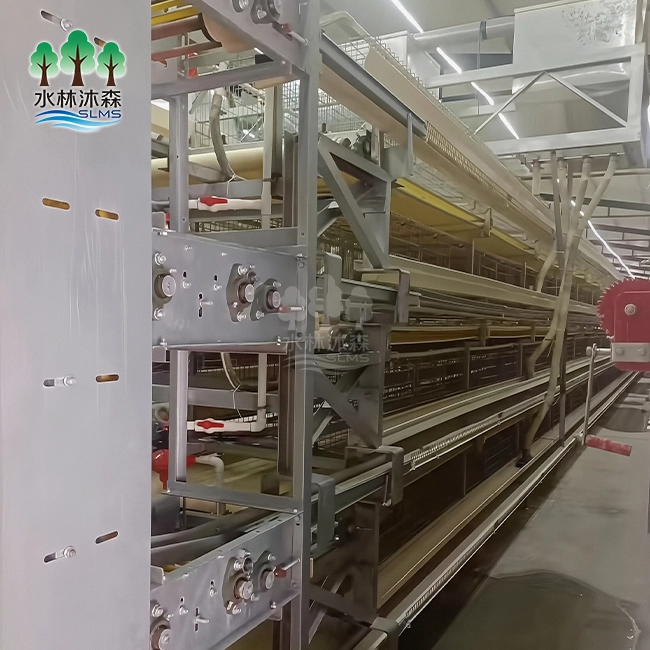
These problems can be solved with the Poultry Shed Rail-mounted Feeding Vehicle. Automated feed delivery cars move along set tracks that run parallel to the rows of cages, giving out exact amounts of food at regular times. The technology makes sure that every bird has the same chance to eat, which gets rid of the problems that come up when feed piles aren't level.
With modern automatic feeds, a lot less work needs to be done by hand. Operations say that the number of workers has dropped by more than 40% since Poultry Shed Rail-mounted Feeding Vehicles were put in place. Now that the workers are free, they can focus on things like keeping an eye on the group, making sure they're healthy, and other tasks that add value but used to require hand feeding.
Precision Feeding for Better Production Outcomes
The most changeable cost in raising chickens is their food. Controlled pouring systems on Poultry Shed Rail-mounted Feeding Vehicles keep waste to a minimum by stopping spills and overfilling. The even spread keeps the amount of food that each animal eats stable, which makes it easier to predict how much food each animal will eat, which increases feed conversion rates.
For layer processes in particular, the uniformity is important. To make eggs, you need to eat the same amount of food every day. This steadiness is provided by automated systems, which support ideal laying performance and reduce variations in egg quality that can happen when feeding birds by hand.
Key Criteria for Selecting the Right Rail-Mounted Feeding Vehicle
A lot of technical and practical factors need to be carefully thought through when choosing the right Poultry Shed Rail-mounted Feeding Vehicle. Instead of general suggestions, these choices should be based on the unique features of your farm.
Farm Scale and Configuration Requirements
Businesses that take care of 10,000 birds have different needs than businesses that take care of 100,000 birds. The shed's size, the way the cages are arranged, and the number of rows decide how complicated the rail plan needs to be and how many vehicles can fit. Customization is necessary because standard setups don't always perfectly match the needs of each location.
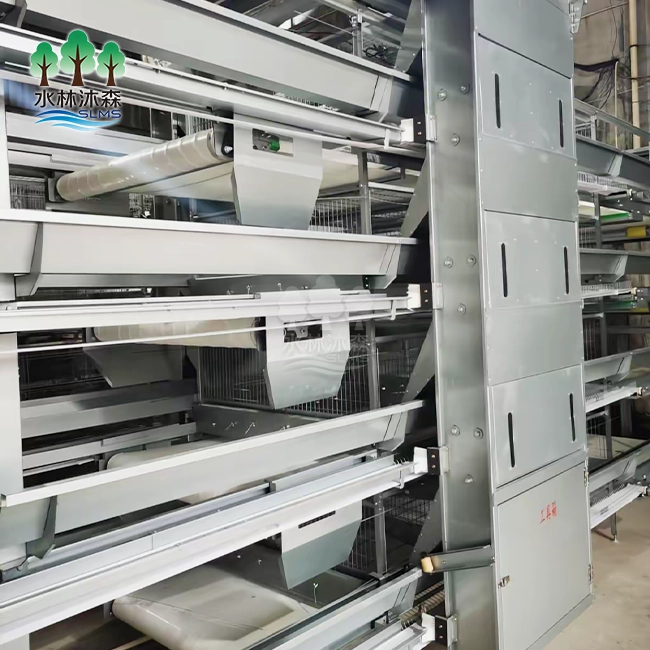
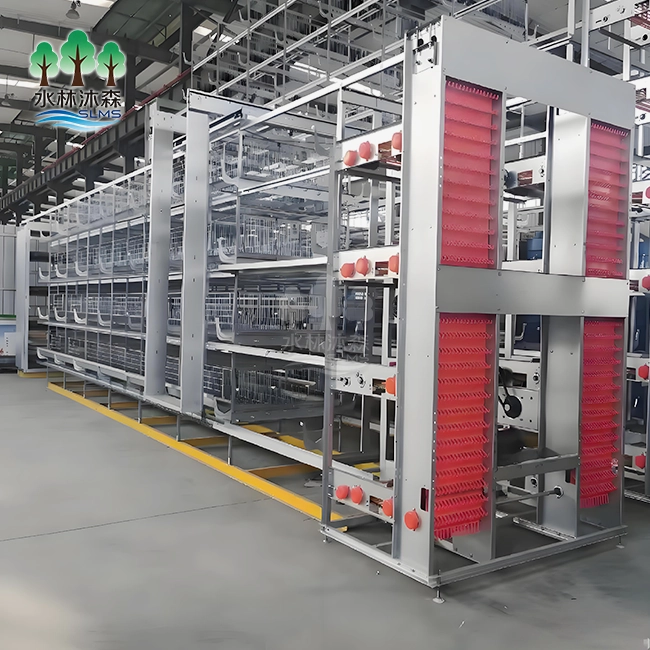
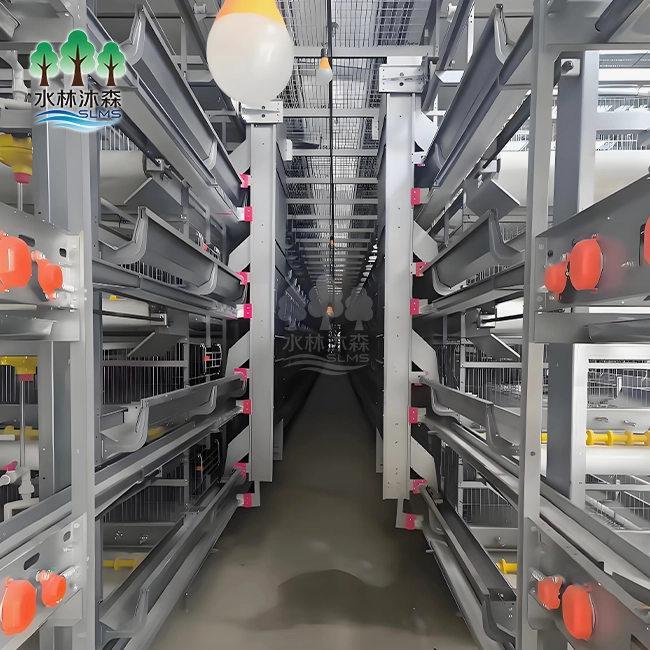
Some things need to be thought about when using stackable cage systems. For three- and four-layer setups, Poultry Shed Rail-mounted Feeding Vehicles that can dispense at more than one level are needed. The Poultry Shed Rail-mounted Feeding Vehicle needs to be able to reach the upper levels while staying stable and avoiding tipping risks that could hurt birds or damage equipment.
Technical Specifications That Matter
Quality of frame building has a direct effect on how long it lasts. When compared to painted steel, hot-dip galvanized square and rectangle tubing is stronger and less likely to rust. The galvanization process adds a protective zinc covering that can handle the harsh, ammonia-filled environment inside chicken coops. This makes tools last an extra 10 to 15 years under standard use.
Quality of sheet material is just as important. High-zinc coated steel doesn't rust, even when it comes in contact with water and cleaning chemicals used for cleansing. The choice of materials saves your investment while keeping upkeep down to a minimum.
Control Systems and Automation Features
Modern Poultry Shed Rail-mounted Feeding Vehicles have complex control systems that do more than just make them work. Walking systems should have speed sets that can be changed so that workers can change the rate of feeding based on the age of the flock and the type of feed being used. Overload protection and emergency stop switches keep devices from breaking down in strange conditions.
Limit sensors make operations safer by stopping the vehicle automatically at set boundaries. These monitors keep things from running into shed walls or other structures, which protects both the tools and the building itself. The control system should have easy-to-use tools that make learning how to use it easier and lower the chance of making a mistake.
Compatibility Across Poultry Species
Feeding different kinds of birds can be hard in different ways. For constant egg production, laying hens need consistent portion sizes. Broilers, on the other hand, need bigger amounts to support their fast growth. Ducks and chicks have different needs when it comes to the thickness and height of the food they eat.
The Poultry Shed Rail-mounted Feeding Vehicle you choose should be able to meet all of these needs by having settings that can be changed and feeder places that can be customized. When you have flexible equipment, you can change how it works when the group changes with the seasons or when your business starts making more than one type of product.
Comparing Rail-Mounted Feeding Vehicles with Other Feeding Systems
Comparing Poultry Shed Rail-mounted Feeding Vehicles to other options can help you decide whether to invest in something and make sure you know what kind of results you can expect.
Rail-Mounted vs. Ground Feeding Systems
Ground-based food methods use carts or other vehicles that move across the floor of the shed between the rows of cages. These methods make it easier to move around, but they aren't always reliable. Floor-level hurdles, uneven surfaces, and manure buildup make it hard to run smoothly, which leads to uneven feed spread.
Poultry Shed Rail-mounted Feeding Vehicles don't have these problems because they run on elevated lines that are above dirty floors. The set pathway makes sure that the trip routes are always the same, providing the same amount of feed on each pass. This accuracy leads to more uniform flocks and easier product management because consumption trends can be predicted.
Conveyor Feeders vs. Rail-Mounted Solutions
Feed is always moving along trough lines with chain or wire conveyor systems. For these systems to work, complex mechanical assemblies with a lot of moving parts that run the length of the shed are needed. The length of the system affects how much maintenance it needs, and if it breaks down, pumping stops until the fixes are done.
Poultry Shed Rail-mounted Feeding Vehicles are easier to repair. Technicians don't have to walk along hundreds of feet of conveyor infrastructure to get to the concentrated mechanical assembly for repair and inspection. While repairs are being done, spare Poultry Shed Rail-mounted Feeding Vehicles can be used to keep feeding routines going as planned.
Manual vs. Automated Rail-Mounted Options
Businesses that want to save money sometimes see manual Poultry Shed Rail-mounted Feeding Vehicles as a way to get to fully automated systems. When compared to carrying feed buckets, these methods are easier on workers' bodies, but someone still needs to be there during each feeding cycle.
The higher prices of automated Poultry Shed Rail-mounted Feeding Vehicles are justified by the time and money saved on work over months and years. The payback time is usually between 18 and 36 months, but it depends on the size and cost of the operation. Automation not only makes money, but it also improves output measures in ways that manual feeding can't, no matter how hard the workers work.
Best Practices for Installing and Maintaining Rail-Mounted Feeding Vehicles
When something is installed correctly, it will work reliably for years to come. Taking shortcuts during setup causes problems that last longer and make the system less effective.
Pre-Installation Preparation
Before the equipment is delivered, the structure is inspected. The shed's roof or support beams must be able to hold the weight of the train system and the Poultry Shed Rail-mounted Feeding Vehicle's weight without bowing. Engineering estimates should take into account dynamic loads that change as the car moves and vibrations that happen when the feed is dispensed.
Tolerances for rail alignment affect how well the system works and how worn out the wheels are. Professional installation teams use laser leveling tools to make sure that the tracks are straight according to the manufacturer's instructions. Deviations greater than 2 mm per meter cause too much friction, which speeds up the wear and tear on the component.
Installation Process Considerations
A lot of providers offer installation movies that show how to place the equipment, connect the power, and do the first steps of calibration. With these tools, skilled farm care teams can finish works on their own, which lowers the cost of the project. But complicated layouts or projects with more than one shed often benefit from professional construction services that make sure everything is set up correctly.
On-site installation support is still available for companies that would rather have professional help. Professional workers bring special tools and years of experience that speed up the process. Depending on how complicated the job is, a single-shed installation can usually be done in one to two days. Investing in a service keeps you from making mistakes that could cost a lot that you could avoid.
Maintenance Protocols for Longevity
Feed residue that builds up over time can clog delivery systems or attract bugs. Regular cleaning keeps this from happening. Every day, quick checks find clear problems before they get worse, and once a week, full checks make sure the motors work, the tracks are in good shape, and the sensors are working.
During motor checks, temperatures of the bearings, strange noises, and patterns of shaking that point to problems should be kept an eye on. Electrical connections need to be tightened every so often because the heat cycling that happens when a motor works can make the leads loose over time. Track alignment checks can find deflections in the rails early and fix them before they cause too much wheel wear.
Troubleshooting skills separate businesses that run smoothly from those that have a lot of downtime. With thorough training in system troubleshooting, farm workers can fix small problems right away, without having to wait for service experts. This independence is made possible by manufacturer help in the form of installation guides and technical documents.
Procurement Considerations: How to Buy the Right Rail-Mounted Feeding Vehicle?
There's more to making strategic buying choices than just comparing specs sheets. As important as the tools itself are the supplier partnership and the infrastructure for assistance.
Supplier Selection Criteria
Having worked in the field for eight years shows dedication and knowledge. Manufacturers that have been around for a while and have committed engineering teams can come up with new ideas and have the technical knowledge to keep improving their products. Companies that keep their engineering teams at five people and release three new goods every year show that they are actively developing their businesses, not just sitting back and doing nothing.
Quality control tools show what the objectives are for manufacturing. Suppliers who do thorough tests on equipment from the time they choose the raw materials to the time they send it give customers confidence that the equipment works as promised. Premium materials, such as high-strength galvanized steel and 304 stainless steel, are used for important parts because they last longer and break less often, which justifies the higher prices. A great example of such innovation is the Poultry Shed Rail-mounted Feeding Vehicle, which reflects the industry's commitment to improving efficiency and reducing labor costs in poultry farming.
Budgeting and ROI Calculation
The price of the initial buy is only one part of the total costs of owning. Comprehensive planning takes into account the costs of installation, training for operators, stocking extra parts, and planned upkeep over the life of the equipment. These things work together to show how cost-effective something really is.
Savings on labor are the main thing that drives ROI. When technology cuts costs by 40% or more, businesses that spend $50,000 a year on feeding workers can justify buying a lot of new equipment. The savings add up every year, while the costs of the tools are only paid for once and spread out over ten years or more.
Customization and Scalability
Standard goods don't always perfectly match the needs of each farm. Customization means that suppliers can make equipment that fits your needs in terms of shed length, number of cage rows, and height. This precise fit improves performance and stops the problems that happen when general equipment is forced into setups that aren't meant to work together.
When a business grows, scalability issues become important. The Poultry Shed Rail-mounted Feeding Vehicle you set up today should be able to adapt to changes in production models or building additions that are planned for the next few years. As your business changes, you can make small improvements without having to replace whole systems because the systems are modular and the parts work with each other.
After-Sales Support and Warranty Coverage
A one-year guarantee is the standard level of safety in the industry. The guarantee should make it clear what parts are covered, how long you have to respond, and how the service will be delivered. Find out if the provider gives free replacement parts or if they expect customers to keep extra parts on hand.
How quickly problems are fixed depends on how quickly technical help is available. Suppliers who offer more than one way to contact them, like email at wangshuaislms@gmail.com, let customers choose how they want to talk to them. Support teams that are quick to respond lessen the effects of downtime, keeping production going even when problems come up out of the blue.
Conclusion
Choosing the right Poultry Shed Rail-mounted Feeding Vehicle has a big impact on how well and how much money your chicken business makes. In order to make the choice, technical requirements and practical needs must be balanced while the supplier's skills and support facilities are examined. Modern farms need equipment that is both durable and accurate. That's what hot-dip galvanizing materials and smart control systems give them. Customization makes sure that the shed fits perfectly with its unique shape and production model. Your investment is protected for the 10 to 15 years it will last thanks to full support from the provider, including help with installation, expert advice, and warranty coverage. The procurement process requires careful thought, but the practical gains and cost saves make it worth the time to make a smart choice.
FAQ
Q1: How often does rail-mounted feeding equipment require maintenance?
A: Every day, quick checks take about 10 to 15 minutes to look for clear problems like strange sounds or feed blocks. Motor operation, electrical connections, train alignment, and sensor calibration should all be carefully checked once a week. This should take about an hour. Every three months, there is major upkeep that includes a full cleaning, lubrication of moving parts, and checking of the whole system.
Q2: Can these systems integrate with existing farm automation software?
A: Modern Poultry Shed Rail-mounted Feeding Vehicles have control systems that can talk to standard farm management tools using standard methods. Integration lets feeding plans be automatically synced with temperature control, lighting programs, and tracking of production. The connection lets you keep an eye on how much feed is being used from afar, get system state updates, and collect performance data that can be used for production analysis.
Q3: What energy savings can farms expect compared to traditional methods?
A: Automated Poultry Shed Rail-mounted Feeding Vehicles use between 0.5 and 1.5 kW per feeding cycle, but this depends on the length of the shed and the number of vehicles that can be loaded. For long amounts of time, workers must be present during manual feeding, which needs lighting and temperature control. Operations say they saved 20–30% on energy costs by cutting down on feeding times and getting rid of the need for extra lights.
Partner with Shuilin Musen Aquaculture Equipment Co., Ltd. for Your Feeding Solutions
Shuilin Musen Aquaculture Equipment Co., Ltd. is ready to help you set up automatic feeding. Our engineering team has eight years of experience building custom feeding systems for poultry operations ranging from small family farms to big industrial farms. We use hot-dip galvanized steel to build Poultry Shed Rail-mounted Feeding Vehicles that can last for 10 to 15 years in harsh industrial settings. Each system is carefully tailored to fit the size of your shed, the way your cages are set up, and the needs of your species.
Our full support includes installation guides, help with setup on-site, and a guarantee that protects your investment for one year. Email our team at wangshuaislms@gmail.com to talk about your needs and get a personalized quote. As a well-known company that makes Poultry Shed Rail-mounted Feeding Vehicles, we can help you find ways to cut down on work costs and improve the performance of your flock.
References
1. Anderson, J. K. (2021). Automated Feeding Systems in Commercial Poultry Production: Performance and Economic Analysis. Agricultural Engineering Journal, 45(3), 217-234.
2. Chen, M. & Roberts, D. L. (2020). Comparative Evaluation of Feeding Technologies for Layer Hen Operations. Poultry Science Technology Review, 38(2), 89-107.
3. Davidson, P. R. (2022). Equipment Selection Criteria for Modern Poultry Facilities. International Journal of Agricultural Mechanization, 52(4), 412-429.
4. Harrison, T. S. (2019). Labor Efficiency and Automation in Large-Scale Poultry Production. Journal of Applied Poultry Research, 28(1), 156-173.
5. Mitchell, K. W. & Thompson, R. A. (2023). Durability and Corrosion Resistance in Livestock Equipment Materials. Agricultural Materials Science Quarterly, 67(1), 78-95.
6. Zhang, L., Wang, H. & Liu, Y. (2021). Feed Distribution Uniformity and Its Impact on Broiler Performance Metrics. Poultry Engineering Advances, 14(3), 201-218.
Learn about our latest products and discounts through SMS or email