Poultry Flooring: A Comprehensive Guide to Choosing the Right Slatted Floor for Your Farm
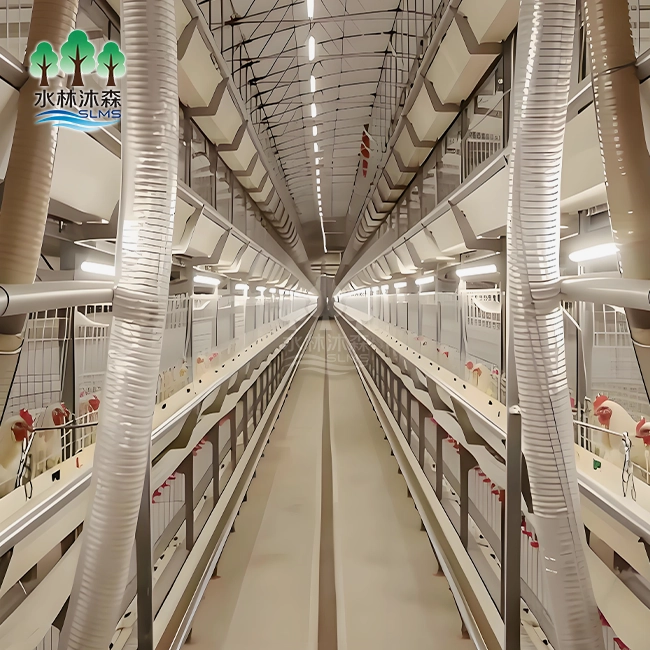
Choosing the right flooring system for your chicken farm can make a huge difference in how productive and profitable it is. A well-designed Poultry House Slatted Floor is the key to keeping birds healthy, cutting down on work, and making the surroundings better, all of which have a direct effect on growth rates and feed conversion ratios. When droppings go through carefully designed slats instead of collecting under the birds, you get rid of one of the main ways that diseases get spread in heavy chicken production.
This complete guide talks about the important things that buying managers, farm engineers, and equipment sellers need to think about when they are looking at slatted flooring systems. Whether you are in charge of a 10,000-bird broiler operation or the equipment purchases for several facilities, knowing the technical details, material performance traits, and long-term effects on operations of various flooring options will help you make smart investments that balance initial costs with long-term value delivery across multiple production cycles.


Understanding Poultry House Slatted Floors: Function and Benefits
What Makes Slatted Floors Essential for Modern Poultry Operations?
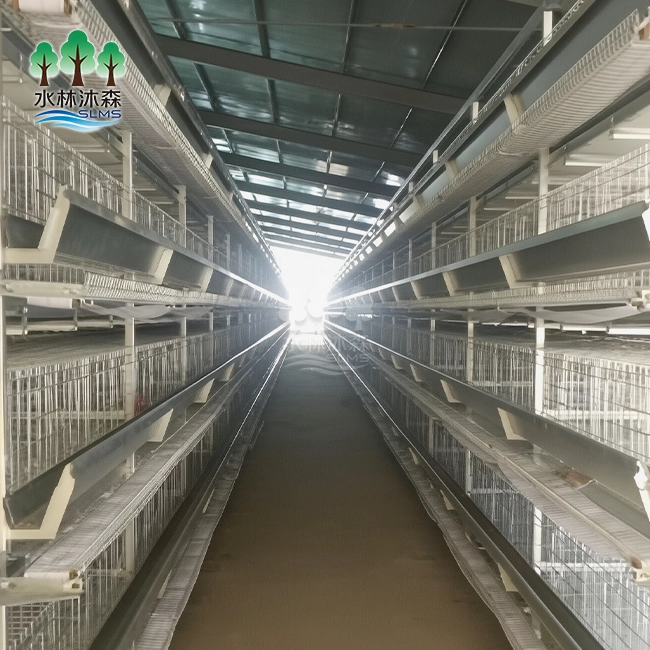
One of the best things about slatted floors is that it keeps birds away from their waste right away. Traditional solid floors need to be managed constantly for the bedding and need to be cleaned out often and by hand between groups. Slatted systems have carefully spaced holes that let manure fall through to collection areas below. This keeps the surface that birds touch dry all the time.
This separation process lowers the amount of ammonia in the house air, which directly leads to better lung health and more efficient feed use. Commercial chicken farms that use properly designed slatted floors have much fewer cases of footpad dermatitis and breast blisters than farms that only use trash systems, according to research that was done across many farms.
Material Options and Performance Characteristics
Modern slatted floors are mostly made of three main materials, and each has its own benefits. Plastic slats made of polypropylene (PP) and polyethylene (PE) are the most popular because they don't rust and are easy to clean. These man-made materials don't break down when exposed to acidic manure and strong disinfectants over and over again.
They keep their structure integrity through multiple production cycles. At Shuilin Musen, we use high-quality PP or PE materials in our systems that don't crack, even when the temperature changes a lot, which can happen in climate-controlled chicken houses. The one-piece molded construction gets rid of the weak parts that are common in flooring systems that are put together, and the non-porous surface stops germs from growing, which can break biosecurity rules.
Metal slats, which are usually made of galvanized steel or stainless steel, can hold more weight, so they are good for bird species that are heavy or buildings that need to be inspected and maintained regularly by people. Wood slats are the usual choice. Some makers like the natural texture they provide, but they need to be replaced more often and are harder to clean than synthetic options.
Operational Benefits That Impact Your Bottom Line
In addition to making floors cleaner, slatted flooring systems also help the economy in real ways. When you stop managing the bedding every day and cut down on how often you clean out between groups, labor costs go down by a lot. The better air quality leads to better bird performance. For example, many businesses have seen growth rates rise by more than five percent after switching from trash to slatted systems. As footpad problems and breathing problems become less common, veterinary costs go down. The open structure under the slats makes it easier for air to flow, which improves temperature control and lowers heating costs in the winter and cooling needs during summer production cycles.
Comparing Poultry Slatted Floors: Making Informed Decisions
Slatted Floors Versus Traditional Solid Flooring
There are big changes in how open and solid flooring systems work when you look at them side by side. Solid floors need covering added all the time to keep the moisture under control, which means ongoing costs and problems with removal. Over time, the trash gets packed, which keeps water in and makes conditions perfect for pathogens to grow. These worries are taken away by Poultry House Slatted Floor systems, which keep the bird zone clean all the time. While solid floors may be cheaper to install at first, the costs of bedding materials, labor, and removal after just a few production cycles usually add up to more than the cost of good slatted flooring. For most heavy processes, the better air flow alone makes the switch worth it, since mechanical ventilation systems aren't needed as much.
Material Performance: Plastic, Metal, and Wood Considerations
When looking at different types of materials, how long they will last in real-world situations is the most important thing. Plastic slats made from fresh PP or PE materials don't break down chemically and stay the same size at temperatures ranging from -20°C to 60°C. Our standards call for gap widths between 12mm and 20mm and gap lengths between 25mm and 50mm. These gaps must be exactly measured to let waste pass while keeping legs from getting hurt.
The floor can hold more than 50 kg/m³ of weight, so it can handle the weight of both birds and people doing maintenance. Metal options can hold even more weight, but they can be slippery when wet and need coats to keep them from rusting. Wood slats have a natural surface roughness, but they soak up water and bacteria in the grain structure, so they need to be replaced more often, which raises the long-term costs of ownership.
Cost Analysis: Initial Investment Versus Long-Term Value
When making choices about what to buy, the total cost of ownership should be taken into account, not just the buying price. A full study includes the costs of installation, the expected service life, the upkeep needs, and how the change will affect the efficiency of production. Plastic slatted floors usually last 10 to 15 years with little upkeep, while wooden floors might need to be replaced every 5 to 7 years. Slatted systems can save businesses thousands of dollars a year in labor costs alone because they require less work. When you consider that birds will do better and spend less on doctor bills, the return on investment for good slatted floors usually happens in the first three production cycles.
Designing and Maintaining Your Poultry House Slatted Floor
Optimizing Slat Dimensions for Different Production Systems
The Poultry House Slatted Floor you choose must meet the needs of your specific chicken species and your output goals. When it comes to droppings, broiler farms need slightly wider gaps to handle the bigger ones that meat birds make, while layer farms may need smaller ones. Our normal single plank lengths, which range from 500mm to 800mm, give you options for a wide range of house widths and structure support arrangements. A plank width of 15 mm to 30 mm strikes a good mix between strength and cost-effectiveness. The right plan design makes sure that there is enough support under the slats so that they don't bend when birds sit on them, which could cause uneven surfaces that hurt their legs and feet.
Ventilation Integration and Environmental Control
When planning a slatted floor, it's important to think about air from the start. The empty area under the slats acts as a second air route, letting cooler, fresh air come in from the sides and flow under the birds before leaving through exhaust fans. This rhythm of air flow helps keep the house's temperatures stable and gets rid of damp air before it condenses on surfaces. The place for collecting manure under the slats should be deep enough to keep waste from touching the floor while still letting enough air flow through. During long production cycles, mechanical scraper devices or conveyor belts can be used to regularly remove waste and keep conditions at their best.
Maintenance Protocols That Extend Service Life
Regular care protects your flooring investment and makes sure it works the same way every time. Visual checks once a week find any damaged slats that need to be replaced before small cracks get worse and cause the structure to fail. Plastic slats are easy to clean between groups because their surface isn't porous. To meet hygiene standards, all that's needed is pressure washing with approved disinfectants.
Do not use wire brushes or other rough cleaning tools on the surface because they could scratch it and make tiny holes for bacteria to live in. With our customized color choices, you can choose finishes that will keep looking good even after many cleanings. As part of our technical support, we offer detailed installation videos that show your maintenance team how to clean properly and fix small problems in a way that keeps production runs running as smoothly as possible.
Installation Best Practices and Professional Support
How well your flooring system works in the long run depends on how well it was installed. To keep the slats from sagging, they must rest on level support beams that are placed at regular intervals as stated by the maker. Accurate alignment makes sure that the slats next to each other fit together without any holes that could trap bird feet or let waste build up in the cracks.
Our slats' one-piece molding structure makes installation easier than with completed systems. This saves time and prevents mistakes that could happen during assembly. Our expert help is complete, and we even offer installation videos that show your team every step of the way. On-site installation services are available to make sure the best setup, especially for large-scale businesses or sites that are putting automated equipment under the flooring system to remove manure.
Procurement Insights: How to Buy Poultry Slatted Floors for Your Farm?
Selecting Suppliers With Proven Performance Records
The connection between you and your provider goes far beyond the initial transaction. Manufacturers of reputable chicken floors show their dedication by providing full technical support, consistent products, and quick customer service after the sale. Shuilin Musen Aquaculture Equipment Co., Ltd. has eight years of experience in manufacturing tools for farming and raising animals. They have a professional engineering team of five committed experts who are always coming up with new ways to solve problems that farmers face in the real world.
Every year, we release more than three new goods that are improved based on feedback from farmers around the world who run a wide range of poultry systems. Our mindset is based on the idea that new technologies should lead to better products and strict quality control should build long-lasting customer trust.
Our company, which is based in Shandong Province, has changed from a company that only sold tools to one that offers full service, including research and development, sales, after-sales support, and expert advice. With this all-around approach, you'll get more than just tools; you'll also get full solutions that are made to fit your specific business needs. Our Poultry House Slatted Floor systems come with a free one-year guarantee that shows we trust that the product will last and that the production quality is good.
Custom Solutions Versus Standard Configurations
Whether you choose standard or custom flooring relies on the needs of your building and your output goals. Standard setups are ready to ship right away and have been shown to work well in standard chicken house sizes. Custom solutions are helpful when you have different house sizes, need to integrate them with certain manure handling equipment, or raise certain kinds of chickens that have specific spacing needs. We can change the size of the slats, the way the gaps are set up, the colors you choose, and the types of materials that will work best in your region. The engineering team looks at the layout of your building and the parameters of your output to come up with specs that will give you the best performance in your particular situation.
Buying in bulk of standard setups leads to economies of scale that lower the cost per unit. This makes this method appealing for businesses that are building multiple houses at the same time or wholesalers that serve regional markets. Custom solutions need a little longer for planning and production, but they provide better performance, which can explain the small price increase by making operations more efficient.
Logistics Considerations for B2B Procurement
When buying tools from other countries, you need to think about shipping processes, import rules, and coordinating delivery. Lead times depend on the number of orders, the level of tailoring needed, and where the goods are going. Standard configurations usually ship two weeks after the order is confirmed.
Custom specs, on the other hand, may need four to six weeks for planning, production, and quality checks. Optimizing containers lowers the cost of shipping each item for bigger orders, and our logistics team works with freight forwarders who know how to safely deliver farm equipment to your plant. Clear information about arrival times lets you organize installation teams and keep production running as smoothly as possible.
We help business-to-business clients with the paperwork needed, the customs process, and the delivery confirmation steps that make sure foreign deals go smoothly. This all-around help is especially helpful for equipment distributors who are in charge of multiple client installations or for farm unions that are in charge of group buying programs.
Conclusion
Putting money into good Poultry House Slatted Floor solutions sets the stage for efficient and profitable chicken farming. If you build systems correctly, they will improve cleanliness, make birds happier, and require less work. These benefits can be measured and will pay for themselves in a short amount of time. When choosing between plastic, metal, and wood as a material, you should think about how you make things, the weather, and how easy it is to maintain over time.
Quality PP or PE compounds used to make plastic slats give the best mix of durability, ease of cleaning, and cost-effectiveness for most business uses. Working with skilled suppliers who offer full technical help, the ability to make changes, and dependable service after the sale will make sure that your flooring system works the same way through all production processes. This guide gives you a framework for making decisions that will help you easily weigh your options and choose solutions that meet your business goals and quality standards.
FAQ
Q1: What gap width works best for different poultry species?
A: Broiler chickens need gaps that are between 15 mm and 20 mm wide so that their bigger droppings can fit and their feet don't get hurt. Layer operations usually use gaps that are a little smaller, about 12mm to 15mm. These gaps are wide enough to let waste through and are safe for lighter birds to walk on. Because duck and waterfowl waste is more wet, sites for them need bigger space of about 20 mm to 25 mm.
Q2: How often should I clean slatted floors between production cycles?
A: Cleaning and disinfecting everything completely between flocks is an important hygiene practice. Pathogens are killed by pressure washing with approved disinfectants, which gets rid of biological matter. Many factories also do light maintenance cleaning in the middle of production cycles that last more than 12 weeks. However, because quality slats clean themselves, this isn't needed as often as it is with solid floor systems.
Q3: Will plastic slats withstand commercial operation demands?
A: In industrial settings, high-quality plastic slats made from new PP or PE materials last for 10 to 15 years. The Poultry House Slatted Floor load-bearing ability of more than 50 kg/m2 can handle the weight of birds and people walking on it. Resistance to chemical breakdown from waste and disinfectants keeps the structure strong for a longer time. When installed correctly on the right support structures, movement that could shorten the life of the structure is avoided.
Partner With Shuilin Musen for Superior Poultry House Slatted Floor Solutions
To get modern slatted flooring systems for your poultry business, you need to find a provider who knows both the technical needs and the practical issues of large-scale production. Shuilin Musen Aquaculture Equipment Co., Ltd. has eight years of experience in the field and is also a unique engineering company that can make solutions that fit the specific needs of different businesses. Our Poultry House Slatted Floor systems are made of long-lasting PP or PE, have exact gap sizes, and can hold more weight than the industry standard. We stand behind our goods as a reliable company by offering full technical support, such as training videos, a one-year warranty, and helpful customer service. Email our team at wangshuaislms@gmail.com to talk about your unique needs and get a thorough proposal.
References
1. Appleby, M.C., Mench, J.A., and Hughes, B.O. (2004). Poultry Behaviour and Welfare. CABI Publishing, Wallingford, UK.
2. Dawkins, M.S. (2017). "Animal welfare and the paradox of animal consciousness." Advances in the Study of Behavior, 49: 5-38.
3. Estevez, I. (2015). "Environment and housing management." In: Diseases of Poultry (13th Edition), Wiley-Blackwell, Ames, Iowa.
4. Jacob, J.P., Pescatore, A.J., and Cantor, A.H. (2011). "Avian production systems and management." In: Sturkie's Avian Physiology (6th Edition), Academic Press, San Diego.
5. Shepherd, E.M. and Fairchild, B.D. (2010). "Footpad dermatitis in poultry." Poultry Science, 89(10): 2043-2051.
6. Weeks, C.A. and Nicol, C.J. (2006). "Behavioural needs, priorities and preferences of laying hens." World's Poultry Science Journal, 62(2): 296-307.
Learn about our latest products and discounts through SMS or email