Are plastic or metal feed pans better for outdoor use?
Choosing between plastic and metal feed pans for chickens in outdoor environments directly influences feed conservation, flock health, and long-term operational costs. Plastic feed pans manufactured from UV-stabilized polypropylene or polyethylene offer corrosion resistance, lightweight handling, and cost-effectiveness, making them ideal for moderate climates and automated systems. Metal pans, typically stainless steel or galvanized variants, deliver superior structural integrity and longevity under extreme weather but demand higher initial investment and rust prevention measures.
Your decision hinges on flock size, environmental conditions, maintenance capacity, and budget parameters. Understanding material performance in real-world outdoor scenarios ensures procurement managers and farm operators select feeding equipment that maximizes efficiency while minimizing waste and replacement frequency.
Introduction
Outdoor chicken farms face weather, bugs, temperature variations, and dampness, which can lower feed quality and equipment life. Choosing the correct feed pan material influences how well the animals are fed immediately, company expenses, and their long-term health. People who acquire products for large, heavy farms and farm equipment firms know that feeding infrastructure is a huge investment that demands careful planning.
This tutorial compares plastic and metal feed pans for chickens, comparing their characteristics, lifespan, maintenance, pricing, and advantages. We discuss purchase considerations including customization, provider reliability, and guarantee conditions. Knowing the tiny variations between these materials can help you make purchases that meet your business's aims and the environment's limits, whether you run a 50,000-bird poultry farm or sell agricultural supplies in various marketplaces.


Understanding the Outdoor Chicken Feeding Environment
Outside chicken feeding equipment is subjected to harsher circumstances than in climate-controlled homes. Materials are constantly stressed by rain, snow, and direct sunshine. Temperature swings from winter to summer challenge structural strength. feed pans for chickens must not twist, fracture, or break under UV light. Too much moisture in the air can cause bacteria and mold growth, harming birds and feed. Pans must be designed to protect wild birds, mice, and insects from becoming dirty while allowing them to get to food.
Environmental Stressors Impacting Feed Pan Performance
Problems caused by weather go beyond exposure. Freeze-thaw cycles can shatter inexpensive plastics or loosen metal components. Without sufficient pan support, wind may blow pans over, spilling food and attracting bugs. Dust builds up and makes washing harder in dry locations, and uncoated metal parts corrode quicker in humid areas. These natural realities need outdoor feeding equipment above indoor choices that have been employed outside.
Functional Requirements for Outdoor Feed Pans
Good outdoor feed pans for chickens must satisfy several criteria. The rim and grilles should be properly designed to prevent feed spillage. This reduces waste, which is 3–7% in poorly designed systems. Keeping groups clean and preventing illness transmission requires easy cleanup. Too-crowded pans induce competition stress, while too-large units allow food rest too long, making it more likely to spoil. The pan attachment mechanism must be properly fastened to withstand bird movement and weather conditions without frequent adjustment.
Plastic vs Metal Feed Pans: A Detailed Comparison
A feed pan's performance, durability, and cost depend on its material. Each option has merits and downsides that vary by context.
Plastic Feed Pan Characteristics
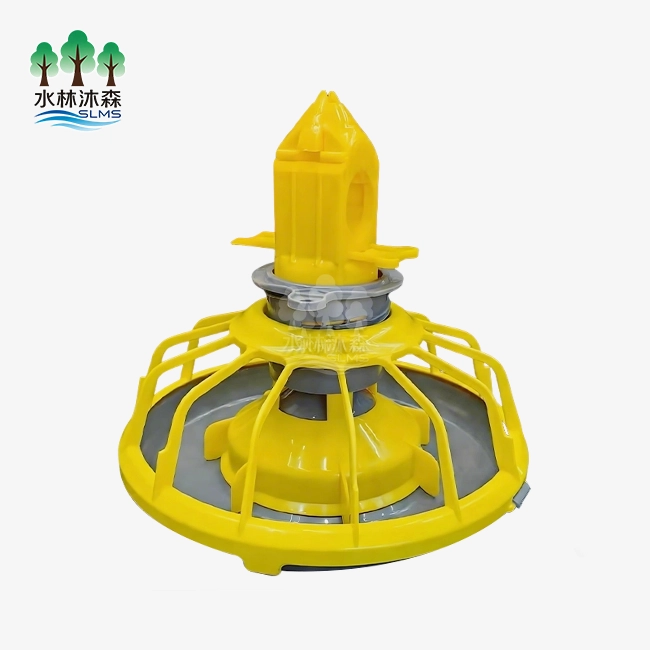
Latest plastic feed pans for chickens are constructed of fresh polypropylene or HDPE with UV stabilizers to prevent breakdown. While metal choices can rust, some materials are naturally rust-resistant. A 330mm plastic pan weighs 400–600 kilos, while a metal pan weighs 1.2–1.8 kg. This simplifies fitting and adjusting. This weight differential makes cleaning easier and suspension systems less stressed. Manufacturing allows complex designs like cleaning doors with hinges and built-in protective grilles that would be too costly to construct from metal.
Virgin plastic compounds are flexible even in cold weather, unlike recovered or low-grade polymers. Impact strength is crucial for installation, cleaning, and incidental contact with persons or equipment. Chemical resistance allows severe cleansers to be used without breaking down the material, supporting rigorous hygiene regulations. Plastic pans are quieter than metal pans during feeding, which helps soothe the environment and enhance feed conversion.
Metal Feed Pan Characteristics
Most feed pans for chickens are stainless steel or plated steel. Stainless steel is corrosion-resistant and durable. As long as 15 years in well-kept open spaces. The material can withstand repeated washings with high-pressure water and harsh chemicals without losing its surface. Structural rigidity prevents bird weight and environmental stress from distorting the pans during their service life.
Galvanized steel is inexpensive and rust-resistant due to its zinc coating. Proper galvanization lasts 7–12 years outdoors before replacement. Birds can't eat or peck metal pans, which worries aggressive eaters. The thermal mass of metal keeps feed temperatures steady in direct sunshine, which may assist retain nutrients in summer.
Durability and Maintenance Considerations
Durability testing must consider catastrophic failure and gradual performance decline. Plastic feed pans for chickens constructed from modern, UV-stabilized materials should survive 8–12 years outdoors if cared for. Poor plastics with recycled material or little UV protection may become chalky, brittle, and microcrack within two to three years, especially in sunny or high-elevation areas.
Metal longevity depends on maintenance and coating. Besides regular cleaning, stainless steel doesn't need much maintenance to maintain its appearance and performance. To prevent rust, galvanized pans should be examined for covering damage and touched up immediately. Once rust forms, it steadily erodes the zinc coating, quickening disintegration. A single break in the covering can render a pan worthless within months in rainy areas.
The math on maintenance time and cost indicates significant variances. Plastic pans are easy to clean with pressure washing and have smooth surfaces that prevent food from sticking. Scrubbing rough metal pans harder requires more time and effort to remove dust. Damaged plastic units can't be repaired in the field, thus they must be replaced. However, metal pans may be repaired or recoated to extend their lifespan at a low cost.
Choosing the Right Feed Pan Based on Your Specific Needs
To pick the ideal feed pan, make sure the material's qualities meet your operating circumstances, environment, and budget.
Scale and Flock Size Considerations
Large businesses with 50,000 to 100,000 birds value durable, automated equipment. Metal's structural integrity allows these facilities to accurately adjust feed levels throughout thousands of pans in a dwelling. The greater initial expenditure is dispersed across several birds, lowering tool costs per bird. Automated cleaning systems can handle both materials, although metal is harder and easier to handle.
Mid-sized organizations with 10,000 to 30,000 birds might find plastic feed pans for chickens preferable for performance and affordability. Low purchase price reduces cash needed, and contemporary plastic formulas endure long. Lighter weight makes manual modifications easier, which is typical when completely automating may not be worth while. Shuilin Musen Aquaculture Equipment lets you customize pan parameters for certain breeds and management approaches.
Cost-Benefit Analysis Framework
The purchase price and total cost of ownership throughout the equipment's estimated lifetime are considered in a thorough financial analysis. Metal pans cost 40–70% more but last 50–80% longer in good condition. Plastic units are cheaper, however they may need to be changed more often, making up for shorter replacement cycles. However, excellent items greatly reduce this disparity. Businesses without mechanical handling equipment chose lighter plastic solutions since they cost more to install, update, and maintain.
Stopping feed pans for chickens waste increases profitability—a 3% cut in leakage equals considerable savings throughout a production cycle. Although metal pans can have protective grilles and rims that prevent waste, plastic pans are quicker to fabricate and can have more complex anti-waste measures at a lower cost. Running costs are affected by pan replacement planning, as changing several pans at once during planned breaks is cheaper than replacing failing pans individually.
Supplier Reliability and Support Services
How effectively the maker maintains quality and offers assistance affects equipment success. Five experienced engineers in our specialist R&D team are continually improving product concepts based on field data and client input. To achieve our high outdoor performance standards, every pan is tested for chemical resistance, UV aging modeling, and impact resistance before shipping.
Technical support distinguishes professional feed pans for chickens suppliers from commodity merchants. Our organization provides extensive installation films, on-site commissioning assistance, and timely professional support for technical concerns. First-time setup and group changeover benefit from this support. A one-year warranty displays the manufacturer's confidence in their product and offers clients peace of mind throughout the early service period, when manufacturing problems normally appear.
Customization and Specialized Requirements
Custom feed pan for chickens designs are superior for certain applications, while standard ones work well for others. Our 8-, 14-, and 16-compartment feeding trays may be adjusted for varied group sizes and management methods. Adult birds may enter pans but chicks cannot due to bird size-based protective screen space. Equipment dealers with multiple clients might organize and mark their activities using custom colors.
Special weather conditions may necessitate more materials. In UV-lit areas, adding stabilizers to plastic formulas helps. Humid coastal locations need superior galvanization or stainless steel to slow corrosion. Custom mounting gear might accommodate unique building layouts or existing equipment. Low-cost small-batch customisation can help distributors and major operators standardize across several sites.
Trends and Innovations in Outdoor Chicken Feed Pans
Due to farmers' need for efficiency, animal welfare, and longevity, the chicken equipment industry is upgrading feeding technology.
Advanced Material Formulations
New polymer science breakthroughs have created UV-resistant plastic molecules. These compounds persist 30–50% longer outdoors than older ones. Advanced polymers survive longer and retain their mechanical properties, so they need to be changed less often. Antimicrobial additions during manufacture prevent germ growth on the surfaces of feed pans for chickens, meeting safety standards without chemical treatments.
Metal coatings have also advanced. New galvanization and powder coating technologies prevent corrosion better. Multi-layer coatings with rust inhibitors and UV-stable topcoats protect and preserve metal. These advances bring galvanized pans closer to stainless steel pans at more affordable costs.
Environmental Sustainability Initiatives
People in agriculture are becoming more ecologically conscious, creating demand for green tools. Manufacturers are increasingly employing recycled materials in non-critical products and developing returnable ones. Our development strategy maximizes material consumption to reduce waste and extend product life. Durable equipment utilizes less resources and produces fewer pollutants during movement, making it healthier for the environment.
Energy economy includes automating the feeding system to reduce waste and increase feed conversion. To prevent spillage, modern control systems prevent containers from overfilling and provide enough feed during feeding periods. Steel and plastic feed pans for chickens work nicely with these systems. Lighter plastic units reduce motor loads in automated height-adjustment systems.
Best Practices for Maintaining and Using Feed Pans Outdoors
No matter the material, effective equipment maintenance maintains feed quality, extends equipment life, and promotes sheep health.
Cleaning Protocols and Frequency
Effective cleanliness removes residual feed, organic debris, and pathogens between groups and throughout production. Hot water helps remove oil and protein from plastic feed pans for chickens, and high-pressure cleaning at 1200 to 1800 PSI works well. Brushes that don't abrade remove difficult layers without hurting surfaces. Approved sanitizers applied according to the manufacturer's directions and left on the surface destroy microorganisms to conclude the cleaning.
Preventative Care Strategies
Regular evaluation uncovers issues before they harm performance. Monthly visual inspections verify structure, mounting, and finish. Plastic feed pans for chickens with chalky or discolored surfaces may need to be replaced sooner, while metal units with rust bloom need immediate repair. To prevent sticking and stress on parts, adjustment mechanisms must be lubricated regularly.
Seasonal maintenance fixes weather-related issues. Drainage systems are checked before winter to prevent ice from forming. Spring checks search for freeze-thaw damage. Summer is coming, so check UV protection and heat expansion for damage to fixing systems. These precautions prevent production-critical errors.
Conclusion
When choosing between plastic and aluminum feed pans for chickens for outdoor farms, consider the weather, business size, budget, and long-term performance. Most industrial purposes benefit from modern UV-stabilized polymer plastic pans, which don't rust, are lightweight, and can be customized. Maintenance can extend their lifespan to 8–12 years.
Metal choices survive longer and are more durable in tough circumstances and large operations, making the greater initial cost worth it. These goods operate best from trustworthy providers with tight quality control and competent assistance. Which material makes your business most efficient and lucrative depends on weather, group size, automation, and maintenance.
FAQ
How do I determine which feed pan material suits my climate?
Check local UV, weather, and humidity levels. Premium UV-stabilized polymers or coated metal function well in sunny, hot regions. Replace galvanized elements with stainless steel or better plastic in moist coastal locations. Cost and functionality are more relevant than environmental concerns because both materials operate well in mild temperatures.
What warranty and support should I expect from feed pan suppliers?
Professional tool manufacturers provide one-year guarantees on materials and manufacturing. Comprehensive suppliers include installation, skilled assistance, and timely support. We provide detailed installation videos and direct access to engineers for operational questions to keep equipment running well.
Can feed pans integrate with existing automated systems?
Industry-standard mounting gear and pan line procedures work with excellent feed pans for chickens. You may customize it to your requirements. Our IT team helps you arrange the integration to work with your infrastructure and maintain system performance and stability.
Partner with Shuilin Musen for Reliable Feed Pan Solutions
The correct feed pans for chickens supplier affects long-term pricing, operational efficiency, and equipment performance as much as the material. For eight years, Shuilin Musen Aquaculture Equipment Co., Ltd. has made agricultural and animal-raising gear. They perform all their own R&D, production, and customer support. Whether you manage large commercial facilities or ship equipment to other markets, our technical team offers specialized feeding systems.
We produce feed pans for chickens with 8, 14, and 16 sections made of fresh PP or PE with safe grille designs to reduce feed loss and manufacturing expenses. Our rigorous quality control ensures that every device satisfies performance specifications before shipping. Technical assistance, installation guidelines, and direct engineering advice are included with our one-year warranty. Procurement managers and equipment vendors benefit from our bulk buying, customisation, and reliable supply chain management. contact us at wangshuaislms@gmail.com to discuss your feed pan needs and how our manufacturing expertise and customer satisfaction will help you feed your birds.
References
1. Appleby, M.C., Mench, J.A., and Hughes, B.O. (2004). Poultry Behaviour and Welfare. Wallingford: CABI Publishing.
2. Czarick, M. and Lacy, M.P. (2009). "Evaluating Poultry Feeding Equipment Performance and Bird Response." Poultry Science Extension Publications, University of Georgia Cooperative Extension.
3. Leeson, S. and Summers, J.D. (2005). Commercial Poultry Nutrition (3rd ed.). Nottingham: Nottingham University Press.
4. North, M.O. and Bell, D.D. (1990). Commercial Chicken Production Manual (4th ed.). New York: Van Nostrand Reinhold.
5. Paxton, H., Daley, W., and Wiernusz, C.J. (2015). "Material Selection and Durability Assessment for Agricultural Equipment." Transactions of the ASABE, 58(4): 1157-1168.
6. Sainsbury, D. (2000). Poultry Health and Management: Birds, Breeders, and Meat (4th ed.). Oxford: Blackwell Science.
Learn about our latest products and discounts through SMS or email