Triple-deck Layer Rearing Cage
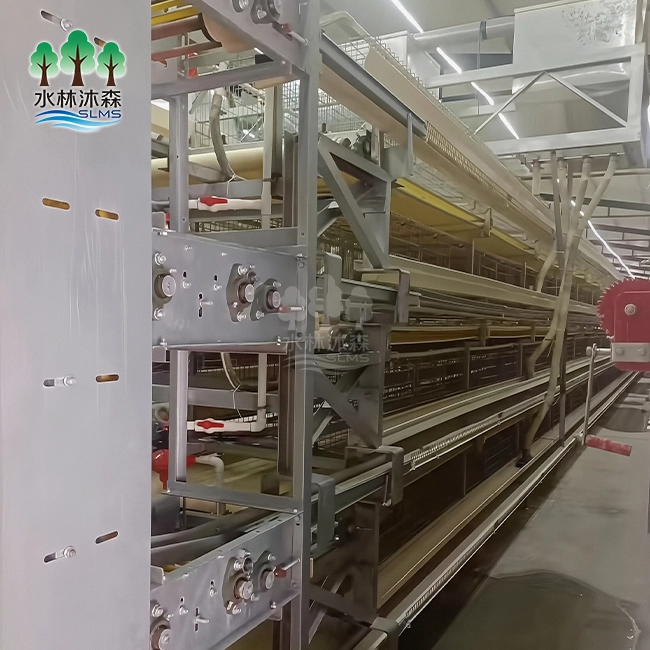
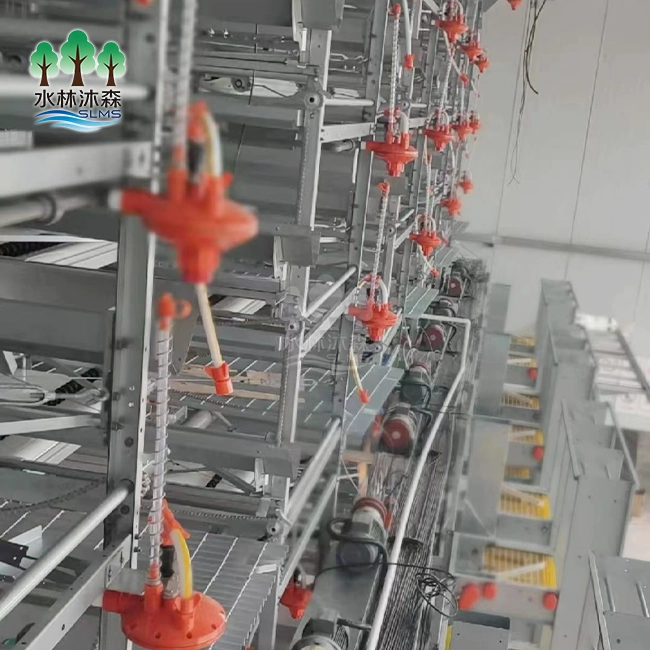
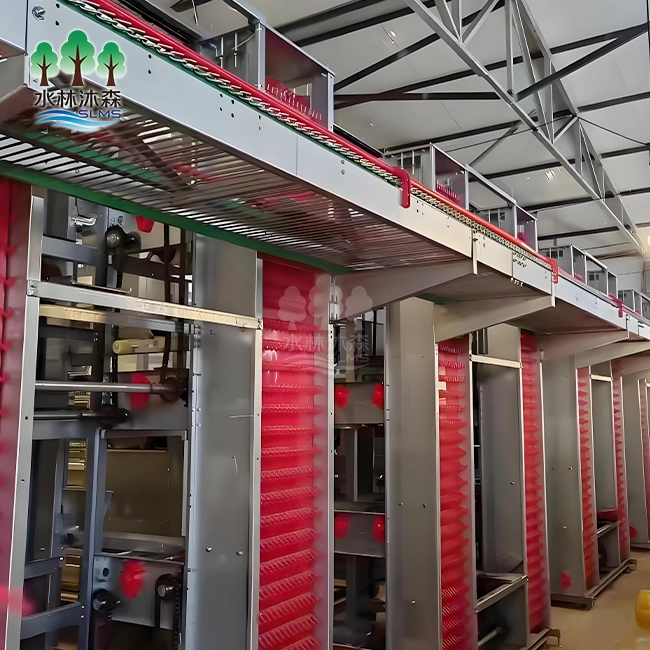
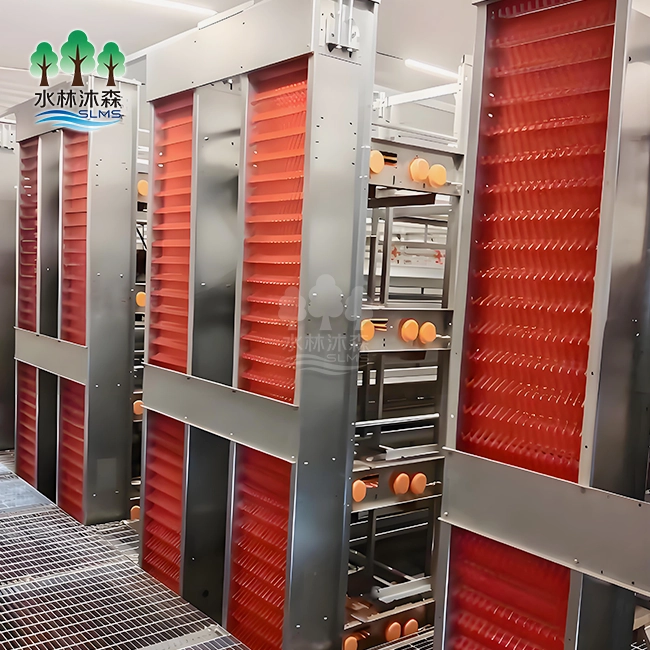
2. Core Specifications: Stocking density 40KG/㎡, corrosion-resistant galvanized iron wire and frame, automatic manure removal, automatic feeding, and automatic watering for modern farms.
3. Technical Support: Provides installation videos and other supporting technical support.
4. Installation Service: On-site installation service available.
5. After-sales Service: 1-year free warranty.
6. Product Advantages: Reduces labor costs and improves farming efficiency; the rational design reduces egg breakage rate and flock injury and disease rate, indirectly improving egg production efficiency and shortening the payback period.
7. Customization available according to customer needs.
Triple-deck Layer Rearing Cage - Modern Poultry Farming Solution
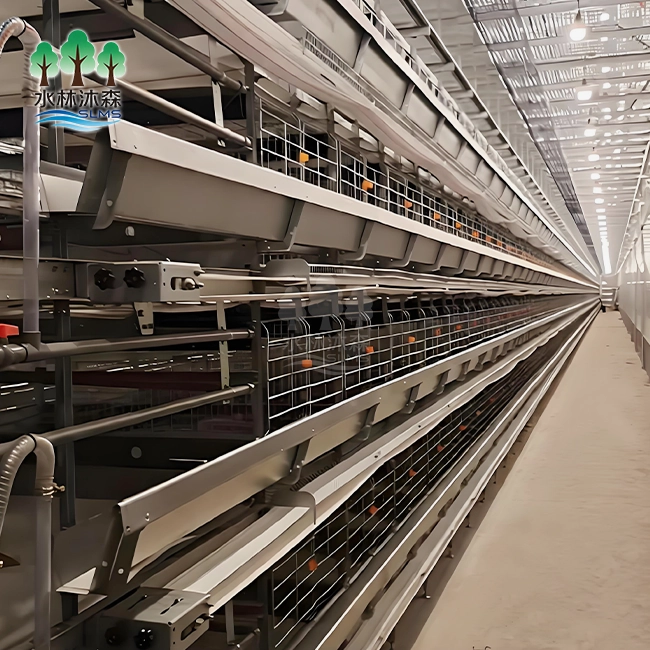
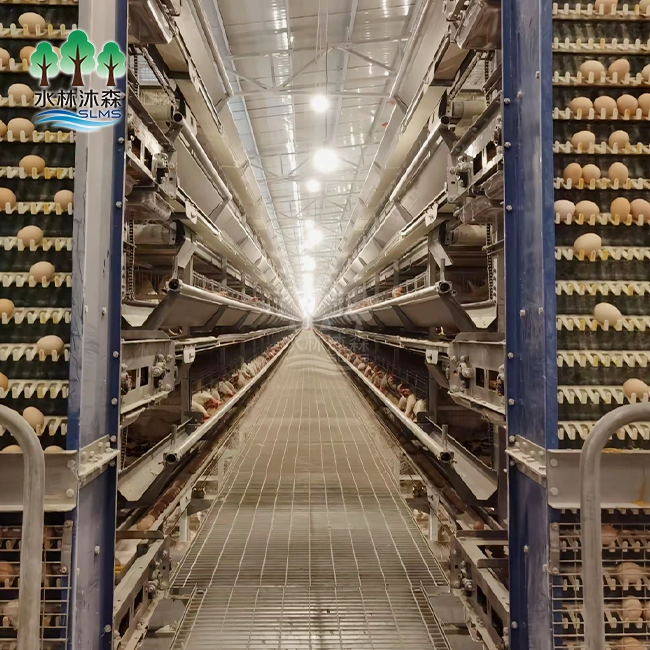
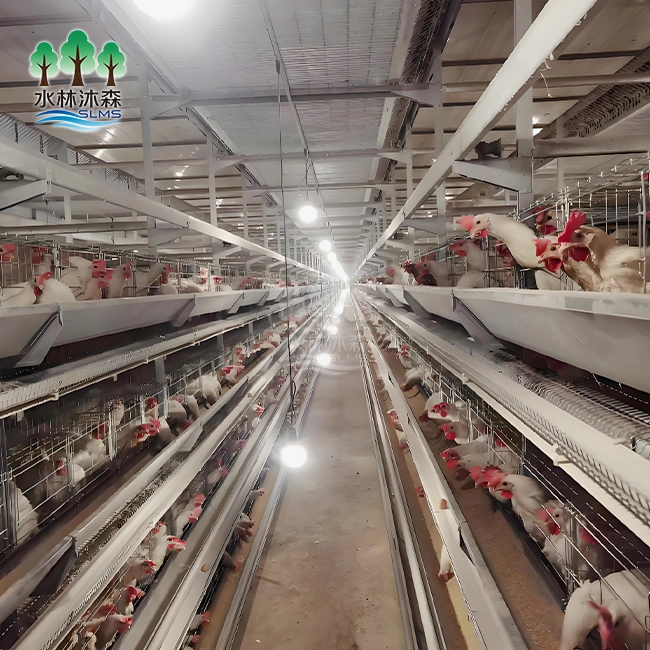
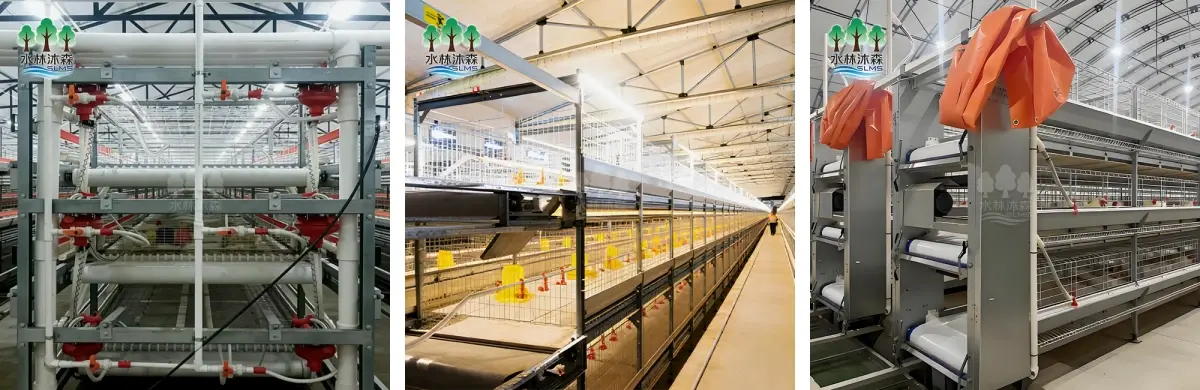
Weifang Shuilin Musen Aquaculture Equipment Co., Ltd. presents its enterprise-grade Triple-deck Layer Rearing Cage, engineered to revolutionize commercial egg-laying operations through advanced vertical farming technology. This H-type three-layer integrated system features individual cage dimensions of 45cm (L) × 45cm (W) × 450cm (H), constructed from Q235 hot-dip galvanized steel wire with a proven service life exceeding 15 years. With a precisely calibrated 10° bottom slope for optimal egg collection and a load capacity of 40KG/㎡, this system increases stocking density by 300% compared to traditional floor systems while reducing labor costs by over 40%. Our equipment integrates seamlessly with automated feeding, watering, and manure removal systems, delivering comprehensive solutions for modern intensive poultry farming operations.
What Makes Our Three-Tier Layer Housing System Stand Out
The Triple-deck Layer Rearing Cage addresses critical operational challenges faced by commercial egg producers worldwide. Unlike conventional deep-litter systems, this infrastructure physically isolates birds from waste materials, creating a controlled micro-environment that optimizes productivity.
Your farm benefits from intelligent space utilization engineering. The three-tier vertical configuration maximizes breeding capacity per square meter, significantly reducing rental and infrastructure costs. This design proves particularly valuable for operations scaling from 5,000 to 30,000 birds.
The system's moderate height maintains superior natural air circulation in open-house environments. Compared to four-tier or five-tier alternatives, this configuration prevents heat accumulation at upper levels, reducing your dependency on expensive forced ventilation systems in mild climates.
Technical Specifications
| Specification | Details |
|---|---|
| Cage Dimensions | 45cm (L) × 45cm (W) × 450cm (H) |
| Cage Bottom Slope | 10° angle for effortless egg collection |
| Material | Q235 steel wire, hot-dip galvanized |
| Service Life | Over 15 years |
| Stocking Density | 40KG/㎡ |
| Structure Type | H-type three-layer integrated design |
| Components | Cage frame, mesh assembly, egg collection device, feed trough, nipple drinker, water pipe system |
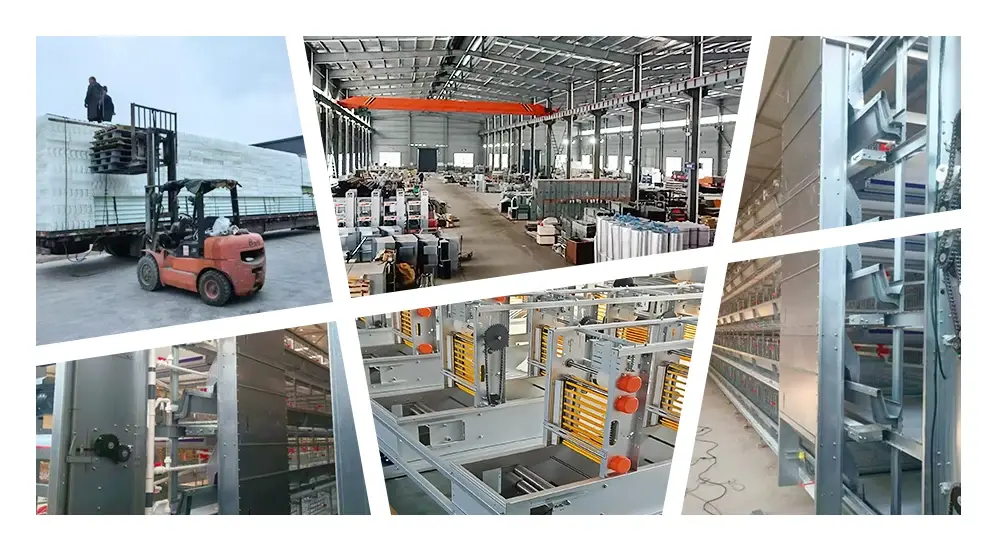
| Automation | Automatic feeding, watering, and manure removal |
Core Advantages for Modern Poultry Operations
Enhanced Disease Control and Biosecurity
Physical separation between layers and fecal matter dramatically reduces disease transmission vectors. Your flock experiences lower infection rates from coccidiosis and intestinal parasites, resulting in reduced medication costs and improved overall health outcomes.
Superior Feed Conversion Efficiency
Engineered feed troughs minimize spillage while restricted movement reduces energy wastage. Your operation achieves 10-15% savings on feed costs compared to floor rearing systems, directly improving your bottom line.
Labor Cost Optimization
The modular cage design works seamlessly with both manual and automated systems. You can start with basic operations and progressively integrate automation as your business scales. The ergonomic height allows workers to access all tiers comfortably without specialized lifting equipment.
Egg Quality Preservation
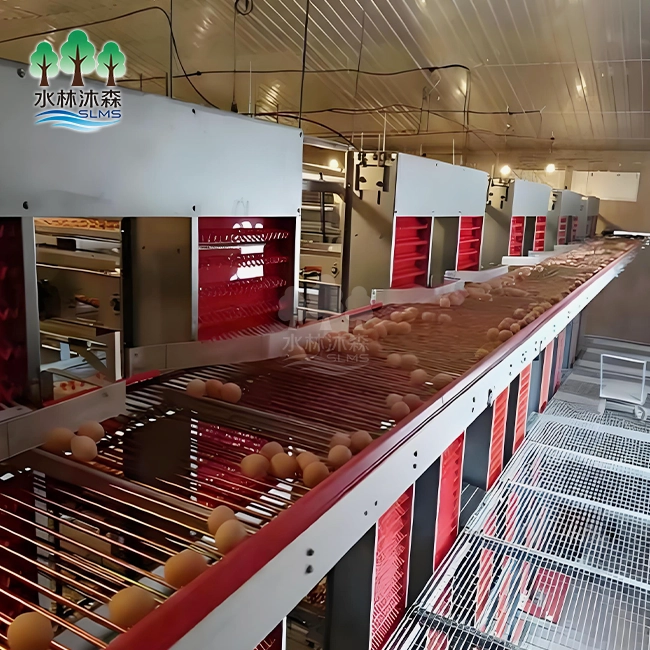
The precisely calibrated bottom slope ensures smooth egg roll-out without impact damage. This thoughtful engineering reduces cracked eggs and "checked eggs" caused by prolonged cage contact, protecting your revenue from quality-related losses.
Long-Term Structural Integrity
Scientific weight distribution prevents cage frame deformation over time. High-tensile strength weld spots maintain structural stability under continuous load. Your investment maintains performance consistency throughout its operational lifetime.
Quality Assurance Standards
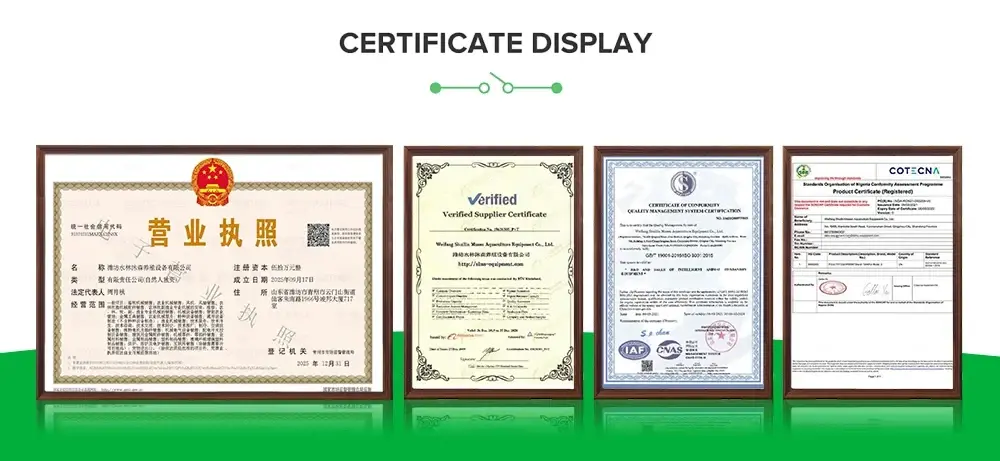
Every Triple-deck Layer Rearing Cage undergoes rigorous inspection protocols before delivery. We conduct zinc coating thickness verification using magnetic gauges to confirm ≥275g/m² coverage, ensuring maximum corrosion resistance in high-ammonia environments.
Weld spot tensile strength testing guarantees structural integrity under full-capacity loads. Each joint withstands the cumulative weight of mature layers without mesh detachment or deformation.
Manual burr inspection eliminates sharp edges across all wire junctions and egg collection areas. This critical step prevents foot injuries (bumblefoot) and protects egg shell integrity during collection.
Wire gauge caliper verification confirms main frame components meet 3.0mm-3.8mm specifications, providing the rigidity required for decade-long operation without structural compromise.
Ideal Application Scenarios
Commercial Farm Expansion Projects
Perfect for operations transitioning from small-scale to mid-sized commercial production. The three-tier height remains manageable for manual operations while dramatically increasing output capacity.
Tropical and Subtropical Environments
Superior vertical airflow dynamics make this configuration ideal for high-humidity regions. The moderate stack height facilitates natural ventilation in open-sided houses, reducing heat stress without expensive climate control infrastructure.
Warehouse Conversion Operations
Converting existing structures into layer facilities? The Triple-deck Layer Rearing Cage fits standard ceiling heights under 2.5 meters while maximizing bird capacity, making it the practical choice for retrofitting projects.
Cost-Conscious Quality Operations
Farms seeking the optimal balance between automation benefits and investment control find this system delivers professional-grade results without requiring immediate full automation deployment.
Frequently Asked Questions
Q: How does this system compare to four-tier configurations regarding air quality?
A: The three-tier design allows superior natural air circulation in open houses. Four-tier systems typically require tunnel ventilation due to higher density and heat accumulation. Your facility benefits from lower ongoing ventilation costs.
Q: What return on investment timeline should we expect?
A: Typically 1.5 to 2 years. Reduced feed wastage (10-15% savings) and lower mortality rates accelerate payback compared to traditional rearing methods.
Q: Can we integrate full automation with this cage system?
A: Absolutely. The modular design supports integration with automatic hopper feeders, nipple drinkers, and egg collection belts. You can implement automation progressively as your operation grows.
Q: What spacing between cage rows ensures optimal operation?
A: We recommend minimum walkway widths of 1.0-1.2 meters. This facilitates comfortable worker movement and ensures uniform air quality distribution for birds in the middle sections.
Q: How is egg breakage prevented in this system?
A: The 10° bottom slope represents the optimal angle for egg roll-out. Steeper angles cause impact cracks; flatter slopes leave eggs vulnerable to pecking. Our engineering eliminates both problems through precise calibration.
Contact Us
Ready to modernize your layer farming operation? We're here to help.
Get in touch today:
Email: slms-equipment.com@slms-equipment.com
Our triple-deck layer rearing cage's team will respond promptly with answers to your questions, detailed quotations, and expert recommendations tailored to your farm.
Learn about our latest products and discounts through SMS or email