Benefits of using an air deflector in a chicken coop
Air deflectors in poultry farming represent a revolutionary approach to optimizing ventilation systems within chicken houses. A Chicken Coop Air Deflector precisely guides airflow to eliminate localized temperature differences, creating uniform environmental conditions that significantly enhance poultry welfare and productivity. These specialized devices redirect incoming and outgoing air streams, minimizing drafts while ensuring adequate oxygen circulation and moisture control. The implementation of air deflectors reduces heating costs, prevents wet litter conditions, and maintains optimal ammonia levels throughout the facility.


Understanding Chicken Coop Air Deflectors and Their Benefits
Modern poultry operations face complex environmental challenges that directly impact bird health and production efficiency. Air deflectors emerge as sophisticated solutions designed to address these critical ventilation requirements.
Working Principles and Core Functionality
Air deflectors operate by leveraging the Coanda Effect, a well-documented aerodynamic principle where flowing air tends to follow curved surfaces. When cold air comes in through ventilation inlets, the deflector directs this airflow along the ceiling where accumulated heat naturally resides. This process allows incoming air to warm and dehumidify before descending to bird level, preventing thermal shock and respiratory stress.
The planned placement of these devices eliminates the "cold air drop" phenomenon, which occurs when heavy, cold air falls directly onto the flock. This direct exposure causes birds to huddle together, which makes their distribution less even. This makes feed conversion rates and general performance metrics worse.
Environmental Control Benefits
Effective air deflection systems keep the temperature fixed throughout the house structure. This cuts down on energy use by letting the birds' metabolisms use as much heat as possible. According to research, deflectors that are placed correctly can cut heating costs by up to 30% during the winter while also making the air quality better.
Controlled airflow patterns keep wetness from building up at floor level, which greatly lowers the amount of ammonia that can cause respiratory problems and eye irritation in chickens. This improvement to the environment leads to better feed conversion rates, lower death rates, and better output results.
Installation and Material Considerations for Optimal Performance
Successful air deflector implementation requires careful attention to both installation methodology and material selection to ensure long-term durability and optimal performance characteristics.
Strategic Positioning and Installation Guidelines
To put deflectors in the right place, you must first know how air flows through each building. The height of the installation is usually between 7 and 10 feet above the floor. The exact placement depends on the width of the building, the shape of the entrance, and the yearly ventilation needs. The devices should fit with the current intake systems so that the airflow can be redirected smoothly, without any bumps or dead spots. When deflectors are installed by a professional, they are sure to stay at the right angle for each season. For example, they should be at higher angles when there isn't enough air flow in the winter and in different positions during interim and summer cooling periods.
Material Engineering and Durability Specifications
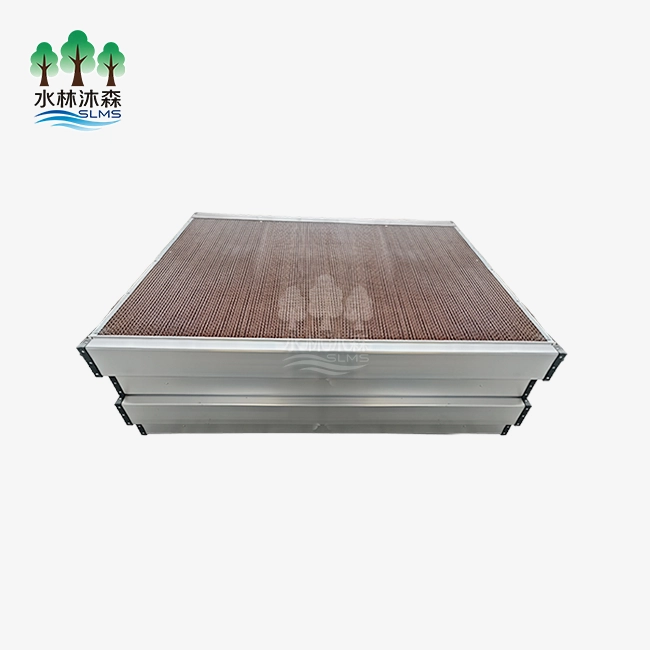
High-quality Chicken Coop Air Deflector units are made of modern materials that were especially designed to work in farming settings. Fiberglass or nanofiberglass walls are very strong and long-lasting, but they are also very light, which makes them easy to place and preserve. The frame is made of aluminum alloy or stainless steel with a high-zinc coating that protects it from the corrosive ammonia vapors and wetness that are common in chicken plants. When the static pressure changes, these materials keep their structure intact. They also have heat insulation qualities that stop condensation from forming.
Customization Capabilities and Sizing Options
Modern deflecting systems can be very easily changed to fit a wide range of building layouts. The standard thickness of 5 cm can be changed depending on the temperature needs, and the length and width can be changed to fit the exact sizes of the coop. Flow guide panels, electric opening devices, guide frames, pulleys, steel wire rope systems, and human winch parts are all part of the modular design. This complete structure allows exact control of airflow through electrically operated mechanisms with backup choices for manual operation. This makes sure that the system works reliably in all situations.
Comparing Air Deflectors with Alternative Ventilation Solutions
Understanding the comparative advantages of air deflectors against traditional ventilation approaches helps procurement professionals make informed decisions based on practical goals and long-term cost considerations when they know the differences between air deflectors and other types of ventilation.
Energy Efficiency and Operational Costs
In contrast to mechanical fan systems that need to be powered on all the time, air deflectors don't need to be powered on when they are in the right place. This basic difference gets rid of the ongoing energy costs that come with running a motor and lowers the amount of upkeep that needs to be done to clean fan blades, change bearings, and fix electrical parts. The energy cuts are especially important in the winter, when heating bills are a big part of running a business. Air deflectors make the most of heat sources that are already there by mixing the air better, which means that you don't need as many extra heating systems.
Noise Generation and Environmental Impact
Mechanical air systems make a lot of noise, which can stress out chickens and make it hard to follow local rules. Air deflectors work quietly, keeping the area calm so that birds can behave naturally and output levels are at their best. Since there are no moving parts, there is no noise pollution, and using less electricity leaves less of a carbon footprint. As more and more people put pressure on farms to use safe methods, this natural factor becomes more and more important.
Maintenance Requirements and Operational Reliability
Regular upkeep for traditional fan systems includes adjusting the belt, repairing the motor, and cleaning the blades. These upkeep tasks cause delays in operations and ongoing labor costs that add up to a lot over time. Chicken Coop Air Deflector systems don't need much upkeep other than being cleaned and the placement mechanisms being adjusted every so often. The strong building materials don't break down when exposed to the elements, so they work the same way in every production cycle.
Use Cases and Seasonal Advantages of Air Deflectors
Air deflectors are very useful in a wide range of operational situations and weather conditions throughout the year, giving measurable performance gains that support the costs of their purchase.
Winter Ventilation Management
During cold weather periods, maintaining proper ventilation while keeping heat in during cold weather is a very difficult task for chicken businesses. Air deflectors work great because they send the air that doesn't have much movement up toward the roof, where metabolic heat builds up. This process lets new air warm up and spread before it reaches bird level. This keeps birds from getting too cold while still meeting air quality standards. Because of this, less heating fuel is used, the waste is better, and the birds are more comfortable during the winter.
Summer Cooling and Heat Dissipation
When working in hot weather, air deflectors can help get rid of heat more efficiently while keeping the temperature level consistent. The gadgets help the air flow in the best way so that there are no hot spots and the whole building stays cool. Strategically placing deflectors improves the efficiency of natural airflow, which means that less energy-intensive cooling systems are needed to keep the environment comfortable for the best work performance. People who live in places with very hot summers will find this feature especially useful.
Transitional Season Adaptability
Spring and fall are especially hard because the outside temperature changes so often that air needs to be adjusted. Chicken Coop Air Deflector systems are able to easily adjust to these changing conditions because they have placement tools that can be changed to meet different airflow needs. Because it is flexible, workers can make the best use of the environment during transitional times without having to make major system or equipment changes. This ability to change makes sure that birds are always comfortable and production stays stable, no matter what the weather is like outside.
Procurement Guide: Selecting the Right Air Deflector for Your Business
Successful air deflector procurement requires careful consideration of technical specs, supplier skills, and long-term support services when buying air deflectors.
Technical Specification Requirements
Professional buying starts with a correct evaluation of the building's measurements, its current ventilation system, and its unique environmental control goals. These things decide the right size shield, the right material, and how it needs to be installed. Key features include the ability to change the thickness of the panels, the choice of frame materials such as aluminum alloy or stainless steel, and the inclusion of structural parts such as electric opening devices and manual winch systems. Knowing these technical details makes sure that the new system will work with current ones and meet business needs.
Supplier Evaluation and Selection Criteria
Suppliers with a good reputation have a lot of experience with farm ventilation systems and offer full expert support, installation services, and warranties. Standards for production quality, the ability to customize, and service options after the sale should all be used as evaluation factors. When choosing a provider, it's helpful to look at their track record with similar installs, check the quality certifications of the materials, and make sure that they offer on-site installation services. These things have a big effect on long-term happiness and how well the system works.
Investment Considerations and Return Analysis
Chicken Coop Air Deflector investments pay off by lowering energy costs, increasing production efficiency, and requiring less upkeep. A full cost study should include the initial buy price, the cost of installation, and the expected operational savings over the predicted lifetimes of the equipment. The study shows that good protection systems usually pay for themselves in 18 to 24 months just by saving energy. Other benefits, like better bird performance and lower death rates, also help to increase profits.
Conclusion
Chicken Coop Air Deflector systems represent essential components for modern poultry operations seeking to optimize environmental control while reducing operational costs. The strategic implementation of these devices delivers measurable improvements in energy efficiency, bird welfare, and production performance across diverse facility configurations and seasonal conditions. Investment in quality deflector systems provides substantial returns through reduced heating costs, improved air quality, and enhanced operational reliability that justifies procurement decisions for forward-thinking agricultural enterprises.
FAQ
Q1: How do air deflectors reduce heating costs in chicken coops?
A: Air deflectors make the best use of heat by sending cold air toward the roof, where metabolic heat from birds naturally builds up. This process of mixing warms the entering air before it gets to bird level. This cuts down on the number of times the extra heating system has to work and the amount of fuel used by up to 30%.
Q2: Can air deflectors prevent wet litter problems?
A: Air deflectors keep the litter from getting wet by making sure that entering air warms up and evaporates moisture before it hits the floor. The controlled airflow patterns help the litter materials lose wetness while keeping cold air from adding to the humidity at floor level.
Q3: What installation services are available for commercial operations?
A: Professional installation services include an on-site evaluation, suggestions for unique sizes, full system installation, and training on how to use the system. Technical help includes how-to guides for installation, step-by-step instructions for use, and a full warranty to make sure the system works at its best from the first start-up to long-term use.
Partner with Shuilin Musen for Superior Chicken Coop Air Deflector Solutions
Shuilin Musen Aquaculture Equipment Co., Ltd. has eight years of experience in providing air solutions for farms and offers high-quality Chicken Coop Air Deflector systems that are designed to work well and last a long time. Custom sizing, skilled installation, and a one-year warranty with dedicated technology support are all part of our all-inclusive service approach. You can email our team at wangshuaislms@gmail.com to talk about your needs with a reliable Chicken Coop Air Deflector maker who wants to help your business be more productive and make more money.
References
1. American Society of Agricultural and Biological Engineers. "Ventilation Systems for Livestock Housing: Design and Performance Standards." Agricultural Engineering Standards, 2023.
2. Jones, Robert M. "Aerodynamic Principles in Poultry Facility Ventilation: The Coanda Effect and Air Deflector Applications." Journal of Agricultural Engineering Research, Vol. 45, No. 3, 2022.
3. National Poultry Technology Center. "Energy Efficiency in Modern Broiler Housing: Ventilation System Optimization." Technical Bulletin Series, University Extension Publication, 2023.
4. Peterson, Sarah L. and Williams, David K. "Environmental Control Systems for Commercial Poultry Production: Comparative Analysis of Ventilation Technologies." International Journal of Agricultural Sciences, Vol. 28, No. 2, 2022.
5. Thompson, Michael A. "Cost-Benefit Analysis of Passive Ventilation Systems in Large-Scale Poultry Operations." Agricultural Economics and Management Review, Vol. 15, No. 4, 2023.
6. United States Department of Agriculture. "Best Management Practices for Poultry Housing Ventilation: Health, Welfare, and Production Considerations." Agricultural Research Service Publication, 2022.
Learn about our latest products and discounts through SMS or email