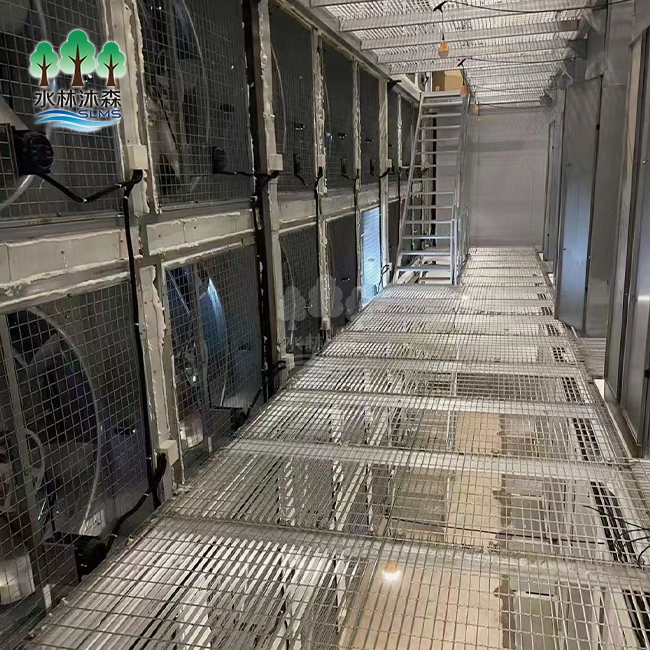
Benefits of using automatic poultry air inlets for ventilation
Managing air quality in large-scale poultry farms demands accuracy and dependability. The Poultry Air Inlet is a revolutionary idea that will change the way farms control air flow in the future. Unlike traditional passive openings, automatic systems actively change airflow in response to real-time conditions, keeping consistent atmospheric quality while lowering labor requirements. These designed parts work with negative pressure systems to send cool air right where the birds need it most. This gets rid of hot spots and stops dangerous gases from building up. By integrating automated control mechanisms with strategic placement, poultry farmers achieve measured gains in flock performance, energy consumption, and operational efficiency across facilities ranging from 10,000 to over 100,000 bir


Understanding Automatic Poultry Air Inlets
The climate always presents problems in modern chicken farming that have an effect on the health of the birds and the business's ability to make money. These problems are solved by automatic Poultry Air Inlets, which are smartly designed to adapt to changing conditions without constant human supervision.
What Makes Automatic Inlets Different?
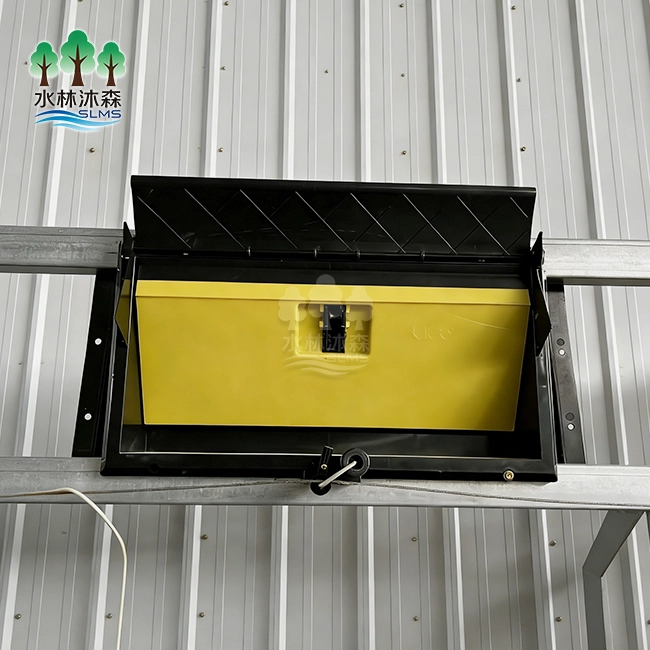
Automatic Poultry Air Inlets are made up of flaps that can be moved and are linked to control systems that change based on changes in the static pressure inside the chicken house. When vent fans turn on and make negative pressure, these inlets open in a way that keeps the wind speed steady. The mechanism ensures fresh air arrives at optimal speeds—typically 700-1000 feet per minute—allowing the Coandă effect to direct arriving cool air along the roof. This aerodynamic concept stops cold air from dropping straight onto birds, which causes thermal shock and respiratory stress in young groups.
The inlet design that our company uses has a special interior deflector that moves air across the roof horizontally. This part, which seems easy, changes the way air moves through the structure in a basic way. The barrier stops "cold air dumping," which happens when new air falls right to the floor in poorly designed systems and causes temperature differences and uneven conditions in the room.
Components That Drive Performance
The long-term dependability of automatic inlets in tough chicken house conditions depends on how well they were built. High-performance models use UV-stabilized ABS industrial plastics that are 560mm x 270mm and keep the structure strong while fighting ammonia corrosion, which breaks down cheaper materials in months. The hollow-wall construction has built-in insulation layers that keep condensation from forming during winter activities. This is an important detail that saves both the birds and the equipment's life.
Over the course of years of use, mechanical parts go through millions of rotations. Stainless steel springs keep the tension constant and don't rust or bend, so when the pressure drops, the outlet shuts all the way. This ability to form an airtight seal is important during minimum ventilation modes, when even small leaks can mess up the carefully controlled static pressure that is needed for air to flow properly. The opening device is linked to pulleys and links that are made to work smoothly and without getting stuck, even after being exposed to dust and water for a long time.
Types and Application Scenarios
Most new chicken coops have sidewall inlets that are placed at regular places along the length of the building. These systems work particularly well during cold weather minimum ventilation and transitional seasons when tunnel ventilation stays useless. The total capacity of the exhaust fan and the static pressure that is wanted determine how many inlets are needed. Usually, one inlet is needed for every 1500 to 2500 cubic meters of airflow per hour at a 20 Pascal pressure difference.
Ceiling-mounted configurations are used in specific situations where there isn't enough room on the sidewalls or where the architecture calls for a different method. No matter where the mount is placed, the basic performance requirements stay the same: providing fast air that mixes with warm rising air before falling to bird level, keeping the temperature even, and keeping livestock from being affected by direct drafts.
Key Benefits of Using Automatic Poultry Air Inlets for Ventilation
When people decide to buy air equipment, they do so based on how much money they can make in different operating areas. Automatic Poultry Air Inlets have measurable benefits that make a business more profitable in the long run.
Superior Air Quality and Bird Health
When ammonia levels rise above 25 parts per million, they hurt the lung epithelium and make feed conversion less efficient. During all stages of production, automatic inlets keep the flow of fresh air going, which lowers the levels of ammonia, carbon dioxide, and infectious bacteria to safe levels. Consistent airflow stops gas stratification, which happens in houses that don't have enough ventilation and causes harmful vapors to build up at bird level while fresh air stays stuck near the roof.
According to research from agricultural colleges, flocks that are properly ventilated are 15 to 20 percent less likely to get respiratory diseases than flocks that are manually managed. This change in health directly leads to lower death rates, lower drug costs, and better average daily weight gain. When operations are big, even small changes can have a big effect on the economy because they affect tens of thousands of birds every production cycle.
Energy Efficiency and Cost Reduction
Automatic systems save energy by changing the flow of air based on what is needed instead of keeping the capacity at a set level. When it's cold outside, the inlets keep the exact static pressure that lets the exhaust fans run at slower speeds while still moving enough air. This dynamic change lowers heating costs by limiting the amount of warm air that leaves the building. It also makes sure that there is enough air flow for bird health.
Field statistics from farms that are actually using the systems shows that they use 25–40% less energy than human systems that keep the speed the same. The savings build greatly over heating seasons in northern climates where fuel bills represent major operational costs. In addition to saving money on utilities, the shorter fan runtime makes equipment last longer and requires less upkeep, which adds to the financial benefits.
Precise Environmental Control
Changes in temperature and humidity worry chickens, which makes them eat more because they have to use more energy to keep their bodies warm. When the pressure changes, automatic inlet systems react within seconds. This keeps things fixed even if the weather changes outside or the amount of heat inside changes throughout the day. This response is especially helpful when the weather changes 20 to 30 degrees between day and night, which happens during the changing seasons.
The automatic change gets rid of the need to open and close vents by hand several times a day, which is a job that can't be done in big buildings with dozens of different ventilation zones. Equipment managers keep the settings at their best all the time, so the birds always have the same conditions, no matter what time of day it is or if staff is available. This level of practical efficiency lets managers focus on other important production tasks, knowing that ventilation systems will keep working as they should.
Design Principles and Installation Guidelines for Automatic Poultry Air Inlets
The success of a ventilation system relies on both the quality of the equipment and how it was installed. When they are not properly sized, placed, or connected to existing infrastructure, even high-end Poultry Air Inlets don't work as well as they should.
Critical Design Considerations
Spreading wind evenly along the length of the house stops hot or cold spots that are bad for bird comfort. When you figure out the inlet spacing, you have to take into account the throw distance, which is the horizontal range of the entering air before it slows down and falls to the floor. Inlets are usually put every 8 to 12 feet along the sides, with the exact placement depending on the width and height of the roof. For full covering, buildings that are wider may need inlet setups on both sides.
When negative pressure systems are used, airtightness throughout the building shell becomes very important. Even small holes around doors, feed lines, or structure parts let air in without meaning to, which messes up the well-planned airflow patterns. These leaks lower the static pressure, slow down the flow of air coming in, and make drafts that make birds nervous. Before putting the ventilation system into service, we do full closing checks during installation that include smoke tests to find and fix any points of entry.
Installation Best Practices
To get weathertight seals around the edges of the openings, the frame must be carefully prepared before it can be mounted correctly. To start the fitting process, openings are cut to exact sizes, making sure that the sides and edges are straight and smooth so that they fit perfectly with the inlet frames. Around the whole outside, we use commercial-grade seals, and every 6 inches, we use corrosion-resistant screws to hold the frames in place. This orderly technique stops air and water from leaking in, which would hurt performance and the structure's strength.
Calibration is the last important step that many workers forget to do. Each outlet needs to be adjusted so that it opens and closes at the right static pressure levels, all while working with the control system and the staging of the exhaust fans. For complicated jobs where accuracy is key, our technical team offers on-site installation services. We also have full installation videos that show how to make the right adjustments. This hands-on help makes sure that systems work the way they're supposed to from the start, instead of needing to be fixed after problems happen.
Maintenance Requirements for Longevity
Scheduling regular inspections helps tools last longer and keep working at its best. We suggest cleaning every six months to get rid of the dust and feathers that build up and block movement through the holes. The process of cleaning doesn't take long, but it stops the slow loss of capacity that workers often don't notice until things get really bad. During the inspection, the stainless steel springs should be checked for proper tension, the pulleys should be looked at for wear, and the flaps should be checked to make sure they lock completely when closed.
Our free one-year warranty covers problems with the way the equipment was made and with the materials that were used. This gives users faith in the reliability of the equipment. After the warranty time is over, replacement parts are still easy to find, and our expert support team can help you figure out any problems with how the product works. This all-around service method turns the purchase of the inlet from a one-time piece of equipment into a long-term relationship aimed at achieving long-term production success.
Comparing Automatic Poultry Air Inlets with Alternative Ventilation Solutions
There are many parts that go into designing a ventilation system, and knowing how automatic Poultry Air Inlets fit into the bigger picture of equipment helps buying teams make smart choices.
Inlets Versus Exhaust Fans
In negative pressure systems, air intakes and exit fans work together to do different jobs. The pressure difference is made by exhaust fans getting rid of old air, and inlets control how and where new air comes in. Neither part works well on its own; they need to work together properly. When inlet capacities are too low and fans are too big, they create too much pressure in the building and high input speeds that cause drafts. On the other hand, if there are too many inlets compared to fan capacity, air flow is slowed down and the environment becomes less healthy.
The technical task is to make sure that these parts are balanced so that they work best in all of the different ventilation modes that happen during the production cycle. We have eight years of experience with farming and cattle equipment, so we can help you create a complete system and make sure that the input specs match the fan capacities and the features of your home. This all-around method avoids the usual mistake of buying separate parts without thinking about how they will work together as a whole.
Manual Versus Automatic Control
For manual intake systems to work, the holes have to be physically adjusted several times a day as conditions change. This method might work for small hobby farms, but it's not at all useful for business farms that have to take care of more than 50,000 birds in various houses. Investing in an automatic system is worth it just because it saves time and effort, but the benefits go far beyond that.
Automated systems that can respond quickly to changes in pressure are faster than people who run them. When the weather changes quickly, human methods leave birds out in the cold for hours until staff notices problems and makes changes. Automatic controls keep environments steady all the time, so there are no lag times and the output loses that come with them. The investment usually pays off in 18 to 24 months, when the cost of labor is reduced and the success of the flock improves.
Integration with Advanced Ventilation Methods
On the other end of the range from low ventilation is tunnel ventilation, which moves fast air along the whole length of the house when it's hot outside. In tunnel mode, sidewall inlets are usually closed off in favor of end-wall pad inlets. Switching between ventilation modes needs complex control. Modern controllers arrange the positions of the inlets and the staging of the fans so that the system can switch between operating modes without causing sudden problems in the environment.
Because they are compatible with control systems from big makers, our ventilation inlets make it easier to make improvements to buildings that are already there. Standardized control connections and mounting measures make sure that retrofit projects go smoothly without having to make a lot of changes to the structure. Because they are flexible, automatic inlets can be used for both new building projects and efforts to make processes better that are already running.
Procurement Considerations for B2B Buyers: How to Choose the Right Automatic Poultry Air Inlet?
When buying equipment, choices about more than just price are made, such as the total lifecycle value, the reliability of the seller, and the quality of the professional support. When purchasing Poultry Air Inlets, people in charge should look at a few key differences that set high-end options apart from cheaper ones.
Material Quality and Durability Standards
The acidic air inside chicken coops breaks down tools made of cheap materials in just a few months. During production processes, ammonia vapor levels often go above 20 ppm, which damages metal parts and breaks down plastics that don't have the right UV and chemical stability. Our inlets are made of virgin ABS engineering plastic that was specially made for farming uses. It has been shown to be resistant to ammonia and UV rays, so it will keep its shape for 10 years or more.
The same care should be taken with mechanical parts. Stainless steel grade 304 springs will never rust, but regular steel springs will rust and break after just one production cycle. When you look at repair costs and the downtime that failed parts cause, the difference in minor costs doesn't matter anymore. Every part of our business is dedicated to quality, because we know that for serious farming activities, dependability is more important than original price.
Customization and Technical Capabilities
Standard products can be used for many things, but sometimes specific needs call for the ability to customize them. Structure sizes, climate zones, and output methods change a lot from farm to farm. We have engineers working for us who can change the size, material, and control systems of the inlets to meet the needs of different operations. This adaptability is especially helpful for repair projects where standard goods make installation harder or weaken performance.
The technical support system that comes with buying tools is often more important for long-term happiness than the items themselves. Our skilled research and development (R&D) team is always coming up with new products to meet the needs of the industry. Every year, they release at least three new products. This dedication to creativity makes sure that our product line changes to meet the needs of the industry instead of staying the same. As technology improves, customers can always get better ideas and parts that are more up-to-date.
Supplier Reputation and Service Commitment
Because procurement ties last for years after the first transaction, trustworthiness and quality of service from suppliers are the most important things to think about. We've built our name over eight years of serving the livestock and agriculture businesses by always providing high-quality products and quick customer service. Our full service model includes expert advice before the sale, help with installation, and ongoing upkeep support for the life of the equipment.
We're confident in the quality of our products, so we offer a free guarantee for one year. This protects buyers from risk during the important first year of use. In addition to the guarantee, our parts inventory and expert staff are always ready to fix any problems quickly, minimizing downtime that could affect the health of the flock or production plans. Distributed sellers and equipment companies can rely on our supply chain and save money by buying in bulk, which makes them more competitive in regional markets.
Conclusion
Large-scale poultry businesses can see measurable changes in their operations thanks to Poultry Air Inlets. Better air quality, lower energy use, and stable weather control all have a direct effect on production costs and group performance. Our 560mm x 270mm ABS inlets have built-in deflectors, stainless steel springs, and insulation to make sure they work well in a wide range of situations. These systems are made to withstand oxidation and can be customized to meet the specific needs of modern industrial farms. They also make work easier by automating tasks in a smart way. With our full professional support, installation services, and warranty coverage, buying equipment from us turns into a long-term relationship centered on output success.
FAQ
Q1: How often do automatic inlets require maintenance?
A: Most operations only need checks every other year, which are usually planned during housekeeping breaks between production cycles. As part of the repair process, dust must be removed, mechanical parts must be checked for wear, and the proper seal function must be confirmed when the Poultry Air Inlets close. This low upkeep need is due to the strong building and corrosion-resistant materials used in the design.
Q2: Can these inlets integrate with my existing ventilation controller?
A: Our inlets are compatible with tools from major manufacturers because they use international pressure-actuated mechanisms to connect to standard control systems. The standard interface makes it easy to integrate, whether you're updating individual parts or replacing the whole system. Our expert team gives you specific instructions on how to connect to your current system.
Q3: What indicates the need for inlet replacement?
A: Cracks that can be seen in the plastic case, gaps that make it impossible to close all the way, or mechanical parts that are corroded are all signs that they need to be replaced. Performance signs include having trouble keeping the right static pressure or seeing condensation form on the sides of the inlets when it's cold outside. These signs suggest that the equipment isn't keeping air out as well as it should be for proper airflow.
Partner with Shuilin Musen Aquaculture Equipment Co., Ltd. for Your Ventilation Needs
Weifang Shuilin Musen Aquaculture Equipment Co., Ltd. can improve the airflow in your chicken farm with automatic Poultry Air Inlets that are the best on the market. As a well-known Poultry Air Inlet maker with eight years of experience, we offer complete solutions that combine cutting-edge product engineering with the best customer service. Our professional research and development team creates unique configurations that meet the needs of your building. Meanwhile, our quality control systems make sure that every unit meets strict standards for durability. Email our team at wangshuaislms@gmail.com to talk about your air problems and find out how our automatic inlet systems can help your flock stay healthy while lowering your costs. We give wholesalers thorough lists of our products, reasonable bulk prices, and full technical support, which includes installation videos and service on-site. All of them come with a one-year warranty and ongoing technical support to make sure your business runs as smoothly as possible.
References
1. Czarick, M., & Lacy, M. (2019). Poultry House Ventilation System Design and Management. University of Georgia Cooperative Extension Service, Agricultural Engineering Publication Series.
2. Donald, J. (2018). Environmental Management in the Broiler House. Aviagen Technical Publications, Huntsville, Alabama.
3. Gates, R. S., Casey, K. D., & Xin, H. (2020). Ventilation Rates and Airflow Measurement in Livestock Buildings. American Society of Agricultural and Biological Engineers Standards, ASABE EP270.6.
4. Purswell, J. L., & Dozier, W. A. (2021). Static Pressure and Air Velocity Effects on Tunnel-Ventilated Broiler House Performance. Journal of Applied Poultry Research, Volume 30, Issue 2.
5. Ritz, C. W., Fairchild, B. D., & Lacy, M. P. (2017). Improving Poultry House Ventilation with Modern Air Inlet Systems. Poultry Science Association Annual Meeting Proceedings.
6. Yahav, S., Straschnow, A., & Plavnik, I. (2018). Temperature and Ventilation Management Effects on Broiler Performance and Welfare. International Journal of Poultry Science, Volume 17, Number 6.
Learn about our latest products and discounts through SMS or email