Benefits of using plastic poultry transport cages over metal ones
When you have a big chicken farm, every choice you make about tools has an effect on your bottom line. It may seem like a small thing, but picking between plastic and metal transport cages can have big effects on how well the business runs, how well the animals are cared for, and how much it costs in the long run. Modern Plastic Poultry Transport Cages, made from high-impact plastics like polypropylene or high-density polyethylene, offers significant benefits over conventional metal alternatives. These cages make it easier to clean, lower the cost of upkeep, and lower the number of injuries that happen. This directly leads to healthy birds and higher profits.
Understanding Plastic Poultry Transport Cages
Material Composition and Construction
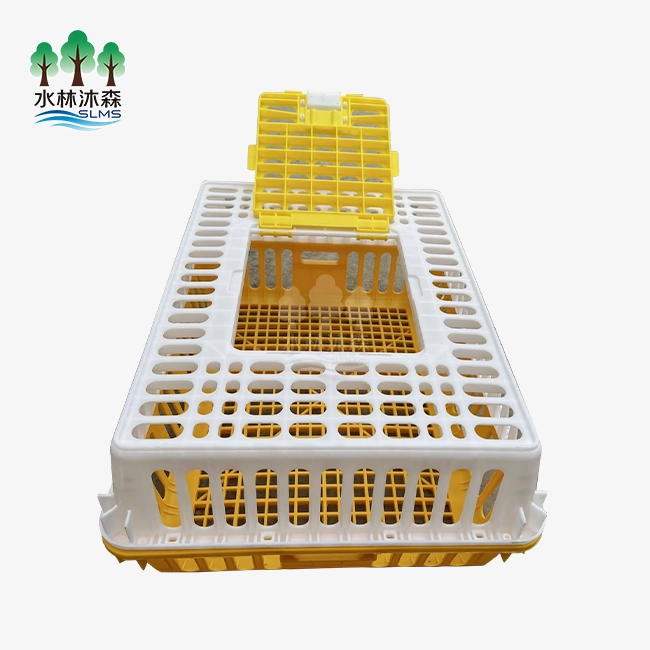
Plastic Poultry Transport Cages are made from long-lasting plastics, like polypropylene (PP) or polyethylene (PE), which are chosen for their ability to hold up under tough conditions. Unlike regular consumer plastics, these industrial-grade materials don't get damaged by impacts, even after being loaded and unloaded many times. Injection molding is used in the production process to make the walls uniformly thick and get rid of the weak spots that often show up in welded metal designs.
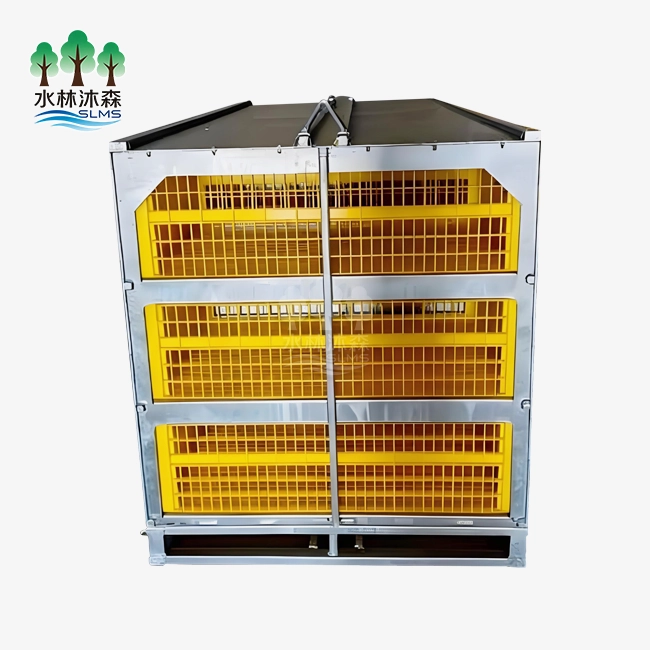
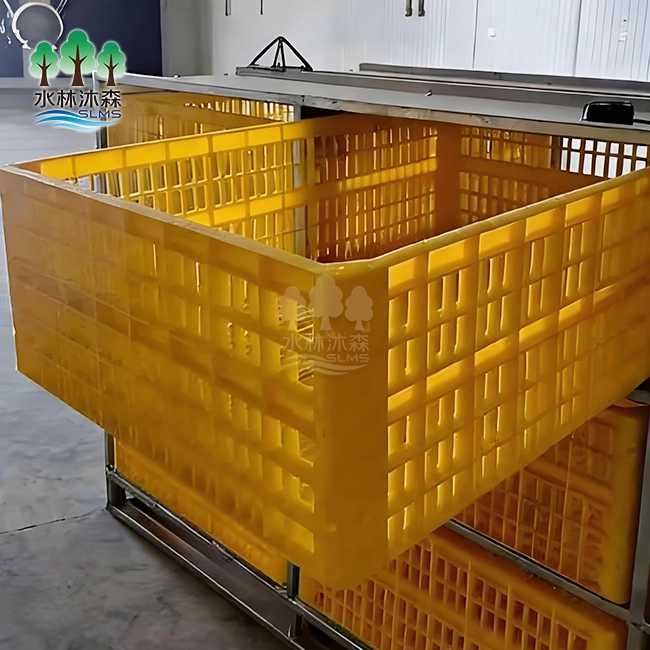
There are two main sizes of cages that Shuilin Musen Aquaculture Equipment sells: 750×550×230mm and 750×550×330mm. These measurements allow for a range of chicken sizes, from broilers to laying hens and ducks, while still ensuring the best building support. The strengthened corner design spreads the weight evenly across several layers, which makes vertical stacking safe during shipping without affecting the lower cages' structural integrity.
Ventilation and Animal Welfare Features
The walls of the box have carefully placed ventilation holes that let more than 40% of air through. This design keeps animals from getting too hot while they're being shipped in the summer and makes sure there is enough air flow even when Plastic Poultry Transport Cages are stacked eight to ten high. Metal cages with protruding welds or rust spots can't compare to cages with smooth inner surfaces because they don't have any sharp points that could hurt the animals or break their wings.
Temperature resistance is good from -30°C to +90°C, so it works well in a lot of different climates. The material's properties stay the same whether you're moving birds in the cold winter or the hot summer. This keeps your group safe from weather extremes that can hurt their health and cause more deaths


Comparing Plastic and Metal Poultry Transport Cages
Weight and Handling Efficiency
A big part of the costs of doing business in chicken operations are the transportation costs. Plastic Poultry Transport Cages are much lighter than metal ones, which saves fuel and lets you carry more without going over the legal weight limits. Handlers don't have to work as hard when they load and unload lightweight units. This keeps workers from getting hurt on the job and speeds up the process at processing centers.
When handling empty cage returns, the difference in weight becomes very important. Stackable plastic designs fit together snugly, which cuts down on the amount of space needed for return shipping. Compared to bulky metal boxes that stay the same size whether they are full or empty, this feature makes better use of building space and lowers storing costs.
Durability and Corrosion Resistance
Metal cages will always have problems with rusting, especially in places with a lot of moisture or where cleaning chemicals and bird waste are regularly present. Over time, repeated washings take away the galvanized coats, revealing the steel underneath, where rust can form. Corroded metal gets rough surfaces and weak spots in the structure that make it less useful and pose health risks.
Plastic Poultry Transport Cages do not break down when exposed to chemicals used to clean, and they also do not change when they are wet. The surface doesn't have pores, so germs can't grow in tiny cracks, which is a problem that always happens with rusted metal. Because they are more resistant, these units can last longer between replacements. Under normal business use, quality plastic cages can last five to seven years, while metal cages usually need to be replaced every three to four years.
Safety and Injury Prevention
It is directly linked to the quality of meat and the number of eggs that can be laid. When bolts protrude from metal cages, or when there are sharp corners from manufacturing cuts or rust spots, they can hurt animals and cause bruising, downgrading, and higher death rates. These risks are completely eliminated by the smooth design of Plastic Poultry Transport Cages.
Plastic door assembly mechanisms have safe but gentle closing systems that keep legs or wings from getting stuck during loading. Rounded edges all over the body of the cage keep workers from getting cuts and scrapes while doing normal tasks. This lowers the number of accidents at work and the costs of responsibility that come with them.
Core Benefits of Plastic Poultry Transport Cages for B2B Procurement
Cost-Effectiveness and Return on Investment
Plastic Poultry Transport Cages may seem about the same price as metal ones when you first buy them, but when you add up all the costs, you'll see that they are much cheaper. Less upkeep means less money spent on treating rust, fixing structural problems, and replacing things often. Purchasing managers who keep track of how much equipment costs over its lifetime always find that plastic units cost 20 to 30 percent less in total over a five-year period.
When shipping weights are lower, freight costs go down straight. The fuel savings add up quickly when you're moving thousands of cages between sites every year or sending tools to different farms. The design that can be stacked makes transportation even more efficient by making the most of truck capacity on both full and empty return trips.
Operational Efficiency Improvements
Following cleaning rules is a big problem for systems that move chickens. To get rid of rust spots and buildup of dirt in welding joints, metal bars need to be scrubbed by hand for a long time. High-pressure devices can be used to rinse our Plastic Poultry Transport Cages directly, or they can be taken apart and soaked in cleaning solutions. This versatility makes it easy to clean places that are hard to get to and stops germs from growing, which helps strict biosecurity measures protect the health of flocks.
Cleaning takes less time—when companies switch from metal to plastic systems, they say they can turn things around 40–50% faster. When cages are cleaned more quickly, they can go back to work more quickly, which means that fewer of them are needed to keep operations going all the time. This increase in efficiency cuts down on the need for financial investments and storage room.
Environmental Compliance and Sustainability
Agricultural areas are facing more and more regulatory pressure to be more environmentally responsible. Plastic Poultry Transport Cages meet environmental standards because they can be recycled when they're no longer useful, and their production leaves less of a carbon footprint than metal production methods. The materials used to make good shipping cages are approved by the FDA and the EU for use with food. This makes sure that they meet the standards for foreign trade.
Less frequent replacing means less need for making and waste production over time. When cages are no longer needed, the polymer materials can be recycled and used to make new goods. This supports the circular economy, which is something that many big businesses now include in their corporate responsibility plans.
How to Choose the Right Plastic Poultry Transport Cage for Your Business
Assessing Operational Requirements
To choose the right Plastic Poultry Transport Cage, you should first carefully think about how you will be transporting the goods. Think about the normal trip length and distance, the usual load density, and the weather conditions your equipment will be exposed to. Layer farms that move birds from one living facility to another over longer distances have different needs than broiler farms that move birds from the farm to the processing plant.
Our two common sizes—750x550x230mm for smaller birds and shorter trips and 750x550x330mm for bigger birds or more comfort during long trips—meet the needs of most businesses. When normal specs don't perfectly meet your workflow needs, customization choices let you change things like ventilation patterns, door setups, or sizes.
Evaluating Supplier Capabilities
When choosing an equipment provider, partnership quality is just as important as product specs. Weifang Shuilin Musen Aquaculture Equipment Co., Ltd. has eight years of experience in making tools for farming and raising animals. They have a focused R&D team of five professional engineers who help them with their work. Every year, we come out with at least three new Plastic Poultry Transport Cage products, making sure that our ideas keep up with what the market needs.
Technical help lasts after the sale is made. We give your team detailed instructions and installation videos to make sure they do the best job possible with setup and care. Our transport cages come with a one-year guarantee that shows we trust the quality of our products and protects your investment against problems caused by poor production. When you're in charge of a big group of cages, responsive after-sales service is very important for answering any questions or concerns that come up during real-world use.
Quality Indicators and Certifications
Verifying the material grade makes sure that you get real high-impact polymers and not recycled or low-grade plastics that break down quickly. Ask for testing certificates and material specs for the Plastic Poultry Transport Cage that confirm the temperature ranges and impact resistance ratings. Reputable makers are happy to give you this information and are open about how they control quality.
It is important that the load capacity numbers match the real transport densities. Underspecified cages break down too soon in business settings, while overbuilt designs cost more than they need to. Our engineering team can figure out the right specs for you by looking at the weights of your birds, the heights at which you stack them, and the conditions of your transport. This way, you can be sure you get the right-rated equipment without having to pay extra for capacity you won't use.
Real-World Applications and Case Studies
Commercial Breeding Operations
When large broiler operations switch from metal to Plastic Poultry Transport Cages, they see instant improvements in a number of performance measures. A facility in the southeast of the United States that houses 50,000 birds saw a 15% drop in obvious injuries after moving cage types. This directly improved the quality of the carcasses and cut down on processing time. Birds were safer from stress-related injuries that used to happen during busy summer travel times because the insides were smoother and had better air flow.
The same process was able to clean the cages 45 minutes faster, which meant that the same product could handle more volume without having to spend more money. Handlers liked that the machines were lighter when they had to move them by hand, and the maintenance team got rid of the rust cleaning steps that took several hours a week.
Distribution and OEM Applications
Distributors of farm tools who work with many farms find that Plastic Poultry Transport Cages make keeping track of their goods and helping customers easier. Plastic units look professional even after years of use because they last a long time and don't change how they look. This helps a brand's image in competitive markets. When wholesalers can change colors on demand, they can offer co-branded goods that build stronger relationships with customers.
After a lot of tests in the field, one regional distributor that works with chicken farms in three states agreed with our 750x550x330mm criteria. Their clients like the safety benefits of surfaces that are easy to clean, especially farms that are putting in place better ways to stop diseases. The wholesaler says that less than 2% of their annual replacements are needed for these units, compared to 8–10% of their previous metal cage inventory. This means that there are a lot fewer warranty claims and unhappy customers.
Best Practices for Maintenance
To make Plastic Poultry Transport Cages last as long as possible, they need simple, regular care. Clear out the cages of any obvious debris and rinse them with medium-pressure water systems after each transport run. For a deep clean once a week, door parts must be taken apart and immersed in approved cleaner solutions for 30 minutes. This thorough cleaning gets rid of any pathogens that might threaten the safety of the flock.
Check the cage bodies every three months for stress cracks at the points where the doors or corner supports connect. Finding small damage early on lets you make quick fixes before bigger problems threaten the structure's stability. When cages aren't in use, keep them in a protected area to protect them from UV light. This is true even though good plastics have stabilization agents that protect them from sun damage when they are used outside.
Conclusion
The switch from metal to Plastic Poultry Transport Cages is a strategy improvement that solves several practical problems at the same time. The mix of lighter weight, longer durability, easier upkeep, and better animal comfort makes it very valuable for a wide range of poultry businesses. Cost analysis always shows that the total economics of ownership are positive, even when the starting spending levels are similar.
As people in charge of buying things look at their equipment choices, the proof for plastic cage systems keeps growing. Adoption rates in the industry mirror this fact, with plastic forms gaining market share in tough business settings. The practical benefits directly lead to measured gains in cost control, flock health, and efficiency measures that improve long-term business success.
FAQ
How do upfront costs compare between plastic and metal transport cages?
The initial prices for good Plastic Poultry Transport Cages and metal cages are usually within 10 to 15 percent of each other. The exact prices rely on the size and number of cages ordered. Total ownership study over five to seven years shows that plastic options have 20–30% lower costs because they require less upkeep, last longer between replacements, and are easier to handle. These units become more cost-effective even when they are first bought when they are bought in bulk and the price goes down.
What cleaning frequency is required to maintain proper hygiene standards?
After each shipping cycle, basic rinsing should be done to get rid of any obvious contamination. Most businesses keep up with hygiene standards by deep cleaning once a week with disinfectant solutions. More regular cleaning may be needed in high-risk areas or because of rules. Plastic Poultry Transport Cages are easy to clean—they can even be taken apart completely for soaking—so thorough cleaning methods can be used without a lot of extra work. This is not possible with metal cages, where rust and complicated shapes make it harder to clean thoroughly.
Do plastic cages maintain structural integrity in extreme weather conditions?
High-impact plastics are used to make quality Plastic Poultry Transport Cages that work consistently in temperatures ranging from -30°C to +90°C. UV stability chemicals are used in the making of materials to keep them from breaking when they are exposed to the sun for a long time. Tests in cold weather show that cages can still withstand impacts during the winter, and tests in hot weather show that they can keep their shape during shipping and hot water cleaning processes in the summer. This temperature range goes beyond what is needed for most business chicken transport situations around the world.
Upgrade Your Poultry Transport Operations with Shuilin Musen
Shuilin Musen Aquaculture Equipment Co., Ltd. designs and builds transportation systems that are both reliable and cost-effective. We offer Plastic Poultry Transport Cage systems with specs that can be changed to fit your needs. These systems come with full technical support and a one-year guarantee. As a well-known supplier of plastic chicken transport cages with eight years of experience, we know exactly what large-scale business companies need. Email our team at wangshuaislms@gmail.com to talk about your unique needs and get full product details. Visit slms-equipment.com to see all of our equipment options and learn how our solutions can help you save money and make sure animals are treated better all along your supply chain.
References
1. National Chicken Council. (2021). Animal Welfare Guidelines and Audit Checklist for Broiler Chickens. Washington, DC: National Chicken Council.
2. Schwean-Lardner, K., & Classen, H. L. (2020). Poultry Welfare and Transport: Technical Considerations for Modern Production Systems. Canadian Journal of Animal Science, 100(2), 241-253.
3. Consortium for Global Animal Welfare. (2019). Commercial Poultry Transport Equipment Standards and Best Management Practices. Brussels: CGAW Technical Publications.
4. American Society of Agricultural and Biological Engineers. (2022). ASABE Standard S478.2: Guidelines for Design and Construction of Poultry Transport Containers. St. Joseph, MI: ASABE.
5. Broom, D. M. (2018). Animal Welfare in European Union Poultry Production Systems. World's Poultry Science Journal, 74(1), 5-20.
6. Mitchell, M. A., & Kettlewell, P. J. (2019). Engineering and Design of Vehicles and Facilities for Poultry Transport. Veterinary Record, 145(14), 363-369.
Learn about our latest products and discounts through SMS or email