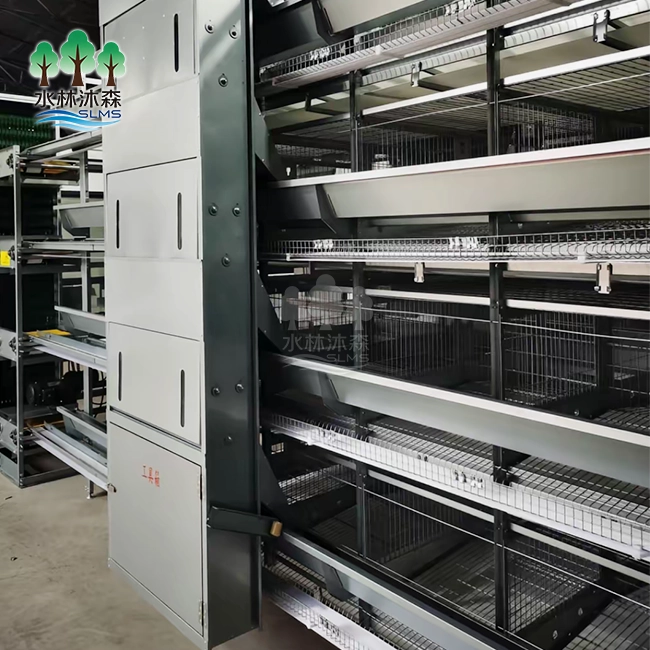
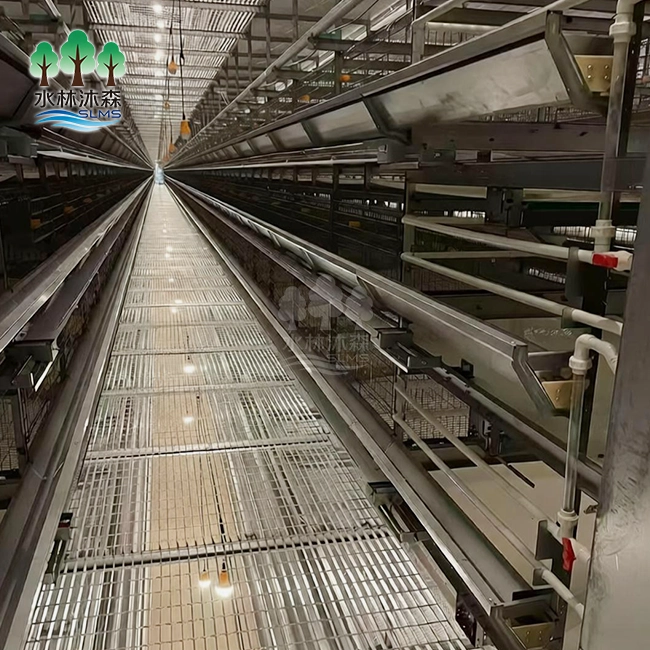
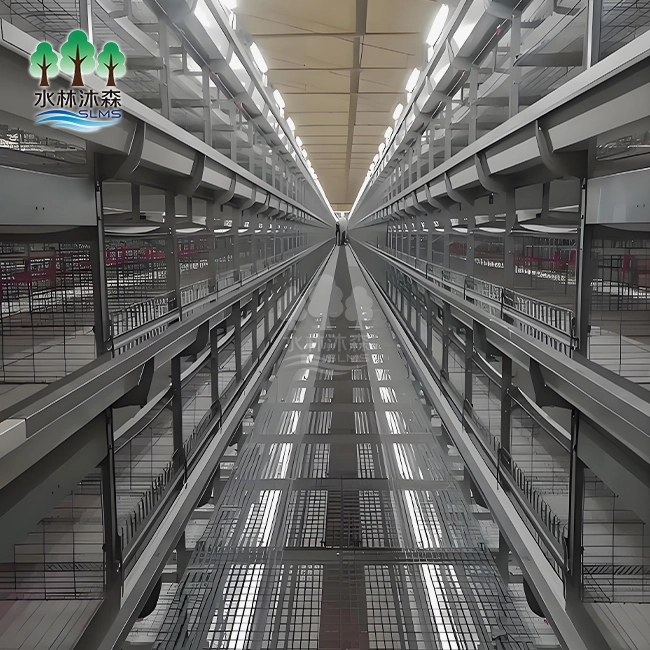
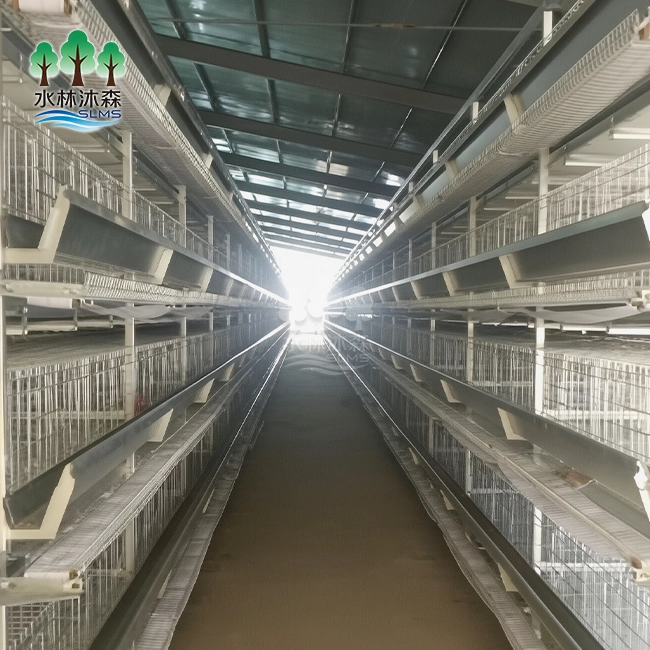
How to install a tube clamp mount in a poultry shed?
If you do things in a planned way, installing a Poultry Shed Tube Clamp Mount is easy. The first step is to find the best places to put the equipment along power lines, water pipes, or air flow ducts. Place the clamp body around the pipe, making sure that the width fits the requirements (Φ6-Φ75). If you are connecting to roof beams, suspension wires, or wall brackets, make sure the fastening parts are securely attached to the fixing base. In automated feeding systems, line sagging can be avoided by making sure the components are aligned correctly. Before you finish the installation, make sure that all of the links can handle the operating loads.


Understanding Poultry Shed Tube Clamp Mounts
In today's chicken farms, feeding lines, drinking water systems, and ventilation networks need to be supported by solid infrastructure. Poultry Shed Tube Clamp Mounts are the basic way to keep these important parts in place in chicken coops, duck sheds, and other places where animals live.
Core Functions and Materials
These special fixing tools hold pipes and wires to building parts inside chicken coops. They do more than just connect things; they keep things in exact alignment, stop sagging that can mess up automatic systems, and can stand up to the corrosive atmosphere that ammonia and moisture create. Choice of material has a direct effect on life. The price of hot-dip galvanized steel is low, and it is very resistant to rust, so it can be used in most industrial settings. Stainless steel 304 lasts longer in high-ammonia settings, which makes the investment worthwhile for large-scale businesses where equipment failure costs a lot of money.
Structural Design Benefits
The three-part design—clamp body, fastening components, and fixed base—makes it easy to use in a variety of installation situations. With this flexible method, you can have straight pipe runs, angular changes at corners, and places where multiple systems meet. Unlike welded bolts or fixed screw mounts, these clamps can be moved around when the building is being upgraded or when seasonal equipment needs to be adjusted.
The diameter range can be changed from Φ6-Φ75 mm, which includes common types of farm tubing like light water lines and heavy-duty feed auger tubes. This flexibility makes it easier for procurement managers to keep track of inventory when they are in charge of multiple sites with different equipment needs.
Categories for Different Applications
Lightweight clamps work well for smaller electrical cables and water lines that don't need to hold much weight. Heavy-duty versions can handle feed distribution systems that are very heavy when they are full of grain, and the Poultry Shed Tube Clamp Mount is a key example of such robust hardware. When it comes to problems like thermal expansion in heating pipes or sound dampening near motorized equipment, specialty designs are the way to go.
Custom production lets you find answers for pipe sizes that aren't standard or mounting surfaces that aren't standard. This versatility comes in handy when updating older buildings or adding new control technologies to systems that are already in place.
Step-by-Step Guide to Installing a Tube Clamp Mount in a Poultry Shed
Whether your pipe support system works reliably for years or needs to be adjusted regularly depends on how well it was installed. The process needs to be done carefully, but building repair teams can still access it.
Pre-Installation Preparation
Find out exactly what you need for mounting before you start working. To choose the right clamp size from the Φ6-Φ75 range, correctly measure the diameter of the pipe. Find the mounting surfaces, like roof beams, wall studs, or suspension wires, and make sure the structure is strong enough to hold the expected loads.
Get the tools you'll need, like safety glasses, gloves, a flexible wrench, a measuring tape, and a level. To get used to the three-part assembly process, watch the training movies that came with your equipment. Plan how often to put things based on the pipe's weight and length; food lines usually need support every 2.5 to 3 meters, while lighter water lines can go without support every 1 meter.
Mounting Process
Start at one end of your pipe run and work your way to the other end in a straight line. Open the body of the clamp and place it around the pipe where you want it to be. To keep the pressure from distributing unevenly, make sure the pipe sits in the middle of the clamp opening. Use the right screws to connect the fixing base to your structure support. Anchors made of concrete work for stone walls, while lag bolts are best for wooden beams. The base has to be mounted securely enough to handle the moving loads that come from using the tools and getting to it for repair.
Using the fixing parts that came with it, connect the clamp body to the installed base. As you slowly tighten, use a level to make sure that the line stays the same so that the system stays in the horizontal or vertical position that it was designed for. Don't tighten too much because it can bend pipes or put too much stress on fixing points.
Verification and Testing
Once all the clamps are in place along the pipe run, a full check should be done. Make sure that each mounting point is properly aligned and that the connection is solid. To do a load test, put light pressure on the system to make it work under real-world stress. The system should stay stiff and not bend or move. Make sure that the automatic feeding equipment works well with the new support setup. Run water through the drinking lines to make sure there are no air spaces or leaks where the clamps are. Fix any problems right away instead of putting the system at risk during times of high production.
Comparing Tube Clamp Mounts: Making the Right Choice for Your Poultry Shed
Before making a purchase choice, you need to know how the different mounting solutions stack up in terms of cost and efficiency. There are many choices on the market, and each one has its own benefits for certain uses.
Clamps Versus Alternative Mounting Systems
Traditional screw clamps offer a solid connection but don't allow for system changes. To move something that has already been put, you have to drill new holes and patch up old ones. This takes time and stops activities. Poultry Shed Tube Clamp Mounts are very flexible and can be quickly changed as the needs of the building change.
Bracket mounts can handle big loads well, but they usually cost more per unit and need to be carefully aligned when they are first put in place. Small changes in setting during setup are easy for clamps to handle, which cuts down on installation time and labor costs. The quick-lock device lets you make changes without using any tools, which is very helpful when handling height-adjustable feeding systems during growth cycles.
Supplier Evaluation Criteria
Differences in quality between makers have a big effect on how well something works and how much it costs to maintain over time. Material approvals from reliable sources confirm the material's resistance to corrosion and load rates. Look for proof that the crack resistance was tested against environmental stress. This is especially important in chicken settings where cleaning chemicals are used.
When making B2B purchases, customer image is very important. Manufacturers with a history of doing good work show that they can keep the quality of their products similar across batches. Companies that can customize their products and offer expert help are more valuable than generic suppliers whose only goal is to give the lowest prices.
Custom Manufacturing Advantages
Large businesses do better when they work with makers who can make goods that fit their needs. Custom solutions are made to solve problems that aren't common, like pipes with odd sizes or shapes, or problems that need to be integrated with specific automatic systems. OEM agreements let equipment sellers build a regional brand footprint through private labeling.
When you order in bulk, you can usually get better prices through group deals. Procurement teams can handle inventory costs and supply continuity better when they know the minimum order quantities and wait times. Building connections with manufacturers who offer flexible MOQs lets you try out new goods before committing to a large-scale rollout.
Maintenance and Longevity of Poultry Shed Tube Clamp Mounts
You can get good returns on your investment in mounting gear only if you keep it in good shape. Understanding the factors that affect lifespan allows for proactive management that stops expensive equipment from breaking down.
Common Causes of Premature Wear
Corrosive conditions speed up the breakdown of metal parts that aren't properly secured. Over time, the ammonia levels in chicken coops damage zinc surfaces, especially if there isn't enough air flow. Stress concentrations caused by bad fitting wear down materials faster than loads that are spread out properly. If you don't do regular checks, small problems can get worse. A slightly loose fastener moves while it's working, making the mounting holes bigger and bigger until the whole system breaks. Finding and fixing these kinds of problems during regular upkeep keeps them from needing to be fixed during production runs.
Inspection and Cleaning Protocols
Set up check times every three months to look at each clamp for signs of rust, bolts that are coming loose, or structural deformation. Pay extra attention to places where different pipe systems meet, because that's where the flow patterns are more complicated. Record the results to keep track of how quickly things break down and figure out when they need to be replaced before they do.
The cleaning process should get rid of dust and organic matter that has built up without harming the protected layers, Poultry Shed Tube Clamp Mount included. Using pH-neutral soaps and high-pressure cleaning to get rid of buildup is a good way to protect galvanized or stainless steel surfaces. Do not use rough cleaning methods that weaken rust protection.
Extending Service Life
Chemical attack protection is increased by covering uncovered metal parts with protective coatings. Primers that are high in zinc add extra barrier protection in tough settings. If you are taking steps to stop rust but it is still happening quickly, you might want to upgrade to stainless steel gear. Keeping records of repair tasks gives you useful information for figuring out the best time to replace things. By keeping track of which clamps need attention most often, you can find trends that are linked to certain places or working conditions. This knowledge helps with buying things and making changes to buildings that make them easier to maintain in the long run.
Procurement Tips for B2B Clients: Buying Poultry Shed Tube Clamp Mounts
When making strategic buying choices, you have to weigh the short-term cost of something against its long-term performance and support needs. Procurement workers can get the best value by learning about their sourcing choices.
Assessing Supplier Credibility
Certifications are direct proof of the quality of the production process and the performance of the product. Specific material approvals check the makeup and features of steel alloys, while ISO 9001 certification shows that quality management systems have been in place for a while. Manufacturers who test their products for salt spray resistance (ASTM B117) and external stress crack resistance show that they care about how long their products last.
Read customer reviews and case studies that show how the product has been installed successfully in similar situations. Suppliers who have worked with big chicken farms before know the problems that come with that business and make goods that work with those problems in mind. Professional makers are different from commodity providers because they offer technical help, such as installation guides, documentation, and quick customer service.
Sourcing Strategy Considerations
When it comes to contact, logistics, and getting help after the sale, domestic providers are better. When you buy in bulk from other countries, you might be able to save money, but you have to be very careful about quality checks, shipping, and making sure your guarantee is honored. When you look at the total cost of ownership instead of just the unit price, you can avoid false savings that come from goods that need to be replaced often.
Knowing how prices work can help you arrange better deals. Make it clear if the prices given include shipping, fees, and taxes so that you can compare prices correctly. Find out about bulk discounts and payment terms that will help you better handle your cash flow. Setting up framework deals with chosen sellers makes it easier to order from them again and again while keeping prices stable.
Customization and OEM Opportunities
Manufacturers who give technical support for custom solutions are helpful for facilities with specific needs. When you talk about specific problems with technical teams, they can often suggest changes to the product that will make it work much better in your situation. Customization choices go beyond just changing the size; they also include choosing the material, the finish, and any special treatments that might be needed.
Equipment wholesalers that are looking into OEM partnerships can stand out from the competition by offering unique products. Private labeling helps people recognize your brand while letting you use manufacturing skills you might not have in-house. For relationships to work, there needs to be clear discussion about requirements, quality standards, and support roles.
Conclusion
If you install Poultry Shed Tube Clamp Mounts properly, you can be sure that the feeding systems, water lines, and ventilation systems that are necessary for modern chicken production will work well. Careful planning, choosing the right tools, and paying attention to alignment details are all needed for this process to go smoothly. Whether your investment lasts for years without any problems or needs constant care depends on the quality of the materials and how they are maintained. When making buying choices, it's better to look at certifications, customer reviews, and expert help skills of suppliers instead of just price. Customization choices meet the needs of each location, and big buying strategies cut costs for large-scale operations.
FAQ
What pipe sizes do these clamps accommodate?
Standard sizes range from Φ6 to Φ75 diameters, so they can be used for most farm pipe needs, from small water lines to big feed auger tubes. When requirements aren't within the normal range, custom making can work around them. The right size makes sure that you can hold on tightly without deforming the lines or creating stress points.
How do galvanized steel and stainless steel compare for poultry applications?
For most settings, galvanized steel is a cheaper option that is good at resisting rust. Stainless steel 304 works great in places with a lot of ammonia or harsh cleaning products. When choosing materials, you should think about the climate and your budget, and you should put long-term reliability first.
Can these mounts support automated feeding systems?
The design is specially made to allow automatic equipment to be added. When you place the clamps at the right time and with the right load, they will reliably hold heavy feed tubes and the vibration that comes with motorized augers. When used with height-adjustable systems, yearly positioning changes can be made during grow-out processes.
Partner with a Trusted Poultry Shed Tube Clamp Mount Manufacturer
Shuilin Musen Aquaculture Equipment Co., Ltd. has been making equipment for eight years and offers full technical help to make sure your placement goes smoothly. Our engineering team made clamps that are specifically made for harsh chicken situations by using feedback from farms that take care of more than 100,000 birds. When we make things, we use high-quality hot-dip galvanized steel and stainless steel 304. Before sending them out, we test each batch for quality thoroughly.
Our thorough documentation and installation videos will show your repair team the right way to mount the equipment, and our 1-year guarantee will protect your purchase. Customization services meet the specific needs of a building that standard goods can't. Email us at wangshuaislms@gmail.com to talk about how our Poultry Shed Tube Clamp Mount options can help your business be more reliable and efficient. Check out our full line of livestock equipment at slms-equipment.com. It's made for large-scale commercial producers and farming equipment sellers all over the United States.
References
1. Anderson, K.R. (2019). Infrastructure Design for Intensive Poultry Production Systems. Agricultural Engineering Press.
2. Chen, M., & Williams, J. (2021). "Corrosion Resistance of Galvanized Steel in Ammonia-Rich Livestock Environments," Journal of Agricultural Engineering Research, 68(4), 312-328.
3. International Poultry Equipment Manufacturers Association. (2020). Best Practices for Installation and Maintenance of Housing Infrastructure. IPEMA Technical Standards.
4. Roberts, D.L. (2022). Automated Feeding Systems: Design, Installation, and Operational Considerations. Livestock Technology Publications.
5. Thompson, S.A., & Martinez, R. (2018). "Load-Bearing Requirements for Suspended Equipment in Commercial Poultry Facilities," Applied Agricultural Structures, 45(2), 89-104.
6. United States Department of Agriculture. (2021). Guidelines for Modern Poultry Housing Equipment and Safety Standards. USDA Agricultural Research Service Technical Bulletin 2021-08.
Learn about our latest products and discounts through SMS or email