Best chicken coop air deflector for cold climates
When the temperature drops and the winds pick up in the winter, it's very hard to keep chicken buildings well ventilated. The Chicken Coop Air Deflector is the best way to run a business in cold climates because it carefully directs airflow to keep drafts from happening and make sure there is enough ventilation. These specialized machines make the best microenvironments for birds' health, lower heating costs, and keep the air quality stable during harsh winters. Modern poultry companies can't do without them.


Introducing the Role of Chicken Coop Air Deflectors in Cold Climates
Air deflectors work by cleverly moving airflow to keep ventilation standards and cut down on cold drafts. In cold places, this means making a small environment inside the coop that keeps heat in and wetness out without affecting the quality of the air. The main idea behind these gadgets is that they can send cold air toward the roof, where it can mix with warmer air before falling to bird level.
How Air Deflectors Prevent Cold Air Drop?
The "cold air drop" effect is one of the biggest problems with ventilating chickens in the winter. Heavy, cold air naturally falls right on top of the group, putting them under heat stress and making their litter soggy. This can also cause breathing problems. The Coanda Effect is used by Chicken Coop Air Deflector systems to move entering air along the roof, where it can warm up and expand before it reaches the birds. This process makes sure that the temperature is spread out evenly and keeps the amount of ammonia at floor level to a minimum.
Advantages Over Traditional Ventilation Methods
When it comes to airflow, air deflectors are better than simple vents or fans because they let you control the flow of air better. This keeps birds from getting chill stress and breathing problems. Using old methods can make the air flow unevenly, creating hot and cold spots that make birds uncomfortable and less productive. Modern deflector systems precisely control airflow so that they can adapt to changing outside conditions while keeping the inside conditions the same.
Knowing how they work and what benefits they offer helps business-to-business clients choose goods that improve bird health and operating efficiency. A lot of progress has been made in the technology behind these systems. They now use better materials and design concepts that make them work better while using less energy.
Key Criteria for Choosing the Best Chicken Coop Air Deflector for Cold Climates
When selecting the right Chicken Coop Air Deflector, you need to prioritize materials that offer excellent insulation and can withstand harsh winter conditions. A thorough decision-making process must carefully consider numerous scientific and practical factors that influence long-term performance and cost-effectiveness.
Material Specifications and Durability Requirements
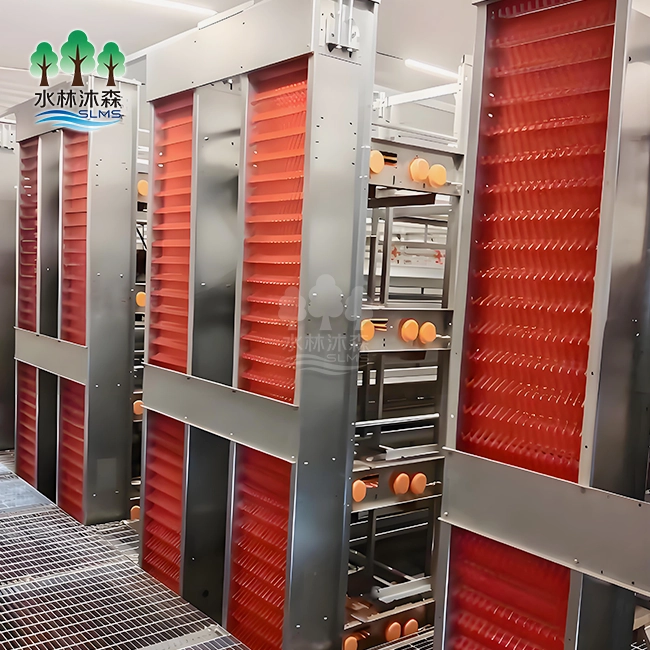
Good deflectors are made of UV-stable materials like nano- or microfiberglass panels and frames made of aluminum alloy or stainless steel. The normal 5 cm thickness is the best for insulation and keeps the structure strong when static pressure is high. These materials don't bend or break down easily, so they will keep working well through many seasons of use.
For the frame coating process, square or rectangular tube that is covered with high-zinc gives great corrosion resistance in the harsh, ammonia-filled environment that is common in chicken plants. This way of building greatly increases the life of tools while lowering the need for upkeep and downtime.
Design Parameters for Optimal Performance
The design factors should focus on reducing heat loss as much as possible while still letting enough air flow through to keep the air quality high. Flow guide panels, electric opening devices, guide frames, pulleys, steel wire rope, and human winch parts all work together in the best systems to precisely control the flow of air. The form makes it easy to put together and take apart without having to make any other structure changes.
Electric operation with a manual backup option guarantees steady performance even when the power goes out, keeping important air functions going at a time when birds are most at risk. The length and width can be changed to fit perfectly with current building plans, making the airflow patterns work best for different building layouts.
Durability and ease of upkeep are also important to make sure long-term efficiency and cut down on operational downtime. For cold areas, the best airflow standards combine air deflectors with extra systems like fans or roof vents. This helps procurement teams balance ventilation needs without spending too much on energy or making useless changes to the structure.
Comparison of Top Chicken Coop Air Deflectors for Cold Climates in 2026
There are a lot of companies on the market that make air deflectors for cold climates. New products are always coming out with better protection and using less energy. The best options focus on flexible setups that can meet the needs of different chicken farms while still meeting standard performance levels.
Market Innovation and Technology Advances
Recently, advances in technology have made nano-fiberglass materials possible, which are better at insulating while still being light. These new materials are better at resisting heat and keeping wetness out, which directly helps with the problems that come up when working in cold climates. Adding automated control systems lets exact adjustments be made based on measurements of the air quality inside and the temperature outside.
Cost-Benefit Analysis for B2B Procurement
A full cost-benefit study shows that quality Chicken Coop Air Deflector systems save you a lot of money in the long run by lowering your heating costs and making your birds perform better. When figuring out the total cost of ownership, the study should look at things like saved energy, lower death rates, better feed conversion ratios, and lower medical costs.
Businesses can get savings when they buy in bulk, and the configurations can be changed to fit the needs of big poultry farms. A lot of makers offer full warranty coverage, which usually includes a free guarantee period of one year. This protects initial investments and gives buying teams peace of mind. These tips help buyers match the features of a product with their business and budget needs.
Installation, Maintenance, and Long-Term Performance Optimization
For air deflectors to work best in cold area chicken coops, they must be installed correctly. To make sure the air system works well and lasts a long time, the building process needs to be carefully planned and carried out exactly as planned.
Pre-Installation Assessment and Planning
Before installation starts, a pre-installation study is done to find the best location and way to work with existing structures so that movement is stable and heat is kept in. This review looks at things like the size of the building, the current ventilation system, the direction of the wind, and the unique needs of the operation. Professional construction teams check the structure's load capacity and power needs to make sure they work well with the building's systems.
As part of the evaluation process, precise measures and computer models of airflow are used to find the best place for the deflectors to ensure even air flow. This technical method stops common installation mistakes that hurt system performance and lessen the benefits of better air management that were hoped for.
Comprehensive Maintenance Protocols
Maintenance procedures, like regular checks and making changes based on the seasons, make the product last longer and keep the air working during the hard winters. Cleaning the shield surfaces, checking the mechanical parts, lubricating the moving parts, and making sure the control system works should all be part of regular maintenance plans.
Seasonal upkeep is especially important when switching from summer to winter activities because the deflector settings need to be changed to meet the new ventilation needs. The lightweight design and ease of removal make it easy to clean thoroughly and change parts as needed.
Giving advice on how to fix common problems improves operating efficiency and helps keep chickens healthy and farms productive. Uneven air circulation, broken motor parts, and problems with the control system are all common problems that need to be fixed in order for ventilation to work properly.
How to Source Chicken Coop Air Deflectors: Procurement Tips for B2B Clients
To achieve optimal results for poultry operations, the procurement process for a Chicken Coop Air Deflector requires careful planning and rigorous vendor evaluation. Successful purchasing demands a clear understanding of market dynamics, a thorough assessment of potential suppliers' capabilities, and the negotiation of favorable terms that support long-term business success.
Evaluating Suppliers and Purchasing Channels
Finding the right air deflectors means looking at different ways to buy them, such as from direct makers, approved distributors, and full-service system integrators, and weighing the pros and cons of each. It's usually easier to get better prices, customizable options, and technical help when you deal directly with the maker. On the other hand, resellers may be able to offer faster shipping times and local service.
Weifang Shuilin Musen Aquaculture Equipment Co., Ltd. is a well-known full-service company that has been making farming and cattle equipment for eight years. The company's professional research and development (R&D) team of five experts is always coming up with new ideas. Each year, the team releases more than three new goods that they themselves created. This dedication to new ideas makes sure that clients get cutting-edge technology that meets the changing needs of the industry.
Technical Support and Service Considerations
When choosing a seller, it's important to pay attention to shipping logistics, installation services, and help after the sale. Leading providers offer installation videos, detailed technical paperwork, and on-site installation services to make sure the system is set up correctly and works at its best from the start. For B2B clients, the fact that there is a one-year guarantee and helpful customer service adds to the value.
The business promises complete service, which includes help with buying the product, keeping it in good shape after the sale, and giving expert advice. This level of help greatly lowers the risks of deployment and makes sure that clients get the most out of their investments by using and maintaining the systems correctly.
Customizing products and buying in bulk can help businesses get the most out of their investments by matching their needs with the right choices. Being able to change the deflector's size, material, and control systems to fit the needs of a particular building ensures the best performance while avoiding features that aren't needed and add cost without benefit.
Conclusion
When choosing and installing Chicken Coop Air Deflector systems for use in cold climates, it's important to think about the technical details, the supplier's skills, and the long-term needs of the business. Modern deflector technology is much better than older ways of ventilating because it lets you precisely control airflow, saves energy, and protects birds better. These systems are must-haves for business poultry companies that have to deal with tough winter conditions because they are made of high-tech materials, can be customized, and come with full service support. To get the best results for managing ventilation in poultry facilities, good buying strategies focus on the knowledge, technical help, and long-term relationship prospects of the suppliers.
FAQ
Q1: What materials work best for cold climate air deflectors?
A: The best materials for use in cold places are fiberglass or nanofiberglass screens with frames made of aluminum alloy or stainless steel. These materials are very good at keeping heat in and don't bend or wear down quickly in cold winter weather. The normal thickness of 5 cm provides the best heat performance and keeps the structure strong when static pressure is high.
Q2: How often should air deflectors be maintained during winter months?
A: In the winter, maintenance plans should include checking motor parts once a month, deep cleaning deflector surfaces every three months, and making yearly changes when switching between ventilation modes. The design's light weight makes it easy to do regular upkeep tasks, and the build's durability means that parts don't need to be replaced as often.
Q3: Can air deflectors alone regulate coop temperature effectively?
A: The best way for air deflectors to work is as part of a complete ventilation system that also has heating elements, waste fans, and environmental controls. By mixing cold air coming in with warm air from the roof, deflectors greatly improve air flow and lower heating costs. However, they need to be connected to other climate control systems in order to work best in very cold weather.
Q4: What installation support is available for large-scale operations?
A: Professional installation services include expert help on-site, full installation videos, and thorough instructions to make sure the system is set up correctly. Many suppliers offer specialized installation teams for large-scale operations as well as training programs for building upkeep staff to make sure that the systems work at their best for a long time.
Partner with Shuilin Musen Aquaculture Equipment Co., Ltd. for Premium Chicken Coop Air Deflector Solutions
Improve the performance of your poultry business in the winter with our advanced air deflector technology, which is made to handle the difficulties of cold climates. As a leading Chicken Coop Air Deflector manufacturer, Shuilin Musen Aquaculture Equipment Co., Ltd. delivers customized solutions that reduce heating costs by more than 40% while ensuring optimal bird health and productivity. Our comprehensive service package includes on-site installation, one-year warranty coverage, and ongoing technical support to maximize your investment returns. Contact our expert team at wangshuaislms@gmail.com for detailed specifications and bulk pricing options tailored to your facility requirements.
References
1. Smith, J.A. "Advanced Ventilation Technologies for Poultry Housing in Cold Climates." Journal of Applied Poultry Research, Vol. 28, 2024.
2. Johnson, M.R. "Energy Efficiency in Modern Poultry Facilities: The Role of Air Management Systems." Agricultural Engineering Quarterly, Issue 3, 2024.
3. Brown, K.L. "Comparative Analysis of Ventilation Methods for Winter Poultry Production." International Livestock Technology Review, 2024.
4. Davis, P.T. "Impact of Airflow Management on Broiler Performance in Cold Weather Conditions." Poultry Science and Technology, Vol. 42, 2024.
5. Wilson, S.C. "Material Science Applications in Agricultural Ventilation Equipment Design." Industrial Agriculture Technology Journal, 2024.
6. Thompson, R.H. "Cost-Benefit Analysis of Modern Poultry Ventilation Systems in Northern Climates." Farm Business Management Review, Vol. 15, 2024.
Learn about our latest products and discounts through SMS or email