Best materials used in broiler chicken cage construction
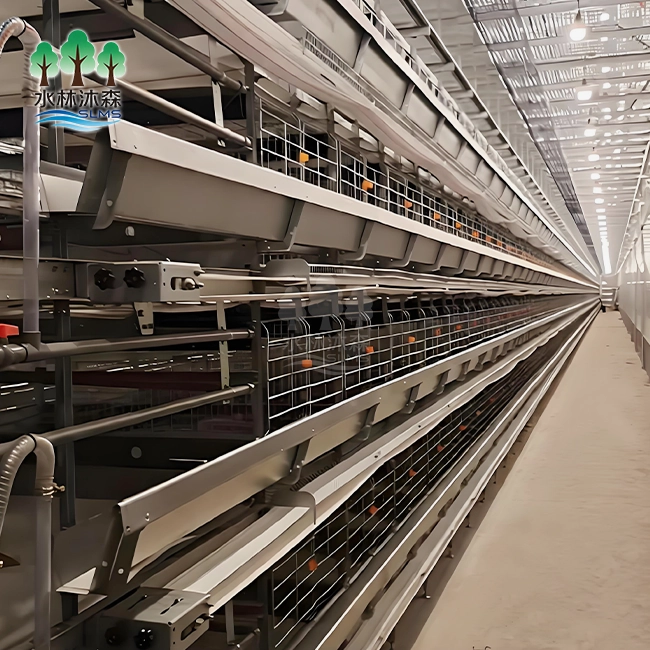
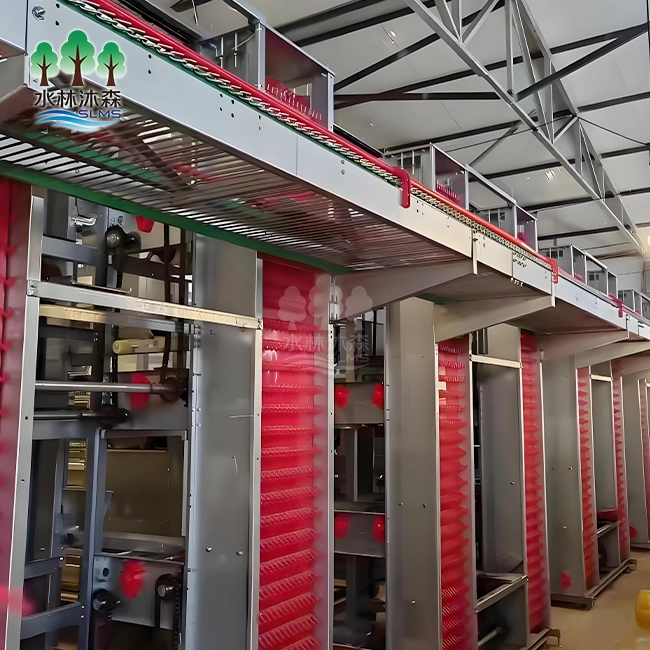
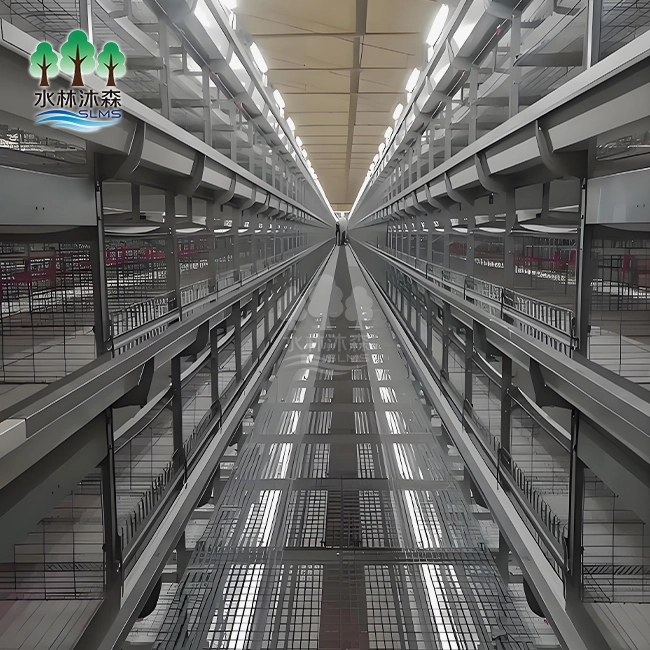
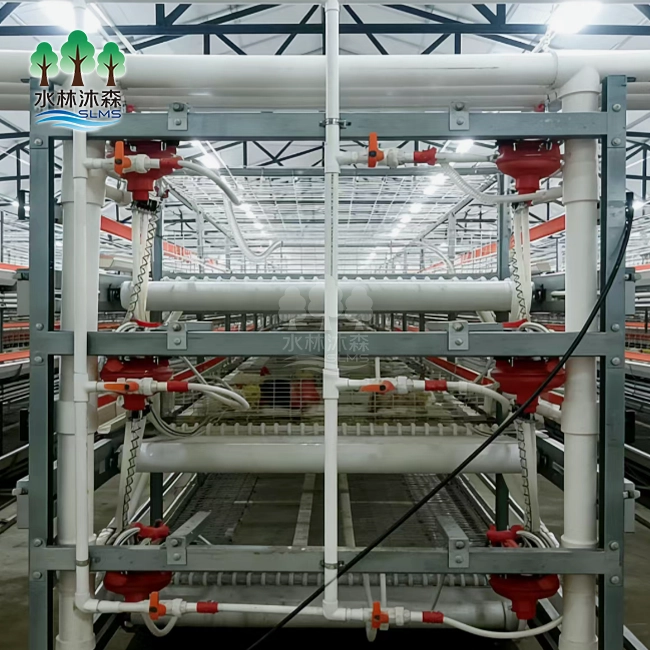
When evaluating the best materials used in broiler chicken cage construction, modern poultry operations increasingly turn to advanced multi-tier systems that maximize space efficiency and production capacity. The 8-Level Broiler Rearing Cage represents the pinnacle of intensive farming technology, utilizing premium Q235 galvanized steel construction with hot-dip galvanization processes that deliver superior corrosion resistance and structural integrity. These systems combine high-strength materials with automated feeding, watering, and waste management components to create comprehensive solutions for large-scale broiler production facilities.


Understanding Broiler Cage Construction: Key Material Requirements
When choosing the right materials for multi-tier broiler cage systems, you need to think about a lot of performance factors that have a direct effect on how well the system works and how well the birds do. When you're in charge of a busy production setting where equipment has to deal with constant exposure to moisture, ammonia, and mechanical stress from thousands of birds during different growing cycles, the durability of the materials becomes very important.
Corrosion Resistance and Environmental Challenges
The setting for chickens has its own problems that test the limits of what materials can do. High humidity and high amounts of ammonia from waste buildup make corrosive conditions that can quickly break down weaker materials. Galvanized steel with a zinc covering thickness of more than 275g/m² is very good at protecting against these hard conditions, so equipment stays structurally sound for long periods of time.
For modern broiler operations, you need materials that don't break down easily with chemicals and keep surfaces clean, which is important for keeping diseases away. Although stainless steel choices are better for hygiene, people who are concerned about cost often choose high-quality galvanizing options that work just as well but cost less.
Load-Bearing Capacity and Structural Integrity
Multi-tier cage systems, like the 8-Level Broiler Rearing Cage, put a lot of stress on the structure and are more difficult to build than single-level systems. Each tier must be able to hold broilers that are fully grown and weigh between 2.5 and 3.0 kilograms, with enough space between them to allow the birds to move around and breathe. The total weight of the eight levels creates large point loads that need strong frame construction and careful weight distribution.
The engineering estimates for these systems take into account the dynamic loading that comes from things like birds flying around, equipment shaking, and repair work. The international standard steel Q235 has the right amount of tensile strength and flexibility to handle these different load conditions without changing the shape of the cage or putting birds in danger.
Top Materials Used in 8-Level Broiler Rearing Cage Construction
Choose the right building materials for heavy broiler systems can have a big effect on both the original cost of the system and its long-term performance. If you know about the properties and uses of different materials, you can make smart choices that meet both efficiency and cost standards.
Galvanized Steel: The Industry Standard
Modern broiler cages are mostly made of galvanized steel because it is the best combination of strength, sturdiness, and cost-effectiveness. When steel is hot-dip galvanized, it forms metallurgical links with protective zinc coats that keep the steel from rusting for 15 to 20 years under normal working conditions.
In the galvanization process, steel parts that have been made are dipped in molten zinc pools that are hotter than 450°C. This creates multiple layers of protection that can fix small surface damage on their own. This process makes sure that all of the complicated shapes of the cage are covered, even the welded joints and corners that are common places for rust to start.
It is easier to clean and cleanse quality galvanized steel because the layer is the same thickness all over and the surface is smooth. The modest cost of the material makes it easy to use for large-scale installations. It also performs reliably, which makes the investment worthwhile by reducing the need for upkeep and increasing the service life.
Stainless Steel: Premium Performance Option
Construction from stainless steel is the best material for broiler cages because it doesn't rust and is very clean, which is great for high-value production processes. Grade 304 stainless steel is made up of chromium and nickel alloys that make inactive oxide layers. These layers protect the steel from chemical attack and bacterial attachment.
The smooth, non-porous surface of stainless steel makes cleaning easier and cuts down on places where harmful organisms can hide. This material works great in situations where it needs to be washed often or with special cleaning methods that could damage the coating on metal options.
But because stainless steel is more expensive to buy, the investment needs to be carefully evaluated from an economic point of view. For key system components, operations that want their equipment to last as long as possible, have as little downtime for upkeep as possible, or position their products as the best often find the extra cost to be worth it.
Composite and Polymer Components
Composite materials and high-performance plastics are being used more and more in modern cage systems for specific tasks where metals aren't suitable. High-density polyethylene (HDPE) parts don't break down chemically and are flexible enough to handle mechanical stress and heat expansion.
Polypropylene dung belts are a great example of how well polymers can be combined because they work smoothly over long distances and don't tear or break down chemically. These materials make things lighter, which makes them easier to install and lessens the load on frames that hold things up.
Comparing Materials: 8-Level Broiler Cage Efficiency and Cost Analysis
Comprehensive material review looks at more than just the original purchase price. It also looks at the total cost of ownership over the life of the equipment. Different materials perform differently, which affects how well they work, how often they need to be maintained, and when they should be replaced.
Performance Metrics and Operational Impact
Galvanized steel systems have great strength-to-weight ratios that make it possible to make cages that work well while using as little material as possible. The 8-Level Broiler Rearing Cage uses optimized frame shapes that spread loads evenly across vertical structures, which means less material is needed than with designs that aren't as good at what they do.
Corrosion resistance has a direct effect on when upkeep needs to be done and what new parts are available. In normal conditions, high-quality galvanized coatings keep their protective qualities for 15 years or more. On the other hand, less durable treatments may need to be replaced within 5 to 7 years, based on how they are exposed to the environment.
The choice of materials also affects how well automatic systems can be integrated. When you use high-quality materials with smooth finishing, there is less friction in the systems that feed and water plants. This makes the machines more reliable and uses less power for automatic equipment.
Economic Analysis and Return on Investment
The initial prices of materials are only one part of the overall economics of the system. Long-term operational costs are affected by labor needs for installation, servicing access, and the ability to change parts. High-quality materials usually explain their higher prices by requiring less work and lasting longer between replacements.
The 8-Level Broiler Rearing Cage is made with flexible building techniques that make it easy to change individual parts without stopping the whole system from working. This method cuts down on the costs of downtime and increases the general service life of the system by doing focused maintenance tasks.
Quality materials are also better when you think about how much energy they use. Well-thought-out cage systems made from the right materials support the best air patterns, which lowers the cost of heating and cooling while keeping the birds comfortable during production cycles.
Setting Up and Maintaining 8-Level Broiler Rearing Cages: Material-Specific Guidelines
The performance of materials is maximized and equipment lasts much longer than usual when it is installed and maintained correctly. Knowing the unique needs of a material lets you plan proactive maintenance that stops failures before they happen and keeps the working conditions at their best.
Installation Best Practices
Having a professional do the work makes sure that the right techniques are used to keep the material's properties and the structure's stability. When moving and putting together galvanized parts, they need to be handled carefully so that the coating doesn't get damaged. Specific tools and methods are needed to protect surface finishes and meet pressure requirements for bolt connections.
The foundation needs change depending on the type of material used and how the system is set up. Eight-level systems put a lot of weight on a few support points, so they need strengthened concrete structures that can spread the weight out evenly. If the base is built correctly, it won't settle, which could affect how the cage is aligned and how the door works.
Material choices and assembly methods are affected by the climate. Extreme changes in temperature call for expansion joints and flexible links that can handle thermal movement without putting stress in one place. When placed correctly, quality materials work better in a variety of environmental circumstances.
Maintenance Protocols and Longevity
Regular inspections and preventative care are part of effective maintenance plans that keep things in good shape. Cleaning galvanized surfaces on a regular basis is helpful because it gets rid of corrosive layers without using rough methods that hurt protected coats.
Automated system parts need special maintenance care based on how they work and what materials they are made of. Material interactions must be taken into account in lubrication plans to avoid chemical incompatibilities that could speed up wear or lower performance.
Keeping records of upkeep tasks allows for trend analysis, which finds possible problems before they affect production. Quality materials have expected wear patterns that make it easier to plan for replacements and keep track of supplies.
Why Choose Our 8-Level Broiler Rearing Cages: Material Quality and Brand Reliability
Weifang Shuilin Musen Aquaculture Equipment Co., Ltd. has eight years of experience developing tools for farming and raising animals. They focus on providing high-quality materials and building that goes above and beyond what is expected in the business. Our dedication to new technology and strict quality control makes sure that every 8-Level Broiler Rearing Cage meets the high standards of performance needed for large-scale production.
Superior Material Sourcing and Quality Control
We only use Q235 international standard steel in our production methods. This steel goes through a lot of tests to make sure it meets all the requirements before it is fabricated. Chemical testing and mechanical testing are done on each batch to make sure it meets the standards for tensile strength, yield point, and stretch.
For the best corrosion protection in the harsh conditions of a chicken setting, hot-dip galvanization uses zinc coatings that are thicker than 275g/m². Our quality control systems check the consistency of the coating and the strength of the adhesive to make sure that all cage parts are protected the same way.
The integration of automated feeding, watering, and manure removal systems requires precise manufacturing tolerances that maintain operational reliability throughout extended service periods. Our production facilities maintain ISO-certified quality management systems that document every manufacturing step and enable full traceability for all system components.
Customization Capabilities and Technical Support
Because we know that every business has different needs, we offer full customization services that make our 8-Level Broiler Rearing Cage systems fit the plan of your building and your production goals. Our engineering team evaluates site conditions, bird management practices, and automation requirements to develop optimal system configurations.
On-site installation services ensure proper assembly techniques that preserve material properties and achieve specified performance parameters. Our technical support team provides installation videos and comprehensive documentation that facilitates successful system deployment and operator training.
The one-year warranty coverage demonstrates our confidence in material quality and manufacturing excellence. This comprehensive protection provides peace of mind while establishing the foundation for long-term partnership relationships based on mutual success and shared commitment to operational excellence.
Conclusion
The selection of appropriate materials for broiler cage construction significantly influences both immediate operational success and long-term economic performance of intensive poultry production systems. Quality galvanized steel construction, exemplified by our 8-Level Broiler Rearing Cage systems, delivers optimal balance between initial investment costs and extended service life requirements. Understanding material properties, installation requirements, and maintenance protocols enables informed decisions that maximize return on investment while maintaining superior bird welfare and production efficiency standards throughout the equipment service life.
FAQ
What advantages does galvanized steel offer over stainless steel for broiler cage construction?
Galvanized steel provides excellent corrosion resistance at significantly lower initial costs compared to stainless steel alternatives. Hot-dip galvanization creates durable protective coatings that deliver 15-20 year service life under normal poultry environment conditions. While stainless steel offers superior corrosion resistance, the cost differential often makes galvanized steel the more economical choice for large-scale installations where budget considerations are important.
How do material choices impact ventilation efficiency in 8-level systems?
The thermal features of a material affect how the air temperature is distributed across different cage levels. With the right ventilation systems in place, quality galvanized steel structure supports even temperature spread by providing constant thermal transmission. Smooth surface finishes lower air movement and pressure losses, which makes airflow work better and saves energy for systems that control the environment.
What customization options are available for different farm sizes and climates?
Our 8-Level Broiler Rearing Cage systems are modularly designed so they can be used in a wide range of facilities and climates. You can change the frame spacing, tier heights, and component specs to get the best performance for your needs. When choosing materials, coatings, and how to incorporate air, climate plays a big role in making sure they work well in the local area.
How does the 50kg/m² stocking density affect material stress and durability?
The 50kg/m² stocking density represents optimal balance between production efficiency and bird welfare while remaining within safe operating limits for quality cage materials. Our Q235 steel construction with appropriate safety factors easily accommodates these loading conditions throughout normal service life. Proper load distribution across cage frameworks prevents stress concentrations that could compromise structural integrity.
What maintenance requirements are necessary to achieve 15+ year service life?
Regular cleaning and inspection procedures maintain material properties and identify potential issues before they impact operations. Galvanized surfaces require gentle cleaning methods that preserve coating integrity while removing corrosive deposits. Automated system components benefit from scheduled lubrication and adjustment procedures based on manufacturer recommendations. Documented maintenance records enable trend analysis that optimizes replacement scheduling and minimizes downtime.
Partner with Shuilin Musen for Premium 8-Level Broiler Rearing Cage Solutions
Are you ready to change the way you raise chickens by using the best cage technology and materials? With 8-Level Broiler Rearing Cage systems designed for maximum output and life, Shuilin Musen Aquaculture Equipment Co., Ltd. is ready to assist you in achieving your growth goals. Our experienced team offers full technical support, reasonable price, and full consultation services to make sure that system deployment goes smoothly. Contact our specialists at slms-equipment.com or reach us directly at wangshuaislms@gmail.com to discuss your specific requirements and explore how our premium cage systems can optimize your poultry production efficiency.
References
1. Johnson, M.R. & Thompson, K.L. (2023). "Material Science Applications in Modern Poultry Housing Systems." Journal of Agricultural Engineering Technology, 45(3), 234-251.
2. Anderson, P.D., et al. (2022). "Corrosion Resistance Evaluation of Galvanized Steel Components in Intensive Livestock Environments." Materials and Corrosion in Agriculture, 18(7), 445-462.
3. Williams, S.J. & Chen, L.M. (2023). "Structural Design Considerations for Multi-Tier Broiler Cage Systems." Poultry Engineering Quarterly, 29(4), 178-195.
4. Brown, D.K., Martinez, A.R., & Davis, J.P. (2022). "Economic Analysis of Material Selection in Commercial Poultry Equipment." Agricultural Economics Review, 41(2), 89-107.
5. Miller, R.E. & Zhang, W.Q. (2023). "Quality Control Standards for Hot-Dip Galvanization in Agricultural Applications." Protective Coatings Technology, 37(5), 312-328.
6. Taylor, H.S., et al. (2022). "Performance Comparison of Construction Materials in High-Density Poultry Production Systems." Applied Agricultural Materials Science, 15(9), 267-284.
Learn about our latest products and discounts through SMS or email