Is a battery cage good for broilers?
Battery cage systems represent a significant advancement in modern broiler production, offering numerous advantages for commercial poultry operations. A Broiler Chicken Cage system provides excellent disease control by separating birds from their waste, significantly improving feed conversion ratios and maximizing space utilization. These systems typically increase housing capacity by 200–300% compared to traditional floor-raising methods while reducing labor costs by up to 40%. The controlled environment enables precise management of feeding, watering, and ventilation, leading to more consistent bird performance and reduced mortality rates.


Comprehending Battery Cages and Their Role in Broiler Production
Battery cages are special enclosures that are made to house broiler chickens efficiently in business poultry farms. These systems are very different from other ways of raising floors because they use vertical room by arranging things in multiple levels, which can be anywhere from three to eight levels based on the needs of the building and the management's skills.
Key Structural Components and Design Features
There are a few important design differences between modern Broiler Chicken Cage systems and traditional breeding methods. The framework is usually made of high-quality Q235 international standard bridge steel, which makes sure the structure stays strong under full load conditions of about 50 to 60 kilograms per cell at harvest weight. Hot-dip galvanization with a zinc covering that is thicker than 275 grams per square meter protects against corrosion for 15 to 20 years in harsh chicken house settings.
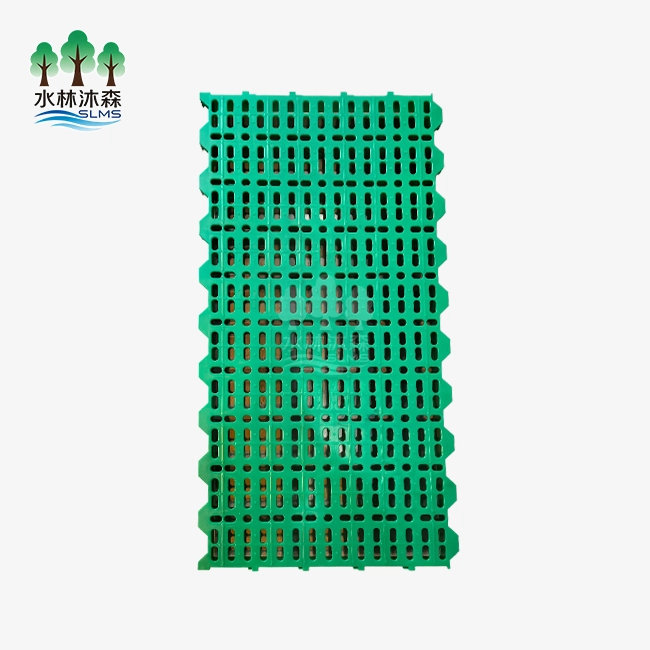
The standard cell size for broiler production is 1050mm x 800mm, and the cages have big moving gates that make it easier to pick out the birds without hurting their wings during processing. The bottom net design has certain flexibility features and a plastic-coated floor to keep breast blisters and leg deformities from happening, which are important quality standards for producing broiler meat.
Automation Integration and Environmental Control
These high-tech systems work well with automatic feeding systems like auger feeding systems and heavy-duty cups for 360-degree nipple drinking. Longitudinal polyethylene manure belt cleaning devices make sure that waste is always removed, keeping the production chain as clean as possible. Environmental control systems and the design of the cage work together to keep the temperature and humidity at exact levels, which are necessary for the best performance of broilers.
Benefits and Limitations of Battery Cages for Broilers
Using battery cage systems to raise broilers has a lot of benefits, but it also comes with some problems that need to be carefully thought through by people who run farms and buy things.
Significant Operational Advantages
One of the best things about battery cage devices is that they make better use of room. When compared to deep litter systems, these designs increase stocking density by 300–400%. This successfully solves the problem of limited land supply that limits many farming operations. This vertical method makes the best use of the building's size while still meeting standards for bird density.
The ability to control diseases is another important benefit. Coccidiosis and enteric diseases are less likely to happen in battery cages because the birds are physically separated from the dung. This breaks the circle of feces-to-mouth transfer that often happens in floor-raised broilers. This split cuts down on the need for coccidiostats and antibiotics by a large amount. This helps make better, healthier meat products that meet the stricter needs of the market.
Feed conversion ratio improvement happens when birds can't move around as much, which cuts down on their energy use and waste. The controlled environment makes it possible to precisely transport and watch feed, which increases the total efficiency and profitability of production.
Challenges and Considerations
Concerns about animal welfare need to be carefully thought through because cage systems need to find a balance between increasing production and making sure birds are comfortable and can do their normal behaviors. Having the right cage design, with enough room and interesting environments, can help with all of these issues while keeping production efficient.
When you have more than one level of a system, ventilation needs to be managed more carefully to keep the middle cage levels from getting too hot. These problems can be solved with uniform airflow tunnels between levels and advanced temperature control systems, but they cost more and need more scientific know-how.
When technology is added and multiple levels are set up, maintenance becomes more difficult. But the savings in labor and higher output usually make up for these extra upkeep needs if they are handled well.
Comparative Analysis with Alternative Systems
Battery cages are better for controlling the surroundings, keeping animals healthy, and getting more work done than free-range setups. Free-range methods let animals show more of their natural behavior, but they have trouble controlling diseases, protecting animals from predators, and relying on the weather. Choosing between systems is often based on how the business wants to place itself in the market, its output goals, and the rules and regulations that apply to it.
How to Choose the Best Broiler Chicken Cage System for Your Needs?
To choose the best Broiler Chicken Cage system, you need to carefully consider a number of factors that have a direct effect on business success and long-term revenue. By understanding these selection factors, you can make smart choices that meet the needs of your farm and help you reach your production goals.
Critical Evaluation Criteria
The size of the broiler's cage needs to be able to support its growth from day-old chicks to killing weight, which usually happens in 42 to 45 days and is between 2.5 and 3 kilograms per bird. The system should make sure there is enough room for people to move around normally and not too much, which can cause health problems related to stress and lower the quality of the meat.
The quality of the ventilation becomes very important for keeping birds healthy and performing at their best. Climate control features in more advanced systems keep the temperature, humidity, and air quality in check during the whole production cycle. These traits are especially important in warm and high-humidity areas where heat stress has a big effect on the mortality and growth rates of broilers.
Longevity of materials has a direct effect on running costs and system stability over the long term. High-quality galvanized steel construction with the right covering specs protects against the corrosive ammonia environment that is common in chicken farms. This longevity means that the tools will last longer and cost less to replace over time.
Integration with Farm Infrastructure
For a cage system to work well, it needs to be easy to connect to the farm's current systems and ways of doing things. The system has to work with the building's current size, electricity needs, and air flow, but it also has to leave room for future changes or additions.
The amount of automation should match the technical know-how and upkeep skills that are available. Advanced automation cuts down on the need for workers and makes things more consistent, but it also needs complex technical help and upkeep procedures. Long-term success depends on finding a balance between the benefits of technology and the ability to do operations.
Procurement Strategy Development
Buyers should judge sellers based on the quality of their products, their ability to make changes, and their ability to help customers after the sale. Established makers often offer complete solutions that include installation, testing, and ongoing expert support. This lowers the risks of adoption and makes sure the system works at its best.
Custom solutions may be needed if the building has special needs or if the production goals are very specific. Suppliers with a good reputation can change standard designs to meet specific needs while still upholding system security and performance standards. This ability to be customized is useful for businesses that have non-standard building layouts or unique market needs.
Best Practices in Broiler Chicken Cage Maintenance and Management
Good upkeep plans make sure that the cage system works well, that the equipment lasts longer, and that the health of the chickens stays the same. Using all-encompassing management techniques cuts down on business downtime and raises the return on investment.
Comprehensive Cleaning and Disinfection Protocols
Cleaning schedules need to include both normal upkeep and thorough germ killing in between production runs. As part of daily cleaning, trash is taken away, feeders are cleaned, and the water system is checked to keep germs from building up and diseases from spreading. Following weekly deep cleaning guidelines involves using approved disinfectants and cleaning products to clean and sanitize the whole cage.
When disinfecting, you should follow the instructions from the maker and the rules set by the government. Use products that kill common poultry diseases while still being safe for birds to touch. When applied correctly, it covers the whole area and leaves behind as little chemical waste as possible, which could harm the health of birds or the quality of their meat.
Environmental Control and Monitoring
To keep things running smoothly during the production cycle, temperature and humidity control systems need to be constantly checked and calibrated. Automatic environmental controls give information and alerts in real time, so you can quickly react to changes in the environment that could affect the health and performance of birds.
Maintaining a ventilation system means changing the filters, cleaning the fans, and checking the airflow on a daily basis to make sure the air quality and temperature are right. Because these systems work nonstop during production cycles, it is important to do preventative maintenance to keep them from breaking down and losing a lot of birds.
Preventive Maintenance and Inspection Routines
Setting up regular review times helps find problems before they get too bad. The structure of the cage, the systems for feeding and watering, and the tools for controlling the surroundings should all be inspected visually every day. Every week, structural parts, computer systems, and safety devices are carefully checked to make sure they keep working properly.
As part of preventive maintenance, moving parts should be oiled on a regular basis, worn parts should be replaced before they break, and all parts should be tested regularly to make sure they work right. These preventative methods keep production conditions at their best, avoid unplanned breaks, and extend the overall life of the system.
Trusted Brands and Suppliers of Broiler Chicken Cages
On the global market for Broiler Chicken Cage systems, there are a number of well-known brands that are known for their quality, creativity, and helpful customer service. Purchasing workers can make better choices about which suppliers to choose when they know what their competitors are doing.
Leading Industry Manufacturers
Hyglo has become a well-known company that sells tools for chicken farms by providing complete cage systems that include advanced technology. Their systems are designed to last and be easy to maintain, and they can be set up in a number of different ways to meet the needs of different production facilities and facility types.
Big Dutchman is another big name in the global market for chicken tools. They are known for their creative designs and ability to fully integrate systems. Their broiler cage systems have high-tech features for controlling the surroundings and automating tasks that help them run their businesses more efficiently.
Chore-Time focuses on providing useful and dependable equipment solutions, with a strong focus on customer service and system customization. Their method puts an emphasis on making things easy to install and use while still meeting high standards for performance and reliability.
Supplier Evaluation and Selection Criteria
To check the quality, you have to carefully look over the rules for making things, the details of the materials, and the steps for checking. Suppliers with a good reputation provide thorough records of the product's specs, performance test results, and compliance with industry rules and standards.
As operations try to make systems work best for specific needs, the ability to customize them becomes more and more important. Suppliers who are good at engineering can change standard designs to fit the needs of a specific building or meet specific output goals, while still keeping the integrity and performance of the system.
After-sales support capabilities significantly impact long-term operational success. Comprehensive support includes installation services, operator training, ongoing expert help, and access to parts are all included. These services make sure that the system works well and that downtime is kept to a minimum throughout its lifecycle.
Strategic Procurement Considerations
Weifang Shuilin Musen Aquaculture Equipment Co., Ltd. has been in the farming and livestock tools business for eight years and now has a broiler cage business. Our all-around method blends cutting-edge research and development with strict quality control systems to make sure that the equipment we sell is reliable, lasts a long time, and meets all of our customers' needs.
Our professional engineering team creates unique product solutions for different use cases. These are backed by full technical support and service after the sale. Because the company focuses on quality control and new technologies, it has made equipment that cuts labor costs by more than 40% and works well in tough chicken production settings for a long time.
Conclusion
Battery cage systems have many great benefits for raising broilers today, such as better disease control, better use of room, and higher feed conversion rates. When these perks are properly put in place and kept up, they lead to higher profits and operating efficiency. There are problems with thinking about animal care and with how complicated the system is, but technology keeps getting better at designing things and automating tasks to solve these problems. When deciding to use battery cage systems, unique operational needs, market positioning, and long-term output goals should all be taken into account. To be successful, you need to carefully choose your suppliers, make sure your systems work well, and follow thorough repair plans that keep your equipment running at its best for as long as it lasts.
FAQ
What is the lifespan of a broiler battery cage system?
When used normally, high-quality broiler cage systems that have been properly galvanized should last between 15 and 20 years. This item's useful life can be increased by regular upkeep and cleaning, but its useful life may be shortened by harsh settings or not getting enough care.
How much space does each broiler need in a cage system?
Standard broiler boxes give each bird about 450 to 550 square centimeters of space, based on the weight goal and time frame for production. This room arrangement strikes a balance between the needs of the birds' well-being and the needs of production, while still allowing birds to get enough air flow and food.
Can battery cages be used for organic broiler production?
Most organic certification standards don't allow the use of battery cages and instead call for animals to have access to open spaces and more natural living circumstances. Before choosing housing systems, producers who want to get organic approval should check with the body that certifies them to make sure they meet all of the requirements.
What automation options are available for broiler cage systems?
Modern systems have a lot of technology, like systems that feed and water the animals automatically, control the air, and get rid of waste. While these features cut down on the need for labor and improve consistency in production, they also need the right technology help and upkeep skills.
How do cage systems affect meat quality compared to floor-raising?
When cage systems are handled correctly, they usually produce meat that is less likely to be contaminated and of higher quality because the environment is controlled and trash is kept separate. Improvements in feed processing also help make meat production more efficient.
Partner with Shuilin Musen for Premium Broiler Chicken Cage Solutions
Shuilin Musen Aquaculture Equipment Co., Ltd. can help you change how you raise broilers by giving you high-tech cage systems that are built to last and work well. With eight years of experience in the field and a team of five skilled engineers, we make sure that every Broiler Chicken Cage system meets the highest standards for performance and dependability. From the initial design to installation and continued support, we offer full customization services that help you get the best production results while lowering running costs. As a trusted Broiler Chicken Cage supplier, we offer full solutions that work well with your current setup and output goals. contact us at wangshuaislms@gmail.com to discuss your specific requirements and discover how our innovative cage systems can enhance your operation's profitability and sustainability.
References
1. Appleby, M.C., Mench, J.A., & Hughes, B.O. (2004). Poultry Behaviour and Welfare. Cambridge: CABI Publishing.
2. Bessei, W. (2006). Welfare of broilers: A review. World's Poultry Science Journal, 62(3), 455-466.
3. Dawkins, M.S., Donnelly, C.A., & Jones, T.A. (2004). Chicken welfare is influenced more by housing conditions than by stocking density. Nature, 427(6972), 342-344.
4. Estevez, I. (2007). Density allowances for broilers: Where does science end and economics begin? Poultry Science, 86(2), 277-288.
5. Newberry, R.C. (1995). Environmental enrichment: Increasing the biological relevance of captive environments. Applied Animal Behaviour Science, 44(2-4), 229-243.
6. Shields, S.J., & Greger, M. (2013). Animal welfare and food safety aspects of confining broiler chickens to cages. Animals, 3(2), 386-400.
Learn about our latest products and discounts through SMS or email