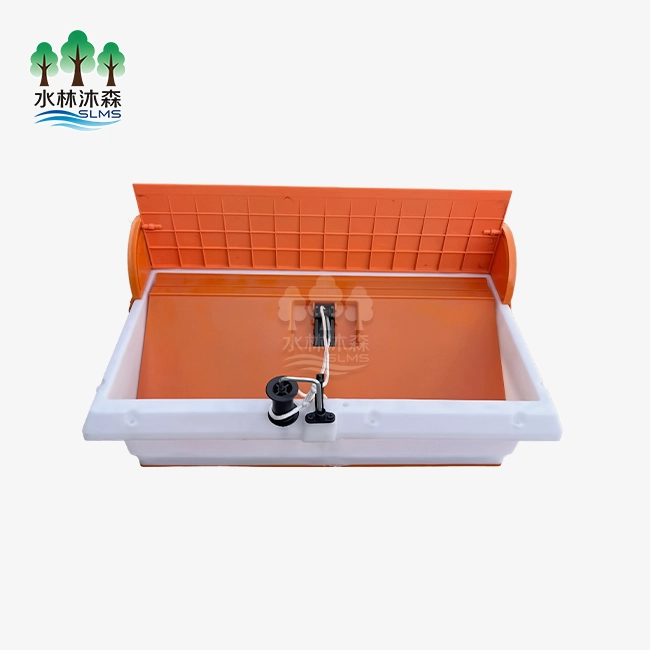
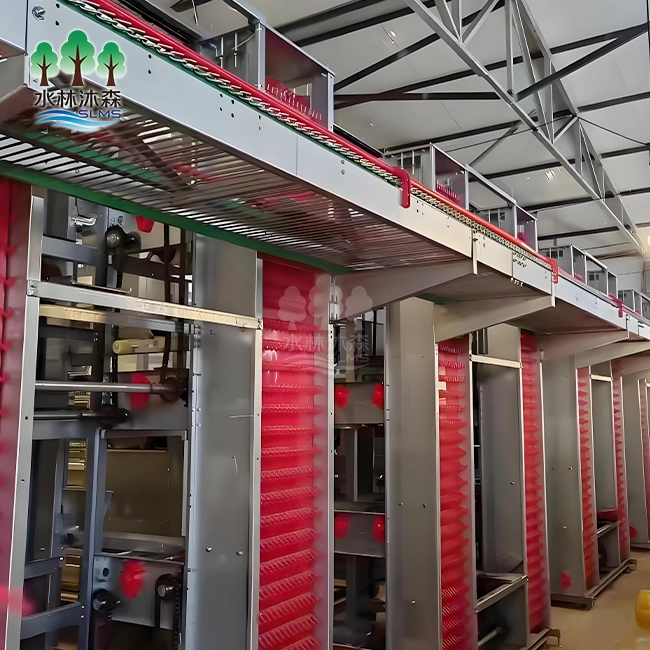
Affordable poultry feeding pans with high capacity
When big chicken farms are looking for cheap ways to feed their birds, buying cheap Poultry House Feeding Pans with a lot of space is a smart move. A well-designed Poultry House Feeding Pan not only moves feed quickly between broiler, layer, and breeding processes, but it also has a direct effect on your Feed Conversion Ratio by reducing contamination and spills. Modern high-capacity pan systems use precise engineering and long-lasting materials like plastic or polyethylene to hold thousands of birds while cutting down on trash and labor costs. These feeding systems work well with automated settings and meet the growing need for reliable, scalable tools in industrial poultry farms.
Understanding Poultry Feeding Pans and Their Importance
Poultry House Feeding Pans are no longer just simple containers. They have become complex feeding platforms that solve important practical problems. In dense farming situations, consistency is important. Unevenly distributing feed causes flocks to be less regular, which leads to aggressive pecking behavior and, in the end, lower profits. High-capacity feeding pans solve these problems by making sure that all the birds can get enough food without having to compete or lose food.
The Core Function of Feeding Pans in Modern Operations
Pan-style feeders are the last link between automatic auger lines and your flock in feed delivery systems. These pans control the flow of food, keep litter or droppings from getting on food, and can fit birds at different stages of growth. Good pans have protection grilles that keep food from spilling when they are scratched. This feature directly lowers farming costs by keeping expensive feed fresh.
Feed waste is a big expense for businesses that take care of 10,000 to 100,000 birds. Studies show that poorly built feeding tools can cause 8–12% of feed to be lost, which adds up to big costs every year. This problem can be solved by using large pans that can be adjusted in height and have multiple compartments so that they can fit different bird sizes and densities throughout the production cycle.
Addressing Industry Pain Points
Commercial chicken farmers always have to deal with problems like environmental factors that could contaminate the feed, making the best use of room in current buildings, and the constant push to get more efficient without spending a lot of money on new equipment. Good food pans made from materials that are resistant to acids and bases can handle being cleaned with chlorine dioxide and quaternary ammonium compounds. This longevity makes sure that cleanliness standards are the same across flock rotations, which lowers the risk of disease spreading that can destroy whole operations.
Modern pan systems are made up of separate parts that can be easily taken apart and put back together again. They have tray stairs, central feed lines, and bases that can be removed. This makes them easy to use in both old and new chicken coops. This adaptability is very helpful for companies that sell and build farms and have clients with different needs in broiler, layer, and turkey operations.


Key Criteria for Choosing Affordable, High-Capacity Poultry Feeding Pans
Instead of focusing on price, procurement choices need to be made after a thorough analysis. If you choose the wrong Poultry House Feeding Pan, it will affect your business for years to come through higher upkeep costs, early replacement needs, and ongoing costs of waste.
Material Composition and Durability Factors
High-end food pans are made of pure polypropylene or high-density polyethylene that has UV stabilizers and anti-aging additives added to it. This choice of material makes sure that it is flexible without being rigid, which is especially important in places with a lot of ammonia, where cheap plastics break and crack. When looking at different sources, make sure the materials they offer are certified and ask if they can withstand environmental stress cracking, which is a typical way things break in chicken coops.
Capacity and bird access are directly affected by how the compartments are set up. An 8-compartment plan works well for smaller coops or food areas with between 3,000 and 5,000 birds. 14-compartment systems that combine capacity with room efficiency are good for medium-sized businesses with 8,000 to 12,000 birds. For maximum throughput and best bird-to-feeder ratios, large industrial farms with more than 15,000 birds need 16-compartment setups.
Evaluating Design Features for Your Operation
In addition to reducing trash, the protective screen has other uses. The spoke count and spacing show if birds can step inside pans, which can make them dirty and make them refuse to eat. Good designs have 8–12 spokes that are placed so that the beak can get in but not the foot. Adjustable feed level systems have 5 to 7 gear sets, which allow exact volume control as birds grow from day-old chicks to market weight.
Think about whether your business needs the ability to flood feed chicks during the starting phase. Newer pan designs have overflow holes that let the whole pan fill up when put close to the floor. This gives newly placed chicks access to food from all sides. In the early stages of growth, this gets rid of the need for extra paper feeding and the work costs that come with it.
Price-Performance Balance in B2B Procurement
Getting cheap tools doesn't mean giving up on important features. Instead of just looking at the buying price, figure out the total cost of ownership. A 20% cheaper pan that needs to be replaced after three years costs a lot more than properly designed equipment that lasts seven years or more with little upkeep. Reputable makers offer clear guarantee terms, help with installation, and easy access to new parts, all of which protect your investment over time.
Top Affordable High-Capacity Poultry Feeding Pans in 2026
There are a lot of choices on the market, but you can tell the difference between marketing claims and real-world performance by looking at real-world application data and the manufacturer's skills regarding the Poultry House Feeding Pan.
Leading Specifications and Configurations
The largest pans on the market today have widths between 330mm and 360mm, which are normal for 45mm to 48mm feed pipe systems used in North American operations. The best designs have flexible or swing-down bottoms that let you wash them under high pressure without taking them all apart. This makes the time between groups much shorter.
Specifications for materials are very important. Pans made from 100% raw copolymer polypropylene are more resistant to impact. They kept their shape when they were dropped from 1.5 meters, which is a realistic way to handle them during installation and upkeep. Temperature range of -20°C to 60°C provides steady performance throughout the year and in a variety of climate zones.
Performance Data from Commercial Applications
A broiler farm in the Midwest that had 45,000 birds per house said that moving to high-capacity divided pan systems saved them 7.3% on feed. The protective grille design kept food from spilling, and the changeable height sets made it easier to feed the plants during their 42-day growth cycle. This business thought that the tools they bought would pay for itself in 14 months just by saving money on feed. They didn't take into account the fact that they would have to do less work and their flock would be more regular.
Equipment dealers who work with many farms say that flexible food options make customers happier and reduce the number of service calls they need to make. When makers offer 8, 14, and 16-compartment layouts along with different types of materials, dealers can perfectly match equipment to the needs of each business instead of having to make compromises that don't work for everyone.
Real-World ROI Improvements
When operations use high-capacity pans that are properly specified, they usually see gains that go beyond direct feed saves. Better feed spread leads to more regular flocks, which lowers the number of birds that are underweight when they are processed. This means that there will be fewer downgrades and better contract agreements in systems that use linked production. Also, less feed getting into the litter lowers the production of ammonia, which cleans the air and lowers lung problems that slow growth and death rates.
How to Use and Maintain Poultry Feeding Pans for Maximum Efficiency
When put or kept incorrectly, even the best equipment doesn't work as well as it should. To get the most out of your investment in the Poultry House Feeding Pan, you need to pay attention to placement, how to make adjustments, and when to do preventative maintenance.
Installation Best Practices for Optimal Performance
The pan height in relation to the bird's back position has a big effect on how it eats and how much waste it makes. Industry standards say that pans should be placed so that the feed area is just above the back height of the bird. This usually needs to be changed every 7–10 days during times of rapid growth. Automated winch systems make this process easier, but human systems need written plans for adjustments to make sure that each part of the house is adjusted the same way.
Bird number estimates determine how far apart the pans should be. Broiler farms usually put 45 to 55 birds in a normal pan, while bigger breeds need 40 to 45 birds per unit to keep feed access open and avoid competition. When these ratios are exceeded, aggressive behavior, higher cull rates, and less regularity in the group happen, which cancels out any cost saves from buying less equipment.
Cleaning Protocols and Maintenance Schedules
Good sanitation between groups stops diseases from spreading and makes tools last longer. Good pan systems have a base that can be taken off and cleaned. This lets you clean the center cone and feed tube, which are where leftover feed builds up. High-pressure washing at 1500 to 2000 PSI gets rid of organic matter well, and the chemical strength of the pan lets you use the right sanitizer without damaging the material.
When you clean out, check the snap-lock systems and hinge points because these are the places that get the most use and show wear the fastest. It is much cheaper to change individual parts than to replace pans in an emergency during production processes. Manufacturers who make spare parts easy to find and clearly explain how to change them help keep operations running smoothly and reduce downtime.
Adjusting Systems Throughout Production Cycles
When going from the starter phase to the growth phase to the finishing phase, the pan height and feed level settings need to be changed in a planned way. Write down the starting points for each phase and type of bird to make processes that are the same for all groups and less variable. This organized method lets you compare performances accurately and finds times when changing the tools, not the food, is what's needed to fix feeding problems.
Procuring Poultry Feeding Pans: Wholesale and Custom Solutions for B2B Clients
Strategic procurement of the Poultry House Feeding Pan is more than just finding good items. It also includes building ties with trusted suppliers and making the best use of transportation for buying things.
Evaluating Supplier Capabilities and Reliability
When buying from a manufacturer in another country, make sure you check their qualifications, such as their production capacity, quality control systems, and expert support infrastructure. The Qingzhou City, Shandong Province-based Shuilin Musen Aquaculture Equipment Co., Ltd. is a great example of a full-service seller. It has a well-established R&D team of five professional engineers who release three or more goods each year that they come up with on their own. This ability to innovate makes sure that people can get tools that is always getting better instead of static goods.
Documented quality control processes in manufacturing facilities, such as testing the density of raw materials, evaluating drop impacts, and testing equipment in UV aging chambers, give customers confidence that the equipment they buy will work as promised. Instead of taking general quality claims, ask for specific test data, especially about the material's composition and its ability to withstand environmental conditions.
Bulk Ordering Advantages and Logistics Considerations
In addition to lower prices per unit, buying in bulk has big cost benefits. Combined shipping lowers the cost of freight per pan, and single-source procurement makes it easier to keep track of inventory and makes sure that upkeep methods are the same at all of your sites. Standardizing tools cuts down on training needs and makes sure there are enough spare parts that can be used in different places when operations grow or when handling multiple sites.
Reliable suppliers give clear wait time estimates and shipping tracking, which are very important when planning when to send tools and when to do planned building upgrades or construction. Optimizing container loads makes transportation more efficient. Knowing how pan configurations nest for shipping helps figure out the best order numbers that waste the least amount of freight.
Custom Manufacturing for Specialized Applications
Most operations can be done well with standard setups, but sometimes unique facility limits or specialized production systems need custom solutions. Manufacturers who offer customization services can change the number of compartments, the specs of the materials, or the mounting tools to fit the needs of the installation. This ability to customize helps equipment dealers who are working on area solutions or original equipment manufacturers (OEMs) who are making their own production systems.
The standard in the industry for warranties is one year. This gives you basic security, but make sure you understand the details of the coverage, such as how to repair parts, how to get technical help, and any installation requirements that might affect the warranty's validity. Full support after the sale, with installation guides and expert help, lowers the risk of implementation and makes sure the system starts up correctly.
Conclusion
When choosing cheap, large Poultry House Feeding Pans, you have to weigh the short-term cost against the long-term performance of the equipment. Quality tools made from long-lasting materials and with protective designs that keep birds safe and reduce waste during production cycles gives a measured return on investment (ROI) through lower feed costs, higher efficiency, and longer service life. When buying things for big operations, give more weight to suppliers who can show they have technical knowledge, the ability to customize products, and full support services that go beyond the original purchase and turn into a real relationship.
FAQ
What capacity differences exist between layer and broiler feeding pans?
Layer farms usually use Poultry House Feeding Pans that can hold 60 to 75 birds per unit because their bodies are smaller when they're fully grown. Heavy broiler breeds need the lower end of this range, as broiler pans can hold 45 to 55 birds per unit. One big difference is how often the height needs to be changed. When broilers are growing quickly, they need to be changed once a week, but once they hit production age, they only need to be changed less often.
Do automatic feeding systems justify their higher initial cost compared to manual pans?
In big operations, automatic systems with pan feeds cut the amount of work that needs to be done by 40 to 60 percent. The initial investment price usually pays for itself in 18 to 24 months just by saving money on labor. This doesn't even count the time and effort saved by more consistent feed distribution and less human mistake. Payback times may not be the same for operations with fewer than 5,000 birds, which means that human methods are more cost-effective at smaller sizes.
How do plastic feeding pans perform in outdoor or semi-enclosed housing systems?
Quality plastic Poultry House Feeding Pans with UV stabilizers keep their shape even when they are in full sunlight, but checks every six months can help find early signs of damage. For outdoor uses, it's important to make sure the pan stays stable in the wind and keeps predators out. Covered pan designs can sometimes help with these issues. Picking the right material is very important. For outdoor uses, fresh polymer pans with tested UV protection do much better than recycled material options.
Partner with Shuilin Musen for Superior Poultry Feeding Solutions
Shuilin Musen Aquaculture Equipment Co., Ltd. can help your chicken business by making Poultry House Feeding Pan systems that have been used before and meet strict standards. Our engineering team can make solutions that fit the needs of your plant, whether you're setting up a new broiler house for 50,000 birds or improving layer operations that are already in place. We have setups with 8, 14, and 16 compartments made from high-quality polypropylene. These come with safe grille designs that have been shown to cut down on feed waste.
As a well-known company that makes Poultry House Feeding Pans, we back our products with full technical support, such as installation videos, a one-year guarantee, and helpful customer service. Email us at wangshuaislms@gmail.com to talk about bulk prices for your next project or to get samples that show how much better our quality is. Visit slms-equipment.com to see all of our product details and learn how the right food equipment can make your business more efficient.
References
1. Smith, J.R., and Anderson, K.L. (2023). Feed Efficiency Optimization in Commercial Poultry Operations. Agricultural Engineering Press.
2. National Poultry Technology Consortium. (2024). Standards for Automated Feeding Systems in Intensive Poultry Production. Industry Guidelines Publication.
3. Chen, W., and Roberts, D.M. (2023). "Material Science Applications in Agricultural Equipment: Polymer Selection for poultry feeding systems." Journal of Agricultural Engineering Research, 78(4), 312-328.
4. Thompson, E.A. (2024). Cost-Benefit Analysis of Poultry House Equipment Investments. Farm Management Economics Series.
5. International Poultry Equipment Association. (2023). Best Practices for Installation and Maintenance of Pan Feeding Systems. Technical Manual Series.
6. Martinez, L.P., and Zhou, H. (2024). "Waste Reduction Strategies in Modern Broiler Production Through Equipment Innovation." Poultry Science and Technology Quarterly, 15(2), 89-104.
Learn about our latest products and discounts through SMS or email