Best poultry house breeding drive motor for energy efficiency
When looking for the most energy-efficient poultry house breeding drive motor, farm managers and equipment dealers are turning more and more to automation motors that are made for settings with a lot of animals. A Poultry House Breeding Drive Motor is an important investment for improving working efficiency because it powers automatic feeding systems, ventilation controls, tools for cleaning up manure, and temperature management infrastructure. Specialized motors like these can safely handle long amounts of time in harsh situations like high humidity, ammonia exposure, and continuous operation cycles. Regular industrial motors can't do these things.


Understanding Poultry House Breeding Drive Motors
Specialized drive motors are the mechanical backbone of modern automated chicken operations. They are very different from regular industrial motors because they are designed to do specific jobs.
What Makes Breeding House Motors Different?
When used with poultry, drive motors are designed to handle special weather conditions that regular motors can't handle. The environment in a chicken coop has high amounts of ammonia, more than 70% humidity, dust particles in the air, and temperature changes from freezing in the winter to boiling in the summer. In these situations, standard motors rust quickly, which causes them to break down early and cause expensive output delays.
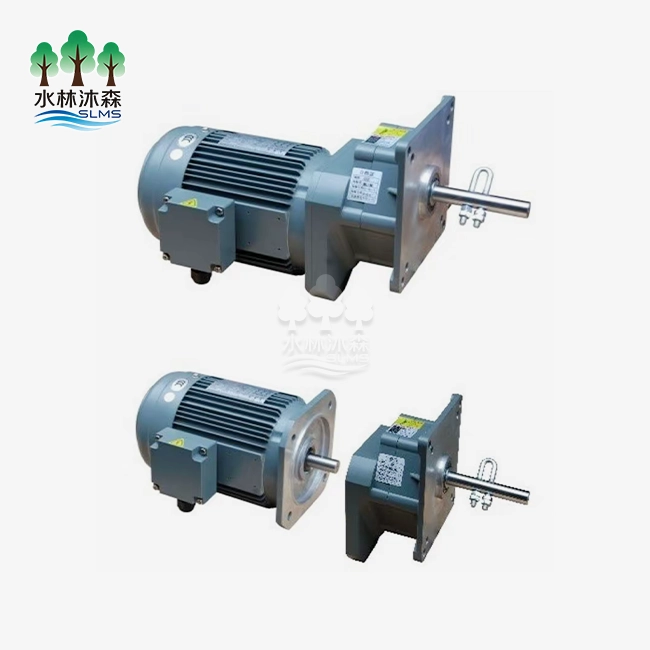
Our motors have cast iron housings that have been coated with special anti-corrosive materials that keep ammonia and acidic fumes from breaking them down. The copper motor windings have Class F or H insulation grades, which keep the internal temperature rise under control even when the motor is running continuously. With an IP55 rating, these units can handle being washed under high pressure during cleaning processes between groups of sheep.
Core Operational Functions
Drive motors are needed to handle many important systems at once in automated poultry plants. Ventilation inlet positioning needs exact micro-adjustments based on real-time static pressure measurements to make sure the best air flow without causing drafts that hurt young birds or heat stress for older groups. High starting torque is used by feed line winching systems to lift heavy feed distribution equipment during cleaning phases. Self-locking brakes keep the equipment from falling and being hurt.
The power modules, control modules, and security modules that make up the modular layout make it easy for them to work with facility management systems. Overload security, movement limit switches, and the ability to stop in an emergency all help to keep operations safe and protect equipment expenditures. Temperature ranges from -20°C to +60°C are used to suit the different climates in North American poultry areas.
Motor Technology Variations
In chicken automation systems, different motor methods are used for different tasks. AC motors work reliably in constant-speed uses like egg collection systems and manure belt conveyors, giving consistent power output with little upkeep needed. Because they are so simple, they are cheap ways to keep tools running at the same speed during production runs.
When exact speed variation is needed for ventilation control, variable frequency drive motors are the best choice. These motors change the speed of spinning based on temperature sensors and static pressure monitors. This makes the best use of energy by always providing the right amount of airflow. Although they cost more to buy at first than regular air conditioners, the money saved on energy costs usually pays for themselves in 18 to 24 months.
DC motors are useful for certain tasks that need a battery backup in case the power goes out, but they aren't widely used in big industrial buildings because they need more maintenance and can only handle a limited amount of power.
Why Energy Efficiency Matters in Poultry House Breeding Drive Motors?
The environmental and financial effects of motor energy use go far beyond just electricity costs. They affect how profitable a farm is generally and how well it follows the rules.
Direct Cost Impact on Operations
Ventilation and automation systems use 30 to 45% of all the power in modern chicken farms. This means that motor efficiency is one of the most important ways to keep costs down. A normal broiler house with 50,000 birds runs its ventilation fans for about 8,000 hours a year, which uses a lot of energy when they are constantly loaded. When you switch from standard efficiency motors to premium efficiency units, you save 15 to 25% on energy use. Depending on your area's power rates, this can save you anywhere from $3,000 to $8,000 per year.
By using better gear ratios and more advanced electromagnetic design, our Poultry House Breeding Drive Motor solutions cut running costs by over 40% compared to standard equipment setups. Most investments pay for themselves in 24 to 36 months. After that, the saves go straight to the bottom line, making the business profitable. When these saves are spread out over 10 or 20 industrial buildings, they add up to six-figure cost savings every year for businesses with more than one building.
Sustainability and Regulatory Compliance
As tighter environmental standards are put in place by government agencies, North American agricultural markets are continuing to tighten their energy saving requirements. The U.S. Department of Energy changes the minimum efficiency guidelines for electric motors every so often. At the moment, IE3-rated motors are recommended for most farming uses. Premium efficiency IE4 motors are not required yet, but they put processes ahead of what will likely be needed in the future.
In addition to meeting legal requirements, sustainability qualities are becoming more and more important to big chicken integrators and food service users when they decide what to buy. Farms that show clear efforts to cut down on energy use improve their place in the market and meet the sustainability goals of their partners further down the supply chain. Improvements in energy economy that can be proven also make businesses eligible for a number of utility rebate programs and agricultural energy incentive programs, which increase the return on investment even more.
Technology Integration Benefits
Modern motors that use less energy have smart tracking features that make them useful for more than just saving energy. Predictive maintenance programs use real-time operating data streams to find mechanical problems before they become deadly. Maintenance alerts are sent when there are problems with bearing wear, winding temperature, or sound patterns that aren't normal. This keeps emergency breaks from happening during key production times.
Integration with building IoT platforms lets equipment run in a coordinated way, which improves the general efficiency of the system beyond the performance of each motor. Ventilation systems work with heating systems and evaporative cooling pads to keep the birds comfortable. Automatic food plans match the birds' activity levels to save energy when demand is low. These smart connection features cut the building's total energy use by 10 to 15 percent more than just making the motors more efficient.
How to Choose the Best Energy-Efficient Poultry House Breeding Drive Motor?
To ensure long-term operating success, choosing the best drive motor options needs to be carefully thought out from both a technical and a business point of view.
Essential Technical Specifications
The most important decision factor is how well the power level matches the needs of the application. Our motors run from 0.75KW to 3KW, so they can be used for a wide range of chicken automation tasks, from small inlet dampers to heavy tunnel door actuators. Motors that are too small have trouble working when they're loaded, so they don't work as well and wear out faster. Motors that are too big lose energy because they don't load properly and cost too much to buy.
Duty cycle factors are also very important when choosing a Poultry House Breeding Drive Motor. Continuous-duty applications, like controlling air, need motors that can run nonstop for 24 hours a day, seven days a week without overheating. Intermittent-duty applications, like adjusting the feed line, can handle higher peak loads for shorter periods of time. Knowing your exact job needs keeps equipment from breaking down too soon and makes it as energy efficient as possible across all operating profiles.
The speed and accuracy of a system are determined by its control performance powers. Simple on/off controls make temperature and humidity changes that are hard on birds' performance, while variable speed controls let you slowly change the air to keep the environment stable. Position input from built-in potentiometers or limit switches makes sure that the equipment is in the right place. This is especially important for air entry control, where millimeter-level accuracy affects the health of the flock.
Durability and Environmental Resistance
Moisture resistance, temperature tolerance, and rust protection all have a direct effect on the total cost of ownership because they affect how much upkeep is needed and how long the equipment lasts. In normal situations, high-quality motors with sealed bearings and protected wiring connections work consistently for 8 to 10 years. Cheaper options, on the other hand, usually need to be replaced every 3 to 5 years.
Our motors are made from high-strength materials that were chosen to work well in farming settings. Cast iron frames are more rigid and better at transferring heat than metal frames, and they keep their shape even when temperatures change. Specialized seal materials keep their safety rates for long periods of time, even when they are exposed to wash-down chemicals and high humidity over and over again.
The operating temperature requirements must take into account the variations of the local climate. In the south, chicken houses are often warmer than 35°C in the summer. In the north, equipment may be exposed to sub-zero temperatures during the working of the ventilation system in the winter. Motors that are designed for temperatures from -20°C to +60°C work reliably all year long.
Installation and Maintenance Considerations
How easy it is to install has a big effect on project timelines and labor costs, especially when multiple motor units need to be installed or upgraded at the same time. Our flexible design philosophy makes it easy to connect to existing infrastructure quickly, without the need for special tools or a lot of technical know-how. Detailed installation videos show workers how to place the system, connect the power, and turn it on. This cuts the time it takes to install by 30 to 40 percent compared to other options.
Long-term running costs and machine uptime are affected by how easy it is to do maintenance. Motors that are in hard-to-reach places need to be serviced regularly with ladders or lift equipment, which costs more in labor and extends maintenance breaks. The motors are placed in a way that makes them easy to reach, and the air patterns are thought through so that dust doesn't build up on the cooling surfaces.
Service intervals are very different for different types of motors and levels of quality. Premium motors with protected bearings and advanced insulation systems don't need to be serviced for 18 to 24 months, while cheaper motors may need to be serviced every three months. Comparing costs more accurately is done by looking at the total cost of upkeep over the expected life of the equipment, rather than just the original purchase price.
Top Solutions and Innovations in Energy-Efficient Poultry House Breeding Drive Motors
Technological progress is always changing the capabilities of drive motors, which helps chicken farms that invest in current robotic solutions do better.
Smart Monitoring and Control Integration
Real-time operations tracking changes motor management from fixing problems after they happen to making things better before they happen. Key performance indicators are tracked by embedded sensors, such as the temperature of the windings, the state of the bearings, the amount of power used, and the number of operating hours. Platforms that are linked to the cloud collect this information and make it possible for centralized management tools to watch motor health remotely across multiple sites.
Predictive maintenance programs look at performance trends and find patterns of gradual decline that show mechanical problems are starting to appear. When bearings wear out, they start to vibrate in a certain way weeks before they break completely. This lets you change them during planned maintenance windows instead of having to make emergency repairs during production runs. This proactive method cuts unplanned downtime by 60 to 75% and increases the general life of technology by fixing problems before they get worse.
Our products offer full professional help, such as remote diagnostics and advice on how to improve performance. When practical problems happen, support workers can access real-time motor data to figure out what's wrong from afar, and most of the time, they can fix the problem without having to come to the site. This feature is especially useful for operations in rural places where it might not be possible to get skilled technical help right away.
Advanced Protection Features
Multiple layers of protection keep both your machine purchases and the production line running. Thermal overload safety checks the temperature of the windings and turns motors off immediately before insulation damage happens when the load is too high. This safety is very important when mechanical jams or blockages cause too much resistance, keeping the motor from burning out and letting workers know about deeper equipment problems that need to be fixed.
Travel limit protection stops motor operation instantly when ventilation doors, feed lines, or other actuated equipment hit their physical travel limits. Integrating an emergency stop makes sure that motors respond right away to the building's safety systems. This lets the equipment shut down quickly in case of a fire, a structural emergency, or any other emergency that needs the equipment to be turned off right away.
Customizing voltage compatibility takes into account differences in regional electrical infrastructure, making sure that the system works reliably in a range of power source situations. Our motors can handle changes in voltage that are common in country electrical lines without losing performance or making failures more likely. This means that they will always work reliably, no matter how good the utility supply is.
Proven Performance Results
Businesses that raise chickens and change their motors to use less energy report big improvements in their processes that go beyond just saving energy. A Pennsylvania poultry farm with 120,000 birds replaced old ventilation motors with new variable-speed units. This cut the amount of electricity used for ventilation by 22% and made the flock more regular by controlling the environment more precisely. The more stable environment led to a 4% increase in feed conversion efficiency, which saved money in ways other than just lowering the cost of energy.
Another case study from an Arkansas chicken farm showed how valuable it is to integrate all types of technology. By connecting new Poultry House Breeding Drive Motor units to environmental controls and remote monitoring systems, 35% less work had to be done, and bird performance measures got better. Within 28 months, the business got its money back from the automation investment by saving money on energy, cutting down on labor, and making production more efficient.
Procurement Guide: Buying Energy-Efficient Poultry House Breeding Drive Motors
Making strategic choices about what to buy means balancing short-term equipment needs with long-term operational goals. This means carefully examining suppliers, goods, and support services.
Supplier Evaluation Criteria
It's just as important to choose trusted equipment suppliers as it is to choose the right motor specs. Established companies that have made agricultural tools for a long time know the unique problems that poultry farms face. They create products that meet those needs instead of bringing industrial solutions to agricultural uses.
The ability to manufacture and quality control methods have a direct effect on how reliable and consistent a product is. Suppliers who follow thorough testing methods from inspecting raw materials to validating finished products make sure that the quality of each production run is the same. During the entire production process, we do thorough quality checks to make sure that every motor meets performance standards before it is sent to a customer's facility.
Support after the sale is what sets high-end providers apart from low-cost options. Comprehensive support includes expert advice when choosing equipment, help with installation, warranty coverage, and quick upkeep support for as long as the equipment lasts. Our one-year warranty gives you peace of mind, and we offer on-site installation services for businesses that need full help with the application process.
Pricing and Value Assessment
Prices for motors vary a lot based on the features, quality, and where the seller stands in the market. Budget motors for light-duty uses start at around $200 to $400 per unit. On the other hand, expensive motors designed for continuous-duty poultry uses usually cost between $600 and $1,200, based on the power level and number of features.
A more accurate way to figure out worth is to look at the total cost of ownership instead of just comparing the buying price. While they may cost 40% more up front, premium motors may last 60% longer and use 20% less energy, which means they have much lower total costs even though they cost more up front. Differences in maintenance costs make these value gaps even bigger over longer periods of time.
Businesses that install or upgrade a lot of motor units at once can save a lot of money by taking advantage of volume buying opportunities. When you order in bulk, the cost per unit goes down by 15 to 25%. It's also easier to keep track of your supplies and make sure that all of your equipment is maintained the same way. We support global buying efforts by offering competitive prices for large orders and a range of delivery times that can be adjusted to fit project schedules.
Technical Support and Implementation
A successful Poultry House Breeding Drive Motor implementation includes more than just delivering the product. It also includes installation assistance, system commissioning, and training for the user. Our detailed installation movies show technical teams how to properly place the system, connect the power, and set it up for the first time. For businesses that want a "turnkey" solution, on-site installation services make sure that the right equipment is set up and that the system works well with everything else.
Ongoing expert help keeps equipment running at its best for as long as it lasts. Questions about operational optimization, maintenance procedures, or problems are quickly answered by support staff who know a lot about farm automation systems. This quick support feature keeps operating interruptions to a minimum while increasing the value realization of equipment.
Customization lets you meet specific operating needs that aren't met by normal product setups. We work with our customers to come up with custom solutions for unique uses, odd mounting arrangements, or connecting to certain control systems. This makes sure that the best performance is always achieved, no matter how the building is designed or how it is run.
Conclusion
Drive motors that use less energy are long-term investments that pay off in the long run by saving money on running costs and giving chicken farms a competitive edge. In the context of Poultry House Breeding Drive Motor, modern motor technology blends strong construction that can handle harsh agricultural settings, smart control features that make the best use of energy, and a wide range of safety features that guarantee reliable performance over a long service life. Instead of just looking at the original buy price, it's important to carefully consider technical specifications, supplier skills, and the total cost of ownership when doing procurement. When businesses buy high-quality motor solutions from well-known brands, they get better energy efficiency, longer equipment life, less upkeep, and full expert support that makes sure the machines work at their best throughout their entire lifecycle.
FAQ
Q1: How often should drive motors be serviced to maintain peak energy efficiency?
A: Premium drive motors in poultry applications typically require scheduled maintenance every 18 to 24 months under normal operating conditions. At regular service times, the bearings are checked and oiled, the electrical connections are tightened, and the ventilation openings are cleaned to keep the airflow for cooling at its best. Facilities that are very dusty or that have very high duty rates may benefit from visual checks every three months to find problems before they get to the point where they need to be serviced.
Q2: Can existing standard motors be upgraded to energy-efficient variants?
A: In most cases, it's easy to replace normal motors with energy-efficient ones that don't need many changes to the mounting or electrical equipment that's already there. Adding a variable frequency drive to an existing constant-speed motor can make it much more efficient, but the full cost-benefit study should compare the costs of the upgrade to the costs of replacing the motor completely.
Q3: What causes energy loss in poultry house drive motors?
A: Motor energy waste is caused by many things, such as wrong size that leads to low loading factors, mechanical friction from worn bearings or misaligned joints, electrical losses from damaged wiring or corroded connections, and not enough cooling from air holes that are blocked. When compared to smooth modulated operation, excessive cycles caused by settings that are not set up correctly also lowers efficiency. These loss processes are lessened by regular upkeep and good system design.
Connect with Shuilin Musen Aquaculture Equipment Co., Ltd. for Your Drive Motor Solutions
Shuilin Musen Aquaculture Equipment Co., Ltd. has eight years of experience making tools for farming and raising animals. They can be your reliable Poultry House Breeding Drive Motor maker and all-around automation partner. Our dedicated team of five engineers creates more than three new products every year, keeping us at the forefront of technology. Our strict quality control systems make sure that all of our products, from the raw materials to the final delivery, always work at their best.
Through smart system integration and better equipment design, we cut running costs by more than 40%. You can email our technology team at wangshuaislms@gmail.com to get personalized advice on your automation needs, or you can go to slms-equipment.com to see all of our products. We offer thorough installation guides, on-site installation services, a one-year warranty, and helpful technical support. We offer custom solutions that are perfectly matched to your operational goals and budget, whether we're improving current buildings or planning brand-new ones.
References
1. American Society of Agricultural and Biological Engineers. Energy Efficiency in Agricultural Ventilation Systems. ASABE Standards, 2023.
2. National Renewable Energy Laboratory. Motor System Efficiency in Agricultural Applications: A Technical Review. U.S. Department of Energy, 2022.
3. Midwest Plan Service. Mechanical Ventilating Systems for Livestock Housing. Iowa State University Extension, 2021.
4. Poultry Science Association. Environmental Control Technologies in Modern Poultry Production. Annual Technical Conference Proceedings, 2023.
5. International Energy Agency. Energy Efficiency Requirements in Electric Motor Systems: Global Comparison and Policy Analysis. IEA Publications, 2022.
6. Agricultural Equipment Manufacturers Association. Best Practices for Motor Selection in Livestock Automation Systems. AEMA Technical Bulletin Series, 2023.
Learn about our latest products and discounts through SMS or email