How to Install Slatted Floors in Broiler Houses
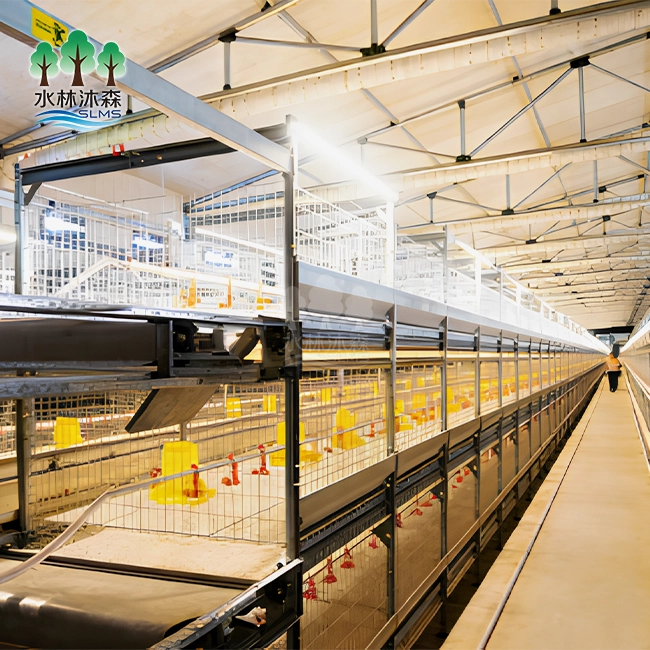
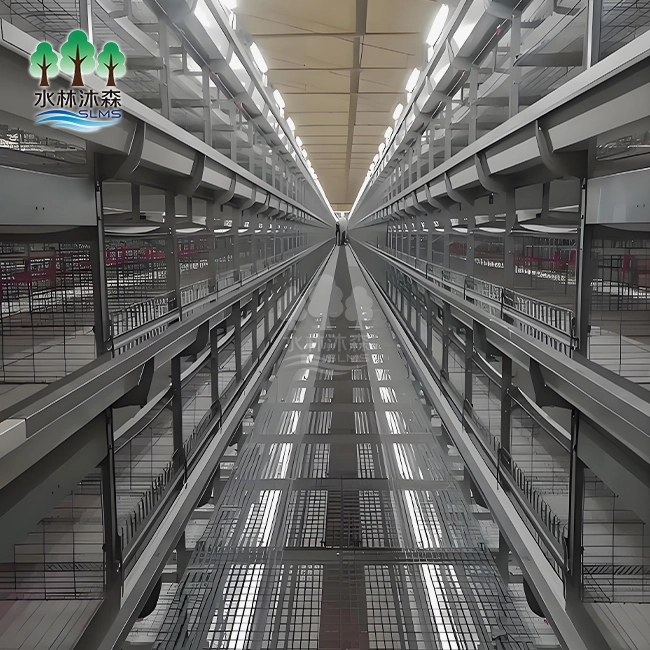
Putting in slatted floors in broiler houses changes how waste is handled and how healthy the birds are. A Poultry House Slatted Floor separates the birds' droppings from the manure by having carefully designed holes that let the droppings fall into areas below for collection. This method greatly lowers the buildup of ammonia, keeps people from coming into touch with wet waste, and eliminates the need for cleaning between production cycles. To get the best performance in business settings, the building process needs to be carefully planned, the right materials must be chosen, and the structure must be carefully integrated with existing drainage and ventilation systems.


Understanding Poultry House Slatted Floors
These days, intense broiler production needs flooring systems that balance the well-being of the birds with the economy of the business. Slatted floor systems have become a useful option for farms that raise tens of thousands to over one hundred thousand birds per cycle.
What Makes Slatted Flooring Different?
In traditional deep litter systems, the bedding needs to be replaced often, and the system needs to be completely cleaned out between groups. These hard jobs don't have to be done because slatted floors automatically separate the trash from the living area. The gap design lets manure fall through right away, stopping buildup that can make germs like E. coli grow. Salmonella and E. coli.
This keeps the birds from resting on wet, dirty litter, which can cause foot pad rashes and breast blisters. Less ammonia escaping into the air leads to better air quality, which directly improves lung health and growth rates. Farm managers say that flock uniformity and feed conversion ratios got a lot better after they switched to slatted systems that were put correctly.
Material Options and Performance Characteristics
If you don't choose the right material, it will not last as long, need more upkeep, and cost more in the long run. New polypropylene or polyethylene compounds made for farming settings are used in high-quality equipment. These materials don't break down when exposed to ammonia or cleaning agents with pH levels between 3 and 12. Metal choices last a very long time, but they need to be carefully treated on the outside to keep them from rusting in damp places.
Wooden slats are a classic option, but they are more likely to absorb water and grow bugs than modern plastics. The size of your business, the weight of the birds, and the weather should all affect the materials you choose. Heavy broiler growers need materials that can hold more weight than regular game birds. Our engineering team can look at your particular needs and suggest materials that balance the cost of the original investment with the cost over the product's lifetime.
Design Variations and Their Applications
Modular panel systems give you more options for how to put them and make it easier to repair worn-out parts. Detachable walls make it easier to clean thoroughly and give you access to the manure pits for upkeep. Panels are usually between 500mm and 800mm long, and the gaps between them are set to be 12mm to 20mm wide so that legs don't get stuck and waste can move easily.
The gap length of 25 mm to 50 mm makes this balance even better. A load-bearing ability of more than 50 kg per square meter allows people to move around and do checks. One-piece molding design gets rid of the weak spots that appear over time in systems that are put together. Customizable colors help control how much light gets reflected and how hot or cold it gets inside living structures. When procurement teams understand these design elements, they can choose systems that work well with current infrastructure and working processes.
Preparing for Slatted Floor Installation in Broiler Houses
For installations to go well, the place must be well-prepared before the materials arrive. This step checks to see if your investment gives you the expected longevity and efficiency gains.
Assessing Your Existing Broiler House Structure
Start by doing a full structural analysis that looks at things like floor sizes, the load-bearing abilities of existing support systems, and how well they work with the way ventilation is set up now. Make sure you get a good reading of the total floor area, taking into account walls, support beams, and equipment places that might change the layout of the panels. Check to see if the base is level, because uneven areas make installation harder and function worse. Check out the drainage systems under the floor to make sure they can handle the amount of manure from your flock.
Check where the ventilation fans are placed and how the air flows through the room because slatted floors use air flow to control the levels of humidity and ammonia. Write down any changes that need to be made to the support beams or frames so that they can hold the extra weight of the flooring materials and the birds' density. This evaluation step keeps you from having any unpleasant surprises during installation and makes sure that everything works well with the rest of your facility's systems. A well-chosen Poultry House Slatted Floor system ensures smooth integration with these factors, improving overall efficiency and comfort.
Selecting the Right Slatted Floor System
Getting the best return on your investment means matching the floor specifications to your operating factors. Material needs are directly affected by the number of birds, how densely they are stocked, and the length of the production cycle. Breeder operations that house birds for 40 to 60 weeks need different requirements than broiler operations that finish birds in 6 to 8 weeks. Climate is very important. Places with a lot of wetness need materials that are better at resisting water and keeping people from slipping. Use exact measures to figure out how much material you need, then add 5–10% for waste reduction and future fixes.
Ask for certificates of the materials that prove their load capacity, ability to withstand impacts at low temperatures, and ability to work with the chemicals you use for cleaning. When you compare different suppliers, you can see that their customization options, expert help, and warranty covers are very different. Our company offers thorough measurement sheets and can change the sizes so that there is less cutting and waste during installation. From choosing the raw materials to delivering the finished product, we keep a close eye on quality to make sure that every panel works the same way.
Cost-Benefit Analysis for Procurement Decisions
The cost of installing slatted flooring systems needs to be weighed against the money that can be saved and the work that can be done faster. Find out how much it costs to hire people to clean up litter, which includes buying materials, spreading them out, and taking them away between groups. Take into account the medicine and death rates linked to bad litter quality and breathing problems. Compare these ongoing costs to the original cost of the equipment plus the work needed to set it up. Most companies get their money back within 18 to 24 months just by cutting down on labor. They also get extra money from better feed conversion and fewer rejects at processing.
Think about financing choices that match payment plans with the times when the production makes money. Carefully look over the warranty terms of each seller. Our free one-year warranty covers your investment during the most vulnerable time for break-ins. Long-term upkeep costs are low if you use good materials; most of the time, you only need to clean them regularly instead of replacing parts. Ask providers for examples from businesses that have installed their products successfully in situations that are similar to yours in terms of size and production model.
Step-by-Step Installation Guide for Broiler House Slatted Floors
Using the right fitting methods will make sure that your flooring system works the way it was meant to for as long as it lasts. By following a set of steps, you can avoid common mistakes that can damage structures and make trash management less effective.
Preparation and Surface Leveling
Clean the installation area fully, getting rid of old trash, garbage, and any hardware that sticks out and could get in the way of placing the panels. Check the base or support structure for damage and fix any areas that aren't stable before moving on. Use a laser level or a long straightedge to check the levelness and find the high and low points. Fix differences bigger than 10 mm across any 3-meter span by filing, grinding, or shimming the support parts. Set up a clear drainage slope that leads to collection paths. The slope should be between 2% and 4% to make it easier for manure to run. Install or check that the support beams or joists that will hold up the slatted panels are in the right place.
Make sure that they are spaced out according to the manufacturer's instructions so that the panels don't sag when they're loaded. Mark the layout patterns of the panels on the support structures and plan where to cut and place them to reduce waste. Make sure there is enough light during installation so that gaps don't appear that could be unsafe or unsanitary. Get ready all the tools you'll need, such as measuring tools, cutting tools for trimming panels, and the hardware for attaching your system. A well-prepared installation area will ensure that your Poultry House Slatted Floor system fits properly and functions efficiently.
Panel Positioning and Securing Methods
Start installing in one spot and work your way across the floor in a planned way to keep the spacing and placement even. Carefully place the first panel because it sets the reference line for all the rows that follow. Before securing, make sure the gap sizes meet the requirements. Gaps that are too small make it hard for waste to pass, and gaps that are too wide can cause leg injuries. When locking interlocking systems, make sure that the links sit flush and that the panels next to each other don't move up or down.
Use corrosion-resistant screws that are right for your material type to attach panels to support structures. Do not tighten too much, as this can cause plastic to crack or create stress points that fail too soon. Keep regular expansion gaps (8–12 mm) around the outside walls so that they can expand with temperature changes without buckleing. Cut edge panels to fit exactly around columns, walls, and equipment placements. Seal the edges to keep trash from piling up in the spaces between them. Methodically work your way through each part, stopping to check the levelness and alignment of each area before going on to the next.
Integration with Manure Management and Ventilation Systems
For the best results, the flooring system must work well with the tools used to remove trash and control airflow. Place panels so that they line up with scrapers, manure belt systems, or pit entry points that are built into the floor. Make sure that trash cans and other items below don't get clogged up with waste as it falls through holes. To check the draining flow, pour water across the floor and watch it move toward collection areas. This will help you find any places where water is pooling that need to be fixed.
Set up the ventilation fans so that they move air in the right way to dry the floor without making drafts that bother birds. To keep tunnel ventilation systems from having dead zones with bad air flow, the design of the floors and the placing of the air intakes must work together. When you set up cross-ventilation, you need to pay attention to how air moves through and under the wooden floor. Put up any hurdles or baffles that are needed to direct wind in the best way while still allowing repair work to be done. These steps for merging turn separate parts into a system that works together and gives you all the benefits of slatted flooring.
Post-Installation Quality Checks
A thorough check after installation keeps things running smoothly and makes sure the work meets the requirements. Walk across the whole floor and look for signs of movement, bending, or loose pieces that could mean the support or fastening isn't good enough. To check the load-bearing performance, put concentrated weight on random parts and simulate bird population and human traffic. Check that all of the connection points are safe and that no damage has been done to the material. Check the accuracy of the gaps throughout the work by measuring in more than one place to make sure they are all the same. Make sure there are no sharp edges or burrs left on the surface where birds will touch it.
Check that the waste removal equipment works properly and that the panels can handle water pressure and chemical cleaners on a small area before you clean the whole thing. Take pictures and write down a lot of information about the installation, like the panel specs, the date of the installation, and any changes that were made from the original plans. Set up a follow-up inspection to check on performance in real production settings after the first flock placement. Our expert support team offers installation guides and remote help to make sure your team gets professional results, and our guarantee covers everything.
Maintaining and Optimizing Slatted Floors for Long-Term Performance
Systematic maintenance protects your investment and keeps the operating benefits that made the work worth it in the first place. Setting up good practices protects bird health and output while extending the life of equipment.
Routine Cleaning Procedures
Cleaning the flooring system on a regular basis keeps bacteria from building up and makes sure that trash moves through it properly. During breaks in production, use pressure cleaning equipment that is set up to avoid damaging the materials to clean the floor and under the panels of any waste that has gathered there. Choose cleaning products that are made especially for farm plastics instead of strong solvents that break down polymers over time. To get rid of pathogens successfully, use disinfectants that are allowed for use in poultry farms and follow the manufacturer's instructions for dilution rates and contact times.
During production, clean high-traffic areas every day in spots where trash could build up despite the open design. Keep an eye on the gap areas to see if they get clogged up with feathers, bedding, or other garbage that makes draining less effective. Support structures under the floor should be deep cleaned every three months to get rid of manure buildup that could damage the air quality or the structure. Large businesses use power cleaning systems to get the best results, but smaller businesses can get great results with regular pressure washers and the right nozzles. These regular cleaning habits keep the clean surroundings that make the investment in Poultry House Slatted Floor worth it.
Inspection and Preventive Maintenance
Inspections that are planned ahead of time find wear patterns and possible problems before they stop activities. Every month, you should check the property and write down any broken panels, loose bolts, or surface wear and tear. Pay extra attention to places that get a lot of use, like near feeders, drinkers, and entry doors, because they wear out faster because of the high volume of traffic. Check the support systems for damage or rust that could make them less able to hold weight.
Check the springiness and flexibility of the panel by comparing what you find to the way it was when it was first installed. If material wear is found early, it can be replaced during planned breaks instead of having to be fixed quickly during production. Replace broken parts right away, because panels that aren't working right pose safety risks and slow down the whole system. Keep a supply of extra panels that match the way your installation was done so that you can make changes quickly. Write down all of your upkeep tasks so that you have past records that you can use to plan your budget and lifecycle. These needs are kept to a minimum by our low-maintenance design, but regular care keeps small problems from growing into big, expensive ones.
Environmental Control and Air Quality Management
Ventilation devices and slatted floors work together to control the temperature and humidity inside. Use portable meters to keep an eye on the amount of ammonia present. Concentrations should be kept below 25 ppm to protect lung health. To keep wetness from building up, change the circulation rates based on the time of year. For example, raise the rates when it's hot outside and keep them at their lowest when it's cold. Controlling humidity is very important—too much wetness leads to bacterial growth and footpad issues, even though wooden floors are better in some ways.
Keep the relative humidity between 50 and 70% by making sure your heating and cooling systems work together properly. Keeping the right temperature affects both the health of the birds and the performance of the materials. For example, plastics may become weak in very cold temperatures. In northern regions during the winter, insulation and extra warmth may be needed. These external factors have a direct effect on how well your flooring system helps you reach your productivity goals in all kinds of weather and production stages.
Comparing Slatted Floors to Other Flooring Options in Broiler Houses
Knowing how different flooring systems work helps you decide whether to make an investment and set realistic goals. Depending on operational goals and limitations, each method has its own benefits.
Slatted Versus Deep Litter Systems
Because it costs less and is easier to set up, deep litter is still commonly used in broiler production. Litter systems need to be managed all the time, with regular stirring, moisture control, and full removal between groups. When the business is bigger, the need for workers goes up quickly because cleaning up trash takes a lot of crew time. Even with the best methods, controlling ammonia can be hard, especially in places with a lot of people or a lot of humidity. Health problems with the footpads are closely linked to the quality of the litter, which lowers processing grades and lowers income.
The problems mentioned above are solved by slatted floors, which automatically separate trash, but they cost more and are harder to install. Slatted systems usually make businesses with more than 10,000 birds more profitable because they save money on labor and boost productivity. Litter methods might work for smaller farms as long as labor costs stay low and bird health is good. The decision depends on how much it costs to scale, how much labor is available, and how committed the business is to technology that makes it competitive in the long run.
Material Comparisons: Plastic Versus Wood and Metal
When made from fresh polypropylene or polyethylene, plastic slatted floors last a long time and don't need much upkeep. In contrast to solid options, these materials don't absorb water, break down chemically, or get contaminated by living things. Plastic is easier to handle during installation and repair because it is lighter, but it still has enough strength for industrial use. Metal bars can hold the most weight and last the longest, but they are more expensive to make and may rust. These problems can be fixed with the right coats and regular upkeep, which makes metal useful for tasks that need something to last for decades.
Traditional building materials like wooden slats absorb water, hold germs, and need to be replaced more often than more modern options. Because they are better for the environment, plastics made from reusable materials or metals with a lot of recovered content are becoming more popular. Our plastic board systems can be changed to fit your needs and are designed to be durable, long-lasting, and eco-friendly. They also meet strict business requirements. The materials you choose should fit the size of your business, your budget, and your ability to maintain them.
Conclusion
Putting in slatted flooring in broiler houses is a smart investment in infrastructure that will improve working efficiency, bird comfort, and the economics of production. A full structure assessment, careful material selection, and methodical execution that follows tried-and-true steps are the first steps in a proper installation. Adding to the ventilation and trash management systems that are already there makes sure that the whole building works as a coordinated environment.
Keeping up with servicing protects your investment and keeps the service running well for a longer time. When comparing different flooring options, it becomes clear when slatted systems are the best choice for your business. To make the choice, you have to weigh the starting costs against the saves and productivity gains that will build up over many production cycles. A well-implemented Poultry House Slatted Floor system can significantly enhance efficiency, reduce labor costs, and improve overall bird health in the long run.
FAQ
Q1: How long does slatted floor installation typically take?
A: Installation times depend on the size of the building and the knowledge of the crew. A skilled team of three to five days is needed to build a standard 10,000-square-foot broiler house. Preparation work, such as leveling the surface and making changes to the support system, could add one to two days. As part of our technical support, we offer installation films that help workers learn faster on their first jobs.
Q2: Can slatted floors be retrofitted into existing facilities?
A: It is possible to retrofit most buildings as long as the roof is high enough to fit the raised floor and trash can area below. Structure checks make sure that the supports that are already there can handle more weight. Many businesses are able to successfully retrofit during planned facility changes. They do this by improving the floors and ventilation systems to bring the whole building up to date.
Q3: What warranty coverage should I expect?
A: Manufacturers with a good reputation will cover material flaws and early failures under standard working conditions for at least one year. Our warranty will protect your investment during the important break-in time, and with proper care, our strong construction will last for 8–10 years. The warranty terms should make it clear what is covered, how to file a claim, and what the manufacturer's responsibilities are for replacement parts and expert help.
Partner with Shuilin Musen Aquaculture Equipment Co., Ltd. for Your Poultry House Slatted Floor Solutions
To get high-quality slatted flooring for your broiler business, you need to find a Poultry House Slatted Floor provider you can trust and who knows what industrial production needs. Shuilin Musen Aquaculture Equipment Co., Ltd. has eight years of experience in manufacturing machinery for farming and raising animals. They also have a skilled engineering team that comes up with unique solutions for a wide range of operating situations. Our slatted floor systems are made of long-lasting PP and PE materials that can hold more than 50 kg per square meter of weight.
They can be customized in sizes ranging from 500 mm to 800 mm, and the gap widths are carefully designed to make waste management easier. We offer full technical support, including how-to videos for installation, helpful customer service, and a guarantee that protects your purchase for one year. Email our team at wangshuaislms@gmail.com to talk about your specific needs and get a plan that is tailored to your facility's particular problems.
References
1. Shepherd, E.M., and Fairchild, B.D. (2010). "Footpad dermatitis in poultry." Poultry Science, 89(10), 2043-2051.
2. Miles, D.M., Branton, S.L., and Lott, B.D. (2004). "Atmospheric ammonia is detrimental to the performance of modern commercial broilers." Poultry Science, 83(10), 1650-1654.
3. Dawkins, M.S., Donnelly, C.A., and Jones, T.A. (2004). "Chicken welfare is influenced more by housing conditions than by stocking density." Nature, 427(6972), 342-344.
4. Haslam, S.M., Knowles, T.G., Brown, S.N., et al. (2007). "Factors affecting the prevalence of foot pad dermatitis, hock burn and breast burn in broiler chicken." British Poultry Science, 48(3), 264-275.
5. Nicol, C.J., and Scott, G.B. (1990). "Pre-laying behaviour and nest site selection in domestic hens." Applied Animal Behaviour Science, 25(4), 303-317.
6. Xiccato, G., Trocino, A., Tulli, F., and Tibaldi, E. (2004). "Prediction of chemical composition and origin identification of European sea bass by near infrared reflectance spectroscopy." Aquaculture, 240(1-4), 149-158.
Learn about our latest products and discounts through SMS or email