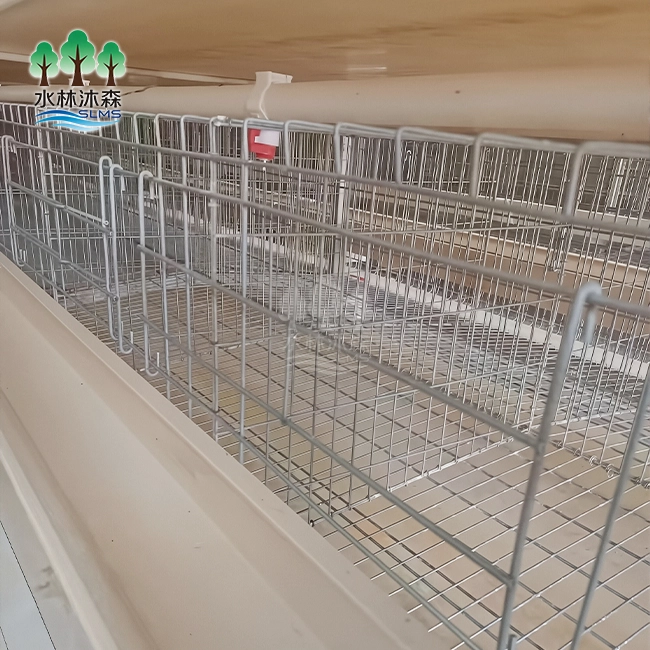
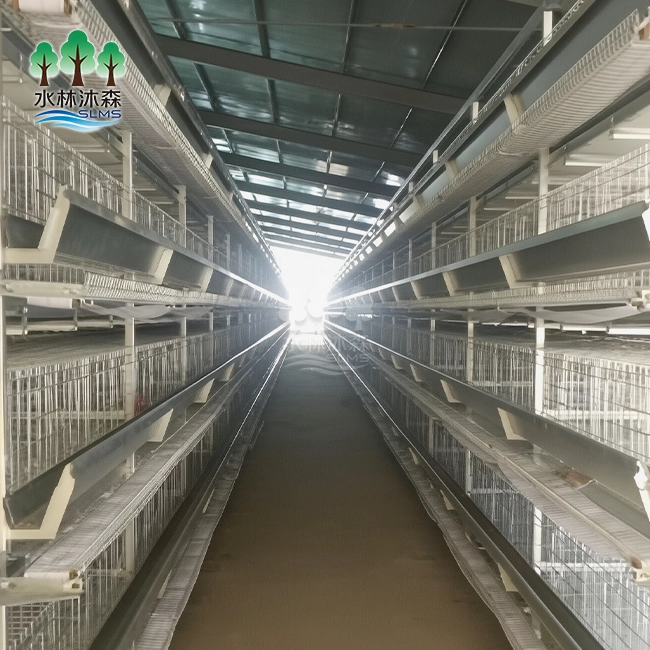
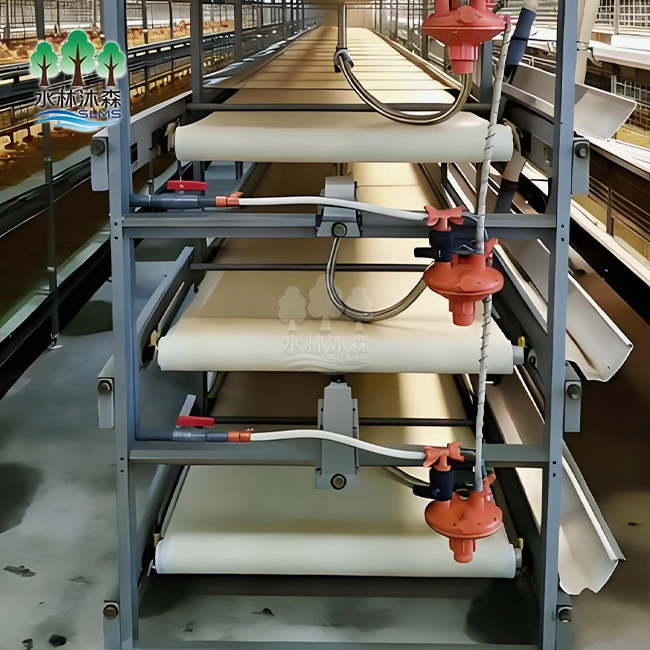
Where to buy plastic chicken coop flooring slats
To find trusted sources for plastic chicken coop flooring slats, you need to know both what the product needs and what the seller can do. You can get chicken house floor slats from companies that make specialized farm tools, business-to-business (B2B) markets, and approved distributors who work with the poultry farming industry. Direct makers with proven technical support, well-known farm equipment stores with a large selection, and trusted online platforms that let you make changes are the most reliable ways to buy. When buying these important flooring parts, procurement teams should give preference to sellers who offer full specifications, installation help, and service after the sale to make sure your poultry facilities run smoothly for a long time.


Understanding Plastic Chicken Coop Flooring Slats
Material Composition and Engineering Standards
Modern flooring systems for poultry use modern polymer science to deal with the harsh working conditions inside animal centers. Polypropylene (PP) and Polyethylene (PE) are the two most popular materials on the market right now. Both were chosen for their specific performance qualities that have a direct effect on farm profits.
Polypropylene is very resistant to chemicals, even the acidic ammonia that is common in chicken coops. Even after being cleaned many times with strong disinfectants, this material keeps its structure integrity. By being rigid, it can hold the weight of people walking on it during upkeep work and keep bird populations stable without bowing. The material's natural features stop it from absorbing water, which stops the changes in size that make floors less level over time.
Polyethylene has a number of benefits that make it useful in certain situations. Because it doesn't break easily at low temperatures, it's good for buildings in colder places where brittleness is a problem. The material's flexibility makes it better at absorbing shock loads than more stiff options. This keeps stress cracks from happening during installation and daily use. PE versions also show great resistance to UV degradation, which makes them last longer in housing systems that are naturally lit or partly open.
Performance Characteristics That Drive Purchasing Decisions
Because chicken house floor slats have to do a lot of different things, engineers have to pay close attention to the specs. The most important measure of effectiveness is the load-bearing ability. According to industry standards, support must last for more than 50 kg per square meter. This limit takes into account both the weight of the birds and the weight of farm workers doing regular checks and repair work.
Gap width and spacing are important design factors that balance how well waste is managed with bird safety. The holes are usually 12 to 20 mm wide, just the right size to let dung pass through while keeping feet from getting stuck, which can hurt animals and hurt production. This level of accuracy in measurements comes from years of industry study into how to best get rid of waste without hurting the health of flocks.
Total cost of ownership is based on how long something lasts under normal operating conditions. Good flooring slats can last for 10 to 15 years of constant use in places with a lot of ammonia and high humidity. How resistant the material is to stress breaking, chemical breakdown, and physical wear has a direct effect on how often it needs to be replaced and how much it will cost in the long run. When a building is at full capacity, it can't afford for the flooring to fail early. This makes choosing the materials a strategic choice rather than an easy job of buying things.
Environmental Considerations in Modern Agriculture
Concerns about sustainability are affecting buying choices in the agricultural field more and more. A lot of companies now make flooring options that use recyclable materials without lowering the quality or performance standards. Businesses that want to get environmental certifications or meet customer desire for sustainable farming methods like these eco-friendly products.
Plastic flooring materials are better than traditional ones because they can be recycled when they are no longer useful. When properly gathered, both PP and PE materials go into established recycling lines. This keeps trash out of landfills and supports the ideas of the circular economy. This is especially important for big businesses that want to leave as little of an impact on the environment as possible while still running efficiently.
Key Considerations When Buying Plastic Chicken Coop Floor Slats
Material Selection and Its Operational Implications
To choose between polypropylene and polyethylene formulations, you need to know how the qualities of the materials fit with the way you work. Polypropylene is better for sites in warmer areas or that use heated brooding systems because it can reflect more heat. The material stays the same size over a wider range of temperatures, so it doesn't go through the processes of expanding and contracting that cause gaps and alignment problems.
Polyethylene's lower density makes it easier to handle during installation, which saves money on labor costs and makes installation teams less tired. When working on big jobs with thousands of square meters of chicken house floor slats, this weight advantage becomes important. The material's flexibility also makes it easier to move, which means that large orders can be packed more efficiently and shipped for less money.
Design Elements That Maximize Performance
The way flooring slats are set up has a direct effect on how well trash is taken care of and how healthy birds are. The length of a slat is usually between 500 and 800 mm, and its thickness is between 15 and 30 mm. This gives it the strength it needs without using too much material. These measurements show how engineers tried to find the best balance between strength, weight, and the cost of materials.
The roughness of the surface affects both how well it grips and cleans. Texturing just a bit keeps things from slipping and keeps surfaces from being too rough, which can hurt bird feet. The smooth, non-porous surface of good plastic flooring keeps germs from growing, which is important for biosecurity rules in large-scale chicken production. This design factor has a direct effect on the cost of medicines and preventing sickness.
The air quality in the whole building is better when gaps are properly spread to allow air flow. The quick movement of dung through floor holes lowers the buildup of ammonia, which is good for lung health and boosts growth rates. This improvement in air quality leads to measured benefits in production, such as higher feed conversion rates and lower death rates.
Installation and Maintenance Best Practices
For execution to go well, the right installation methods must be used to ensure long-term success. Most flooring systems are put down on support beams that are split out according to the manufacturer's instructions. This spreads the weight evenly across the structure. Stress concentrations that cause early failure can be avoided by making sure the installation is aligned correctly.
Regular care keeps things clean and extends the life of things. Organic matter that has built up can be removed successfully by high-pressure washing methods that do not damage the plastic substrate. Chemical resistance in good materials lets normal farm disinfectants be used without worrying about damage. Regular inspection routines find damage or wear patterns before they risk the integrity of the system. This lets parts be replaced proactively instead of having to be fixed in an emergency.
Comparing Plastic Chicken Coop Floor Slats with Other Materials
Performance Analysis Against Traditional Wood Flooring
The change from wooden slats to chicken house floor slats shows how the costs and safety standards of raising chickens have changed in big ways. Wooden flooring soaks up water, which makes it easy for bacteria to grow and for the structure to break down. This keeps water in, which causes rot, so in high-intensity operations, repair rounds can be as short as 3–5 years. Because wood is porous, bacteria can hide in it, which makes biosecurity measures harder and raises the risk of disease.
Plastic flooring gets rid of these problems caused by water because its surface doesn't accept it. Even when the humidity level changes, the material stays the same size, so it doesn't bend or split like wooden systems do. This stability makes sure that the gap spacing stays the same over the service life, so trash management works well without having to make changes all the time. The smooth plastic surface makes it easier to clean thoroughly, getting rid of all biological matter and germs between production rounds.
A cost study shows that plastic flooring has better long-term value, even though it costs more at first. At first, wooden slats may be 30–40% cheaper, but they don't last as long and need more care, so this obvious benefit is lost. When you look at the total cost of ownership over a 10-year time of use, plastic systems show 25–35% lower prices because they don't need to be replaced as often, require less maintenance work, and improve production results by making the environment cleaner.
Total Cost of Ownership Considerations
The operational effects must be taken into account along with the buy price when analyzing an investment. Because plastic flooring lasts longer, it doesn't need to be replaced as often, which means less downtime and lost production during flooring system overhauls. The time saved by making cleaning easier adds up every year, which adds up to big cost saves for large buildings.
Better air quality and hygiene lead to higher production efficiency, which in turn leads to measured financial gains. Lower amounts of ammonia make it easier for animals to breathe, which lowers the death rate and makes feed conversion more efficient. These increases in production often support upgrading floors even in places where the systems are already working. This shows how the quality of equipment affects the revenue of operations.
Pricing Structures and Bulk Purchasing Advantages
Prices for good chicken house floor slats systems on the market usually run between $8 and $15 per square meter, but this depends on the specs, the size of the order, and any customization needs. This price shows how precise the engineering is and how good the materials are, which are needed for long-lasting reliability in harsh farming settings.
When huge businesses or marketers buy in bulk, they can get big savings on costs. Orders bigger than 500 square meters often get discounts of 15 to 20 percent, and projects bigger than 1,000 square meters can get even bigger discounts. These tiered price systems take into account the fact that bigger orders are easier to handle and cost less to sell, so customers who are upgrading their whole facilities can save money.
Where to Buy Plastic Chicken Coop Floor Slats: Supplier & Brand Insights?
Identifying Reputable Manufacturing Partners
On the global market for agricultural tools, there are many sellers saying to have high-quality goods, so doing your research is very important for a successful purchase. Established makers set themselves apart by having qualifications that can be checked, such as ISO quality certifications, recorded production capacity, and clear manufacturing processes. These signs give buyers faith that suppliers will be able to consistently send high-quality goods across multiple orders and long periods of time.
Technical skills set serious makers apart from simple dealers. Companies that have their own tech teams show that they are dedicated to making products and fixing problems. If a manufacturer can make solutions that are specific to your needs, that shows they are flexible and have a lot of expert knowledge, which will be useful as your business grows.
Shuilin Musen Aquaculture Equipment Co., Ltd. is a great example of the kind of business partner that makes long-term ties work. This specialized producer has been making tools for farms and animals for eight years and is based in Qingzhou City in Shandong Province. They understand the problems that come up in chicken farming because they have five dedicated engineers who are always improving plans based on comments from real-world operations.
Evaluating Supplier Credibility and Capabilities
The first thing you should do when evaluating a supplier is to make sure they have the production ability to meet your number needs and delivery dates. When demand is high, manufacturers with well-established production lines can still offer reasonable wait times and keep quality standards high. Site trips or virtual walks of factories show how things are made and how quality control is done in ways that written information alone can't fully explain.
Your experience after the original delivery depends on the infrastructure for after-sales help. Full technical paperwork, like installation films and specification sheets, makes execution go more smoothly. Small problems don't get worse into working problems when customer service teams are quick to respond to questions and concerns. Warranty terms longer than one year show that the company behind the product is sure it will last and wants customers to be happy.
B2B Marketplace Options and Direct Manufacturer Benefits
Online business-to-business (B2B) sites make it easy to connect with many providers, letting you compare prices and look over product details. These platforms protect buyers and make foreign transactions easier, which lowers the risks that come with buying from sellers you don't know. Because of the competition, prices are more likely to be clear and product information is more thorough, which helps people make decisions.
When you deal directly with producers, you can get benefits that you can't get through middlemen. Customization lets you meet the specific needs of your building that standard goods can't. Manufacturers can make solutions that are exactly what you want, whether that means changing the gap spacing for certain bird species or changing the sizes to fit existing structures. This flexibility keeps expensive deals from happening and makes sure the chicken house floor slats works at its best.
Bulk ordering logistics are helped by manufacturers' ability to work together. Consolidated packages lower the cost of shipping each unit individually while making sure that all parts arrive at the same time to make installation go more smoothly. Quality control is done by well-known makers throughout the whole production process. This ensures consistency across big orders in a way that distributed purchasing can't match.
Making the Right Purchase Decision: A Procurement Checklist
Defining Precise Product Requirements
A full analysis of your operational factors is the first step to successful buying. The size and specs of the flooring system are based on the number of birds that can be housed in the facility and the production processes. Environmental factors, such as temperature, building design, and air systems, affect the choice of materials and how they need to be arranged.
The features of flocks have a direct effect on design requirements. Different types of birds and production needs call for different gap sizes and weight limits. Broiler operations need chicken house floor slats that can handle animals gaining weight quickly, while layer operations want floors that will last for a long time and last through many production cycles. By understanding these complex standards, you can be sure that the plans you make will work in the real world.
Regulatory compliance issues are different in each area and may require certain materials, styles, or certifications. Costly noncompliance problems can be avoided by making sure that potential providers understand and meet the standards that apply. This due research keeps your business and your entry to the market safe.
Comparative Evaluation Framework
Structured review methods make sure that comparisons of suppliers are fair. The following list helps with a full assessment:
- Technical specifications alignment represents the foundation of supplier evaluation. Product dimensions, load capacity ratings, and material certifications must match your documented requirements precisely. Deviations compromise system performance and integration with existing facility infrastructure.
- Quality assurance documentation provides evidence of manufacturing standards and consistency. Request material certifications, testing reports, and quality control procedures that demonstrate commitment to reliable production. This documentation becomes particularly important for large volume orders where consistency across production batches affects installation efficiency.
- Pricing transparency and structure requires clear understanding of all cost components. Beyond unit pricing, evaluate shipping costs, customization charges, and payment terms that impact total project costs. Volume discount thresholds should align with your anticipated order quantities to maximize value.
- After-sales support capabilities determine your post-purchase experience. Installation support, technical guidance availability, and warranty terms reflect supplier commitment to customer success. These services prove particularly valuable during initial implementation and when troubleshooting operational questions.
- Lead times and production capacity must accommodate your project schedule without compromising quality. Suppliers who can't meet acceptable delivery deadlines may not have enough manufacturing capacity or organization, which could be a sign of dependability issues.
Building Reliable Supplier Partnerships
Long-term ties with suppliers are valuable for more than just one purchase. Partnerships that have been in place for a while make it easier to reorder, give production priority, and offer better prices for repeat customers. Suppliers who know your business better can give you better technology help and predict how your needs will change over time.
Quality of communication shows the possibility for a relationship. Sales and expert staff who are responsive, know their stuff, and can understand and answer your questions clearly show that the company is competent. Language skills and time zone coverage affect how well people can communicate, especially when doing business across borders.
References from current customers give you a clear picture of how well a seller does their job. Talking to other farms that use the same chicken house floor slats systems will give you real-life examples of how long the products last, how quick the suppliers are, and how happy the farmers are overall. These opinions from other people have weight that marketing tools can't come close to.
Conclusion
To choose the right plastic flooring for a chicken coop, you need to weigh technical requirements, the supplier's skills, and the long-term value of the product. Quality chicken house floor slats make the facility cleaner, the workers more productive, and the health of the flock better, which makes the investment worth it. Modern plastics have many benefits, such as being resistant to chemicals, long-lasting, and easy to maintain. These systems are the best choice for serious chicken businesses. For buying to go well, suppliers must be carefully evaluated based on their manufacturing reputation, technical support infrastructure, and ability to accommodate customizations. Procurement teams can safely choose flooring systems that support operating excellence over decades of service by following organized evaluation processes and giving priority to well-known makers with a track record of success.
FAQ
Q1: What measurements should I give for my building?
A: Standard slat lengths are between 500 and 800 mm, and gap widths are between 12 and 20 mm. This is the best range for letting birds pass waste without hurting them. The exact sizes you need rely on how the building is set up, how far apart the support beams are, and the type of bird. Customization lets you precisely match to current infrastructure, which saves you money on changes and makes sure that everything works together without any problems.
Q2: How does plastic flooring compare to galvanized metal alternatives?
A: Plastic is better at resisting rust in places with a lot of ammonia, where metal systems break down quickly. The lighter weight of the material makes it easier to place while keeping the same level of structural strength. Plastic is not conductive, so it doesn't cause electrical grounding problems like metal floors does in automatic systems.
Q3: What maintenance schedule extends service life?
A: Organic buildup can be removed successfully by high-pressure washing after each output run. Inspections every three months find any damage that needs to be fixed before small problems compromise the stability of the system. The chemical resistance of the material means that normal farming disinfectants can be used without worrying about breaking down the material. This supports strict biosecurity rules between groups.
Partner With a Proven Chicken House Floor Slats Manufacturer
Shuilin Musen Aquaculture Equipment Co., Ltd. gives big chicken farms the technical know-how and high-quality products they need. Our chicken house floor slats choices come in lengths ranging from 500 to 800 mm, with gap spacings between 12 and 20 mm that are precisely designed to meet a wide range of operational needs. Every system comes with full video lessons and technical documentation to help you set it up, as well as a one-year warranty that covers any problems with the way it was made.
Our engineering team has come up with flooring solutions that cut down on the number of times you have to clean the floors by hand while also making the air quality and safety in the building better. Email our team at wangshuaislms@gmail.com to talk about your unique needs and get full specifications that are made to fit your business. You can look at our full line of poultry tools built for current intensive farming operations at slms-equipment.com.
References
1. American Society of Agricultural and Biological Engineers. (2019). Design and Management of Poultry Housing Systems. ASABE Standards, 12th Edition.
2. National Chicken Council. (2020). Animal Welfare Guidelines and Audit Checklist for Broiler Chickens. Industry Best Practices Manual.
3. Poultry Science Association. (2021). Flooring Systems Impact on Bird Health and Production Efficiency. Poultry Science Journal, Volume 98, Issue 4.
4. United States Department of Agriculture. (2018). Modern Poultry Facility Design and Equipment Selection. Agricultural Extension Publication Series.
5. International Livestock Equipment Manufacturers Association. (2020). Plastic Materials in Agricultural Applications: Performance Standards and Testing Protocols.
6. Journal of Applied Poultry Research. (2021). Comparative Analysis of Flooring Materials in Intensive Poultry Production Systems. Volume 30, Issue 2.
Learn about our latest products and discounts through SMS or email