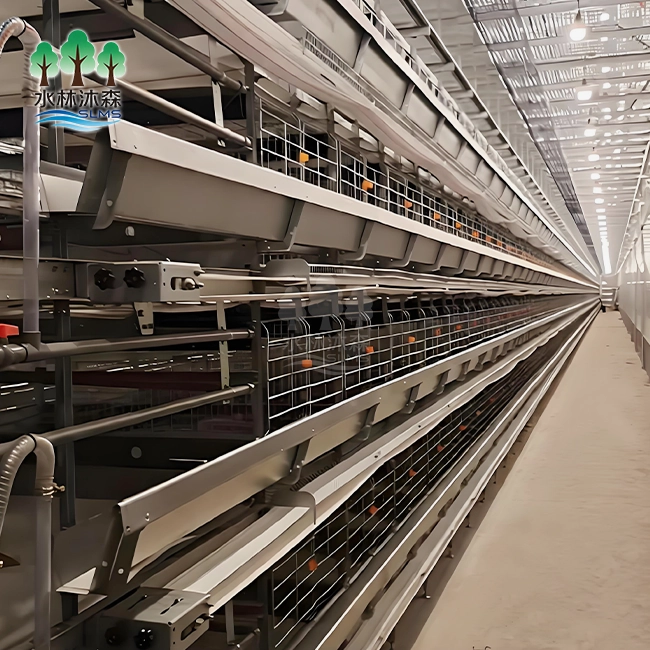
Best poultry house feeding pan options for small farms
Choosing the right food tools has a direct effect on your business's bottom line, the health of your birds, and how well your workers do their jobs. The Poultry House Feeding Pan is an important part of current small farm management because it controls the spread of feed so that there is less waste and more growth. When small-scale companies try to balance upfront costs with long-term practical savings, it can be hard. This is why smart equipment choices are so important for long-term success.
Introducing Poultry House Feeding Pans: Types, Materials, and Benefits
From simple bowls to complex distribution systems, Poultry House Feeding Pans have come a long way. These devices are important links between your group and your feed delivery system. They're meant to make sure that every bird gets the same amount of food and that you don't waste food, which costs you money.
Manual Versus Automated Pan Systems
With a manual Poultry House Feeding Pan, the user has to directly spread the food, which is simple but takes a lot of work. Automatic pan systems work with auger-driven feed lines to give exact amounts on times that have been planned. According to research from the University of Georgia's Poultry Science Department, automated systems can cut feed waste by up to 15% compared to human methods. This can save a lot of money each year for businesses with more than 5,000 birds.
Material Composition and Performance Characteristics
Polypropylene (PP) and polyethylene (PE) are the most common materials used to make Poultry House Feeding Pans because they are very durable and don't react with chemicals. PP pans don't break down when they come in contact with acidic cleaners and alkaline disinfectants. They keep their structure integrity through many production cycles. These materials don't rust when wetness and ammonia build up, which can happen in places where chickens live. There are choices made of stainless steel for certain uses, but they usually cost more than a small farm can afford.
Core Benefits for Small Operations
When Poultry House Feeding Pans are well-designed, they have many practical benefits. The protective screen design stops birds from spreading food while they eat, which is one of the biggest problems in managing chickens that costs a lot of money. Spreading out feed evenly helps flocks grow steadily, which lowers the weight differences that make marketing choices harder. Maintaining hygiene is easier when surfaces are smooth, easy to clean, and don't let germs grow. According to studies of the lifecycle of farming tools, these benefits build up over time. If systems are well taken care of, they will pay for themselves within 18 to 24 months.


How to Choose the Best Poultry Feeding Pan for Small Farms?
When making decisions about what to buy, you need to make sure that the equipment specs match up with how things actually work. When you rush through this decision process, you often end up with systems that don't work well together or need expensive upgrades.
Evaluating Flock Size and Compartment Configuration
The number of birds in your area directly affects the size of your Poultry House Feeding Pans. The 8-compartment layout works well for businesses that care for 200 to 500 birds because it gives workers enough entry points without taking up too much space. 14-compartment models are good for farms with 500 to 2,000 birds because they combine capacity with equipment size. If you have more than 2,000 birds, you should look into 16-compartment systems that make food stations more efficient. Each section can easily hold 45 to 55 birds, which keeps them from getting stressed out from competition, which lowers feed conversion rates.
Material Quality Assessment
When it comes to durability, virgin polymer building is better than recycled material options. Some signs of quality are even color spread, a see-through look in natural light, and walls that are the same width all the way through. Ask for material certificates that prove it is chemically resistant to chlorine dioxide and quaternary ammonium compounds, which are popular disinfectants used on poultry farms. Drop-test certifications at temperatures ranging from -20°C to 40°C show that the product can handle changes in seasonal temperatures.
Integration Capabilities
Look at how potential Poultry House Feeding Pans will fit in with the equipment that is already there. It's easier to install and maintain modular designs that have flexible tray steps, feed doors that are easy to reach, and bases that can be taken off. Systems should be able to handle different hanging heights so that they can work with birds at all times of their lives, from chicks to adults. Compatibility with common auger systems keeps construction costs low by avoiding the need for expensive custom manufacturing.
Top Poultry Feeding Pan Models for Small Farms in 2026
Although there are many options on the market, there are some combinations that always work better for small farm uses. Based on user comments and performance data, our research is more focused on practical specs than on marketing claims.
Model Comparison Framework
The Shuilin Musen 8-compartment Poultry House Feeding Pan is a good starting point for smaller businesses because it is reasonably priced and still meets important quality standards. Compared to open trough systems, its safe screen design cuts feed waste by about 12%. The center feed tube makes sure that the material is spread out evenly, and the acid-resistant PP construction can handle harsh cleaning methods without breaking down.
The 14-compartment layout is useful for mid-level activities because it improves the capacity of the feeding station without needing more floor room. This model is also equipped with a Poultry House Feeding Pan that integrates seamlessly into the design, allowing for efficient feed distribution across all compartments. Its base parts can be taken off and cleaned thoroughly between production rounds, which helps with biosecurity issues that come up in high-density settings.
The 16-compartment Poultry House Feeding Pan is the best choice for farms that are growing. With a single feed line integration, its increased ability can handle group numbers of up to 2,500 birds. The flexible design has locking latches that are made to stay in place even when the auger is turning every day and birds are using the area.
Cost-Efficiency Analysis
The pricing systems are based on the number of compartments and the materials that are used. The 8-compartment unit costs about $18 to $28 per pan, the 14-compartment unit costs about $32 to $45, and the 16-compartment unit costs about $48 to $65. These numbers change depending on the number of orders, the level of customization needed, and the difficulties of shipping. To figure out the total cost of ownership, you need to know how long the item is expected to last. If you follow the care instructions, a good PP Poultry House Feeding Pan will last for 5 to 7 years.
When it comes to automatic integration, energy saving is mostly a factor. Electric auger systems that use between 0.5 and 1.2 kW per hour allow for exact feeding plans that improve feed conversion while lowering electricity costs compared to designs that run all the time.
Maintenance and Cleaning Tips for Longevity and Hygiene
Regular repair schedules that stop early wear and contamination building are important for keeping equipment in good shape for a long time. Not doing these things hurts the health of the group and speeds up the renewal cycle.
Routine Maintenance Schedules
Visual checks done every day find technical problems before they get worse. Make sure there are no blockages in the center lines that affect the flow of feed. Getting rid of the leftover feed once a week stops germs from growing, especially in warm, muggy places. Deep cleaning once a month with approved disinfectants gets rid of disease storage. When not in use, take apart any moveable parts to clean them completely, paying special attention to cracks and gaps where dirt and other organic matter can hide.
Material-Specific Cleaning Protocols
PP and PE materials can handle high-pressure washing, but they shouldn't be scrubbed rough, which can leave scratches on the surface that bacteria can live in. For regular cleaning, use pH-neutral soaps. For cleaning after the flock, save the stronger disinfectants. Thoroughly rinse to get rid of any chemical leftovers that could make the food taste bad or cause bad reactions. To stop mold from growing, let the feed dry out completely before adding it again.
Damage Detection and Replacement Criteria
Check the protected grilles for cracks or deformations that could make them less effective at stopping waste. Check the fixing latches for any signs of loosening that would let the Poultry House Feeding Pan move while it is being fed. Check the center feed tube for signs of wear that show the auger is not aligned correctly. Replace pans that are structurally damaged, keep smells in even after being cleaned, or have worn-down surfaces with sharp edges that could hurt birds.
Sourcing and Procurement: Buying the Right Poultry Feeding Pan
Choosing a supplier has effects that last longer than the original cost of the buy. Reliable relationships protect your investment by giving you technical help, guarantee fulfillment, and quick service.
Supplier Evaluation Criteria
Check the manufacturing experience of established providers who can show that their products have been improved through multiple design changes. For eight years, Weifang Shuilin Musen Aquaculture Equipment Co., Ltd. has been specializing in agricultural machinery. They have a five-engineer research and development team that releases three new product lines every year. This ability to innovate makes sure that you can get the newest material and performance gains.
Quality control steps separate trustworthy producers from sellers of basic goods. Comprehensive testing procedures, such as drop-impact tests, UV aging models, and dimensional tolerance checks, show a dedication to consistently high product quality. During the evaluation of the seller, ask for written proof of these testing methods.
Procurement Strategies for Value Optimization
When you order Poultry House Feeding Pan in bulk, you save a lot of money per unit. Orders over 100 units get prices running from 8% to 15%. It is important for holiday businesses to make sure that the payment terms they offer work with their cash flow processes. OEM customization services can handle different farm plans, such as custom color coding for sites that house more than one species.
Important safety comes from warranties. Reliable sources offer at least a one-year warranty that covers manufacturing flaws and material failures. During the discussion, make it clear how to file a guarantee claim and when the replacement will be sent. Technical support, such as installing guides and help with fixing problems, adds a lot of value on top of the product itself.
2026 Pricing Trends and Market Dynamics
After being unstable from 2022 to 2023, the prices of raw materials for pure PP have leveled off. This means that prices can be predicted for making purchases. Shipping procedures are still not standardized. Buying from well-known domestic suppliers like Shuilin Musen can save you money and time compared to buying from foreign suppliers. When you buy in the spring, prices are usually better because makers are competing for orders for the production season.
Conclusion
When choosing the right Poultry House Feeding Pans, you have to weigh short-term budget concerns against long-term operating efficiency. The main things that should influence your choice are the number of compartments that fit your flock's size, the durability of the materials used, and how reliable the seller is when it comes to ongoing support. Quality equipment cuts down on wasted feed, improves flock health, and makes day-to-day management easier, all of which provide measured returns that support a careful initial investment.
FAQ
What compartment size suits a 1,000-bird operation?
A 14-compartment Poultry House Feeding Pan works well for about 1,000 birds because it has enough feeding spots without being too crowded. This size is based on the idea that there should be 45 to 55 birds per pan, which makes it easy for them to get to and reduces competition stress.
How often should feeding pans undergo deep cleaning?
Thoroughly clean between production cycles, and do spot cleaning once a week when plants are actively growing. In places with a lot of humidity, you may need to clean more often to keep germs from taking over and keep up with cleaning standards.
Do automated feeding pans justify higher costs for small farms?
Automated systems save workers time and improve feed conversion rates, which usually pay for their higher starting cost within two production cycles. Farms with more than 2,000 birds see the biggest gains in efficiency, but smaller farms also benefit from less daily management work.
Can feeding pans accommodate different poultry species?
Some quality pan shapes work well for chicken, duck, and turkey, but the best depth for each species is different. Individual turkeys need about 30% more space than ducks, and ducks do better with slightly deeper Poultry House Feeding Pans because of how they like to eat.
Partner with Shuilin Musen Aquaculture Equipment Co., Ltd. for Your Feeding Solutions
The Shuilin Musen Aquaculture Equipment Co., Ltd. offers complete options for feeding chickens. They have eight years of experience with farming tools. Our qualifications as a Poultry House Feeding Pan manufacturer include strict quality control, customizable layouts with 8 to 16 sections, and corrosion-resistant PP construction made for harsh farm settings. We do more than just sell tools. We also offer installation videos, a one-year warranty, and quick expert support to help you with any problems you're having with your operations.
Our facility in Qingzhou City serves markets in North America by providing reliable shipping operations and low bulk prices. Email our team at wangshuaislms@gmail.com to talk about your unique needs, get personalized quotes, and get access to full technical specs. You can look at our whole line of products at slms-equipment.com and learn how our feeding systems cut down on costs while improving group performance. Your success pushes us to come up with new ideas, and we're dedicated to helping your farm grow by giving you reliable tools and quick service.
References
1. Appleby, M.C., Mench, J.A., & Hughes, B.O. (2004). Poultry Behaviour and Welfare. CABI Publishing, Wallingford, UK.
2. Dozier, W.A., Lott, B.D., & Branton, S.L. (2003). "Growth Responses of Male Broilers Subjected to Increasing Air Velocities at Different Ages." Journal of Applied Poultry Research, 12(4), 418-425.
3. Leeson, S., & Summers, J.D. (2005). Commercial Poultry Nutrition (3rd ed.). University Books, Guelph, Ontario.
4. National Research Council (1994). Nutrient Requirements of Poultry (9th rev. ed.). National Academy Press, Washington, DC.
5. Tabler, G.T., & Wells, J.B. (2017). "Feed Conversion in Commercial Broiler Production: Influences and Management Strategies." Mississippi State University Extension Service Publication 2764.
6. van Horne, P.L.M., & Achterbosch, T.J. (2008). "Animal Welfare in Poultry Production Systems: Impact of EU Standards on World Trade." Agricultural Economics Research Institute Report 2008-077, The Hague, Netherlands.
Learn about our latest products and discounts through SMS or email