Best poultry house pipe clamp brackets for heavy-duty use
Purchasing managers and farm workers require durable Poultry House Pipe Clamp Brackets for heavy-duty use. A Poultry House Pipe Clamp Bracket for commercial usage must withstand corrosion and protect feeding lines, water distribution networks, and air ducts. High-strength materials, excellent load distribution, and corrosion resistance make the ideal heavy-duty bracket. It stabilizes pipes in turkey farms, broiler houses, and layer facilities for thousands of hours.
Understanding Heavy-Duty Poultry House Pipe Clamp Brackets
Heavy-duty pipe supports differ from household and small business ones. These brackets are continuously exposed to ammonia, dampness, and cleaning chemicals in cattle-heavy areas. This option accelerates material deterioration if hardware doesn't meet industry requirements.
Purpose and Functional Requirements
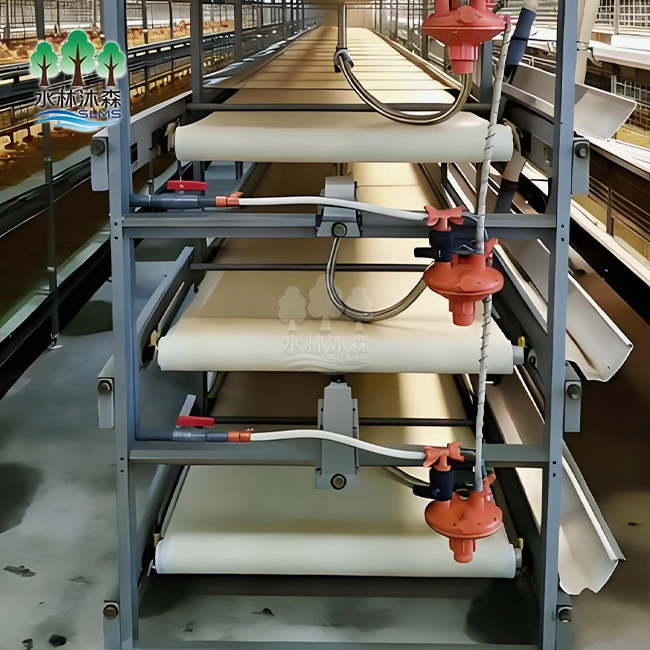
Modern chicken farms need automatic feeding systems, nipple drinking lines, and negative pressure ventilation. Pipe supports prevent pipes from dropping, which can create uneven water flow in drinking lines, stabilize feeding pipes during auger operation, and hold pipes in place during home cleaning. Each bracket must bear static loads from water-filled lines, generally three to four kilos per square meter, and dynamic strains from equipment movement and temperature variations.
Material Composition and Performance
The zinc coating on hot-dip galvanized steel makes it rust-resistant. This material can withstand chicken waste's organic acids and high humidity. In regions with much chlorine-based cleaning, grade 304 stainless steel lasts longer. In most applications, its chromium presence creates an inactive oxide layer that heals tiny scratches, extending its lifespan beyond 10 years.
Engineered polymers like high-impact polyethylene are used for some applications. These polymer brackets don't induce galvanic corrosion when holding PVC or HDPE lines, however they can't handle as much weight as metal brackets. Material choice affects equipment's initial cost and lifetime cost of ownership.
Size Range and Load Specifications
Industrial pipe brackets can support Φ6 mm electrical wires and Φ75 mm main ventilation trunks. This extensive compatibility means you don't need to have various brackets on hand, making buying them quicker and saving space. How brackets are fixed affects load ratings. Wall brackets can handle 15–30 kilos, whereas ceiling brackets for drinking lines may hold 10–20 kg. To distribute load properly, brackets must be placed every two to three meters along horizontal runs. At directional shifts, when tension is highest, brackets should be closer together.


How to Choose the Best Pipe Support System for Your Operation?
To pick the proper hardware, like the Poultry House Pipe Clamp Bracket, make sure its characteristics match your workplace and infrastructure. Systematic assessment of key aspects affecting long-term success aids decision-making.
Environmental Analysis and Load Assessment
Write out your buildings' chemical exposure profiles. Homes that are fumigated with acidic water or formaldehyde need chemical-resistant materials. Warm to cold temperatures produces expansion stress that weaker frames can't withstand. Check the media-filled pipes' weight. Water lines that support 12,000 birds can weigh over 100 kg, thus load estimations must incorporate safety margins.
Material Performance Comparison
Hot-dip galvanized steel is suitable for regular use. Its zinc coating is normally around 70 microns thick, therefore it lasts 15–20 years before rusting. Installation requires common tools and processes for repair teams. Grade 304 stainless steel is worth the extra cost if zinc parts corrode too quickly. Stainless steel parts survive 60% longer than coated steel ones when cleaned with hydrogen peroxide or peracetic acid.
Engineering plastics are suitable for biological processes where metal shouldn't touch feed or water. The vendor can verify the purity of virgin polypropylene, which resists ammonia stress cracking better than recovered materials. Hybrid designs with metal bases and polymer clamp bodies balance strength and corrosion resistance for moderate-stress conditions.
Installation Complexity and Maintenance Requirements
Compare anchoring systems to building construction. Concrete and stone walls can securely carry expansion bolts, while metal-framed buildings may need beam clamps or other fasteners. Adjustable clamps prevent installation mistakes better than fixed-position designs, saving setup time. Accessibility matters for maintenance. Brackets above feeding equipment or in narrow spaces complicate examination and maintenance.
Consider entire ownership expenses, not just purchase price. Replacement brackets every three years cost more to install and cause more issues than excellent parts that last 10 years. Field success from previous installations is better than manufacturer claims.
Installation and Maintenance Best Practices
How a system is installed affects its stability and component life. You can prevent pipeline-safety-compromising failure scenarios by following established guidelines.
Step-by-Step Installation Protocol
First, match pipe routing with structure portions that can support various loads. Mark bracket placement at regular intervals, allowing for thermal expansion. Pre-drill holes as directed by the manufacturer. Too small holes may break the anchor, while too large holes would weaken it. Use calibrated tools for screw torque values. The brackets will bend if overtightened and come off if undertightened when the system shakes.
Place clamp bodies to distribute load and eliminate stress spots. Avoid point loads greater than the material's local strength. Put boxes on horizontal runs at a slight upward slant to provide for settlement. Check orientation using levels and string lines before correcting. If not, binding forces will be off, speeding wear.
Preventive Maintenance Schedules
Check for corrosion, fastener tightness, and material wear every three months. Rusted parts with white zinc oxide coatings are actively corroding and may need to be replaced within a year. Check stainless steel tea-staining or crevice corrosion where it will contact. Vibration loosening worsens over time, so tighten screws immediately.
A yearly thorough cleaning removes dust and biological debris from metal surfaces and prevents water loss. Apply protective coatings to base metal scratches. Take dated images of parts to track their breakdown and determine when they need to be replaced. This intended strategy extends hardware life by 30–40% over reactive repair methods.
Facilities using these approaches have reduced failure rates. With organized inspections, one eight-house broiler complex reduced Poultry House Pipe Clamp Bracket replacements from forty to ten per year. This eliminated three pipeline failures that were making flock management difficult and saved the firm $2,000 per year in parts and labor.
Market Overview: Leading Products and Procurement Considerations
Market demand for bands that mix performance and environmental friendliness is expanding. Manufacturers are preferring powder-coated finishes because they decrease volatile organic compound emissions and provide the same corrosion protection as galvanizing. Customization has become a market differentiator. Top suppliers may adjust order sizes in five business days and accommodate unique material needs for dangerous circumstances. Most bulk price systems give 15–25% reductions on orders of 500 or more units, while freight optimization can cut container-load delivery costs.
Product complexity affects lead times. Standard zinc brackets ship in the US about a week. Getting materials and fabricating brackets for custom stainless steel installations might take four to six weeks. Minimum order quantity is 50–200 units, depending on requirements. Standard goods have a lower minimum order quantity than bespoke ones. Suppliers that create items in North America provide speedier delivery and easy customs. Asian manufacturers provide reduced container shipping unit rates, but you must plan ahead and buy enough to cover freight charges.
Trusted Suppliers and Manufacturers of Heavy-Duty Brackets
You must consider more than specs while assessing vendors for the Poultry House Pipe Clamp Bracket. Industry certifications like ISO 9001 provide proven quality management systems, and environmental certifications demonstrate ethical production processes that corporate purchasers increasingly value.
Request alloy composition and mechanical properties certifications. Reliable manufacturers provide mill test results showing raw material origin and cultivation. To ensure quality, measurements should be reviewed, sample batches loaded, and quick corrosion tests performed to replicate years of field contact.
Customer evaluations from connected businesses are crucial. If product lifetime and source responsiveness are promised, check with analogous business references. If anything fails too quickly, a complete guarantee, generally one year against manufacturing problems, will refund your money, but the supplier's willingness to satisfy claims is more crucial than the stated conditions.
Weifang Shuilin Musen Aquaculture Equipment Co., Ltd., with eight years of farming and livestock machinery expertise, serves poultry infrastructure. Our technical team has developed pipe support solutions for large poultry farms' harsh conditions. We produce hot-dip galvanized and 304 stainless steel clamps for Φ6 to Φ75 millimeter pipes. Our products operate well with automatic feeding, drinking, and air systems.
We provide video installation instructions and a one-year warranty on all items. Expert support is accessible throughout the product's lifespan for customization and operational needs.
Conclusion
To pick the correct heavy-duty pipe supports, consider material performance, load capacity, environmental resistance, and total cost of ownership. Most conditions are dependable with hot-dip galvanizing steel, although extreme environments deserve stainless steel's increased price. Following the manufacturer's recommendations and performing regular preventative maintenance might extend its lifespan.
Suppliers of Poultry House Pipe Clamp Bracket must disclose where they source their goods, how they assess quality, and what support they can provide after delivery for purchasing partnerships to succeed. Businesses that invest in high-quality parts and coordinated maintenance practices enjoy reduced failure rates and longer replacement cycles.
FAQ
What material provides the best durability for poultry house applications?
Hot-dip galvanized steel delivers the greatest value for most configurations. In regular chicken house circumstances, it lasts 15–20 years. When cleaned with peracetic acid or hydrogen peroxide, grade 304 stainless steel lasts 25 years or more. High-impact polyethylene prevents metal from touching feed or water systems, making it useful. It nevertheless has a lesser load capacity than metal.
How do I determine the correct load rating for my infrastructure?
Calculate pipe weight, including medium. Water-filled drinking lines weigh 3-4 kg/m. Add 20% as a safety range for dynamic loads from tools interacting and temperature cycling. The per-bracket loads are the total weight divided by the brackets. Maintain this level below manufacturer's advice.
Can brackets be customized for non-standard pipe sizes?
Reliable builders provide custom construction for specified sizes. If the specification is intricate, the minimum order quantity is 100 to 300 units, and updated measurements take four to six weeks. Give precise measurements and application details to ensure items fit and operate.
Partner with Shuilin Musen for Reliable Poultry Infrastructure Solutions
For your poultry company, Shuilin Musen Aquaculture Equipment Co., Ltd. offers heavy-duty Poultry House Pipe Clamp Brackets for tough farming conditions. As a leading Poultry House Pipe Clamp Bracket manufacturer, we combine material understanding with eight years of animal experience. We provide galvanized and stainless steel products in diameters Φ6 to Φ75 millimeters. We provide technical support and a one-year warranty. contact us at wangshuaislms@gmail.com to discuss your needs, acquire product details, or request an evaluation sample. We offer unique solutions to minimize service costs and improve system reliability across all sites.
References
1. American Society of Agricultural and Biological Engineers. (2019). Standards for Ventilation and Environmental Control in Poultry Housing. ASABE Publication EP270.5.
2. National Poultry Technology Center. (2021). Infrastructure Design Guidelines for Intensive Poultry Operations. Auburn University Agricultural Engineering Department.
3. Midwest Plan Service. (2018). Poultry Housing and Equipment Handbook. MWPS-34, Iowa State University Extension.
4. Agricultural Equipment Manufacturers Association. (2022). Material Selection Guide for Corrosive Agricultural Environments. AEMA Technical Bulletin 2022-08.
5. Poultry Engineering, Economics & Management newsletter. (2020). Life Cycle Cost Analysis of Poultry House Infrastructure Components. Volume 12, Issue 4.
6. International Commission of Agricultural Engineering. (2023). Best Practices for Installation and Maintenance of Livestock Facility Support Systems. CIGR Technical Report Series No. 47.
Learn about our latest products and discounts through SMS or email