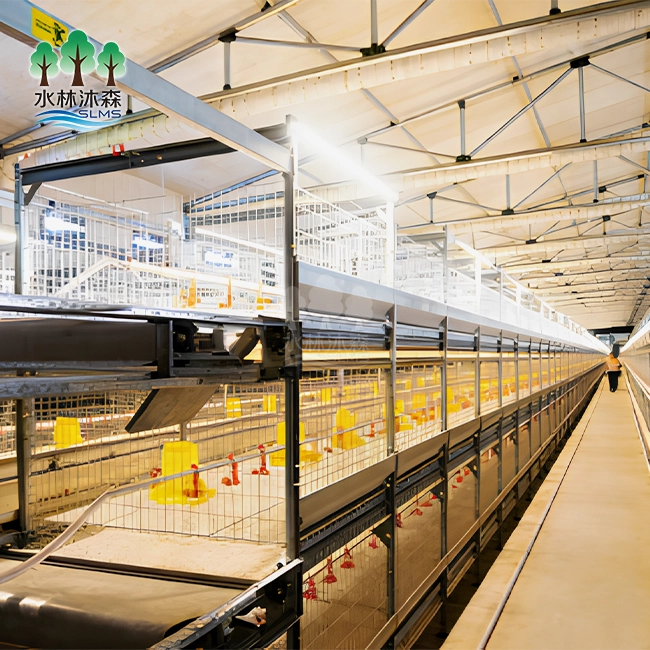
Top-rated plastic turnover cages designed for poultry house use
In large-scale poultry farms, equipment choice affects productivity, bird welfare, and profitability. A high-quality polypropylene or polyethylene Plastic Turnover Cage for Poultry House provides logistics and shelter. These cages improve agricultural processes, transport birds humanely, and prevent disease transmission. Modern plastic turnover cages solve the operational problems of broiler farms, layer operations, and poultry processing plants across the US by combining ventilation efficiency with sanitary ease.
Understanding Plastic Turnover Cages for Poultry Houses
Equipment that blends durability and animal welfare is essential for poultry handling. Plastic turnover cages outperform traditional systems in structural and operational efficiency.
Core Functions and Design Philosophy
These containers ensure safe, well-ventilated chicken handling from farm collection to processing plant delivery. High-aperture lattice structures optimize airflow, avoiding transport-related heat stress and ammonia buildup. This design aspect is crucial for stacking many units during high season logistics. Our Shuilin Musen units include cage door assemblies that open easily for fast loading and unloading. Farms handling thousands of birds everyday need the tiered support structure's solidity when completely stacked.
Material Selection and Environmental Considerations
Plastics that withstand chicken manure and cleaning chemicals are HDPE and polypropylene. These polymers resist brittleness and warping from frigid winter transit conditions to summer heat. Bacteria cannot stick to the non-porous surface, making it cleaner than hardwood counterparts. Environmental sustainability impacts purchases more. Quality virgin plastic cages survive three to five years under intense rotation schedules, making them a better long-term investment than disposable ones.
Accommodating Various Poultry Species and Scales
Birds have various needs. Our regular proportions (750×550×230mm and 750×550×330mm) suit broilers, layers, turkeys, and ducks at various growth phases. The shallow profile favors younger birds, whereas the deeper one suits older birds. This adaptability lets farmers standardize equipment across production lines, easing inventories and maintenance.


Comparing Plastic Turnover Cages to Metal Alternatives: Which Is Best for Your Poultry Farm?
Procurement managers often choose plastic or metal. Both materials have benefits, but operational context dictates the best choice.
Durability and Maintenance Requirements
Metal cages were thought to be tough, however ammonia-rich poultry conditions can cause rust and corrosion. After the coating breaks, galvanized steel deteriorates faster. Stainless steel alternatives avoid corrosion but are too expensive for large-scale applications. Plastics are corrosion-proof. Moisture, trash, and disinfectants do not degrade them. Periodic washing replaces metal system rust checks and coating repairs. Switching from metal to quality plastic systems saves farms around 40% in maintenance.
Cleaning Protocols and Biosecurity Advantages
Biosecurity is essential in contemporary poultry operations. High-pressure rinses or disassembly for soaking and disinfection clean hard-to-reach spots and reduce bacterial development in our Plastic Turnover Cage for Poultry House units. Smooth interior surfaces reduce Salmonella repository crevices. Routine cleaning cannot reach dozens of disease habitats in metal cages with welded seams and rivet connections. This structural variation affects flock health and regulatory compliance, especially for USDA-inspected businesses.
Total Cost of Ownership Analysis
Initial purchase price is only part of the financial picture. Replacement cycles, maintenance work, and disease-related losses make metal cages less cost-effective. Established manufacturers' plastic units have predictable service lifetimes with minimum intervention, lowering lifecycle costs. No rust-related failures mean no unexpected replacement costs during key production.
How to Select the Best Plastic Turnover Cage for Your Poultry House?
Strategic buying requires equipment specs to match operations. This selection is based on several important aspects.
Capacity and Dimensional Compatibility
Bird density laws vary by species and jurisdiction. A 750×550×270mm cage can hold 10-12 2.5kg broilers, with lower restrictions set by state-specific animal welfare laws. Operations must assess peak collection day capacity needs and choose specifications that optimize truck loading efficiency and compliance. Cage strength and vehicle design restrict stack height. Our layered support structure stabilizes eight- to ten-tier columns, maximizing transport cubic space. This stacking capacity affects logistics costs, which is important in multi-state distribution networks.
Ventilation Efficiency and Bird Welfare
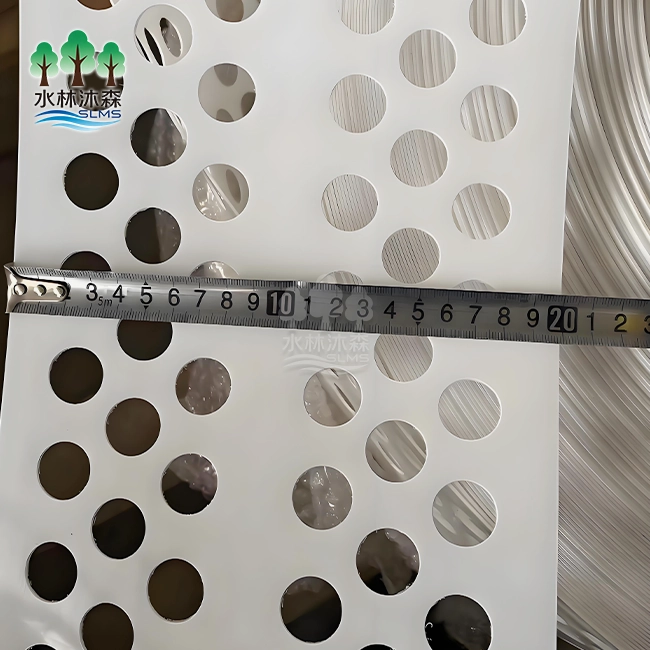
Lattice pattern balancing needs engineering. Openings must enable ventilation without trapping limbs or enabling escape. Over 60% of our designs are open, guaranteeing ventilation and structural integrity under stress. This criterion is crucial in summer travel when poor airflow causes heat death and economic losses.
Supplier Reliability and Technical Support
Equipment purchases start a long-term partnership. Installation tutorials and technical help allow easy connection with current agricultural systems. Our expert support staff answers issues throughout deployment, decreasing downtime and operator training. Farms increasing productivity or implementing new management practices benefit from this support system.
Customization Options for Large-Scale Operations
Standardized goods work well for many applications, but operational needs may need customization. Customers can customize size, color code for flock tracking, and add functionality for automated handling systems. Modification capabilities help large distributors and contract farmers create equipment solutions that work with proprietary management systems. Bulk buying benefits go beyond unit price. Order consolidation reduces shipping costs, simplifies inventory management, and ensures equipment uniformity across sites. Vendor alliances offer preferential access during supply chain interruptions, a topic of contemporary logistical issues.
Maintenance and Best Practices for Plastic Turnover Cages
Good maintenance extends equipment life and protects flocks. Minimal time investment yields high rewards through lower replacement costs and biosecurity.
Cleaning Protocol and Sanitization Standards
Minimum wash cycles should occur between flocks, with more frequent cleaning advised during disease outbreaks or bird type changes. High-pressure washing eliminates organic waste, whereas quaternary ammonium or peroxide-based disinfectants are broad-spectrum.
Thermal sanitization for tunnel washing systems is possible with our plastic structure, which can resist 80°C. The same cleaning and disinfection protocols apply to the Plastic Turnover Cage for Poultry House, ensuring biosecurity and durability during repeated high-pressure washing and thermal sanitization cycles between flocks. Thorough drying prevents mold development and pest-attracting standing water. Stacking cages in well-ventilated storage spaces between usage preserves material integrity and deployment readiness.
Preventative Inspection and Damage Avoidance
Monthly inspections spot problems before they disrupt service. Verify door latch engagement, corner stress fractures, and support structure security. Poor handling causes most damage—dropping or dragging equipment across uneven surfaces promotes wear. Accidents are greatly reduced by proper lifting and stacking training. Simple operational requirements defend your equipment investment and ensure workplace safety.
Service Life Extension and Replacement Timing
Virgin HDPE cages endure three to five years under heavy commercial use. Most recycled material units last one to two years before cold-weather cracking requires replacement. Knowing these lifespan assumptions helps with depreciation and replacement budgeting. Replacement is needed when structural components break or locks fail. Procurement managers may trust their investment with our one-year free warranty throughout the essential first service period.
Leading Plastic Turnover Cage Manufacturers and Reliable Procurement Channels
Finding reliable vendors completes the buying process after choosing equipment.
Manufacturer Credentials and Innovation Track Record
Eight years of agriculture and animal machinery development make Shuilin Musen Aquaculture Equipment Co., Ltd. a complete service provider. Our five skilled engineers generate almost three new items annually to stay ahead of market demands. As manufacturing processes improve, this innovation capability keeps equipment acquisitions relevant.
This commitment to continuous innovation is fully reflected in our Plastic Turnover Cage for Poultry House, which incorporates the latest material science and biosecurity features to meet evolving poultry farm requirements. We believe technical innovation improves products and quality control generates brand trust. From raw material selection to delivery, every item is tested, setting performance standards farmers rely on season after season.
Quality Control Systems and Material Standards
We check every production stage for quality. The robust plastic structure withstands chicken house humidity and excrement. Materials fulfill industrial durability and safety standards and function well after repeated washing and sanitization. Quality assurance means longer service life and cheaper replacement costs for your operation.
Procurement Process and Partnership Development
Communicating operational needs starts supplier relationships. Please email wangshuaislms@gmail.com with flock size, bird kind, and integration requirements. We adjust recommendations to equipment capabilities and production realities. Our established supply channels retain inventories for common configurations, but lead times vary by order volume and customisation. With logistical support, single pallet orders to entire container loads are sent to your business on time. Beyond individual transactions, long-term relationships include priority allocation during peak demand, technical advice for facility expansions, and preferential pricing for committed volume consumers.
Conclusion
Through corrosion resistance, biosecurity, and decreased maintenance, the Plastic Turnover Cage for Poultry House systems benefit chicken house operations. Selection of appropriate dimensions, material quality verification, and partnership with proven manufacturers guarantee equipment investments meet production goals during multi-year service lifetimes. The switch from metal or wood systems needs some adjustment, but farms report efficiency benefits and cost savings that justify it. Equipment that prioritizes durability, animal welfare, and operational flexibility will help poultry companies succeed in competitive markets as production scales grow and regulatory demands change.
FAQ
How does plastic performance compare to metal in freezing conditions?
Made from virgin materials with impact modifiers, high-quality HDPE Plastic Turnover Cage for Poultry House units can withstand -25°C. Contact damage to birds may result from metal alternatives conducting cold better. Purchasing recycled plastic units requires material origin verification since freezing makes them brittle.
What cleaning frequency maintains optimal biosecurity?
Professionals recommend cleaning and disinfecting between flock placements. Operations with disease issues or regulatory inspections should increase frequently. Non-porous surfaces provide fast cleaning—most farms sanitize each unit in 15-20 minutes with regular pressure washing equipment.
Can dimensions be customized for specific poultry types?
Our customized services are operational-specific. Height adjustments for different bird sizes, reinforced corners for automated handling systems, and flock management color coding are common adaptations. Custom requirements need minimum order quantities based on modification complexity. Contact our engineering team for details.
Partner with a Trusted Plastic Turnover Cage for Poultry House Manufacturer
Shuilin Musen Aquaculture Equipment Co., Ltd. integrates eight years of expertise with continual innovation to provide cost-effective and efficient equipment solutions. Plastic Turnover Cage for Poultry House systems from our company offer industry-leading durability, technical assistance, and customizable customisation for farms of any size. Our staff has the experience and product quality you need to run a regional business or multi-state manufacturing network. Contact wangshuaislms@gmail.com immediately to discuss your needs, request specifications, or order product samples.
References
1. National Chicken Council. (2021). Animal Welfare Guidelines and Audit Checklist for Broiler Chickens. Washington, DC: National Chicken Council.
2. Whyte, R.T. (2019). Poultry Transport Containers: Design, Materials, and Welfare Implications. Journal of Applied Poultry Research, 28(3), 567-579.
3. Food Safety and Inspection Service. (2020). Sanitation Performance Standards Compliance Guide. United States Department of Agriculture.
4. Kettlewell, P.J., & Mitchell, M.A. (2018). Thermal Environment and Ventilation Requirements for Poultry Transport. World's Poultry Science Journal, 74(2), 365-378.
5. American Society of Agricultural and Biological Engineers. (2019). Design and Construction of Poultry Housing and Equipment. ASABE Standards EP524.3.
6. Weeks, C.A., & Nicol, C.J. (2017). Materials and Design Considerations for Commercial Poultry Handling Systems. Animal Welfare, 26(4), 401-413.
Learn about our latest products and discounts through SMS or email