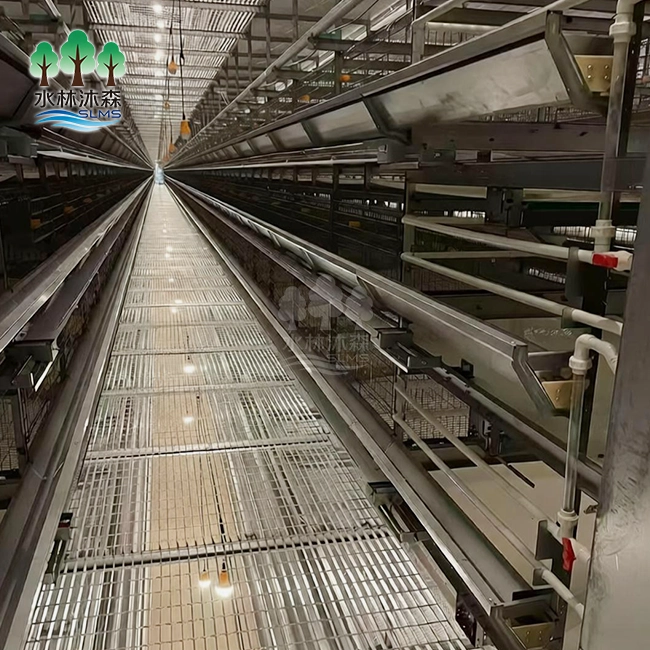
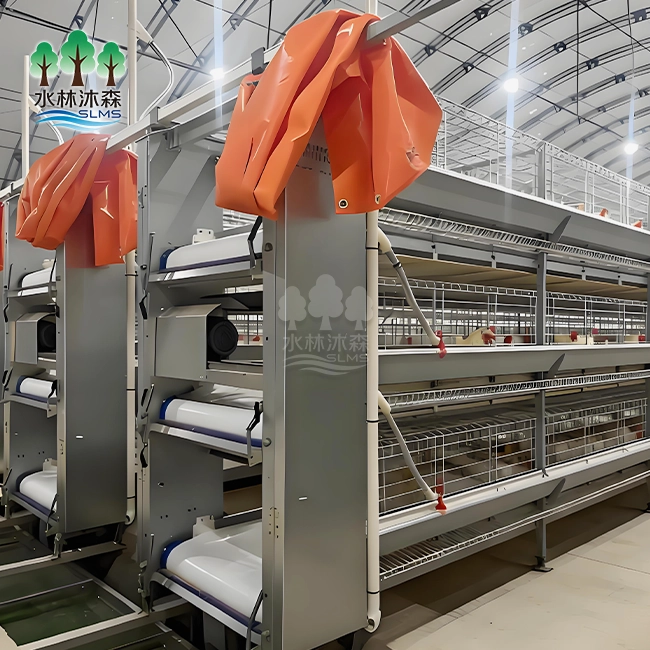
Best poultry silo feeding system options for commercial farms
If you run a business chicken farm, choosing the right equipment for storing and delivering feed can make or break your profits. A poultry silo feeding system combines centralized bulk storage with automatic delivery systems that cut down on work, keep feed quality high, and make sure your flocks always get the right nutrition. There are 5 to 30 ton systems for big farms with over 100,000 birds, as well as 5 ton systems that are good for medium-sized businesses. Modern silo systems solve important problems like feed going bad, inefficient work, and infection risks. They do this by using galvanized steel, built-in level monitors, and weather-resistant designs.


Understanding Poultry Silo Feeding Systems: Components and Functionality
Modern methods for storing feed depend on a number of linked parts working together without any problems. By understanding how these parts work, you can figure out which setups meet your practical needs.
Core Structural Elements
The main body is usually made up of steel plates that have been treated with high-zinc metal and shaped into a tall tower shape. This design makes the most of the storage room while taking up as little floor space as possible, which is helpful when dealing with limited farm land. The perforated steel construction makes the structure strong against wind loads and protects the feed by stopping UV rays that break down nutrients. Supporting frames hold the whole thing together, spreading weight evenly and making sure it stays stable even when it's fully loaded. With access ladders and viewing holes, repair can be done safely without the need for special tools.
Automated Delivery Mechanisms
Unloading is the most important part of automatic feed distribution. Feed is moved from the bottom of the bin to feeding lines in your chicken houses by auger elevators that use PVC tubes. These helix augers work at speeds that are just right to keep the feed from separating while still being soft enough to keep the pellets whole.
Level sensors constantly check the amount of feed going through, letting workers know when refills are needed and stopping sudden feed outages. Rain caps protect the opening at the top from the weather, and vibrators at the base of the hopper stop feed bridging, which is when material forms an arch instead of running easily. This mix makes sure that supply stays steady no matter what kind of feed is used or what the weather is like.
Material Selection and Durability
The standard for corrosion protection in the business is high-tensile steel that has been hot-dip galvanized. The zinc covering is a sacrifice barrier that keeps water and chemicals from getting to the steel underneath. Hopper angles are usually 60 degrees or higher to use gravity to move things along more easily and with less motor stress. Special care is taken with the sealing process by using neoprene washers and mastic sealants at all bolt connections. These create walls that are waterproof, resistant to moisture and insects, and keep the feed's nutritional content fixed during storage times.
Comparing Top Poultry Silo Feeding System Options for Commercial Farms
For different operating scales and output methods, the system needs to have certain features. Knowing about these differences can help you find technology that works for you.
Automated Versus Semi-Automated Systems
Fully automatic systems work with software for managing farms, so they can be watched from afar and feeding times can be set in advance, integrating a poultry silo feeding system to streamline feed storage and distribution. When compared to manual methods, these systems cut the cost of work by more than 40% and give thorough data on consumption that helps with flock health research. Even though semi-automated choices need to be started by hand, they still get rid of the need to handle bags and do routine tasks. Which one you choose will rely on how much money you have and how willing you are to change the way you run your digital farm.
Capacity Configurations
Commercial small-scale companies with 5,000 to 15,000 birds can benefit from 5-ton to 10-ton units that can store feed for three to five days before deliveries. Medium-sized farms with 20,000 to 50,000 birds usually put in 15-ton to 20-ton systems that balance how often they deliver with how much space they take up. Large combined businesses with more than 100,000 birds often use several 25-ton to 30-ton silos carefully placed across several houses. This distributed method cuts down on the lengths that need to be sent while still providing enough surge capacity in case of transportation problems.
Gravity Feed Versus Pneumatic Delivery
In gravity-fed systems, the feed moves through pipes because of differences in height and natural flow. These systems are easy to use and use less energy, but they need to be placed carefully and may have trouble with fine mash meals. Positive air pressure is used in pneumatic systems to move feed through sealed tubes. This makes it possible for longer horizontal runs and vertical lifts. Even though air delivery uses more energy, it gives farmers more options for how their farms are set up and keeps the transport lines clean, which lowers the risk of cross-contamination.
Selecting the Best Poultry Silo Feeding System: Criteria & Decision-Making Guide
To find the right method for your needs, you need to look at a number of interconnected factors that affect both short-term prices and long-term value.
Evaluating Farm-Specific Requirements
Baseline capacity needs are based on the number of birds and how the home is set up. Broiler businesses that turn over a lot of food quickly need high delivery rates that can keep up with fast growth curves. Precision meters are useful for layer farms because they help with limited food plans that are needed to keep breeding stock from getting too fat. Figure out how much feed you need each day on average, and then make sure you have enough stock to last at least seven days between deliveries, taking into account changes in seasonal demand and possible supply chain delays.
Total Cost of Ownership Analysis
The initial costs of purchase are only one part of the total costs over the course of ownership. Installation services, which include preparing the base, putting together the structure, and connecting the electrical wiring, usually add 15% to 25% to the cost of the equipment. The amount of energy used by gravity-fed and gas systems is very different, which could have a huge effect on monthly running budgets, costing hundreds of dollars.
The amount of maintenance needed depends on how complicated the system is. For example, sensors, motors, and control systems in fully automatic setups need to be checked every year. Warranty coverage keeps parts from breaking down too soon, so full after-sales help is an important thing to look at when deciding what to buy.
Supplier Reliability and Support Infrastructure
Getting new parts and expert help when problems happen is important for making sure that equipment lasts as long as possible, and a poultry silo feeding system benefits greatly from this support. Suppliers with area service networks can handle important issues more quickly, keeping production from stopping too much. Your maintenance staff can do normal maintenance without any help from the provider thanks to installation video libraries and technical documents. Customization options let them fit into different farm setups or special food plans. Suppliers who offer on-site installation services make sure that everything is set up correctly, which stops common launching mistakes that cause equipment to wear out too quickly.
Installation, Maintenance, and Troubleshooting Best Practices
Installation Requirements and Standards
For foundation preparation, you need to think about both the weight that won't move when the foundation is fully loaded and the forces that will move when the foundation is filled. When concrete pads are the right size to spread the pressure, they stop the structure from sinking, which causes stress.
To make sure gravity flow works right and moving parts don't wear out unevenly, vertical tower positioning needs to be done with great care. Local rules say that electrical connections must be made in a certain way, and that sensitive control systems must be grounded so that they are safe from power surges. Ladders and platforms have safety railings around them to protect repair workers during checks.
Routine Maintenance Protocols
During cleaning rounds, leftover feed that bugs and germs like is removed. By emptying the silo all the way every six months, the inside can be carefully checked for rust, holes, or damage to the structure. Every three months, auger parts need to be checked for wear. The bearing surfaces and drive connections need extra care. Calibration of the level monitor keeps accurate inventory tracking going, which stops feed gaps from happening out of the blue. The fixing bolts for vibrating motors need to be tightened every so often because the vibrations of operation wear down the links over time. By keeping thorough maintenance logs, you can find trends that point to parts that are getting close to the end of their useful life before they break.
Common Issues and Solutions
Feed crossing usually happens when moisture gets in or the hopper angles are off. When attached vibrators are turned on, these bridges are broken, allowing flow to return. Continuous bridge points to problems with the seals that need to be fixed for weatherproofing. Auger jams are usually caused by foreign items or flighting that is broken. Minor blockages are usually cleared by shuttling down processes that reverse spinning.
For major blockages, however, the machine needs to be taken apart. Dust buildup on sensing surfaces can cause sensors to stop working properly. Cleaning with compressed air on a regular basis keeps things running smoothly. When a motor overheats, it means that there is too much load on it from feed buildup or mechanical locking, which needs to be looked into right away.
Benefits and Impact of Poultry Silo Feeding Systems on Commercial Farming
Strategic feed storage infrastructure gives operations provable benefits in many areas that have a direct effect on sustainability and revenue. What are the pros and cons of poultry silo feeding systems for commercial farming?
Economic Performance Improvements
Feed costs are lower when it is delivered in bulk because there are no bag handle surcharges or packing trash disposal costs. Precise meters keep feeds from being overfilled, which cuts waste by up to 8% compared to human ways. Moving workers from boring jobs like feeding animals to more interesting ones like checking on their health makes the farm more productive as a whole. Feed that is always available improves feed conversion rates and shortens the time it takes for animals to reach market weight. These combined savings usually pay for the initial cost of the tools within 18 to 36 months, based on how big the business is.
Poultry Health and Biosecurity Advantages
Pathogens like Salmonella and avian influenza are spread when wild birds and rodents come into touch with food that is sealed. Moisture protection stops mold growth, which makes mycotoxins that hurt the liver and weaken the immune system. Feed that stays fresh keeps tasting good, which supports steady consumption that keeps growth rates steady. Cross-contamination risks between groups are lower when fewer people are in production areas during feeding times. These protection improvements lower the costs of treating diseases and the number of deaths they cause, and they also support antibiotic-free farming methods that top markets are asking for more and more.
Environmental Sustainability Considerations
By cutting down on the number of trips made by tractors or cars carrying bags of feed, automated systems use less fuel per bird grown. Galvanized steel construction lasts 15 years with little material breakdown, so it doesn't need to be replaced as often as lower-quality options.
Modern auger systems have motors that use 30% less power than older ones, but they still get the same output. Cutting down on feed trash directly means less land, water, and nutrients needed for food production. These changes to sustainability are in line with corporate responsibility goals and could help businesses get environmental certifications that bring higher prices.
Conclusion
Choosing and installing the right equipment for storing feed is a long-term investment that will have an impact on business poultry operations for many years, and a poultry silo feeding system is a prime example of such equipment. Systems that can hold between 5 and 30 tons, are made of high-zinc coated steel, have automatic delivery mechanisms, and full sealing protection pay for themselves in lower labor costs, better feed conversion, and better hygiene.
The criteria for evaluation should weigh the original costs of buying something against its long-term dependability, energy efficiency, and ability to provide help from suppliers. When technical standards are followed during installation and upkeep, the service life is maximized and performance is maintained at its best. Modern silo systems are necessary for successful industrial chicken production because they save money and are easier to run.
FAQ
What factors determine poultry silo feeding system costs?
The price of a poultry silo feeding system depends on how much space it has, what materials it is made of, how automated it is, and what features it comes with. Basic gravity-fed units that can handle 5 tons start at about $3,000. Automated systems that can handle 30 tons and have built-in weighing and remote tracking cost more than $25,000.
Prices for systems that look a lot alike can vary a lot depending on the thickness of the galvanization, the quality of the parts, and the length of the warranty. Variable costs are added by how hard the installation is based on the site conditions and how far away the transport spots are.
How often do automated feeding systems require maintenance?
Most operating problems can be avoided by checking the auger wear, motor function, and sensor tuning every three months. A deep cleaning once a year that emptys the silo completely lets the inside surfaces and structure be carefully checked. Lubricating bearings according to the manufacturer's instructions should be done about every 500 hours of use. Scheduled preventative maintenance costs a lot less than fixes that need to be done right away, and it keeps production from stopping during key growth periods.
Can silo systems accommodate different feed types?
With the right hopper angle and vibrator setup, modern versions can handle pelleted, broken, and mash feeds. To keep food plans from being affected by cross-contamination, switching between types of feed must be done completely. Medicated feeds need separate lines or strict purging procedures that meet government standards. Customization choices can be used to meet specific needs, such as those related to organic certification or allergen-free output.
Partner with Shuilin Musen Aquaculture Equipment Co., Ltd. for Superior Feed Storage Solutions
To improve your business with dependable bulk feed infrastructure, you need a poultry silo feeding system provider you can trust and who has a track record of success. Shuilin Musen Aquaculture Equipment Co., Ltd. has eight years of experience designing and building strong systems with high-zinc covered steel capacities ranging from 5 tons to 30 tons. Our all-around method includes installation video help, setup services on-site, and a free warranty that protects your investment for one year.
While the feed is being stored, its nutrients stay stable because of the good covering that keeps out wetness and pests. From choosing the raw materials to delivering the finished system, it goes through a lot of strict quality checks. Email our engineering team at wangshuaislms@gmail.com to talk about custom configurations that meet your specific business needs and to get cheap prices from a maker of a poultry silo feeding system that is dedicated to your long-term success.
References
1. Johnson, M. & Peterson, R. (2023). Modern Feed Storage Systems for Commercial Poultry Operations. Agricultural Engineering Press.
2. Williams, T. (2024). "Automated Feeding Technology: Impact on Poultry Farm Economics." Journal of Applied Poultry Research, 33(2), 145-162.
3. Chen, L. & Martinez, S. (2023). Biosecurity Protocols in Intensive Poultry Production. International Livestock Publishing.
4. Anderson, K. (2024). "Comparative Analysis of Bulk Feed Delivery Systems." Poultry Production Technology, 28(4), 78-91.
5. Thompson, D. (2023). Equipment Selection Guidelines for Commercial Egg and Meat Production. American Poultry Association.
6. Rodriguez, P. & Kim, H. (2024). "Maintenance Best Practices for Automated Farm Equipment." Agricultural Mechanization Quarterly, 19(1), 34-49.
Learn about our latest products and discounts through SMS or email