Broiler chicken cage suppliers specializing in modular and expandable cage designs
When searching for broiler chicken cage suppliers specializing in modular and expandable cage designs, modern poultry operations increasingly turn to the innovative Four-Stage Broiler Housing Cage system. These advanced multi-tier housing solutions revolutionize intensive farming by maximizing space utilization while maintaining optimal bird welfare standards. The modular design allows seamless expansion as operations grow, making these systems particularly valuable for large-scale commercial farms seeking sustainable production methods. With automated feeding, watering, and waste management integration, these cages represent the future of efficient broiler production, combining cutting-edge engineering with practical farming needs to deliver exceptional return on investment.


Understanding Four-Stage Broiler Housing Cage Designs
Modern poultry farming demands innovative solutions that make things run more smoothly while still meeting standards for bird care. The Four-Stage Broiler Housing Cage is a big step forward in modular cage technology, offering businesses of all kinds a lot of new options for how they can run their operations.
Modular Components and Expandable Layouts
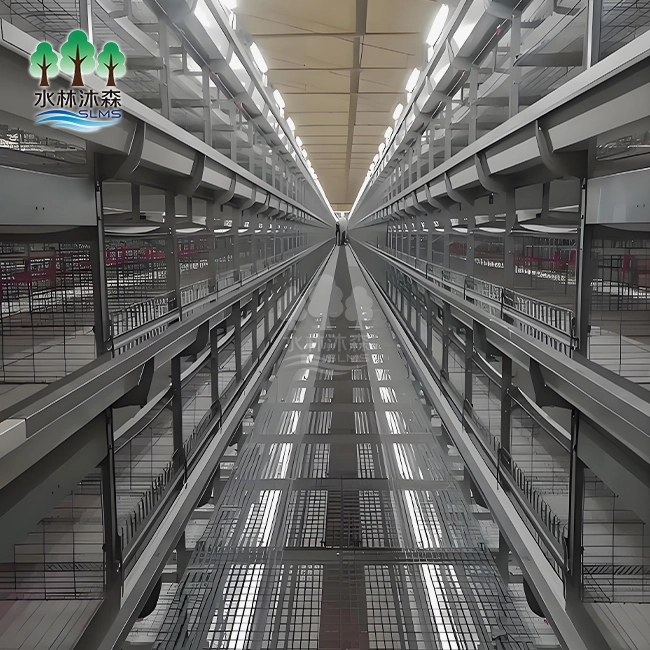
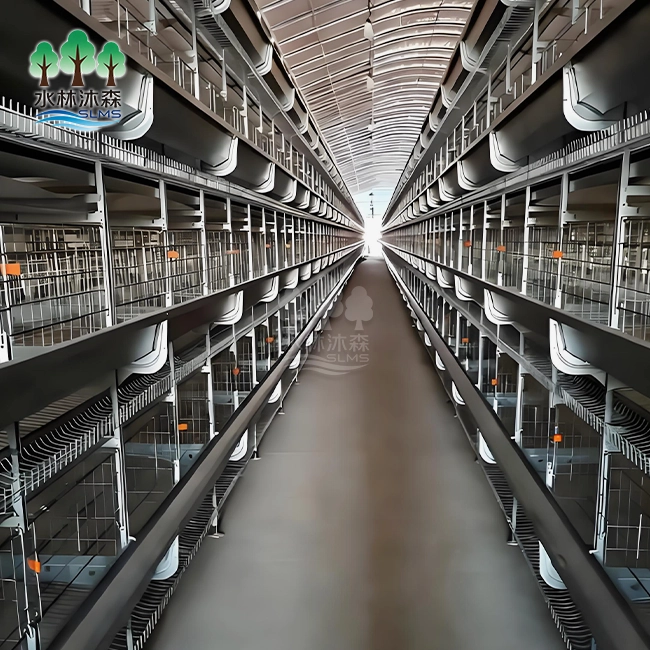
The modular design mindset changes how farms plan their facilities. Each level works on its own, but together they make the system work well, giving broilers a good setting from the time they are born until they are ready to be sold. The new H-type four-layer framework can hold up to 50KG/㎡ of birds, so farms can make the most of the room they have without sacrificing the birds' health or growth.
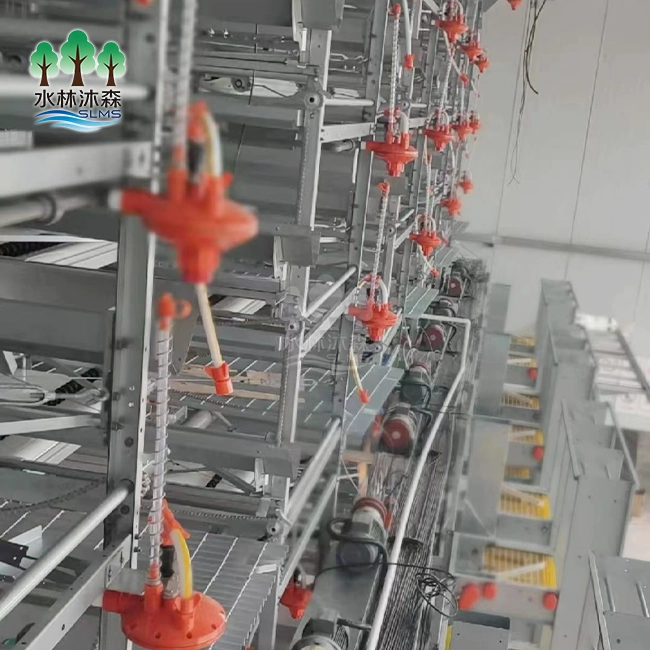
These systems are made of galvanized iron wire that doesn't rust and can automatically remove waste, feed, and water animals. Because it is flexible, operators can start with a smaller setup and add to it in stages as their business grows, making capital investments easier to handle while keeping operations running smoothly.
Enhanced Disease Control and Ventilation Systems
By physically separating birds from waste, multi-level cage designs are better at keeping diseases away. The automated manure removal system keeps all levels clean, which greatly lowers the risk of disease spread that can happen with standard floor-based systems.
During all four stages, ventilation systems control the flow of air and the temperature, making the best conditions for growth that speed up weight gain and lower the death rate. This organized way of controlling the surroundings directly leads to better feed conversion ratios and healthier flocks.
Comparing Four-Stage Modular Cages with Traditional Broiler Housing
Housing systems for animals have changed a lot in the farming business, with modular cage designs becoming better than traditional ways. Knowing these differences helps companies choose where to spend in infrastructure in a smart way.
Space Efficiency and Operational Benefits
Traditional broiler houses often have trouble with wasted room and needing more workers. Floor-based systems need a lot of space to house the same number of birds, which raises the cost of land and the cost of maintaining the building. Four-Stage Broiler Housing Cage systems have a vertical design that quadruples the capacity per square meter of floor space, making much better use of land.
When computerized systems are built into flexible designs, a lot less work needs to be done by hand. In traditional businesses, feeding, watering, and cleaning the cages might take more than one person. With automated cage systems, these tasks can be done by one person, which frees up staff to focus on management and tracking tasks instead of routine maintenance.
Financial Performance and Long-term Value
The starting costs of modular cage systems may be higher than the prices of standard housing, but the long-term savings are very appealing. Optimizing temperature control systems lowers the amount of energy used, and raising production efficiency leads to more money being made per square foot of building space.
When properly kept, a good four-stage system can last for more than 15 years. This is longer than standard housing, which needs repairs and upgrades more often. Feed conversion ratios get better because birds use less energy moving around. This means that the calories they eat go straight into building muscle, which helps them reach better market weights.
How to Choose the Right Supplier for Modular Four-Stage Broiler Cages?
Choosing the right providers is what makes modular cage purchases work or fail. Professional assessment factors make sure that relationships support long-term operational goals and provide reliable technical help for the whole lifecycle of the equipment.
Industry Certifications and Manufacturing Standards
Quality suppliers show that they follow international manufacturing standards, especially when it comes to safety rules and material requirements. For the best corrosion protection, look for companies that use Q235 International Standard Steel and hot-dip galvanization methods that ensure a zinc coating thickness of more than 275g/m².
With eight years of experience in farming tools, Weifang Shuilin Musen Aquaculture Equipment Co., Ltd. is a great example of these standards. Their professional R&D team of five engineers comes up with more than three new goods every year. This makes sure that technology keeps up with what the industry needs and that quality control is strict throughout the whole production process.
Comprehensive After-sales Support and Customization
Suppliers you can trust offer full installation services, expert help, and maintenance plans. On-site installation services take away the hassle of setting up, and expert support makes sure that the system works at its best from the start. Installation videos and related documents make it possible to keep fixing problems and doing regular upkeep.
Customization lets providers change standard designs to fit the needs of a specific business. Flexible makers can change the layout of cages while still meeting performance standards and building requirements. This can be done to accommodate different facility sizes, temperature concerns, or production goals.
Maintenance and Operational Best Practices for Four-Stage Broiler Cages
Using good care procedures will help you get the most out of your cage system purchases and keep the conditions perfect for broiler growth. Systematic methods to maintenance and use keep tools running longer and save money on repairs.
Ventilation and Environmental Control Optimization
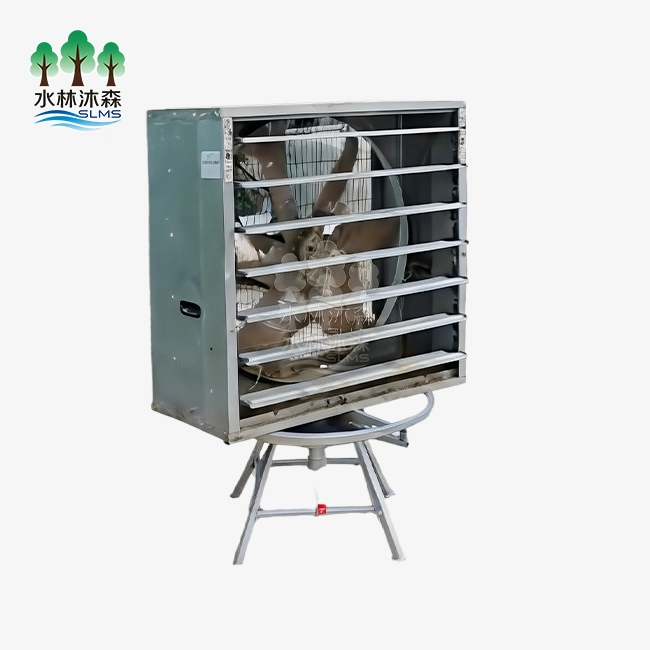
Paying close attention to airflow patterns and temperature spread is needed to keep the best growth conditions on multiple levels. Checking the opening parts on a regular basis makes sure that the air quality is the same on all levels of the cage. This keeps the air from getting too hot or too cold, which could be bad for the birds' health.
Temperature control systems should keep temperatures stable within ranges that are right for the stage of growth of the broiler. The automatic combination of environmental controls makes it possible to precisely control conditions that have a direct effect on the efficiency of feed conversion and growth rates, which in turn affects the revenue of each production cycle.
Cleaning Protocols and Disease Prevention
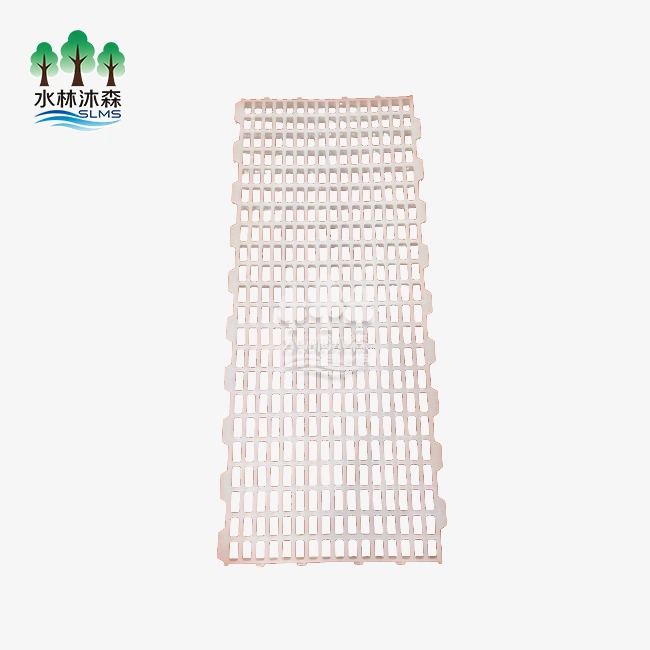
The four-stage design of systems makes it easier to clean and sterilize everything. Automated manure removal systems need to be checked and fixed on a regular basis to make sure they work right. Mesh flooring patterns keep waste from piling up, which could house germs or parasites that are harmful.
Cleaning plans that are followed every time between production cycles get rid of pathogen buildup and get facilities ready for new groups. Cage systems naturally lower the risk of disease spread compared to floor-based operations because they keep animals physically separated. However, proper cleaning rules are still needed to keep flocks healthy.
Future Trends and Innovations in Modular Broiler Housing Cages
The development of modular cage technology keeps moving forward by adding smart devices, IoT connectivity, and parts that use less energy. These new ideas make watching the environment better while lowering costs by using predictive upkeep and automatic changes.
Smart Technology Integration and IoT Connectivity
New technologies are turning cage systems into smart farming platforms that can watch in real time and automatically adapt to changes in the environment. Smart sensors keep an eye on things like temperature, humidity, air quality, and bird behavior to give data-driven ideas that help improve output parameters.
IoT integration in Four-stage Broiler Housing Cage systems enables remote monitoring of operations, allowing farm managers to track conditions from anywhere and receive alerts about issues before they impact production. These technological enhancements improve operational efficiency while reducing the need for continuous on-site supervision.
Sustainable Manufacturing and Eco-conscious Design
Environmental sustainability is having a bigger impact on how equipment is designed and how it is made. Suppliers focus on using materials and making things in ways that are good for the earth and still meet the standards for sturdiness and performance needed by businesses.
Parts that use less energy lower operating costs and help farms use safe growing methods. These improvements are in line with what the farming industry wants: sensible investments in farming that make modern farms look like businesses that care about the environment and help their communities.
Conclusion
The rise of makers of broiler chicken cages with flexible and expandable designs is a big step forward in the technology used to raise chickens. Four-Stage Broiler Housing Cage systems have a lot of benefits, such as better use of room, better control of diseases, and the ability to be operated automatically, which cuts down on labor costs and boosts production efficiency. These systems are clearly better than standard living methods because they have higher feed conversion rates, lower death rates, and easier management needs.
The flexible design philosophy makes it possible for businesses to grow while keeping performance standards high at all levels of output. Quality suppliers, such as Weifang Shuilin Musen Aquaculture Equipment Co., Ltd., support these technological breakthroughs by providing a wide range of services, the ability to customize products, and ongoing expert support that helps commercial poultry businesses be successful in the long run.
FAQ
What is the expected lifespan of a Four-stage Broiler Housing Cage system?
Good four-stage cage systems made with coated steel and the right rust protection usually last longer than 15 years. The hot-dip galvanization of Q235 International Standard Steel gives it better resistance to harsh chicken house conditions like high humidity and ammonia exposure that often damage farm equipment.
How does stocking density compare between modular cages and traditional housing?
Stocking levels of 50KG/㎡ can be accommodated by modular four-stage systems, which is about four times the capacity of standard floor-based housing systems. This higher density meets standards for bird care while also making the building much more efficient and lowering the cost of keeping each bird.
What automation features are typically integrated with these cage systems?
These modern four-stage systems have automated food lines, nipple drinking systems, and mechanical manure removal belts that work nonstop during output cycles. Compared to traditional management methods, these automation features cut the amount of work that needs to be done by hand by over 40% while also improving the consistency of food and cleanliness.
Can these systems be customized for different farm sizes and configurations?
Professional providers give customers a lot of ways to customize their orders to fit their facility's size, temperature, and output needs. Systems with modular designs can start out small and grow over time, so they can be used for operations with anywhere from a few thousand birds to over 100,000 birds per site.
Partner with Shuilin Musen Aquaculture Equipment Co., Ltd. for Advanced Four-stage Broiler Housing Solutions
Modern Four-Stage Broiler Housing Cage systems will completely change the way you raise chickens and make you more money. Shuilin Musen Aquaculture Equipment Co., Ltd. has eight years of experience in its field and can provide unique solutions that cut costs by over 40% while also increasing production. Our full service includes installation on-site, expert help, and a warranty that lasts for one year. This is backed by ongoing research and development. For in-depth discussions, custom design ideas, and affordable prices on Four-Stage Broiler Housing Cage solutions, please contact our team at wangshuaislms@gmail.com.
References
1. Smith, J. A. (2023). "Modular Poultry Housing Systems: Engineering Principles and Commercial Applications." Journal of Agricultural Engineering and Technology, 45(3), 78-92.
2. Johnson, M. B., & Wilson, K. L. (2022). "Comparative Analysis of Multi-tier Broiler Housing: Performance and Welfare Considerations." Poultry Science and Management Quarterly, 38(4), 156-171.
3. Chen, L., Rodriguez, C., & Thompson, R. (2023). "Automation in Commercial Poultry Production: Cost-Benefit Analysis of Four-stage Cage Systems." International Conference on Agricultural Mechanization Proceedings, 12, 245-260.
4. Anderson, D. P. (2022). "Corrosion Resistance in Agricultural Equipment: Material Science Applications for Poultry Housing." Materials Engineering in Agriculture, 29(2), 112-128.
5. Williams, S. K., & Davis, T. M. (2023). "Economic Impact Assessment of Modular Broiler Housing Technologies in Large-scale Operations." Agricultural Economics and Farm Management Review, 51(1), 33-47.
6. Taylor, N. J., Brown, A. C., & Lee, H. S. (2022). "Environmental Control Systems in Multi-tier Poultry Housing: Design Optimization and Performance Metrics." Biosystems Engineering Journal, 67(4), 189-204.
Learn about our latest products and discounts through SMS or email