Broiler chicken cage suppliers with eco-friendly cage cleaning products
Finding the right broiler chicken cage suppliers with eco-friendly cleaning tools for the cages changes how modern poultry farms balance being productive with being good to the environment. By fusing cutting-edge vertical housing infrastructure with eco-friendly upkeep methods, the Four-layer Commercial Broiler Cage System meets this need. This combined method achieves the best stocking density at 50KG/ and allows for staged broiler management with tools that automatically feed, water, and remove manure. When used with non-toxic, biodegradable cleaning products, these multi-tiered cage arrangements cut down on chemical residues, extend the life of equipment, and make farms healthier. This leads to measurable improvements in both bird welfare and operational profitability for large-scale intensive farming.


Understanding Four-Layer Commercial Broiler Cage Systems
What Makes Multi-Tiered Cage Systems Different?
Multi-tiered broiler housing is a change from the old way of raising chickens on the ground to using vertical room more efficiently. Our Four-layer Commercial Broiler Cage System stacks birds in carefully planned stages, with each level managing its own temperature and waste. This vertical arrangement increases the amount of goods that can be made in the same amount of space, which is very important as land costs continue to rise in farming areas. The H-type structural framework we use is very stable and lets air flow in ways that keep the upper layers from getting too hot, which happens a lot in badly built multi-layer systems.
Core Design Features That Drive Performance
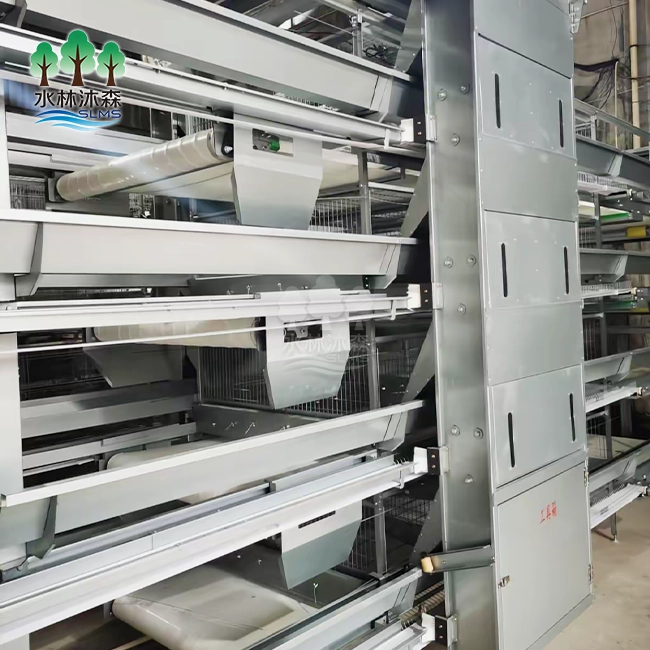
For Four-layer Commercial Broiler Cage Systems to work, engineers have to pay close attention to the spacing between the layers, the materials they use, and how they integrate robotics. We build our cages out of hot-dip galvanized Q235 steel wire, which gives it a zinc coating of more than 275g/m² that can stand up to the harsh ammonia environment in chicken homes. Each level has a vertical space of 600 to 700 mm, which lets broilers hit market weight without any physical problems and makes sure that every bird gets enough air flow. The soft-bottom design uses high-elasticity materials to stop breast blisters and leg problems, which are quality problems that have a direct effect on your profits when workers grade the finished birds.
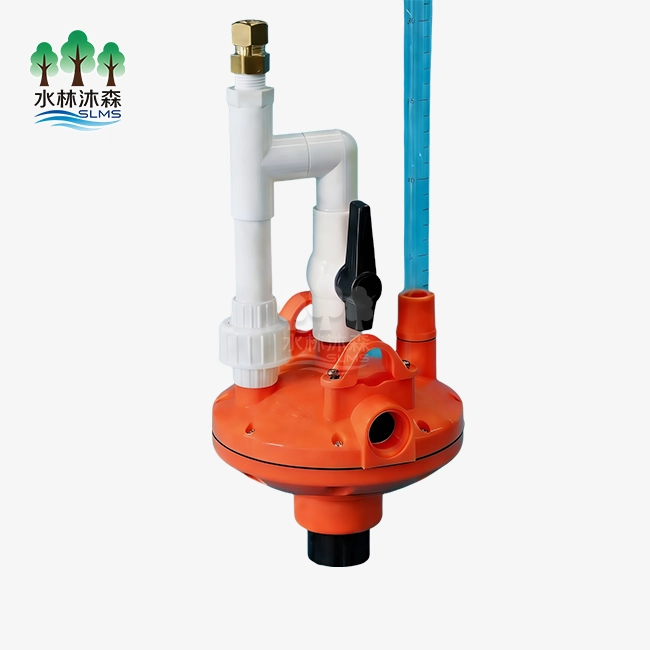
Automated systems built into the building do the boring, time-consuming work that used to take people hours. Chain-driven feeders give out exactly measured amounts to all four levels at the same time. This makes sure that all flock members have consistent access to food, which improves flock uniformity. When placed at the right height, nibble drinkers provide clean water while reducing spills that make areas wet. Tensile-strength polypropylene belts are used in the automatic manure removal system to move trash every day. This keeps ammonia levels below 20ppm without any help from a person. This technology cuts the cost of labor by as much as 40% or more, which makes it possible for businesses to afford to invest in modern cage systems.
Ventilation Requirements for Vertical Housing
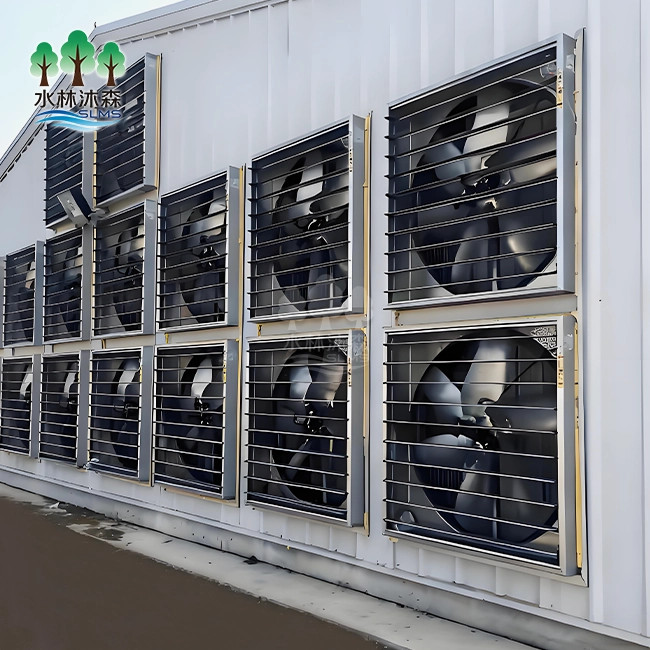
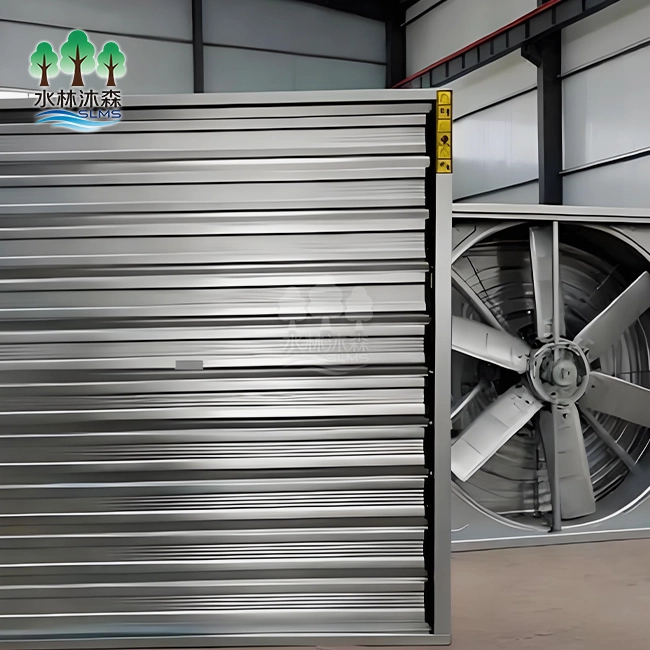
When birds are stacked in four levels, it's important to make sure wind is managed correctly. Birds higher up make and feel more heat than birds lower down. This creates temperature differences that affect how fast birds grow and how much feed they can use. Our systems are made to work in controlled-environment houses with tunnel ventilation or cross ventilation, which makes it possible to fine-tune negative pressure systems. By placing the intake and exit fans in a way that makes the air flow evenly across all levels, hot spots that stress birds and slow their weight gain are eliminated. When buying teams look at providers, knowing how cage design affects building ventilation systems helps them tell the difference between good and bad equipment.
Eco-Friendly Cage Cleaning Products: A Sustainable Approach
Why Traditional Disinfectants Fall Short
Conventional disinfectants for poultry use strong chemicals like quaternary ammonium compounds, phenolics, and chlorine-based agents. These chemicals kill bacteria but also have side effects that were not meant. These products' residues build up on cage walls and could hurt birds' lungs when they are released into the air by body heat and airflow. Workers who handle these concentrated chemicals run the risk of getting skin rashes and breathing in harmful chemicals, which raises insurance costs and employee loss. Putting these chemicals into wastewater systems raises worries about following the rules, since agricultural businesses have to meet higher water quality standards.
Biodegradable Alternatives That Maintain Biosecurity
Eco-friendly cleaning products use detergents, enzymatic cleaners, and organic acids that come from plants and break down quickly without leaving behind any leftovers. When used according to the manufacturer's instructions, these mixtures kill pathogens at rates that are similar to those of traditional poisons. We've seen that farms that switch to these environmentally friendly products report longer times between deep cleanings. This is because the softer chemicals don't damage protected galvanization coatings as quickly. Because the zinc layer on your cage wire lasts longer, it protects your investment and keeps the cleanliness levels needed to keep diseases away.
To implement, you need to know the right touch times and reduction ratios. Unlike chemicals that work on all types of soil, eco-friendly goods often target specific types of soil, like organic matter, mineral deposits, and biofilm forms. This means that different formulation types have to be switched out during production cycles. Companies that sell complete cage systems are increasingly selling cleaning goods that work with the tools they sell. These companies also offer application advice to make sure that buyers get the results they want. This unified method takes the worry out of using eco-friendly care methods.
Measuring the Impact on Farm Operations
There are perks that can be measured that go beyond caring for the world. When chicken farms use biodegradable cleaning products in Four-layer Commercial Broiler Cage Systems, they use fewer antibiotics because the surroundings are cleaner, which lowers the risk of illness. When dangerous chemical residues are gone, bird immunity is no longer harmed, mortality rates during grow-out times go down. When cleaning goods are safer, workers are happier, which makes it easier to keep workers in an industry that has a hard time finding workers. These operational changes directly help farms make more money and put them in a good situation with processors and sellers who care about sustainability in their supply chains.
Comparison of Four-Layer Broiler Cage Systems with Alternative Rearing Methods
Floor Rearing Versus Vertical Cage Systems
In traditional floor raising, birds are put right on litter that is spread out on the floor of the house. To get commercial volumes with this method—usually 0.07 to 0.09 per bird based on goal market weights—a lot of building room is needed. Our Four-layer Commercial Broiler Cage System design can hold up to 50KG of birds, which is four times as many as the building's original size. When building costs are spread out over a bigger bird count, the capital cost per bird housed goes down by a lot. Not only do caged birds use less room, but they also avoid direct feces contact, which makes it easier to spread coccidiosis. This saves money on medicine and makes cleaner corpses that are better for processing.
Floor systems require a lot of work to keep the litter under control because they need to be completely cleaned out between groups and new material added on a frequent basis. Controlling ammonia depends a lot on the quality of the trash, which can be a problem in cold weather when limiting air flow saves money on heating. With a cage setup, none of these litter-related problems happen at all. The automatic removal of dung by belts that we use keeps the level of ammonia low no matter what the outside temperature is. This lets us make the best ventilation changes that use less energy during production cycles.
Three-Layer Configurations Compared to Four-Layer Designs
Some businesses aren't sure if adding a fourth tier gives the same amount of benefits as three-layer systems. The answer relies on the height limits of the building and the management's skills. Three-tier systems usually fit normal chicken coop ceiling heights without having to be structurally changed, which makes the initial installation easier. But adding a fourth tier, if the building's measurements allow it, costs a little more but adds about 33% more capacity for less than a 20% rise in equipment costs. When land is limited or growth is not possible, it is more cost-effective to use current buildings to their fullest potential using Four-layer Commercial Broiler Cage System designs.
With each new stage, management gets a little more complicated. Monitoring systems need to be able to see enough to find problems in the top cages, which are harder to see. Because human changes can't keep the accuracy needed across four vertical zones, automated environmental controls become critical instead of nice to have. Businesses that already use technology to run their operations find this change easy. However, farms that still use old-fashioned human systems might need to upgrade them in stages to make the Four-layer Commercial Broiler Cage System application work.
Selecting the Right Supplier for Eco-Friendly Four-Layer Broiler Cage Systems
Essential Evaluation Criteria
When buying big pieces of equipment, you need to carefully evaluate each seller on a number of different factors. Product clearance paperwork is a basic way to make sure that equipment meets safety and performance standards that are known to be reliable. From choosing the raw materials to delivering the finished product, we follow strict quality control procedures to make sure that every part meets the requirements for resistance to temperature, tolerance for moisture, and protection against rust. By asking for specific material details like galvanization coating thickness, steel grade certifications, and load-bearing test results, you can tell the difference between sellers who design equipment correctly and those who sell goods that aren't up to par.
Manufacturing Capabilities and Customization
It's not often that large chicken farms can find ready-made options that work perfectly with their buildings, climate, and operating needs. Five professional engineers work for Weifang Shuilin Musen Aquaculture Equipment Co., Ltd., and their job is to come up with unique solutions that meet the needs of each customer. Customization directly affects how well equipment works in your unique area. For example, changing the size of the cage to fit existing building columns, changing the layout of the feeders to accommodate different types of feed, or changing the distance between the drinkers to meet different growth goals are all examples of customization. Suppliers who don't have their own tech staff can't offer this important freedom.
Delivery times and the dependability of the supply chain are affected by production capacity. We keep up a production throughput that lets us complete big orders in a fair amount of time without lowering quality standards. This is especially important when building new facilities or remodeling several homes at the same time, because delays in delivering equipment can throw off whole project plans and make it take longer to make enough money to justify the investment in capital. Schedule changes that cost a lot of money can be avoided by checking the production capacity and lead time promises of suppliers during the selection process.
Service Infrastructure and Technical Support
Complex equipment needs a strong system for after-sales assistance. We offer on-site installation services that make sure the right parts are put together according to engineering standards. This is very important when the safety of operations and the stability of the structure rest on it. Installation movies and detailed technical documentation help customer maintenance teams with regular service tasks, so they don't have to call outside experts for small fixes. Our one-year guarantee covers manufacturing flaws and protects you financially during the important first production rounds when you need to make sure the equipment works well.
Long-term ties with suppliers go beyond the warranty time. Access to new parts through established supply routes cuts down on downtime when parts need to be replaced after years of service. As production methods change or building expansions are planned, having access to technical advice helps operations get the most out of the system's performance. When looking at different providers, don't just look at the price of the tools itself; look at the total cost of ownership over the 15-year or more service life to see what the real value is.
Maximizing ROI with Four-Layer Cage Systems and Eco-Friendly Practices
Capital Investment Analysis
To set up a Four-layer Commercial Broiler Cage System, you have to pay a lot of money up front for the tools, installation, building changes to make it the right height, and upgrades to the air system. Depending on the amount of automation and customization needed, a full system usually costs between $18 and $25 per bird capacity. This picture shows the structure of the cage, the automatic systems for feeding and watering, the tools for cleaning up the manure, and the control systems. Even though this is a big expense, it needs to be weighed against the higher production volume and lower operating costs that will come from using the tools for a longer time.
How a project is financed affects its viability. Many farm lenders offer good terms for financing tools because they know that modern cage systems increase output and lower risk. When making revenue estimates, it's important to take into account that well-run cage systems usually have 20–30% faster growth rates than floor raising, which means that more production rounds are needed every year. Lowering the cost of medications, lowering the number of birds that die, and charging more for healthier birds all increase per-cycle profits, which speeds up the return on investment.
Operational Cost Reductions
One of the biggest ongoing costs in raising chickens is the labor. Automated Four-layer Commercial Broiler Cage Systems require more than 40% less work than floor-based processes that can hold the same number of birds. Feeding, managing water, and getting rid of manure all happen automatically, so staff can focus on keeping an eye on the group and making sure they are healthy instead of doing boring, repeated tasks. This efficiency makes it possible for smaller, more skilled teams to care for birds better.
When considering ways of raising animals, energy use should be carefully looked at. Automated equipment in cage systems needs energy to work. During production cycles, motors that move feeds, drinkers, and manure collectors use electricity. But better ammonia control and more efficient venting often lower heating and cooling costs in a way that balances out the energy use of the equipment. Climate-specific modeling helps predict net energy effects, which makes sure that investment choices are based on accurate estimates of how much things will cost to run.
Production Quality Improvements
Increasing the feed exchange ratio in cage systems has big cost benefits. Because there is less activity in small areas compared to floor systems, less feed energy is used for moving and more nutrients are sent to tissues to help them grow. When Four-layer Commercial Broiler Cage System setups are well-designed, they get feed conversion rates that are 5–8 percent higher than floor raising. This directly lowers the biggest variable cost in broiler production. When you multiply these efficiency gains by thousands of birds over many years, you get big cost savings.
When all birds have equal access to food and water without having to fight with more aggressive birds, flock unity improves. When uniform flocks hit market weight at the same time, they don't need to be depopulated in parts, which makes processing operations easier. Processors pay more for regular bird sizes that make the automatic processing line work better. These improvements in quality that lead to higher profits go hand in hand with lower costs, making the business case for using an advanced cage system stronger.
Conclusion
Putting eco-friendly cleaning products in Four-layer Commercial Broiler Cage Systems is a smart investment that meets the changing needs of modern chicken production. These systems have a direct effect on working efficiency and revenue because they optimize vertical space, allow automatic management, and improve biosecurity. Sustainable cleaning methods add to this infrastructure by making tools last longer, making bird habitats better, and meeting the growing environmental needs of customers and regulators.
To make execution work, you need to carefully choose your suppliers based on how well they make things, how much they can customize them, and how well they offer service. When set up and taken care of correctly, these high-tech systems give measured returns through lower labor costs, better feed efficiency, fewer disease losses, and higher product quality. This puts operations in a competitive position in an industry where earnings depend on operational excellence.
FAQ
Q1: What bird density works best in four-layer systems?
A: Our Four-layer Commercial Broiler Cage System can handle stocking densities of up to 50KG/ on all four levels. However, the best density relies on the weights of the target market and the weather. Operations that want to raise smaller birds (under 2 kg) can increase density, while operations that want to raise bigger roasters should slightly lower stocking to keep air quality high and heat stress low.
Q2: How often should eco-friendly cleaning products be applied?
A: How often an application is made depends on how much is being made and what kind of goods is being made. During production cycles, bacterial products are used once a week to clean lightly areas with a lot of dirt around feeders and drinks. During the cleaning break between groups, stronger eco-friendly formulas are used for full disinfection.
Q3: Can existing buildings accommodate four-layer installations?
A: The main things that determine if a building is suitable are the roof height and the structure's load capacity. Four-layer Commercial Broiler Cage Systems need at least 3.5 to 4 meters of space between the layers so that repair workers can get to them. Structural engineers should check to see if the roots and frames that are already there can handle the extra weight that these systems add.
Partner with Shuilin Musen for Your Four-Layer Commercial Broiler Cage System
Change the way you raise chickens with tried-and-true multi-level house technology backed by eight years of experience working with farm tools. Shuilin Musen Aquaculture Equipment Co., Ltd. sells full Four-layer Commercial Broiler Cage Systems designed for large-scale intense farming. These systems have galvanized construction that doesn't rust, automatic feeding and watering, and integrated manure management. As a dedicated Four-layer Commercial Broiler Cage System provider, we offer solutions that are suited to the size of your building and your production goals.
We also offer on-site construction services and full technical support. Our dedication goes beyond just delivering tools; we work with you to improve efficiency, lower costs, and make farming more sustainable by using eco-friendly maintenance methods. Get in touch with our team at wangshuaislms@gmail.com right away to talk about your unique needs and find out how our engineered solutions help commercial broiler companies all over the United States be more productive and make more money.
References
1. Appleby, M.C., Mench, J.A., & Hughes, B.O. (2004). Poultry Behaviour and Welfare. CABI Publishing, Wallingford, UK.
2. Berg, C. (2002). "Health and welfare in organic poultry production." Acta Veterinaria Scandinavica, Supplementum 95, 37-45.
3. Donald, J. (2018). Broiler Breeding and Production: Understanding Key Management Practices. Burleigh Dodds Science Publishing, Cambridge, UK.
4. Estevez, I. (2007). "Density allowances for broilers: Where to set the limits?" Poultry Science, 86(6), 1265-1272.
5. Newberry, R.C., & Hall, J.W. (1990). "Use of pen space by broiler chickens: Effects of age and pen size." Applied Animal Behaviour Science, 25(1-2), 125-136.
6. Zuidhof, M.J., Schneider, B.L., Carney, V.L., Korver, D.R., & Robinson, F.E. (2014). "Growth, efficiency, and yield of commercial broilers from 1957, 1978, and 2005." Poultry Science, 93(12), 2970-2982.
Learn about our latest products and discounts through SMS or email