Top Benefits of Using Evaporative Ventilation Curtains in Chicken Houses
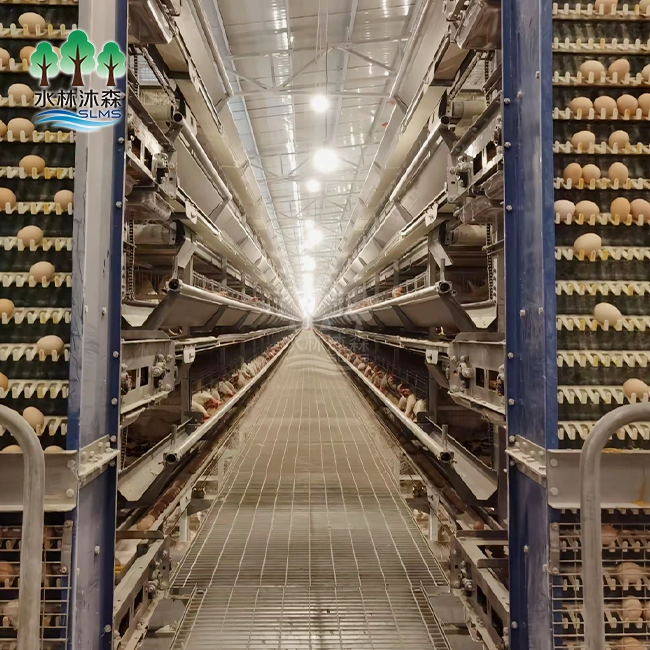
Keeping the temperature under control in large-scale poultry operations remains one of the biggest challenges for modern farm owners. Heat stress directly affects bird welfare, production efficiency, and overall profitability. A Chicken House Evaporative Ventilation Curtain offers an effective solution by using natural evaporation to cool the interior environment. When combined with negative pressure fan systems, this setup allows incoming air to pass through moist cooling pads, reducing its temperature by 5 to 8°C while also filtering out airborne particles. This dual function helps create a stable microclimate, supporting healthy growth rates and consistent egg production even as external weather conditions change.


Understanding Evaporative Ventilation Curtains and Their Role in Chicken Houses
The idea behind Chicken House Evaporative Ventilation Curtains is based on changing phases of matter in thermodynamics. As water changes from a liquid to a mist, it takes in a lot of heat from the air around it. This process happens when air from outside goes through wet pad surfaces that are put in place at the entrances to chicken houses.
How the Cooling Mechanism Functions?
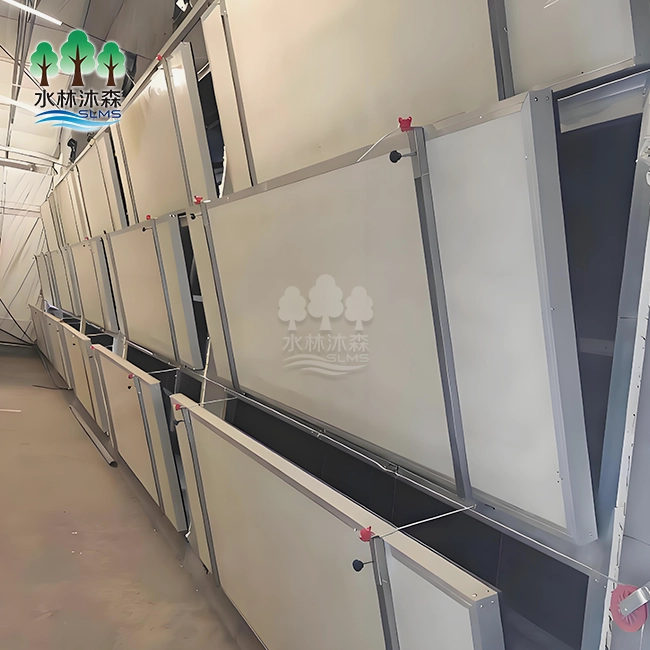
The system design is made up of three parts that work together at the same time. In a Chicken House Evaporative Ventilation Curtain, the main cooling contact is formed by cross-linked high-molecular-weight polyethylene pads. These structured materials feature corrugated channels that maximize the surface area for air–water interaction. Our Model 7090 pads offer a specific surface area of around 420 m²/m³, enabling highly efficient heat exchange. Water distribution systems—either gravity-fed or pump-driven—keep the pad surfaces consistently wet.
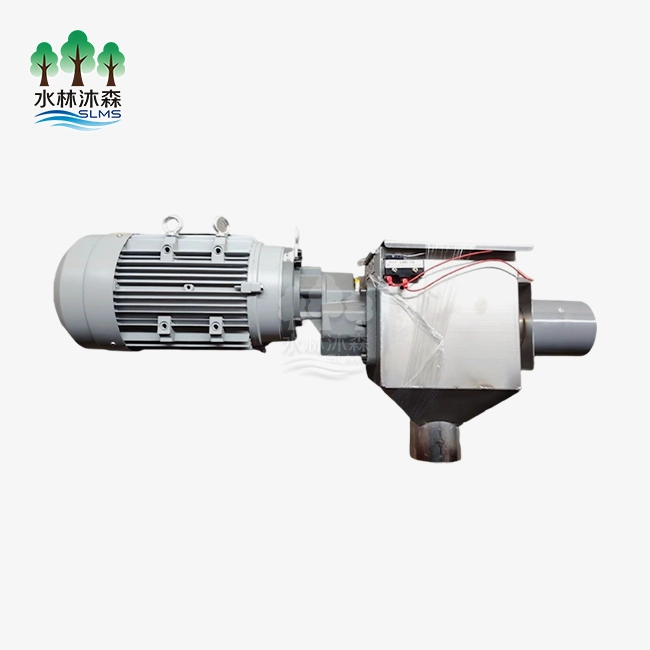
The structure is supported by corrosion-resistant frames made from aluminum alloy or stainless steel, ensuring durability under constant exposure to moisture. At the opposite end of the building, negative pressure fans draw air through the wet pads, maintaining controlled airflow speeds typically between 1.5 and 2 meters per second.
Material Composition and Durability Features
How well a pad is built directly affects how well it cools and how long it lasts. Premium curtains are made from kraft paper wood that has been treated with special phenolic resins that stop living things from breaking down. This chemical process keeps the structure from falling apart when it's exposed to high levels of ammonia, which is common in places where chickens live. The cross-flute angle design in 7090 models, which has 45-degree wave patterns with 7mm heights, strikes a good mix between how well they cool and how much static pressure they drop.
When there is less air resistance, ventilation fans can run with less power while still moving air at the right rate. Our pads can soak up 60–70 mm of water in five minutes and 200 mm in ninety minutes, so they will be fully saturated quickly when the system starts up. You can choose a thickness of 15 cm or 20 cm to fit different climates and building styles. In high heat situations, thicker layouts will help lower the temperature even more.
Five Major Benefits of Using Evaporative Ventilation Curtains in Poultry Farming
When evaporative cooling technology is used in a chicken house, it changes how the air can be controlled in many operating areas. The following benefits show why more and more forward-thinking farm managers are choosing these systems for site upgrades and new builds.
Enhanced Bird Health and Productivity
Thermal stress sets off a chain of events that affect the whole body of a chicken. When the temperature outside goes above 30°C, broilers eat less food while their metabolisms keep making heat. This mismatch hurts feed conversion ratios and slows down growth rates. Long-term heat exposure in layer hens causes their egg production to drop and the quality of their shells to get worse.
Evaporative screen devices keep temperatures in the best thermal neutral zones, where birds can use all of their energy for working instead of keeping cool. The cooling effect slows down breathing, keeps water intake from rising too quickly, and lowers the number of deaths caused by heat during summer peak times. By catching dust particles and some airborne germs before they reach bird level, wet pads that filter intake air make it cleaner and lower the risk of respiratory diseases.
Significant Energy Cost Reduction
Traditional air conditioners that rely on refrigerants consume a large amount of electricity and often struggle to cool large poultry houses in a cost-effective way. In contrast, a Chicken House Evaporative Ventilation Curtain operates with energy consumption that is only about 10–20% of that required by conventional mechanical refrigeration systems. Instead of energy-intensive compressors, the system mainly depends on ventilation fans and low-power water pumps.
It can also be integrated with climate control systems that automatically switch the pumps on or off based on temperature settings, preventing unnecessary operation during cooler periods. During a typical five-month summer season in temperate regions, farms often see a 40–60% reduction in ventilation-related electricity costs compared to fan-only approaches. Over time, these savings significantly improve overall profitability while also reducing environmental impact.
Superior Environmental Control and Air Quality
The buildup of ammonia is very bad for people's health and makes it hard to follow the rules. High levels of ammonia upset the lining of the lungs, making people more likely to get sick and hurting growth. Higher air exchange rates made possible by evaporative curtains lower ammonia levels more effectively than settings that are sealed off and cooled automatically.
Small particles, like feed dust, feather hair, and dried manure, that would otherwise move around the building are caught by the wet pad surface. This filtration effect makes the working conditions on farms cleaner for the people who work there and lowers the need for machine repair. It is measurable that better air quality leads to more regular flocks and lower costs for lung treatments' medications.
Scalable Solutions for Operations of All Sizes
Modern chicken coops range from small family farms with only 5,000 birds to huge industrial buildings with more than 100,000 birds all under one roof. Modular design ideas let evaporative curtain systems work with all of these temperatures. Combining and splicing pad units to perfectly fit building dimensions is possible, whether they are being added to existing buildings or being used to equip tunnel ventilation houses that were built just for that reason. There are more ways to customize than just changing the sizes.
Choosing between aluminum alloy and stainless steel for the frame's elements depends on your budget and the amount of rust it will be exposed to. Thickness requirements change based on how bad the weather is where you live. Farms in dry, hot areas do better with pad depths of 20 cm, while farms in mild climates can get by with 15 cm setups. This flexibility makes sure that procurement teams choose the right-sized options without spending too much on capability that they don't need.
Simplified Installation and Maintenance Requirements
In the past, installation challenges made it difficult to adopt modern environmental control systems. A Chicken House Evaporative Ventilation Curtain helps eliminate many of these barriers with a straightforward setup process. Frames can be mounted onto standard building structures using common screws and bolts, and connecting to a water supply requires only basic plumbing skills. Our technical support package includes detailed step-by-step installation videos, allowing farm staff to complete most of the work without relying heavily on external contractors.
When on-site assistance is needed, our service team can also provide professional installation support to ensure everything is configured properly. Compared to mechanical refrigeration systems, this solution requires minimal maintenance. Routine care involves periodic pad inspections, flushing the water system to prevent mineral buildup, and occasional algae treatment. These tasks do not require specialized tools or advanced technical knowledge, and with proper care, the pads typically last three to five years before replacement.
Because of these advantages, evaporative ventilation curtain systems are a practical long-term investment, delivering immediate operational improvements while reducing ongoing costs. By relying on proven physical principles rather than complex mechanical components, they address key challenges in poultry production with greater reliability and lower maintenance demands.
Comparison Between Evaporative Ventilation Curtains and Alternative Ventilation Solutions
Before making a purchase choice, it's important to know how different technologies compare in terms of the performance factors that matter. When you compare Chicken House Evaporative Ventilation Curtains to other methods, you can see that they have different ways of working that are best for different situations.
Traditional Fan Ventilation Systems
Standard tunnel ventilation only uses exhaust fans to make negative pressure, which pulls air from outside through movable openings. This method works well to move air around, but it doesn't change the temperature. During heat waves, fans do nothing more than move hot air around the building, which only slightly cools things down by making the air move faster over bird surfaces.
When managers try to make up for poor cooling by increasing fan power, energy use goes up sharply. On the other hand, evaporation devices lower the temperature of the air coming in before it gets to the bird zone. When the weather outside goes above 28°C, this aggressive cooling works much better than air flow alone. However, fans are still useful in wet places where atmospheric cooling doesn't work as well. In places where it stays humid for a long time, mixed methods that use both technologies may be needed.
Mechanical Refrigeration Units
No matter what the weather or humidity levels are outside, air conditioning systems can precisely control the temperature. This consistency is good for specialized tasks like breeding sites, where strict environmental conditions can lower birth rates. The technology works just as well no matter where you are. However, the initial costs are usually three to five times higher than with evaporation systems that serve the same amount of space. Operating costs, like power use and service needs for refrigerant, make these gaps even bigger.
Mechanical systems also make equipment more complicated, so it needs to be fixed by trained professionals. This means that when things break down during busy times, they often take longer to fix. For normal broiler and layer operations, Chicken House Evaporative Ventilation Curtains provide good temperature control at a much lower total cost of ownership over the life of the equipment.
Material Considerations: Plastic Versus Cellulose Pads
The materials used to build pads affect both performance and cost. In a Chicken House Evaporative Ventilation Curtain, rigid plastic media offers excellent durability and resistance to bacterial growth, making it suitable for environments with poor water quality. These pads can withstand aggressive cleaning methods and continuous use over long periods. However, plastic structures generally provide lower evaporation efficiency per unit width compared to cellulose-based options, as their smoother surfaces create fewer effective wet contact areas for heat exchange.
Cross-linked polyethylene and cellulose pads, like ours, deliver better cooling performance due to their complex corrugated structures, which maximize air–water contact. Treatments such as phenolic resin improve durability, allowing them to perform reliably across multiple seasons while maintaining strong thermal efficiency. From a cost perspective, cellulose options are usually more economical for most commercial operations, provided that regular maintenance is properly carried out.
Procurement Guide: Making an Informed Decision for Your Chicken House Ventilation Needs
To choose the right evaporative cooling equipment, you need to carefully look at it from a number of important angles. Structured decision models that combine technical requirements with operational needs help procurement teams make better decisions.
Material Quality and Construction Standards
How long a pad lasts depends a lot on how well it was made. Poor quality goods fall apart when they get wet or crumble when they dry, so they need to be replaced often, which cancels out any cost saves at first. Specifications should check the cellulose cleaning methods that give the material its wet strength. Our Model 7090 pads go through strict quality checks that make sure the structure stays strong during long-term soaking cycles. Frame building needs to be looked at just as closely.
Extrusions made of aluminum alloy offer corrosion protection good enough for most setups at a modest cost. Upgrades made of stainless steel work best in places with very rough conditions or where a longer service life makes the extra cost worth it. To keep galvanic corrosion from happening at connection places, fastener materials must meet the frame's requirements. A wide range of materials is used to make sure that all of the system's parts last the same amount of time, so no single part fails before its time.
Customization Capabilities and Dimensional Flexibility
Standardized pad sizes don't always match up properly with building spaces or the requirements for new construction. When suppliers offer customization services, they get rid of the need for field modifications that hurt performance and appearance. Our production methods can handle lengths and widths that customers specify, and we send units that are factory-finished and ready to be installed right away. This feature is especially useful for retrofit jobs where the exact size needs to be determined by the existing frame. You can choose from thicknesses ranging from 15 cm to 20 cm, depending on the temperature. Talking to technical staff helps match the depth of the pad to the expected cooling loads based on factors like location, building size, and bird density.
Warranty Coverage and After-Sales Support
When you buy expensive equipment, you need to make sure it is safe from production flaws and early breakdowns. Reliable sellers back up their goods with warranties that make sense. We offer a free one-year guarantee that covers problems with the materials or the work that may come up during the first year of service. This promise shows faith in the quality of the product and safeguards customers' interests. In addition to warranty terms, the availability of ongoing expert help has a big effect on long-term happiness. Having access to installation instructions, technical help, and maintenance suggestions helps operations get the most out of their tools. In addition to direct consultation, our support system includes detailed video tools. When necessary, we send service technicians to help with installation on-site, making sure the system is properly set up.
Supplier Credentials and Industry Experience
Working with well-known makers has benefits that go beyond just better products. Companies that have been in the market for a long time usually keep their supply lines steady, their production methods constant, and their application knowledge up to date. Our eight-year past of serving farming customers shows that we are capable and that the market accepts us. We are a reliable long-term supplier partner because we have in-house research and development tools, such as a five-person engineering team that releases three or more new goods every year. Procurement experts feel more confident when they see proof of a drive to technical innovation and a mindset of continuous growth.
Maintenance, Troubleshooting, and Maximizing the Lifespan of Your Ventilation Curtains
To get the most out of your investments in evaporative cooling, you need to follow realistic upkeep guidelines. These simple steps keep the equipment's performance traits while stretching its service life well beyond what is normally expected.
Routine Cleaning and Inspection Schedules
Over time, mineral layers build up on pad surfaces as water disappears, leaving behind solids that have been dissolved. These scale forms slowly stop airflow and make evaporation less effective. Regular cleaning keeps buildup from becoming a problem. The best pad porosity is kept up by low-pressure washing every two to four weeks during busy cooling seasons.
When cleaning, it works best when water runs in the opposite way of regular air flow, flushing out any debris that has built up. Stay away from high-pressure tools that can damage fragile folding structures. Soft brushes help get rid of tough deposits without hurting the skin. When pads are put away for the season, they get ready for next year's use by getting a deep clean. Complete drying between uses stops the growth of bacteria that causes smells and breaks down materials.
Water Quality Management
The chemical of the source water has a big effect on how long pads last and how consistently they work. Water with a lot of minerals speeds up the formation of scale, which means that it needs to be cleaned more often. Keeping the pH of the water between 6 and 8 extends the life of the pads and lowers the risk of metal parts rusting. By diluting the water, bleed-off procedures that drain a small amount of the flowing water on a regular basis lower the mineral concentration.
Scale inhibitors are added to water to give it extra safety in tough situations. Stay away from treatments that use chlorine because they damage the plastic bonds in cellulose pads. In warm places where biological growth can block pad pathways, algae protection is still important. When used according to the manufacturer's instructions, approved algaecides kill these organisms without hurting the material.
Common Issues and Troubleshooting Approaches
Pad areas that don't get the same amount of water make dry spots that let hot air into the building. This problem usually happens when distribution lines get jammed or flow rates aren't set correctly. Check the supply systems for clogs and make sure the whole pad area is evenly saturated. To account for line friction losses in longer delivery runs, the pump's capacity may need to be changed.
When pads aren't fully dried between cooling processes, strange smells can appear. Making sure pads dry completely at least once every twenty-four hours stops bacteria from growing that cause bad smells. Changing the time of the water system or making the drainage better will help with prolonged moisture retention. When pads wear out too quickly, it could be because of problems with the water chemistry or with the way they were made. Check the parameters of the source water and talk to the supplier's technical help if the quality starts to decline during normal repair times.
Conclusion
Chicken House Evaporative Ventilation Curtains make a real difference in all the important areas of chicken production, including the health and happiness of the birds, the speed of operations, and the overall profitability. The technology uses natural thermal principles to control the temperature effectively, without the hassle and cost of mechanical cooling options. When you match the right system specifications to the needs of your building and follow simple maintenance procedures, you can be sure of effective long-term service. As climate change makes it harder to keep temperatures stable, forward-thinking chicken farms see evaporative cooling as an important part of their infrastructure rather than an extra that they can choose to add.
FAQ
Q1: What temperature reduction can realistically be expected?
A: How well cooling works relies on the factors around it, especially the humidity level. Temperature drops of 5 to 8°C are common in hot, dry places. The temperature drops by 3 to 5°C less in more wet places, which is still a good thing. When relative humidity stays below 70%, the evaporation process works best.
Q2: How does pad thickness affect performance?
A: Longer touch time between the air and water in thicker pads makes them better at cooling. The 20cm design lowers the temperature the most, making it perfect for places with high heat. On the other hand, 15cm pads are good for milder temperatures because they let more air flow through and use less energy from the fan.
Q3: What maintenance frequency does the system require?
A: During active cooling seasons, the system needs to be checked every two weeks to make sure the water is flowing properly and that minerals aren't building up. Cleaning once a month keeps things running at their best. For off-season keeping, everything needs to be cleaned and dried completely. Small problems don't get worse when old parts like gaskets and seals are replaced once a year.
Q4: Can the system integrate with existing ventilation equipment?
A: Chicken House Evaporative Ventilation Curtains are easy to put up in normal tunnel ventilation systems. Existing vent fans will keep making negative pressure while curtain panels are put up at the intake points. Simple changes need to be made to climate controllers so that they can control the operation of the water pump based on temperature setpoints and fan stages.
Partner With Leading Evaporative Cooling Solutions
Shuilin Musen Aquaculture Equipment Co., Ltd. has eight years of experience helping chicken farms improve their environmental control systems. Our Model 7090 Chicken House Evaporative Ventilation Curtain systems use tried-and-true cooling technology and are built to last in harsh farming settings. No matter how many layers or broilers you have—10,000 or 100,000—our options can be changed to fit the needs of your plant. Corrosion-resistant frames, high-absorbency pads, and full water circulation packages are sent out ready to be quickly and easily installed, with the help of clear video instructions and professional help on-site if needed.
Our one-year warranty protects your investment, and our ongoing expert help makes sure that it keeps working well. Email our team at wangshuaislms@gmail.com to talk to skilled application engineers about your unique needs. As a reliable Chicken House Evaporative Ventilation Curtain maker, we offer full procurement support, including custom sizing, bulk price, and delivery planning that works with your project's schedule. You can look at our whole selection of products at slms-equipment.com and learn how new cooling technology has changed the efficiency of chicken production.
References
1. Yahav, S., & Hurwitz, S. (1996). Induction of thermotolerance in male broiler chickens by temperature conditioning at an early age. Poultry Science, 75(3), 402-406.
2. Liang, Y., Tabler, G. T., & Dridi, S. (2020). Sprinkler technology improves broiler production sustainability: From stress alleviation to water usage conservation. Poultry Science, 99(12), 7143-7157.
3. Turnpenny, J. R., McArthur, A. J., Clark, J. A., & Wathes, C. M. (2000). Thermal balance of livestock: 1. A parsimonious model. Agricultural and Forest Meteorology, 101(1), 15-27.
4. Czarick, M., & Lacy, M. (2018). Tunnel ventilation of broiler houses. Poultry Housing Tips, University of Georgia Cooperative Extension.
5. Simmons, J. D., Lott, B. D., & May, J. D. (1997). Heat loss from broiler chickens subjected to various air speeds and ambient temperatures. Applied Engineering in Agriculture, 13(5), 665-669.
6. Gates, R. S., Overhults, D. G., & Zhang, S. H. (1996). Minimum ventilation for modern broiler facilities. Transactions of the ASAE, 39(3), 1135-1144.
Learn about our latest products and discounts through SMS or email