Best poultry cooling pad systems for commercial farms
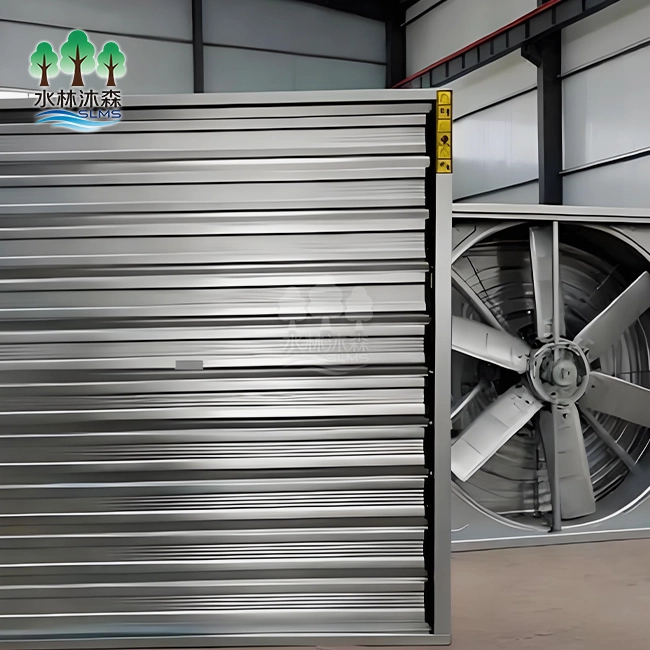
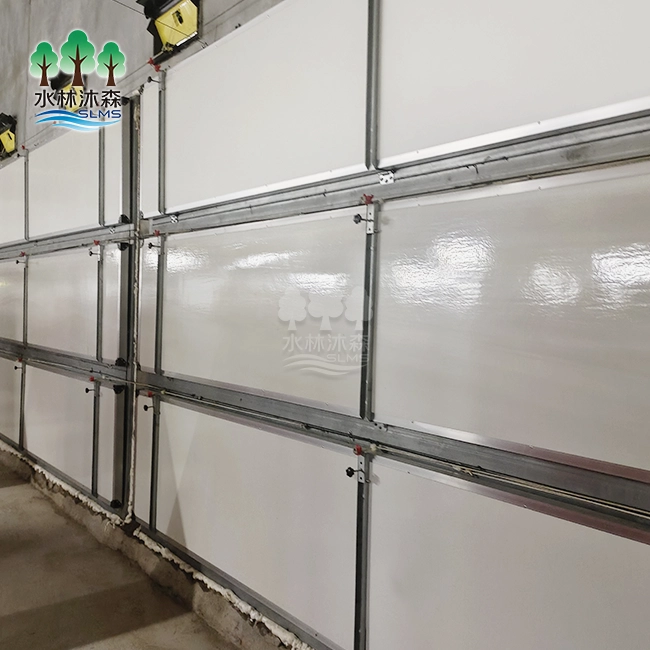
When searching for the best poultry cooling pad systems for business farms, you want to find ones that use evaporative cooling and are built to last so that they can handle the stress of heat in large-scale operations. A high-quality Poultry Cooling Pad System usually has cellulose or cross-linked polyethylene media set up in specific flute patterns—commonly the 7090 geometry—that let the most water absorb while letting the least amount of wind resistance. These systems work perfectly with negative pressure air systems to keep temperatures down by 5 to 8 degrees Celsius. This directly improves the health and productivity of birds in broiler, layer, and breeding farms.


Understanding Poultry Cooling Pad Systems
How Evaporative Cooling Works in Poultry Facilities?
There is a simple scientific principle behind evaporative cooling: when water changes from a liquid to a mist, it takes in a lot of heat energy from the air around it. When used in a chicken house, exhaust fans at one end of the barn create negative pressure that pulls air from outside through wet cooling pads at the other end. As this hot air comes in and goes through the wet pad media, water evaporates into the airstream. This turns sensible heat into latent heat, which lowers the dry-bulb temperature of the air before it hits your flock.
How well this process works depends a lot on how wet the air is. It is possible for temperatures to drop by 8 to 10 degrees Celsius in dry areas, but only 4 to 6 degrees Celsius in wet areas. Knowing the weather in your area is important for figuring out how big your system needs to be and what kind of performance you can expect from it.
Core Components and System Integration
A full cooling pad system is made up of three main parts that work together. The evaporation surface is made up of perforated cellulose sheets or cross-linked polymer materials that make up the cooling pad media. The water delivery system sends a steady flow across the pad face, usually through lines with holes in them or troughs set up above the media. Lastly, the recycling pump and tank control the flow rate of water and keep the saturation level steady while the system is running.
When integrating with current ventilation systems, it's important to pay close attention to how air flows. The cooling pads need to be the same size as your exhaust fans in terms of cubic feet per minute (CFM), and they need to keep face speeds between 1.5 and 1.75 meters per second to stop water absorption, which is when drops are pulled off the pad and into the chicken house. Our Model 7090 systems are designed to meet all of these needs. They come in two thicknesses—15cm and 20cm—so they can be used in a range of climates and fan sizes.
Benefits Beyond Temperature Control
Even though lowering the temperature is still the main goal, good cooling systems offer other benefits that affect how the barn is managed as a whole. In a Poultry Cooling Pad System, the pad media also works well as a particle filter, getting rid of dust, pollen, and other environmental pollutants before they get into the building. This filtration effect makes the air better for both birds and humans, which could lower the chance of respiratory problems and disease spread.
Another big difference compared to mechanical refrigeration options is the lower energy use. Evaporative cooling requires only a small amount of energy compared to compressor-based systems, making it suitable even for operations working with tight budgets. The simple mechanical design also means it is easier to maintain and has less downtime than more complicated temperature control technologies.
Comparison of Leading Poultry Cooling Pad Systems for Commercial Use
Evaluating Material Quality and Construction
Material choice and manufacturing standards have a direct effect on how long cooling pad systems last and how consistently they work. High-quality cellulose pads are made from carefully treated paper that is filled with insoluble salts and cross-linking agents that keep the structure strong even when exposed to water all the time. Products that aren't as good often use raw materials that break down quickly, becoming less rigid and opening up holes that let air pass through without cooling through evaporation.
The core material of our systems is high-molecular-weight cross-linked polyethylene, which is very resistant to biological breakdown, mineral scaling, and chemical contact from field cleaning agents. The frame is made of either an aluminum alloy or stainless steel, which were both chosen because they don't rust in chicken buildings, which are usually damp and full of ammonia. This focus on material science makes the operating lives much longer than cheaper options that use galvanized steel frames that are more likely to rust through the holes they make.
Performance Specifications That Matter
If you want to compare systems, you should look at technical factors that can be measured instead of vague marketing statements. For 150mm thick pads moving at the suggested face speeds, cooling efficiency (shown as a percentage of the potential maximum temperature drop) should be higher than 75%. Another important standard is the static pressure drop across the pad. If there is too much resistance, exhaust fans have to work harder, which uses more energy and might slow down total airflow rates.
The pad's ability to keep itself saturated during use is based on how well it absorbs water. When checked vertically, good media should show a capillary rise of more than 60mm in five minutes. This feature makes sure that the water is spread out evenly over the whole pad area without needing high flow rates that waste water and make the pump use more energy. Our Model 7090 pads regularly meet these standards, as shown by tests done in the lab and results in the field during different seasons and climate zones.
System Scalability and Customization Options
There are many different sizes and layouts in commercial operations, so cooling solutions need to be flexible enough to fit each building rather than forcing farms into less-than-ideal designs. A Poultry Cooling Pad System can be configured to suit both new constructions and retrofit projects. Modular pad designs make it easy to combine and extend units, allowing you to match the cooling capacity precisely to the size of your barn and the number of birds you house.
Customization goes beyond basic dimensions; it also covers frame materials, pad thickness, and water distribution methods. For operations that require frequent cleaning with strong chemicals, the entire structure can be built from stainless steel. In milder conditions, farms can reduce costs by using aluminum alloy frames with 15 cm thick pads. This consultative approach to system design ensures you invest in the right level of technology, avoiding unnecessary upfront costs while still achieving reliable performance.
Design & Installation Essentials for Optimal Performance
Sizing Calculations and Placement Strategies
To properly size a system, you must first accurately calculate your facility's airflow needs based on the number of birds, the size of the barn, and the air exchange rates you want to achieve. The cooling pad area needs to be big enough to hold all of your exhaust fans' CFM output while keeping the face velocity in the right range. Undersized pads speed up the air too much, which pulls water drops into the barn. On the other hand, setups that are too big waste money on capacity that isn't needed.
When placing pads, they should be placed so that they are protected from direct sunlight and the direction of the wind. Direct sunlight can help algae grow and speed up the breakdown of media. The pads are usually put on the side of the barn that faces the wind, and exhaust fans are placed on the other side to make even airflow. When installing the pads, don't put them in places where they could get wet from pressure washers or dirty from dust from areas where the feed is delivered. These real issues have a big effect on the amount of long-term upkeep needed and the reliability of the system.
Installation Best Practices
There are a few important details that need to be paid attention to during the startup process that affect how well it works afterward. When the frame is mounted, it must form an airtight seal against the barn structure so that air doesn't leak around the sides of the pad. This is a common problem that makes cooling less effective and causes airflow patterns to be uneven. Our installation videos and technical documents go into great depth and show your maintenance staff the right way to seal and connect structures.
To make sure that water flows evenly across the whole pad width, water distribution pipes need to be leveled and have holes spaced out very precisely. When water isn't spread out evenly, dry spots form where air can pass through without cooling through evaporation. This makes the system less effective overall. The size of the tank and pump must take into account both the amount of water that evaporates and the amount that needs to be bled off so that minerals don't build up. Our on-site installation service takes care of these technical issues, making sure that your system works the way it was meant to from the very first day it is used.
Automation and Control Integration
Automated settings that change how the cooling system works based on real-time measurements of temperature and humidity are very helpful for modern businesses. Simple controller packages can control pump cycling to keep target setpoints, while more advanced systems can connect to building automation platforms and coordinate the operation of cooling pads with the staging of tunnel fans and the placement of curtains.
Our systems have a water movement system that works well with little supervision. It has simple settings that let you change the rate of the water flow based on your temperature needs. The plan is easy to use so that your group can focus on taking care of animals instead of managing tools. This automation feature cuts down on the need for workers while keeping the surroundings stable in a way that helps birds do their best throughout production cycles.
Maintenance, Troubleshooting, and Longevity
Routine Maintenance Protocols
To keep cooling working at its best, you need to set up organized maintenance plans that cover both daily operational needs and deeper seasonal cleaning. In a Poultry Cooling Pad System, daily checks during peak cooling periods are essential—use a flashlight to ensure water is evenly distributed across the pads, and watch for dry spots or excessive algae growth, which can signal early issues. The water tank should also be cleaned weekly to remove sediment and organic buildup that could clog pipes or create a breeding ground for harmful bacteria.
Seasonal care involves more thorough steps, such as removing the pads for high-pressure cleaning, inspecting the frame for signs of corrosion, and replacing any worn components. Since the system is designed for easy disassembly and reassembly, downtime during maintenance is kept to a minimum. High-quality materials and solid construction help extend pad lifespan, but even the best pads typically need replacement after three to five seasons of heavy use, depending on water quality and operating hours.
Common Issues and Troubleshooting Approaches
Temperature performance below specifications typically stems from inadequate water flow, pad degradation, or excessive air velocity. Systematic fixing starts with making sure the pump gives enough flow at the distribution pipe. This means looking for holes that are clogged or mineral deposits that are blocking water delivery. When pad parts are collapsed or compressed, they lose evaporative surface area and need to be changed right away because they make air paths that skip over useful media.
Mineral scaling is the most constant problem with upkeep, especially in places where the water is hard. Setting up a bleed-off rate that replaces 5–10% of the recycled water every day keeps the percentage of dissolved minerals from getting high enough to form crystals on pad surfaces. For businesses with very bad source water chemistry, water treatment methods might include acid washing the water on a regular basis or installing softening equipment.
Maximizing System Lifespan
Our Model 7090 systems are made with materials that don't rust and have a high absorption capacity. These features give the systems a long working life, but how they are used has a big impact on how long they actually last. When you let pads dry completely between cooling cycles, algae and bacteria can't grow, which speeds up the breakdown of biological materials. Taking pads off and putting them somewhere clean and dry during winter shutdowns keeps them safe from damage and contamination caused by freeze-thaw cycles.
Our one-year free guarantee covers problems with the way the product was made and materials that don't work, which shows that we're confident in the quality of our building. After the warranty time is over, replacement cooling pad paper is still easy to find and can be used for regular upkeep. This way, you can keep the system running at its best for as long as it lasts without having to replace the whole thing. This part's supply is an important factor that is often missed when comparing the total cost of ownership of different providers.
Procurement and Supplier Selection Guide
Evaluating Manufacturer Capabilities
When looking for trusted equipment suppliers, you need to look at more than just the initial buy price. Product improvement and quality stability are directly linked to the amount of knowledge a manufacturer has. Weifang Shuilin Musen Aquaculture Equipment Co., Ltd. has been specializing in farming and cattle equipment for eight years. It has grown from a small business to a full-service provider that does everything from research and development to customer service after the sale.
Check out the supplier's research and development (R&D) to see if they can keep improving their products and provide good expert help. Five committed engineers make up our professional research and development team. Each year, they come up with more than three new products, making sure that our products keep up with the changing needs of the industry. This investment in ongoing innovation means that goods will use the newest materials science and production methods instead of designs that don't change to meet new challenges.
Technical Support and Service Infrastructure
Because equipment is so complicated, providers must be able to offer full expert support throughout the entire ownership lifecycle. Detailed installation paperwork, such as video tips and dimensional models, helps your support staff set things up correctly. When troubleshooting performance problems or making system changes, it's important to be able to get quick expert help.
We offer technical documentation in the form of installation films and in-depth guides that cover common installation situations and setup choices. Our on-site installation service is still available for businesses that want a professional setup or have very complicated integration needs. This promise goes beyond just delivering the equipment; it also includes making sure that your investment works as planned from the first time it's turned on to years of ongoing use.
Cost Considerations and Value Assessment
When buying something, you have to weigh the initial investment against the long-term costs of running it and how well it works. At first glance, price differences between providers may not seem like a big deal. But when you calculate the total cost of ownership, you need to take into account things like energy use, upkeep needs, replacement part costs, and the expected service life. Even though they cost more, premium systems made from materials that don't rust and have been shown to last a long time often give better economic results.
Cost savings can be found in bigger projects through bulk purchase agreements and the ability to customize products for each job. As both a maker and a provider, we can offer bulk discounts to resellers and OEM partnership programs that allow for private labeling or changes to specifications to meet the needs of different markets. These adaptable business models allow for relationships that are good for both parties that go beyond just selling tools.
Conclusion
Selecting appropriate evaporative cooling technology for commercial poultry operations demands careful evaluation of technical specifications, supplier capabilities, and long-term support infrastructure. The best systems combine engineered media with robust construction, delivering consistent performance across diverse climate conditions while minimizing maintenance burden. Our Model 7090 Poultry Cooling Pad System is the result of combining materials science, practical farm experience, and manufacturing precision—designed specifically for the demanding requirements of intensive livestock production.
Quality components including high-molecular-weight cross-linked polyethylene media and corrosion-resistant aluminum alloy or stainless steel frames ensure reliable operation season after season. Combined with comprehensive technical support and installation services, these systems provide the foundation for enhanced bird welfare and improved production economics.
FAQ
Q1: What maintenance frequency does a commercial cooling pad system require?
A: During busy cooling seasons, check visually every day to make sure the water is spread out evenly and to see if algae is building up. Cleaning the tank once a week keeps the water quality high and stops dirt from building up. At the end of the season or every 2,000 to 3,000 hours of use, the pads should be cleaned completely. As part of the annual deep repair, the frame is checked for corrosion, the distribution system is flushed, and worn-out pad pieces are replaced. In places with hard water, businesses may need to be cleaned more often to get rid of mineral scaling.
Q2: How do thickness options affect cooling performance?
A: The 15cm pad thickness works well in mild temperatures and places where static pressure is restricted, as it cools 70–75% of the time at the suggested face speeds. The 20cm choice is 75–80% efficient, which is the best for lowering the temperature in very dry, hot places. Because thicker pads cause more static pressure drop, vent fans that are stronger are needed. Instead of automatically choosing the thickest layer, choose the thickness that fits your environment and the amount of air flow you already have.
Q3: Can these systems integrate with existing ventilation equipment?
A: Our cooling pad systems are specifically designed for seamless integration with negative pressure tunnel ventilation setups. The modular construction accommodates various barn widths and fan capacities through customizable dimensions. Compatibility with automated building controllers allows coordinated operation with exhaust fans and inlet systems. The straightforward water circulation framework requires only basic plumbing connections and electrical service for pump operation, minimizing installation complexity when retrofitting existing facilities.
Partner With a Poultry Cooling Pad System Manufacturer You Can Trust
Weifang Shuilin Musen Aquaculture Equipment Co., Ltd. delivers proven evaporative cooling solutions backed by eight years of focused experience in agricultural equipment manufacturing. Our Model 7090 systems combine advanced materials with practical design, addressing the real challenges faced by commercial poultry operations across diverse climate zones. The professional R&D team continuously refines product specifications based on field performance data and customer feedback, ensuring you receive technology that solves actual problems rather than theoretical concepts.
Reduce labor costs by over 40% compared to conventional methods while achieving 5-8℃ temperature reductions that directly improve bird performance and mortality rates. Quality materials including high-strength galvanized steel or 304 stainless steel construction ensure your investment withstands the corrosive poultry house environment for years of reliable service. Complete support from installation recordings to on-site technical assistance means you're never left troubleshooting complex issues alone.
Contact our team at wangshuaislms@gmail.com to discuss your specific facility requirements and receive detailed technical specifications for our Poultry Cooling Pad System product line. We offer customization options, bulk pricing for large projects, and comprehensive after-sales support that protects your investment. Visit slms-equipment.com to explore our complete equipment catalog and discover how our solutions can optimize your operation's thermal management strategy.
References
1. Johnson, M.R. and Peterson, K.L. (2022). Evaporative Cooling Systems in Modern Poultry Production: Design Principles and Performance Optimization. Agricultural Engineering Press.
2. Thompson, D.W. (2023). "Comparative Analysis of Cooling Technologies for Intensive Livestock Facilities," Journal of Agricultural Mechanization Research, Vol. 45, No. 3, pp. 112-128.
3. Anderson, S.J., Brown, T.R., and Williams, P.H. (2021). Climate Control Strategies for Commercial Poultry: Engineering Solutions for Heat Stress Management. Livestock Production Systems Institute.
4. Martinez, C.A. and Lopez, R.M. (2023). "Economic Impact of Environmental Control Systems on Broiler Production Efficiency," Poultry Science Quarterly, Vol. 38, No. 2, pp. 89-104.
5. Zhang, H., Bird, V., and Patel, S. (2022). Advanced Materials in Agricultural Equipment: Durability and Performance in Corrosive Environments. International Agricultural Technology Publications.
6. Bennett, R.J. (ed.) (2023). Best Practices in Poultry Facility Environmental Management: A Technical Guide for Commercial Operations. American Poultry Equipment Association.
Learn about our latest products and discounts through SMS or email