Broiler chicken cage systems for enhanced ventilation
Modern poultry operations face increasing pressure to maximize efficiency while maintaining optimal bird welfare standards. Broiler chicken cage systems for enhanced ventilation have emerged as a revolutionary solution, fundamentally transforming how commercial farms approach intensive production. Among these innovations, the Triple-deck Broiler Housing Cage stands out as a premier choice for large-scale operations, offering unprecedented space utilization combined with superior airflow management. This advanced three-tier housing system delivers exceptional ventilation performance, enabling farmers to achieve higher stocking densities while maintaining healthier environments for broiler development throughout the production cycle.


Understanding Triple-Deck Broiler Housing Cages and Their Ventilation Advantages
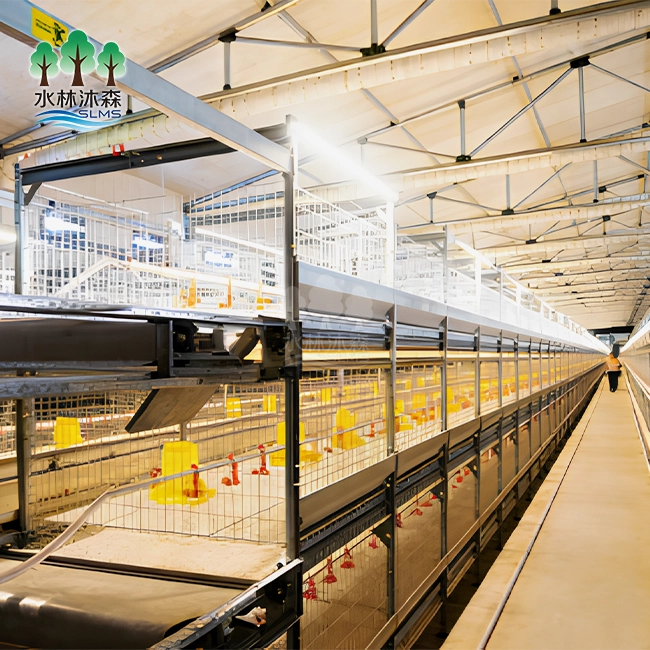
With vertically combined cage systems that focus on improving airflow, the evolution of chicken housing has hit a new level. Multi-tier broiler cages are very different from standard floor-based systems because they use advanced engineering to improve air flow throughout the structure of the housing.
Advanced Vertical Design Architecture
Modern three-tier systems use smart space between levels to let air flow naturally and keep the top levels from getting too hot. The H-type integrated structure makes sure that the weight is evenly distributed on all floors, and it can handle stocking rates of up to 50 kg/m³ without weakening the structure. The design lets air flow easily between the levels, making temperature zones that are good for birds' health and growth.
The vertical setup makes natural convection currents that move new air through the system and push out old air and extra moisture. Each level has enough air flow because the spacing between them was carefully thought out so that air doesn't get stuck, which can happen in systems that aren't well planned.
Enhanced Airflow Management Systems
Vents, airflow paths, and deflection systems that send cool air directly to bird areas are some of the specialized ventilation systems that are built into cage designs. These features work together to keep all levels of living at the right temperature. This lowers heat stress events that can have a big effect on feed conversion rates and death rates. Good broiler cages have an open front that lets air flow freely and makes it easy to remove the birds when the production cycle is over. This way of building makes sure that air systems work at their best during the whole growing time.
Key Design Features and Specifications of Triple-Deck Broiler Housing Cages
The building guidelines for commercial-grade broiler house systems are based on engineering excellence. Long-term performance and operating economy are determined by the choice of materials, the requirements for size, and the integration of automation systems.
Premium Material Construction
Triple-deck Broiler Housing Cage systems of the highest quality are made from Q235 steel that has been treated with hot-dip galvanization technology. This gives the steel a zinc covering that is thicker than 275g/m², which makes it very resistant to rust. This treatment process makes shields that protect against ammonia exposure and water damage. This makes tools last an extra 10 to 15 years under normal use.
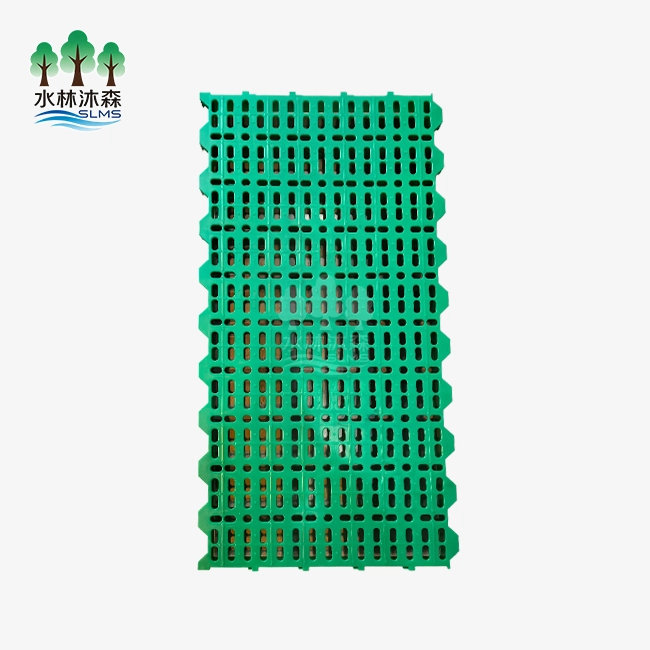
Special plastic materials are used in the cage floor systems to stop breast blisters and footpad dermatitis, which are important issues that affect the quality of the end product and processing grades. These materials provide the softness needed for heavy broiler weights while still being strong enough to last.
Automated Integration Systems
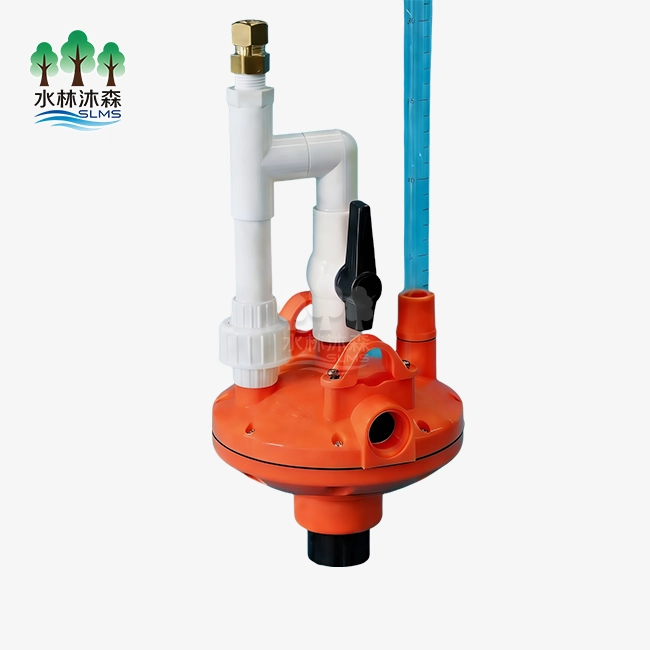
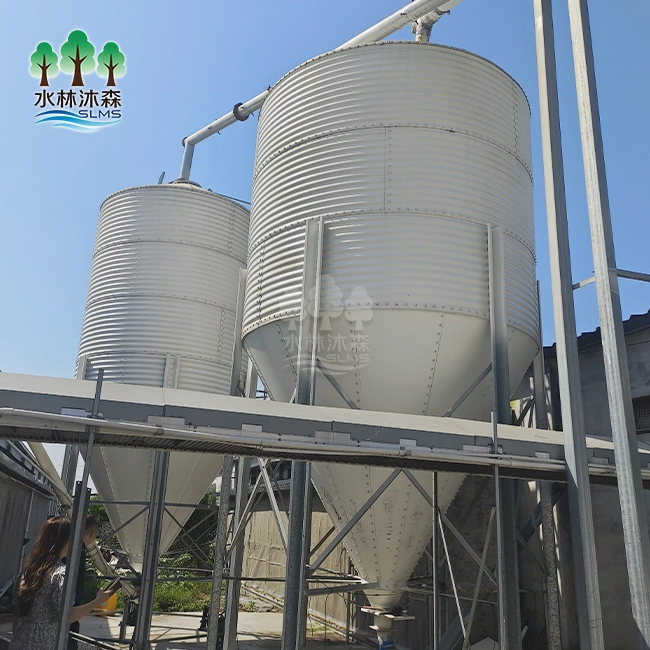
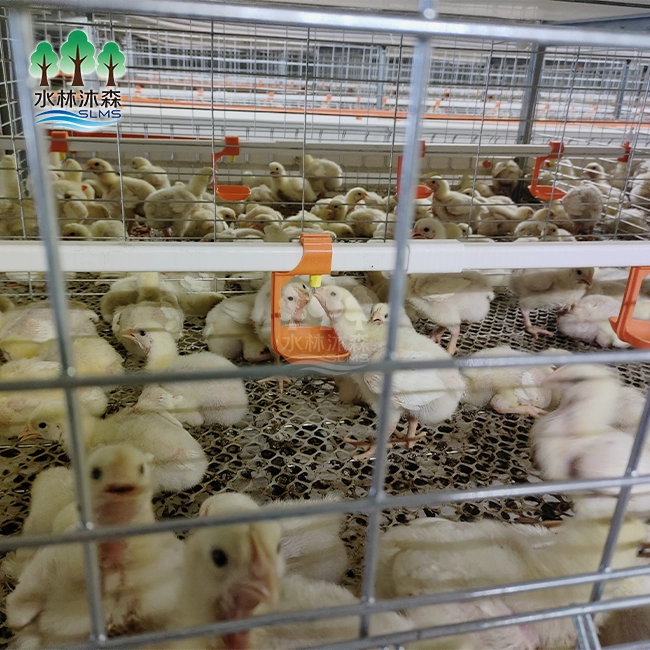
Modern cage systems include automatic technologies for feeding, watering, and getting rid of waste that work well with air. Precision auger feed delivery systems make sure that the food is evenly spread across all three levels at the same time, and nipple drinking systems make sure that everyone can get fresh water. The constant manure removal device that uses conveyor belt technology keeps things clean without any help from a person. Compared to traditional management methods, this automation cuts the amount of work that needs to be done by more than 40% while maintaining the best air quality throughout the living area.
Customizable Dimensional Specifications
Standard module lengths for each cell are between 1200mm and 2400mm, and tier heights should be between 450mm and 500mm to meet the needs of different-sized broilers. These sizes can be changed to fit different farm layouts and output goals, making sure that the room is used efficiently at all levels of operation.
Benefits of Triple-Deck Broiler Housing Cages Over Traditional Single-Deck Systems
Comparative research shows that switching from traditional building methods to modern multi-tier systems has big benefits. These perks include better economic, social, and operating conditions that have a direct effect on making money.
Enhanced Space Utilization and Production Capacity
In the same amount of floor space, vertical living systems triple the amount of work that can be done. This makes much better use of land. This space optimization is especially useful in places where land is expensive or where there aren't many chances to grow. It lets farms make more food without having to buy more land. With the vertical method, farms can house more than 30,000 birds in normal 100m x 15m buildings, while floor systems can only hold 10,000 birds. This rise in capacity means that the company will make more money while keeping its operations as simple as possible.
Improved Bird Health and Performance Metrics
Better air systems that come with Triple-deck Broiler Housing Cage setups cut down on respiratory diseases and heat stress by a large amount. When air flows properly, it gets rid of dangerous gases like ammonia and carbon dioxide and keeps humidity levels at the right amount for healthy growth. Studies show that broilers raised in cages have better feed conversion rates because they can't move around as much and have better access to food. This improvement in efficiency speeds up weight gain while lowering the cost of feed per unit of meat production.
Economic Advantages and Cost Reduction
Integrating automated systems cuts down on the amount of work that needs to be done by hand by a large amount. In fact, many businesses say that daily management time has been cut by 50%. When ventilation systems are optimal, they need less mechanical cooling than standard systems that aren't well ventilated. This saves energy. Keeping birds away from trash breaks the cycles of disease spread, especially for coccidiosis and enteritis. This lowers the cost of medicine and the number of deaths, which affects the total profitability.
Maintenance and Operational Best Practices to Maximize Ventilation Efficiency
For equipment to keep working at its best, it needs to be maintained in a way that keeps the air working well over time. Regular repair plans protect machinery purchases and keep the air quality stable.
Regular Cleaning and Inspection Protocols
By cleaning every day, you stop waste and feed from building up, which can block airflow and give dangerous germs a place to grow. In order to keep things clean, cage floors, water systems, and air parts should be deep cleaned once a week. Once a month, structural checks make sure that the galvanized coatings are still in good shape and find any possible wear spots before they damage the structure of the system. As part of these checks, cage doors, food systems, and automatic parts should be made sure to work properly.
Environmental Monitoring and Control Systems
Sensors that track temperature, humidity, and air quality levels across all cage levels are used by advanced farms to watch the environment in real time. When the weather changes, these systems let you change the air rates and temperature control settings right away. Data logging lets farm managers find trends and change settings to work best for different times of the year or stages of production. This way of looking at things analytically maximizes efficiency while avoiding stress in the surroundings that can hurt bird performance.
Preventive Maintenance Scheduling
Scheduled repair plans keep warranties valid and extend the life of tools. Some important upkeep tasks are putting grease on moving parts, checking electrical connections, and making sure that the robotic system is properly calibrated. To keep downtime to a minimum during maintenance times, replacement part stocks should include parts that get worn out often, like nipple drinkers, belt systems, and sensor elements.
How to Choose the Best Triple-Deck Broiler Housing Cage for Your Procurement Needs?
When making strategic procurement choices, you need to look at a lot of different things, like technical specs, the supplier's abilities, and long-term support services. Making smart decisions will help you get the most out of your tools investments.
Assessment of Farm Requirements and Production Goals
When planning the first steps, you should look at how much you can produce now, how much you want to produce in the future, and what problems you need to solve with your present tools. When figuring out the best way to set up a system, you should think about things like the weather, the utilities that are available, and the supply of workers. Stocking density needs, target growth rates, and processing schedules all affect the cage specs and levels of automation that are needed to successfully meet output goals.
Supplier Evaluation and Selection Criteria
Quality providers show that they have a track record by giving customer references, following certification rules, and offering a wide range of support services. Check out what the seller can do, such as the customization choices, technical help, and service programs after the sale. Weifang Shuilin Musen Aquaculture Equipment Co., Ltd. is a star in its field thanks to its eight years of experience developing agriculture equipment. Their skilled R&D team of five engineers is always coming up with new ideas. Each year, they release more than three new goods while adhering to strict quality control standards.
Technical Specifications and Customization Options
Compare the different providers' material quality standards, their ability to integrate automation, and their ability to give a range of sizes. Triple-deck Broiler Housing Cage systems of the highest caliber should be hot-dip galvanized, have automatic feeding and watering mechanisms, and be able to be configured to meet the needs of any business. When considering different ways to buy something, you should think about things like installation services, expert help, and warranty coverage. Equipment purchases are much more valuable when they come with full service packages that include on-site installation and training programs.
Conclusion
The pinnacle of contemporary chicken housing technology is the Triple-deck Broiler Housing Cage system, which offers superior ventilation performance along with space optimization and operating efficiency. With these high-tech systems, business farms can increase the number of animals they raise while still meeting high standards for bird care by better managing air quality. Automatic systems, high-quality materials, and flexible layouts work together to make sure that businesses of all sizes will be reliable and profitable in the long run. Investing in good multi-tier housing systems gives you long-term competitive benefits by lowering the cost of labor, making feed conversion more efficient, and improving product quality to meet changing market needs.
FAQ
What are the key ventilation features to look for in a triple-deck broiler cage?
The best cage designs have open airflow paths between levels, ventilation systems with changeable air deflectors, and fronts that are not closed off, which lets air flow naturally. High-quality systems have parts that control the temperature and materials that make air flow better instead of worse.
How does enhanced ventilation in triple-deck cages improve broiler health and growth?
Good airflow keeps the temperature and humidity at the right levels and gets rid of dangerous gases like carbon dioxide and ammonia. This climatic control lowers stress on the lungs, stops the spread of disease, and makes it possible for better feed conversion rates and faster weight gain throughout production cycles.
Can triple-deck broiler cages be customized to specific farm requirements?
Leading providers offer a wide range of customization choices, such as changing the size, the amount of automation, and the material specifications to fit the needs of each operation. Customization options include changing the size of the cages, the way the food systems are set up, and how the environmental controls are integrated based on the size of the farm and the weather.
Contact Shuilin Musen Aquaculture Equipment Co., Ltd. for Premium Triple-Deck Broiler Housing Cage Solutions
Change the way you raise chickens with Triple-deck Broiler Housing Cage systems that are the best on the market and are designed to be as efficient and safe as possible for the birds. Shuilin Musen Aquaculture Equipment Co., Ltd. offers complete solutions based on eight years of expert knowledge and constant progress in the development of agricultural machinery. Our skilled research and development team creates unique housing systems that improve ventilation while lowering costs by integrating advanced technology. Email our knowledgeable staff at wangshuaislms@gmail.com to talk about your particular needs, get full specifications, or set up in-person consultations. Experience the benefits of working with a reliable Triple-deck Broiler Housing Cage maker that is dedicated to providing top-notch products and full support services.
References
1. National Poultry Technology Center. "Ventilation Management Systems for Commercial Broiler Housing: Engineering Principles and Performance Optimization." Agricultural Engineering Research Journal, 2023.
2. International Association of Poultry Housing Manufacturers. "Multi-Tier Cage Systems: Comparative Analysis of Production Efficiency and Bird Welfare Outcomes." Poultry Housing Technology Review, 2022.
3. American Society of Agricultural Engineers. "Design Standards for Automated Poultry Housing Systems: Materials, Construction, and Environmental Control Requirements." ASAE Technical Publication, 2023.
4. Poultry Science Association. "Feed Conversion Efficiency in Cage-Based Broiler Production Systems: Environmental Factors and Management Practices." Poultry Science Research Quarterly, 2022.
5. Global Poultry Equipment Standards Council. "Quality Assurance Guidelines for Commercial Broiler Housing Equipment: Manufacturing Standards and Performance Criteria." International Equipment Standards Manual, 2023.
6. Agricultural Economics Research Institute. "Cost-Benefit Analysis of Multi-Tier Poultry Housing Systems: Investment Returns and Operational Efficiency Metrics." Farm Economics Analysis Report, 2022.
Learn about our latest products and discounts through SMS or email