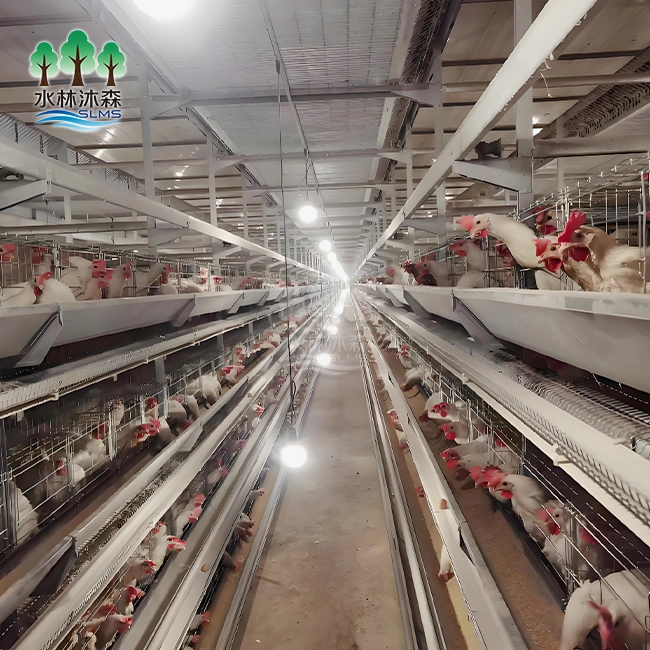
Chicken Farm Drinking Water Regulation Module: The Key to Efficient Poultry Water Management
A Chicken Farm Drinking Water Regulation Module is the precise control center for modern poultry hydration systems. It changes high-pressure city water sources into stable, low-pressure outputs that are perfectly calibrated for activating sensitive nipple drinkers. Large chicken farms can get clean, regular drinking water from this specialized equipment, which stores water, stabilizes pressure, filters water multiple times, and manages flow automatically.
Water quality is still one of the most important parts of raising chickens because it has a direct effect on the health of the chickens, their growth rates, and the general output of the farm. When birds get a contaminated or unreliable water source, the problems show up quickly: they eat less, don't grow as well, lay fewer eggs, and get more diseases, which is terrible for business.


Understanding Chicken Farm Drinking Water Regulation: Standards and Benefits
Critical Water Quality Parameters
To regulate water effectively in commercial poultry farms, you need to look at a few key factors that have a direct effect on the health of the birds. Extreme acidity or alkalinity makes it hard for the body to absorb nutrients and stresses out the gut system. The pH balance should stay between 6.5 and 8.0. Care must be taken to keep chlorine levels just right—high enough to stop microbes from growing but not so high that birds stop drinking water because they don't like the taste. Bacteria like E. coli and Salmonella are spreading diseases that are very bad for people. Minerals like calcium and magnesium are important for building bones and eggshells, but too much iron or manganese can cause biofilm to build up in water lines.
Measurable Operational Benefits
Putting in place thorough water regulations has measurable benefits across a number of performance measures. Stable water quality keeps flocks consistently hydrated, which raises feed conversion rates by 5 to 8 percent compared to farms that don't handle water consistently. When water is always available at the right pressure, bird happiness goes up in a measurable way, as stress behaviors and death rates go down.
Productivity gains show up as faster growth in broilers and steady egg production in layers. The most important thing is that properly controlled water systems lower the risk of illness by limiting bacterial exposure, cutting down on treatment costs, and lowering the use of antibiotics. This is especially important because regulatory bodies around the world are limiting the use of antibiotics in animal production.
How Chicken Farm Drinking Water Regulation Modules Work: Components and Installation
Core System Components
Several specialized parts work together to make up a full water control system. The water holding tank is made of food-grade PE or 304 stainless steel and can hold anywhere from 500L to 5000L, based on the size of the flock. This tank makes sure that there is always water, even when the city's water source goes down. The booster pump makes sure that the pressure stays the same throughout the delivery network. It does this by automatically starting and stopping based on pressure monitors that sense changes in demand.
Multistage filtering equipment uses increasingly finer filter media to get rid of sediment, organic matter, and particulate contaminants. This keeps downstream nipple drinkers from getting clogged. Chicken Farm Drinking Water Regulation Module Pressure regulators are the precise control element. They change the incoming supply pressure into the exact water column height that the nipple needs to work at its best, which is usually between 10 and 60 cm dependent on the type and age of the bird.
Professional Installation Process
Putting in Chicken Farm Drinking Water Regulation Modules needs careful planning and integrating with current systems. As part of getting a site ready, the water source pressure is checked, peak demand is calculated based on the number of birds, and equipment is placed so that long distribution runs lose as little pressure as possible. Connecting the module to the main supply lines, setting up bypass devices for repair access, and routing distribution lines to individual houses or cage tiers are all parts of integration.
Calibration and testing make sure that the output pressure meets the requirements at all drinking places. In multi-tier systems, regulators are adjusted to account for changes in elevation. We offer full technical help, including installation films and on-site installation services, to make sure that the system is properly set up and that operators are properly trained. Our team has done more than 200 installations on a wide range of farm layouts, creating tried-and-true procedures that cause as little damage as possible to current operations.
Maintenance Requirements
To keep modules working well, you need to follow strict repair procedures. Depending on the quality of the source water, filter cartridges need to be checked every 30 to 60 days and replaced when flow rates drop or pressure differences rise. To keep their accuracy, pressure monitors and controllers should be calibrated every three months. Before extreme temperature times, seasonal system checks make sure that freezing damage doesn't happen in cold countries and that the cooling capacity is checked for hot climates.
The diaphragm parts of pressure controllers wear out the fastest. They usually last between 3 and 5 years in regular use, but they need to be replaced sooner if acidic water additives or harsh cleaners are used. We back up our equipment with a free one-year guarantee that covers problems caused by poor manufacturing, and we offer ongoing expert support to make sure that your equipment lasts much longer than the average in the industry.
Comparing Solutions: Why Choose Automated Water Regulation Modules Over Manual Systems?
Limitations of Manual Management
Traditional physical methods for controlling water use put a lot of work on farm staff. When workers have to regularly check the quality of the water, fix valves in multiple homes, and respond to changes in supply pressure or yearly demand changes, the amount of work they have to do goes up. Monitoring is less reliable because hand testing only takes snapshots of conditions at certain times and not all the time.
This means that problems with water quality are often not found until birds start showing symptoms. There are times when problems are found but not fixed right away, which lets diseases spread through the group. These restrictions directly endanger the health of the group, especially in big operations where it's nearly impossible to keep an eye on hundreds of drinking points by hand.
Automated System Advantages
Modern automatic systems get rid of these problems by watching all the time and responding right away. Pressure sensors give real-time input, which changes how the pump works and how the regulator is set up automatically to keep goal parameters stable even if outside conditions change. The consistency of the water gets a lot better, and automatic systems keep the pressure fixed within ±5%, while manual systems often change by 20–30%.
Human error is no longer a factor—adjustments to valves are no longer forgotten, gauges are no longer misunderstood, and answers are not delayed at night when staff are not present. Energy economy improves because pumps only work when they're needed instead of all the time. This means that 30% to 40% less electricity is used than with traditional methods. Because fewer workers are needed, fewer people die, and better use of water, these practical changes directly lead to higher profits.
Investment Justification
Automated systems usually cost between $3,000 and $15,000 to set up, which is more than simple human setups. The exact amount depends on the size of the farm and how much customization is needed. Chicken Farm Drinking Water Regulation Module When complicated electrical parts need to be fixed, sometimes expert oversight is needed, but our full help keeps downtime to a minimum. But the schedule for the return on investment is very convincing.
Most farms get their money back within 18 to 24 months by saving money on work, lessening the cost of treating diseases, and increasing output. When procurement managers are thinking about updating infrastructure, they shouldn't just look at the price of the equipment; they should also look at the total cost of ownership over the equipment's 5–7-year life span. This is because automated systems offer a lot of value that manual methods can't match.
Top-Rated Chicken Farm Drinking Water Regulation Modules and Supplier Selection Guide 2026
Leading Technology Trends
In 2026, the chicken water management industry will continue to change quickly, with new ideas focusing on making things more reliable, improving the user experience, and combining data. Newer filter technologies now have multiple stages of sediment removal that can handle different quality source water without needing to be maintained often. Modular growth lets farmers start with basic setups and add more space as their flocks get bigger.
This protects their initial investment while meeting their future needs. IoT connection lets managers keep an eye on things from afar using smartphone apps that send managers alerts about changes in pressure, full filters, or broken pumps before they have an effect on the birds' well-being. Modern Chicken Farm Drinking Water Regulation Modules are becoming easier for farms of all kinds to get because of these improvements in technology.
Supplier Selection Criteria
To pick the right equipment provider, you need to look at more than just the product specs. Capacity matching makes sure that the module can handle the highest demand, which happens when it's hot and people use a lot more water. The durability review looks at how the material is put together. For example, food-grade PE or 304 stainless steel tanks are much more resistant to corrosion than standard steel, which breaks down quickly in humid chicken settings.
Integration ease shows how easily the module links to current systems, which lowers the cost of making changes. Support after the sale is what sets long-term partnership-oriented providers apart from transaction-only ones. The terms of the warranty show that the manufacturer is confident in the quality of the product; full coverage shows that the manufacturer uses strict quality control methods.
Every decision factor is taken into account by Shuilin Musen Aquaculture Equipment Co., Ltd., thanks to our all-around approach to product development and customer service. Our water storage options range from 500L to 5000L, and we can fully customize them to meet your specific needs. We use food-grade PE or 304 stainless steel to build our tanks because it keeps dangerous chemicals from leaking out and is very resistant to pressure and corrosion.
Before leaving our building, every part is carefully tested, and our quality control system makes sure that it always works well. With more than three new goods coming out every year, our skilled R&D team of five engineers is always coming up with new ways to solve problems in a variety of settings. We offer full professional support, including installation guides, installation services on-site, and quick help with fixing problems. This all-around method has helped relationships with chicken farms work well for more than eight years, in a wide range of weather and working conditions.
Maximizing Poultry Health and Farm Efficiency Through Water Regulation
Direct Health Improvements
Measurable changes in flock health can be seen when water levels are consistently controlled. Disease outbreaks happen 40–60% less often when water systems stop bacteria from growing by filtering and managing pressure in a way that stops biofilm from forming. The number of cases of intestinal diseases drops especially sharply because polluted water is the main way that these diseases are spread. Birds' growth success is better when they stay well-hydrated, which helps their bodies use nutrients and convert food into energy. In layer farms, egg production stays more steady during the laying cycle when the quality and quantity of water stay the same.
These health benefits come from certain technical traits in our Chicken Farm Drinking Water Regulation Module. Multistage filtering gets rid of sediment and organic waste that bacteria like to live in. When pressure is properly controlled, nipple drinkers don't leak, which leads to wet litter situations where ammonia production is harmful to lung health. Consistent water column height makes sure that birds of all ages, from day-old chicks to fully grown adults, can get to water with the right amount of force, so they don't have to worry about thirst during important growth stages. These benefits directly deal with the most expensive health problems that come up in large-scale chicken farming.
Operational Efficiency Gains
In addition to improving health, controlling water effectively makes farms more efficient overall. When properly adjusted systems get rid of leaks and spills, water use drops by 15 to 25 percent. As automated monitoring replaces regular manual checks, the need for workers drops by a large amount. This frees up staff to do other management chores. Filtered water lowers maintenance costs because it keeps expensive parts of nipple drinkers from wearing out too quickly and getting clogged. Over time, these practical changes add up, and water systems that are well taken care of save money every year.
New trends keep adding to the benefits of using modern water control technology. IoT connection lets farm managers check on the quality of the water from afar and get warnings about problems before they hurt production. AI analytics can find trends in consumption that can predict disease problems days before they show up in the body, allowing for early action. Sustainable water use is becoming more important as farms are questioned more about how they use resources and affect the environment. Farms that are ahead of the curve and use these tools gain a competitive edge by being more compliant, having lower running costs, and making more money.
Conclusion
Water control is an important part of raising chickens and has a direct effect on the health of the birds, their ability to grow, and the revenue of the business. Modern Chicken Farm Drinking Water Regulation Modules offer precise control that manual systems just can't match. They provide stable pressure, full filtration, and automatic tracking that protects the welfare of the flock while lowering the amount of work that needs to be done.
The technology has come a long way and now offers solid options that can be used on anything from small family farms to large industrial operations with over 100,000 birds. Investing in good tools for controlling water always pays off because it lowers the cost of diseases, boosts production, and makes operations run more smoothly. As market standards and government rules continue to change toward better animal health and environmental care, farms with advanced water management systems will still be able to adapt and perform well in the face of future challenges.
FAQ
What are the most important water quality factors for chicken farms to keep an eye on?
Important factors include a pH balance between 6.5 and 8.0, a chlorine level that kills microbes without changing the taste, regular tests to check for bacterial contamination, and a mineral content that supports nutrition without causing biofilm or scaling issues. Temperature is also important. The best temperature range for drinking water is between 10°C and 18°C. When diseases are a problem or when new water sources are added, monitoring should happen more often.
Can existing drinking systems be retrofitted with modern water regulation modules?
It is possible to add Chicken Farm Drinking Water Regulation Modules to most standard chicken watering systems with a few simple changes. Installing the module at the end of existing distribution lines, connecting it to the existing water supply system, and changing the pressure settings to meet the needs of the nipple eater are all parts of the process. Farms with very old nipple drinkers may need to improve some of their parts to get the best performance, but basic updating can usually be done in one to two days per house with little impact on flock management. Our expert team looks at the infrastructure that is already in place and suggests the best ways to integrate it based on how the farms are set up.
What kind of repair plan makes sure that the water regulation module works at its best?
Standard maintenance includes visual checks for leaks or strange pressure readings once a month, replacing or cleaning the filters every three months, calibrating the pressure regulators and sensors every six months, and an annual full system evaluation before production times are at their highest. Businesses that use vitamins or medicines that dissolve in water should flush their systems more often to keep waste from building up. Keeping detailed service records helps find trends that can be used to predict when parts will need to be replaced. This keeps unexpected failures from happening during crucial production stages.
Partner with Shuilin Musen for Advanced Water Management Solutions
Improving the water facilities in your poultry farm will improve the health of your birds right away and make your business more efficient in the long run. The Shuilin Musen Aquaculture Equipment Co., Ltd. has eight years of experience making water control systems that are perfect for large-scale chicken production.
Our modules put together tried-and-true parts like food-grade storage tanks, precise pressure regulators, and multistage filtration to make full systems that are built to last and be easy to use. Because we've worked with businesses ranging from 5,000-bird family farms to 150,000-bird commercial complexes in a wide range of climates, we know the unique problems that Chicken Farm Drinking Water Regulation Module sellers face.
We are committed to helping you with your investment for a long time, not just when we sell you tools. For technical help, there are installation guides and on-site installation services that make sure the right setup is done. Our one-year free guarantee shows that we're confident in the quality of our products, and our ongoing expert support helps you get the most out of your system as your business grows.
We can meet unique needs by customizing our products to fit unusual capacity needs, integrating them with existing infrastructure, or adapting them to difficult water sources. You can email us at wangshuaislms@gmail.com or visit slms-equipment.com to talk about how our water regulation solutions can improve the performance of your farm, lower running costs, and protect the health of your flock by managing water more precisely.
References
1. Lacy, M. P., & Czarick, M. (2021). Poultry Drinking Water Quality Management Systems. University of Georgia Cooperative Extension Bulletin.
2. National Chicken Council. (2022). Animal Welfare Guidelines and Audit Checklist for Broiler Chickens. Washington, DC: National Chicken Council.
3. Watkins, S. E., & Tabler, G. T. (2020). Water Quality and Poultry Production: A Review of Practical Applications. Journal of Applied Poultry Research, 29(4), 816-825.
4. European Food Safety Authority. (2023). Water Quality Parameters for Poultry Production Systems: Technical Standards and Recommendations. EFSA Journal, 21(3), 1-48.
5. Fairchild, B. D., & Ritz, C. W. (2021). Poultry Drinking Systems: Design, Management and Troubleshooting. Athens, GA: University of Georgia Extension Publication.
6. American Veterinary Medical Association. (2022). Biosecurity Protocols for Commercial Poultry Operations: Water System Management. AVMA Guidelines for Livestock Production.
Learn about our latest products and discounts through SMS or email