How to choose the right feed silo for a poultry house?
Selecting an appropriate Poultry House Feed Silo requires evaluating farm scale, feed type compatibility, material durability, automation needs, and total cost of ownership. The right silo minimizes feed wastage through superior sealing, reduces labor through automated dispensing, and protects feed quality against moisture and pests. Matching capacity specifications with daily consumption rates, ensuring hopper angles prevent bridging, and choosing corrosion-resistant materials like galvanized steel or fiberglass are foundational decisions. Additionally, procurement teams should prioritize suppliers offering technical support, installation services, and warranties that align with long-term operational goals and biosecurity standards.


Understanding Poultry House Feed Silos: Types, Functions, and Benefits
What Defines a Modern Feed Storage System
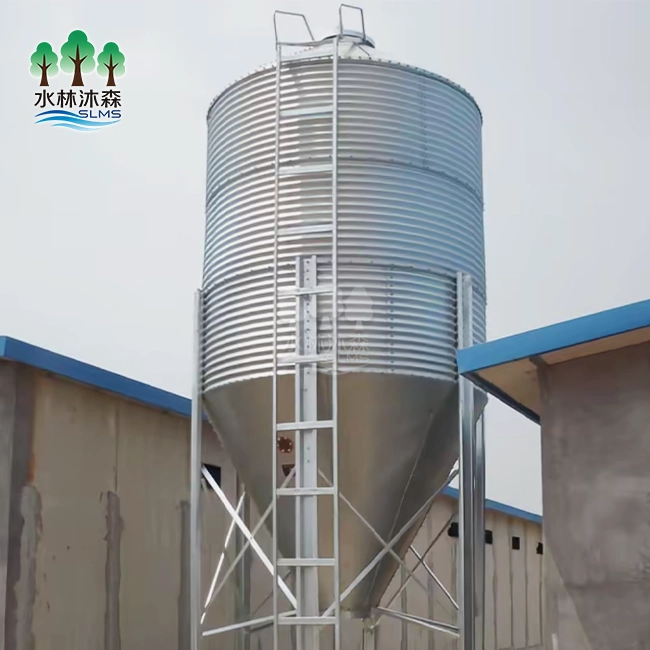
A Poultry House Feed Silo is a special kind of vertical bulk storage holding system designed to keep poultry feed clean and allow for automatic dispensing in businesses. Unlike regular grain boxes, these buildings have features that deal with important problems in the industry, like feed going bad because of water getting in, mold growth that causes mycotoxicosis, and rodents and wild birds that spread pathogens like Salmonella.
By making it easier to send in bulk, these methods lower the cost-per-ton by a large amount while still following the First-In-First-Out flow rules that keep feed fresh. The design generally includes filling systems that are pneumatically sealed, exhaust vents that relieve pressure, and steep hopper angles (usually 60 degrees). The steep hopper angles are needed for the mass flow of non-free-flowing chicken feeds and to avoid bridging or ratholing problems.
Core Operational Advantages
Setting up the right system for storing feed has many practical benefits. Feed storage is greatly improved when good sealing stops rain, moisture, and insects from getting in. This keeps the nutrients stable and lowers the risk of chicken diseases from spoiled feed. Centralized feed storage cuts down on the number of times feed has to be moved and allows for exact timing and amount delivery, which saves time and effort. Automation features work well with flex-auger delivery systems and can connect directly to pan feeders or batch weighing scales, based on whether the operation is focused on broilers or layers that need strict feed limit protocols.
Common Silo Configurations in Commercial Settings
Large-scale operations use vertical Poultry House Feed Silos because they leave the smallest footprint and allow flow to be sped up by gravity. With capacities ranging from 5 tons to 30 tons, they can be used on a wide range of scales, from small family farms with thousands of birds to large combined buildings with over 100,000 birds. Environmental factors determine whether galvanized steel or Glass Reinforced Plastic should be used. GRP performs better in warm and seaside areas where high humidity and salty air speed up steel oxidation, even with hot-dip galvanization coatings.
Key Criteria to Consider When Choosing Poultry House Feed Silos
Capacity Planning and Farm Scale Alignment
To find the right Poultry House Feed Silo size, multiply the number of days of storage stock by the average daily feed intake. Large broiler farms that need two to three tons of feed every day usually benefit from silos that hold ten to fifteen tons. These silos protect against transportation problems and keep feed fresh by turning it over regularly. Larger integrated complexes may use more than one bin to separate different formulas or keep a steady supply going during times of high demand. When you overestimate capacity, you may have to store things for longer, which can lower the effectiveness of vitamins and help germs grow. On the other hand, when you underestimate capacity, you may have to make a lot of supplies.
Material Selection for Longevity and Performance
High-tensile corrugated steel with a hot-dip galvanization finish that usually ranges from Z275 to Z600 g/m² is a cost-effective way to make something last in mild temperatures for more than 15 years if it is properly kept. During the galvanization process, a protected zinc layer is formed. This layer corrodes first, protecting the steel underneath. But farms in places with persistently high humidity or close to the coast should look at plastic options, even though they cost more at first.
Poultry House Feed Silo GRP construction completely gets rid of corrosion worries and improves thermal insulation, which lowers interior condensation—an important factor because too much moisture weakens heat-sensitive feed ingredients and makes the perfect environment for mold growth.
Critical Design Features and Safety Standards
Regional building rules say that structures must be able to handle wind loads of more than 100 km/h. Reflective coats, like white paint or special Sol-Shield applications, make it much harder for solar heat to get inside. This lowers temperatures inside, which would otherwise speed up the breakdown of nutrients and put stress on structure parts due to thermal expansion. The angle of the hopper cone is a must-have feature. For steady gravity flow, 60 degrees is the standard in the business. Deviations from this angle often cause feed bridging, which is when material arches across the opening of the cone, stopping the flow and needing human action that breaks biosecurity rules.
Automation Integration and Monitoring Technology
Modern precise farming methods need the ability to track usage in real time. Load cells put under the legs of silos send continuous weight data to central management computers. This lets them figure out the correct Feed Conversion Ratio and find health problems early by looking for changes in the way the silos are used. Level sensors give visual or remote alerts that stop both overfilling during delivery and feed running out without warning. These automation parts work with larger farm management software programs to create data streams that help farmers make smart choices about when to buy things, how to change recipes, and how to keep an eye on the health of their flocks.
Comparison and Evaluation of Poultry House Feed Silo Options
Configuration Trade-offs: Vertical vs. Horizontal Systems
Vertical Poultry House Feed Silos store the most food in the smallest amount of space on the ground. This makes them perfect for businesses that don't have a lot of land or for multiple-house plans that need organized feed distribution. Their height makes it easier for gravity to move them to automatic delivery systems without the need for extra mechanical help. While horizontal layouts make it easier to check and clean by hand, they take up a lot more space. Maintenance access is very different for vertical and horizontal systems. For example, to get to the top of a vertical system, you need special tools, but to get to the bottom of a horizontal system, you can do regular checks and fixes from the ground.
Delivery Mechanism Considerations
For farms with the right difference in elevation between the silo release and feeding equipment, gravity-fed systems linked to flexible auger lines use the least amount of energy. Depending on the size of the feed particles and the distance needed for transport, auger widths are usually 75mm or 90mm. Pneumatic transport systems work well for farms that need longer horizontal or vertical moves, but they use more energy and the high-speed air streams could damage particles. The best way to do things relies on how the house is set up, how far the silos are from where the food is being fed, and whether the feed contains fragile pellets that could break during transport.
Evaluating Supplier Credentials and Support Infrastructure
Poultry House Feed Silo Procurement teams have to look at how much experience the maker has in the farming equipment sector. They also have to look at technical certifications and make sure the company meets food safety standards. When looking at different suppliers, you should see how well they can adapt to your specific needs, how easy it is to get new parts, and how far they can reach for service.
Companies like Weifang Shuilin Musen Aquaculture Equipment Co., Ltd. offer full service models that include research and development, quality control, and technical support after the sale. These models go beyond just selling equipment and involve working with customers to make sure their operations are successful.
Installation, Maintenance, and Operation Best Practices
Professional Installation Requirements
To properly build a Poultry House Feed Silo, you need to know about the necessary foundations, the order of structural assembly, and how to connect the silo to current feed delivery systems. When preparing the foundation, it's important to think about how the weight will be distributed, how much weight the soil can hold, and how to place load cells if tracking systems are needed. Professional installation services make sure that the equipment is set up according to the manufacturer's instructions.
This protects the guarantee and keeps you from making common mistakes like not tightening the bolts enough, misaligning the hopper sections so that they block the flow of water, or not closing properly so that moisture can get in. On-site installation services make sure that complicated assembly methods are done according to engineering standards, and installation films help support staff with their work.
Routine Maintenance Protocols
Systematic repair plans are needed to keep feed quality high and extend the life of silos. Every three months, the lid seals, exhaust vents, and boot covers should be checked for damage caused by UV light and changing temperatures. Between-flock changes are great times to completely empty, wash the inside, and fumigate, which stops mold spores and feed mites from continuing their lifecycle. Every year, structural assessments should make sure that all the bolts are tight, look for places where rust can start, and make sure that all the gas fill parts work properly. These preventative steps save a lot more money than having to make fixes during production cycles or deal with contamination events that need to depopulate flocks.
Safety Standards and Personnel Training
Poultry House Feed Silo When internal inspections are needed, confined space entry steps must be followed. These include testing the atmosphere, following ventilation procedures, and having staff on call. When pneumatic filling is done, a lot of pressure builds up inside the structure. To keep it from breaking, it needs special vents and ways to release the pressure. When teaching employees, it's important to stress the right way to fill, how to spot bridging signs, and what to do in an emergency if equipment breaks down. Regular safety checks make sure that health and safety rules are being followed and look for possible dangers before they happen.
Procurement Tips: How to Buy the Right Poultry Feed Silo
Aligning Specifications with Operational Needs
A thorough needs assessment that includes current and planned flock numbers, feed formulation types, existing automation infrastructure, and site-specific weather conditions is the first step in effective buying. This study helps choose the right size, materials, and automation features of the Poultry House Feed Silo. When making a budget, it's important to think about more than just the purchase price.
You should also think about the total cost of ownership, which includes things like installation costs, ongoing upkeep needs, energy use for automatic delivery systems, and the expected service life. A basic 10-ton galvanized steel silo may be cheaper at first than a 15-ton one with automatic tracking, but it is more valuable because it requires less work, wastes less feed, and lasts longer between replacements.
Supplier Selection and Due Diligence
To find trusted equipment providers, you need to look at more than just price and competition. Quality control measures during production, material approvals, and testing procedures show how consistent and long-lasting a product is. Long-term happiness is greatly affected by the infrastructure of after-sales service, which includes warranty terms, expert help access, and supply lines for replacement parts.
Companies that offer a free one-year warranty, training films, technical help paperwork, and on-site installation services show that they care about their customers' success for the whole life of the equipment. International purchasing requires sellers with established distribution networks because there are more things to think about when it comes to shipping processes, customs paperwork, and help after delivery.
Customization and Scalability Options
Standard silo layouts work for many businesses, but customizing them can meet specific needs, like coating systems for harsh climates, changed hopper shapes for certain feed formulations, or weighing and monitoring systems that work with existing farm management software. Negotiating bulk purchases for businesses with multiple locations or joint buying groups can often save a lot of money while making sure that all of the facilities have the same equipment. To properly evaluate used equipment, it is important to check its structural stability, estimate how long it will last, and make sure it works with current hygiene and automation standards.
Conclusion
Choosing the right Poultry House Feed Silo has a huge effect on the revenue of a chicken business by preserving feed, making work more efficient, and protecting biosecurity. The right choice strikes a balance between the amount of space needed and the size of the farm, between the sturdiness of the materials and the conditions of the environment, and between the automation features that support precise management.
When making purchases, people should give more weight to sellers who offer full support, such as expert help, installation services, and warranty protection. By carefully comparing operational needs with available technologies and supplier skills, farm managers and buying professionals can be sure that the infrastructure they invest in will pay off in the form of lower waste, better feed quality, and easier day-to-day operations.
FAQ
What is the typical lifespan of a quality feed storage system?
In mild areas, galvanized steel Poultry House Feed Silos should last between 15 and 20 years with proper maintenance. Fiberglass units, on the other hand, may last longer than 25 years because they are more resistant to rust. How long something actually lasts varies a lot on how it is used, how well it is maintained, and how often it needs to be emptied. Steel systems break down faster in coastal or high-humidity areas, even with protected coatings. This means that GRP building is cheaper over longer periods of time, even though it costs more to buy.
Can existing silos integrate with new automated feeding systems?
Most current feed delivery systems have flexible connection choices that allow them to work with different silo layouts. To use load cells to track weight, you have to lift old buildings and put sensors under the support legs. This is time-consuming, but it gives you useful information about how much you're using. When doing a compatibility assessment, you should look at the size of the output hole, the right angle for the hopper to keep the flow steady, and the structure's ability to support the mounting needs of more pneumatic or auger delivery equipment.
How often should thorough cleaning occur?
To keep pathogens from building up and toxins from growing, silos should be completely emptied, washed, and fumigated between groups or at least twice a year. Visual checks every three months help find new problems early, before they hurt the quality of the feed or the structure's strength. Once a month, routine maintenance like checking the seals and cleaning the vents should be done to make sure that the system is always protected against external contamination.
Partner with Shuilin Musen Aquaculture Equipment for Your Feed Storage Solutions
Weifang Shuilin Musen Aquaculture Equipment Co., Ltd. has been making Poultry House Feed Silos for chicken farms for eight years. Their capacities range from 5 to 30 tons. Whether you are in charge of a broiler complex, a layer farm, or a breeder facility, our tech team can make solutions that fit your needs. As an experienced Poultry House Feed Silo maker, we offer full support, including installation guides, on-site installation services, and a one-year guarantee to make sure your investment lasts.
Email our team at wangshuaislms@gmail.com to talk about your feed storage needs and get full technical specs. You can look at our full line of products at slms-equipment.com and learn how our focus on quality and skilled service can help your business succeed.
References
1. Donald, J. (2018). Poultry Feed Manufacturing and Quality Control: Principles and Practices. Context Products Ltd.
2. Leeson, S., & Summers, J. D. (2019). Commercial Poultry Nutrition (4th ed.). Nottingham University Press.
3. North, M. O., & Bell, D. D. (2020). Commercial Chicken Production Manual (6th ed.). Chapman & Hall.
4. Sainsbury, D. (2017). Poultry Health and Management: Chickens, Ducks, Turkeys, Geese, Quail (5th ed.). Blackwell Science.
5. Shane, S. M. (2019). Handbook on Poultry Diseases (3rd ed.). American Soybean Association.
6. Thompson, J. R., & Meyer, H. (2021). "Feed Storage Systems and Their Impact on Poultry Production Efficiency." Journal of Applied Poultry Research, 30(2), 100-115.
Learn about our latest products and discounts through SMS or email